
 Náhled v interiéru
 Sdílet
 Sdílet
 Podrobnosti o díle
 Průvodce

 Stáhnout
 Podobné položky
 Rentgenové snímky
 Slideshow
 Statistiky
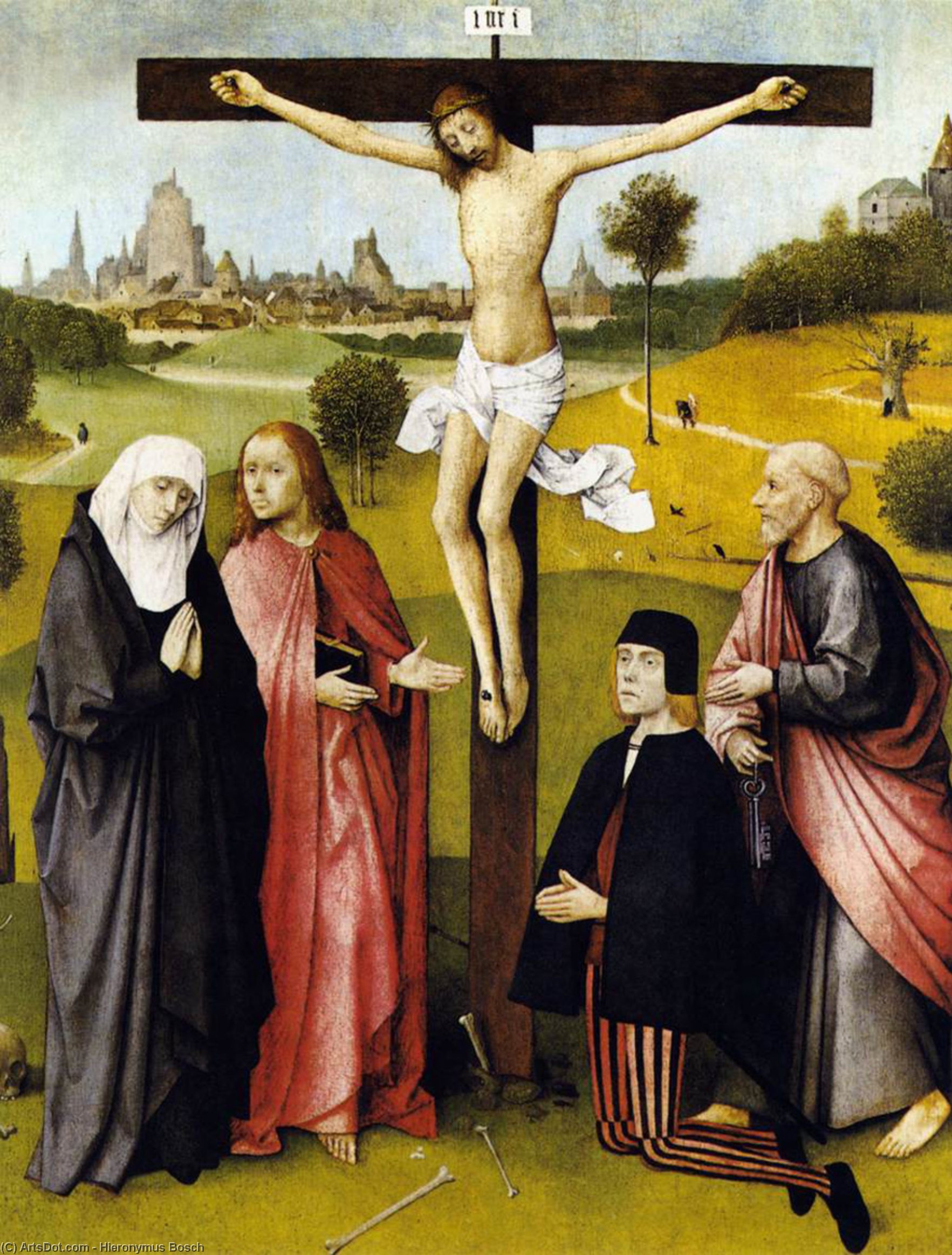
Ukřižování s darovatelem
 Olej na dřevěné desce
- Obrazová tvorba na stěnu
- raně nizozemská malba
 1480
1480- Renesance
 74.0 x 61.0 cm
 Musées Royaux des Beaux-Arts
 Zobrazit více
Zakupte si digitální obraz ve vysokém rozlišení a vylepšeném provedení, který nabízí mnohem vyšší kvalitu než online náhled.
Každý soubor pečlivě připravují naši interní specialisté s využitím pokročilých nástrojů a odborné manuální retuše. Zajišťujeme, aby každý obraz disponoval výjimečnou ostrostí, přesnou barevnou věrností a jemnými detaily.
Finální soubor vám bude do 72 hodin zaslán e-mailem, optimalizovaný pro okamžité použití v profesionálním, redakčním i tiskovém prostředí. Nabízíme stejnou kvalitu, které důvěřují špičková designová studia, nakladatelství i galerie.
Digitální obrazy
Stáhněte si soubor ve vysokém rozlišení pro osobní prohlížení, tisk nebo kreativní projekty. ( Přepnout na tisk Koupit ručně malovaný obraz)
Součást každé objednávky digitálního obrazu
Profesionální digitální doručení, zaručené
Když si vyberete OriginalUniqueArt.com, nezískáváte pouze obrázek – získáváte digitální umělecké dílo s profesionálně vylepšenými detaily, zpracované s precizností a podpořené zárukou za spokojenost. Zde je vše, co vaše objednávka automaticky obsahuje:

Rychlé doručení e-mailem
Váš digitální obraz ve vysokém rozlišení vám bude zaslán e-mailem do 72 hodin od objednávky – připraven k okamžitému použití.

Digitální soubor s využitím AI
Vaše umělecké dílo je profesionálně optimalizováno pomocí pokročilých nástrojů umělé inteligence a manuální úpravy, což zajišťuje maximální úroveň detailu, ostrosti a přesnosti barev.

Doživotní bezplatné znovuodeslání digitálních obrazů
Soubor jste omylem smazali nebo ztratili? Žádný problém – kdykoliv vám ho znovu zašleme zcela zdarma.

Bez poplatků za dovoz – navždy
Užijte si své umělecké dílo okamžitě bez celních poplatků, daní nebo nákladů na dopravu – digitální stažení je vždy bez daňových povinností.

Záruka přesnosti barev
Díky profesionálním nástrojům a správě barev zajišťujeme, aby váš digitální obraz odrážel původní barvy co nejvěrněji.

100dená záruka spokojenosti
Pokud nebudete s digitálním obrázkem spokojeni, provedeme jeho revizi nebo vám vrátíme 100% platby do 100 dnů – bez jakýchkoliv dotazů.

100% záruka vrácení peněz
Nespokojeni? Získejte plnou náhradu peněz do 100 dnů od obdržení digitálního souboru – bez zbytečných dotazů.

Slevy při hromadných objednávkách
Koupě 3 obrazů ušetří 10% – Koupě 5 obrazů ušetří 15% – Koupě 10+ obrazů ušetří 20%. Ideální pro kreativní projekty, galerie a agentury.
A Window into Faith and Mystery: Hieronymus Bosch’s *Crucifixion with a Donor*
This captivating oil on panel, created around 1480 by the enigmatic Hieronymus Bosch, offers a profound meditation on faith, suffering, and salvation. Currently housed at the Musées Royaux des Beaux-Arts in Brussels, Belgium, this work exemplifies the distinctive style of the Early Netherlandish movement – a pivotal moment in Northern Renaissance art. Measuring 74 x 61 cm, it’s a piece that rewards close contemplation, revealing layers of symbolism and artistic mastery.Subject and Composition
The painting centers on the harrowing scene of Christ's crucifixion. Bosch doesn’t present a graphic depiction of agony; instead, he focuses on the solemnity and spiritual weight of the event. Figures surround the cross – some kneeling in reverence, others observing with quiet contemplation. A prominent figure, richly dressed and holding symbols of authority (a crown and scepter), is believed to be a donor or a representation of earthly power witnessing this divine sacrifice. The composition is tightly framed, drawing the viewer’s eye directly to Christ and fostering an intimate connection with the scene. A landscape unfolds in the background, providing depth but remaining subordinate to the central drama.Bosch's Unique Style & Technique
Bosch was a true original, and *Crucifixion with a Donor* showcases his signature style. He masterfully blends realism with fantastical elements, creating an atmosphere that is both grounded in earthly observation and imbued with spiritual mystery. His technique involved building up layers of translucent oil glazes on oak panel, resulting in luminous colors and incredibly fine detail. The precision of the lines defining figures and architectural elements speaks to a meticulous approach, while the overall effect is one of otherworldly beauty.Symbolism & Interpretation
Bosch’s work is renowned for its complex symbolism, and this painting is no exception. The inclusion of seemingly minor details – a book, a bird in flight, a cup placed to the right – invites multiple interpretations. The donor figure may represent the patron who commissioned the work, but also symbolizes humanity's role in Christ’s sacrifice. The bird, often associated with the soul or divine messenger, could signify hope or spiritual ascension. Each element contributes to a rich tapestry of meaning, encouraging viewers to engage actively with the artwork and formulate their own understanding.Historical Context & Artistic Significance
Painted during a period of religious fervor and artistic innovation, *Crucifixion with a Donor* reflects the spiritual concerns of the late 15th century. Bosch’s work stands apart from the more conventional depictions of the crucifixion prevalent at the time. He wasn't interested in simply illustrating biblical narratives; he sought to explore the psychological and spiritual dimensions of faith. He influenced generations of artists, including Pieter Bruegel the Elder, and continues to inspire awe and fascination today. This piece is a testament to the artistic evolution within the Early Netherlandish Art Movement, demonstrating its unique blend of realism, symbolism, and religious devotion.Emotional Impact & Interior Design
This painting evokes a sense of solemnity, contemplation, and spiritual yearning. While depicting a tragic event, it doesn’t dwell on brutality but rather emphasizes the profound sacrifice at its heart. Its muted color palette – dominated by earth tones with accents of vibrant red – lends itself well to various interior design schemes.- In a traditional setting, it would complement dark wood furnishings and rich textiles.
- A more modern space could use the painting as a focal point, contrasting its historical style with contemporary elements.
- Its contemplative mood makes it ideal for libraries, studies, or meditation spaces.
Otázky a odpovědi
Je dílo "Ukřižování s darovatelem" k dispozici jako umělecká tisknutá reprodukce?
Dílo "Ukřižování s darovatelem" je k dispozici jako umělecký tisk na bavlněném plátně nebo archivním plátnovém papíře. Objednávku můžete zadat na stránce Kvalitní umělecký tisk v požadované velikosti.
Jaký národní původ stojí za stylem raně nizozemská malba u díla „Ukřižování s darovatelem“?
Dílo „Ukřižování s darovatelem“ vytvořil/a Hieronymus Bosch, narozený/á v Nizozemsko, v rámci směru raně nizozemská malba. Původ umělce/umělkyně propojuje toto dílo s raně nizozemská malba, jak jej praktikují umělci z Nizozemsko.
Jakým způsobem se dílo „Ukřižování s darovatelem“ zapojuje do témat a stylu umělce Hieronymus Bosch?
„Ukřižování s darovatelem“ patří k dílu Hieronymus Bosch v rámci směru raně nizozemská malba, jehož typická témata zahrnují náboženská alegorie a symbolismus, středověkové morální příběhy, vliv rané renesance, lidské utrpení a soud, temné vize boscha, darování jako kritika, komplexní, vrstvený narativ.
Biografie umělce
A Netherlandish Enigma: The Life and Art of Hieronymus Bosch
Born around 1450 in the vibrant, bustling town of ’s-Hertogenbosch in the Netherlands—then part of Brabant—Hieronymus Bosch, originally Jheronimus van Aken, remains one of art history’s most compelling and mysterious figures. His world was steeped in late medieval religious fervor, folklore, and a growing sense of societal unease, all of which would profoundly shape his uniquely unsettling artistic vision. Coming from a family with a long tradition of painting—his grandfather, Jan van Aken, and father, Anthonius van Aken, were both artists—Bosch likely received his earliest training within the family workshop, absorbing the techniques and conventions of Netherlandish painting. However, even in his formative years, he began to diverge from established norms, hinting at the extraordinary imagination that would define his career. Biographical details are frustratingly scarce; records are fragmented, leaving much open to speculation and interpretation, adding to the aura of mystique surrounding both the man and his work. He married Aleyt Goyaerts van den Meerveen sometime before 1481, a union that provided him with some financial security through her family’s holdings, but little else is known about their personal life.Fantastical Visions and Symbolic Depths
Bosch's artistic style is instantly recognizable—a captivating blend of meticulous detail and wildly imaginative imagery. He primarily worked with oil on oak panels, demonstrating a masterful command of the medium, achieving luminous colors and intricate textures. While his early works show influences from traditional Netherlandish painting, particularly in their realism and attention to detail, he quickly moved beyond mere imitation, developing a profoundly original vision. His paintings are not simply representations of reality; they are allegorical landscapes populated by bizarre creatures, hybrid beings, and unsettling scenes that seem plucked from dreams—or nightmares. Religious themes form the core of much of his work, but these are rarely straightforward depictions of biblical stories. Instead, Bosch uses symbolism to explore complex moral and theological concepts, often focusing on the dangers of sin, the fragility of earthly pleasures, and the inevitability of divine judgment. His creatures—grotesque demons, fantastical animals, and strangely human figures—are not merely decorative elements; they are embodiments of vice, temptation, and spiritual corruption. The blending of the sacred and the profane, the beautiful and the grotesque, creates a uniquely unsettling effect that continues to captivate viewers centuries later.Masterpieces of Moral Allegory
Among Bosch’s most celebrated achievements is The Garden of Earthly Delights (c. 1490-1510), a triptych that remains one of the most enigmatic and debated works in art history. When opened, it presents a panoramic vision of paradise, earthly life, and hell—a complex allegorical representation of humanity’s fall from grace. The left panel depicts the Garden of Eden, teeming with fantastical creatures and lush vegetation; the central panel portrays a world consumed by sensual pleasure and unrestrained desire; and the right panel offers a terrifying glimpse into the torments of hell. The Triptych of the Last Judgement (c. 1480-1490) is another powerful example of his skill in portraying both heavenly bliss and infernal torment, while The Ascent of the Blessed (c. 1480-1490) demonstrates his ability to create ethereal and dreamlike scenes. Even smaller works like Epiphany (c. 1495) showcase his innovative use of oil on wood and complex symbolism, revealing a mind constantly grappling with profound questions about faith, morality, and the human condition.Influences and Artistic Development
Identifying Bosch’s direct influences is a challenging task, given the originality of his vision. Scholars suggest possible connections to medieval folklore, religious texts—particularly those emphasizing apocalyptic themes—and the prevailing anxieties of the time, including fears of heresy and social upheaval. However, it's clear that he synthesized these elements into something entirely new and uniquely his own. His early works demonstrate a strong influence from the Flemish school, particularly in their meticulous detail and realistic portrayal of figures and objects. Yet, as his career progressed, Bosch increasingly departed from traditional conventions, embracing a more expressive and symbolic style. He drew inspiration from contemporary prints and woodcuts, which were becoming increasingly popular during this period, and incorporated elements of natural history—particularly depictions of animals—into his paintings. The influence of the late Gothic artistic tradition is also evident in his use of perspective and his dramatic compositions.Legacy and Enduring Influence
Bosch’s work has had a profound and lasting impact on art history. Pieter Bruegel the Elder directly followed in his footsteps, adopting similar themes and compositional techniques, while later movements, such as Surrealism, also drew inspiration from Bosch’s dreamlike imagery and exploration of the subconscious. Artists like Salvador Dalí and Max Ernst openly acknowledged their debt to his unsettling visions. Even today, Bosch's work continues to fascinate and provoke debate, solidifying his place as a master of Netherlandish painting and a visionary artist whose influence extends far beyond his own time. His paintings offer valuable insights into the religious, social, and psychological climate of the late 15th and early 16th centuries, challenging conventional norms and paving the way for new forms of artistic expression. He died in 1516, leaving behind a body of work that continues to haunt and inspire, ensuring his enduring legacy as one of art history’s most singular and unforgettable voices.
Hieronymus Bosch
1450 - 1516 , Nizozemsko
Stručné informace
- Artistic Movement Or Style: Surrealismus, Symbolismus
- Artists Or Movements Influenced By This Artist: ['Pieter Bruegel']
- Date Of Birth: c. 1450
- Date Of Death: 1516
- Full Name: Hieronymus Bosch
- Nationality: Nizozemec
- Notable Artworks:
- Zahrada Zemských Delostí
- Poslední soud Triptych
- Vzestup spasitelů
- Place Of Birth: Den Bosch, Nizozemsko