- Domů

- Tisk na plátno
- heri dono
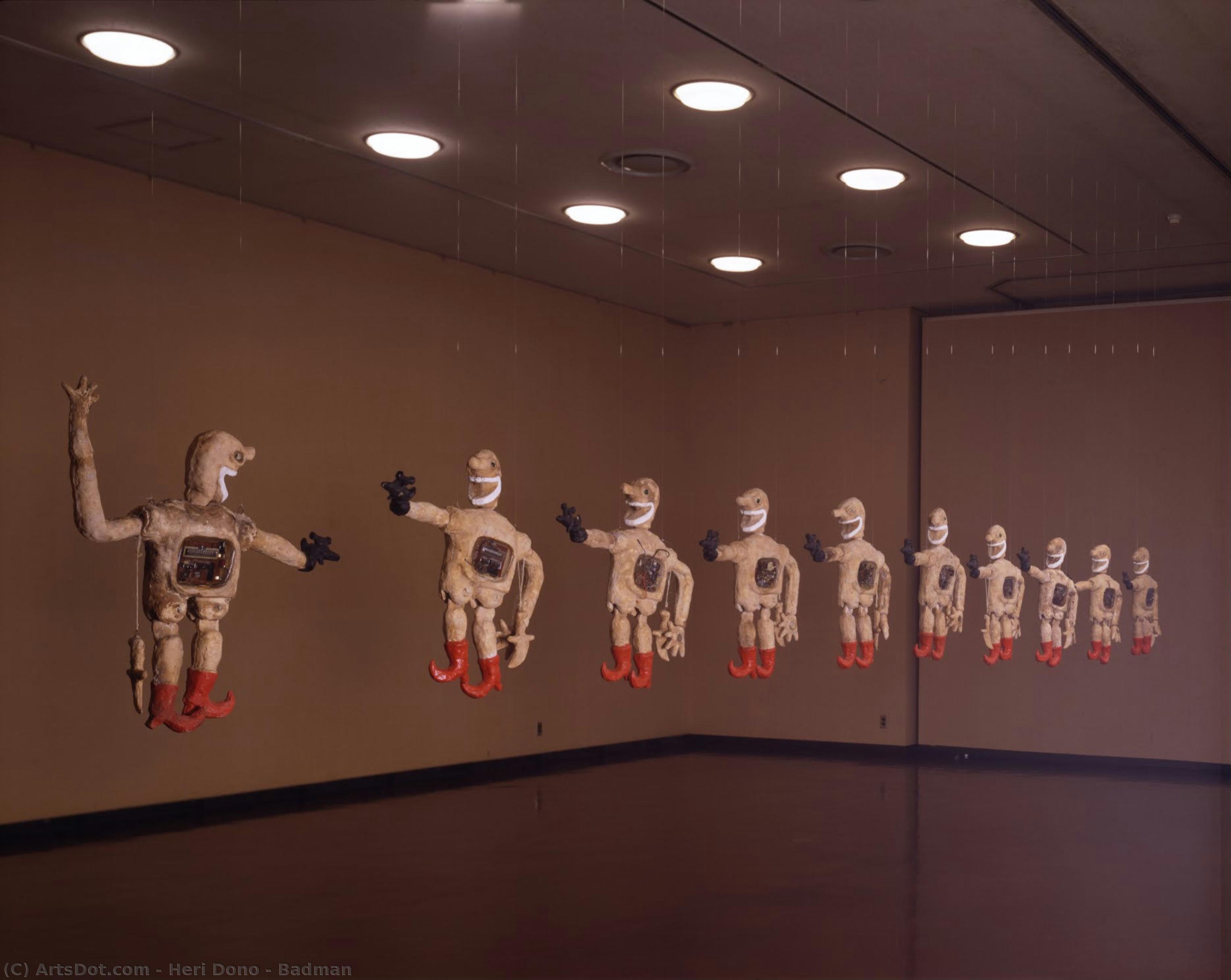
- Badman
 Preview
 Objednat reprodukci Koupit digitální obrázek
 Sdílet
 Sdílet
 Podrobnosti o díle
 Přidat do oblíbených

 Stáhnout
 Podobné položky
 Rentgenové snímky
 Slideshow
Badman
 Fiberglass
- Contemporary Art
 Contemporary
 64.0 x 58.0 cm
 Fukuoka Asian Art Museum
 Zobrazit více
Giclée / Umělecký tisk
Giclée nebo plátěný tisk muzeální kvality s rychlou výrobou a flexibilními možnostmi povrchové úpravy.




P118B $10

P118H $10

P118W $10

P438Z $10

P508JH $12

P508YH $12

P805H $10

P805Z $10

P919BZ $10

P919G $10

P919XJ $10

P959ZH $10

P968JZ $12

W106C $8

W218G $10

W218JH $8

W218Y $10

W307PJ $10

W316G $10

W316PJ $8

W316Y $10

W398PJ $8

W4111J $10

W500HY $15

W500JH $15

W692G $12

W849H $8

W940BG $15

W953PJ $8




Vyberte si z našich přednastavených velikostí, které odpovídají původním proporcím díla.

Můžete zadat vlastní rozměry tak, aby výtvor odpovídal konkrétnímu rámu nebo prostoru. Pokud zvolená velikost nebude odpovídat poměru stran původního obrazu, dílo buď ořížeme, nebo obraz rozšíříme pomocí zrcadlového efektu či jednobarevného okraje. Před zahájením výroby vám bude zaslán digitální náhled k schválení.
Mějte prosím na paměti, že náhled na obrazovce neodráží skutečné oříznutí nebo rozšíření. Pouze digitální náhled přesně zobrazí finální kompozici.
Ačkoliv jsou k dispozici i vlastní rozměry, pro zachování původních proporcí doporučujeme vybrat si rozměr z předdefinovaného seznamu.
Celosvětové doručení () do 2 týdnů namísto standardních 4/5 týdnů. (25 červenec)

Zdarma celosvětová expresní doprava

Vysoce kvalitní lněné plátno

Kompletní přepravní pojištění

Záruka vrácení celního poplatku

Záruka přesného barevného shodu

60denní lhůta pro vrácení zboží (pouze při vadách výroby)

100% garance vrácení peněz

Sleva při hromadné objednávce
 Skleněná varianta je dostupná pouze u rozměrů menších než 110 cm

Badman
Giclée / Umělecký tisk
Rozměry reprodukce
-


Celková cena za výběr
-
Popis sběratelského kousku
A Mechanical Symphony of Tradition and Satire
In the evocative realm of contemporary Indonesian art, few works capture the tension between ancient heritage and modern anxiety as poignantly as Heri Dono’s "Badman." This mesmerizing installation transcends the boundaries of traditional painting, presenting a kinetic world where the shadows of the past meet the cold, robotic pulse of the future. At first glance, the viewer is greeted by a troupe of figures—robotic, yet strangely soulful—suspended in a state of perpetual motion. These are not merely sculptures; they are characters in a silent, mechanical drama that reflects the artist's profound connection to wayang kulit, the traditional Javanese shadow puppetry. Through these fiberglass forms, Dono breathes life into a narrative that feels both deeply rooted in the soil of Yogyakarta and strikingly relevant to our globalized, technological age.
The technique employed in "Badman" is a masterclass in multidisciplinary innovation. By integrating electronic circuits with sculptural elements, Dono creates an immersive experience where movement becomes a language of its own. The figures, meticulously painted and arranged in a rhythmic row, possess a whimsical yet unsettling quality. Each robot, though part of a collective, carries a unique expression and pose, suggesting a fragmented society caught in the gears of progress. For the discerning collector or interior designer, this piece offers more than just visual interest; it provides a conversational centerpiece that challenges the stillness of a room, inviting onlookers to contemplate the delicate dance between organic tradition and synthetic innovation.
The Shadow of History and Social Critique
To understand "Badman," one must look through the lens of Indonesia’s complex sociopolitical landscape. Growing up in the shadow of the New Order authoritarian regime, Heri Dono learned to use the subtle language of puppetry to bypass censorship and deliver biting social critiques. In this work, the robotic figures serve as metaphors for the loss of individual agency within larger, often oppressive, systems. The "badman" of the title suggests a confrontation with the darker aspects of human nature and governance, yet the execution remains layered with a sense of playfulness and satire. It is this duality—the ability to be simultaneously playful and profound—that makes Dono’s work so enduringly captivating.
The emotional impact of the piece lies in its uncanny ability to evoke nostalgia and apprehension simultaneously. There is a haunting beauty in the way these mechanical puppets hang, reminiscent of the flickering shadows on a traditional wayang screen, yet their metallic, robotic nature speaks to the alienation of the modern era. For those seeking to adorn a space with art that possesses intellectual depth and emotional resonance, a high-quality reproduction of "Badman" offers an opportunity to bring this powerful dialogue into the home. It is a piece that does not merely decorate a wall; it invites a deeper reflection on where we have come from and the mechanical trajectories of where we are headed.
Biografie umělce
Heri Dono: Bridging Tradition and Innovation in Indonesian Art
Heri Dono (born June 12, 1960) stands as a pivotal figure in contemporary Indonesian art, recognized for his distinctive approach that seamlessly blends the rich heritage of Javanese folklore—particularly wayang kulit shadow puppetry—with influences from Western artistic movements and global cultural dialogues. His journey began amidst the vibrant intellectual landscape of Yogyakarta’s Indonesian Art Institute (ISI), where he honed his skills and established a foundational understanding of both traditional aesthetics and experimental techniques.
- Early Influences: Dono's formative years were marked by exposure to the artistic legacy of Indonesia’s masters, notably Sukarno’s collection at the Presidential Palace in Bogor. This early encounter instilled within him a profound appreciation for visual art and fueled his ambition to emulate the celebrated painters whose canvases adorned the palace walls.
- Formal Education: He pursued undergraduate studies in Painting at ISI Yogyakarta from 1980 to 1987, immersing himself in rigorous artistic training and developing a mastery of painting techniques that would underpin his subsequent creative endeavors.
- Exploration Beyond Painting: Recognizing the limitations of solely focusing on painting, Dono ventured into sculpture and installation art, experimenting with diverse materials—from reclaimed wood to found objects—to convey complex narratives and engage audiences in immersive experiences.
His artistic vision is characterized by a deliberate juxtaposition of seemingly disparate elements: traditional Indonesian motifs like wayang kulit figures and tau tau sculptures alongside references to Western pop culture, animation, and comics. This fusion reflects Dono’s belief that art should transcend cultural boundaries and challenge conventional perspectives on artistic expression.
- Wayang Kulit Inspiration: The profound influence of wayang kulit performances—characterized by storytelling, music, visual spectacle, and symbolic representation—is evident throughout his oeuvre. He seeks to capture the essence of these traditions while simultaneously incorporating multimedia elements to amplify their impact on viewers.
- Social Commentary: Dono’s artworks frequently grapple with pressing social issues, addressing themes of identity, displacement, and cultural preservation. His artistic practice serves as a conduit for critical reflection and encourages dialogue about societal concerns.
Throughout his prolific career spanning decades, Dono has garnered international acclaim, participating in numerous exhibitions and biennales across continents—from Asia Pacific Triennial to Venice Biennale—and securing prestigious awards recognizing his contributions to the art world. Notably, he was awarded the Dutch Prince Claus Award for Culture and Development in 1998, acknowledging his commitment to fostering intercultural understanding and promoting artistic innovation.
- Notable Exhibitions: Dono’s work has graced venues worldwide including Asia Pacific Triennial (1993 & 2000), Gwangju Biennale (1995 & 2006), Sydney Biennale (1996), Shanghai Biennale (2000), Venice Biennale (2003 & 2015), Sharjah Biennial (2005 & 2023), Guangzhou Triennale (2011), Kochi-Muziris Biennale (2018), Bangkok Art Biennale (2018), and Gangwon Kids Triennale (2020).
- Awards Recognition: He received UNESCO Prize in 2000, Indonesian Art Award by the Government of Republic of Indonesia (2014)
Heri Dono’s enduring legacy resides not only in his artistic output but also in his role as a champion of intercultural dialogue and a visionary artist who dared to reimagine art's capacity for social transformation. His distinctive style—characterized by bold colors, dynamic compositions, and evocative imagery—continues to inspire artists globally and solidify his position as one of Indonesia’s most influential contemporary voices.

heri dono
1960 - , Indonesia
Rychlé fakta
- Artistic Movement Or Style: Contemporary Installation Art
- Artists Or Movements Influenced By This Artist: ['Animism']
- Artists Who Influenced This Artist:
- Walt Disney
- Hanna-Barbera
- Date Of Birth: June 12, 1960
- Full Name: Heri Dono
- Nationality: Indonesian
- Notable Artworks:
- In the Fridge and Fire (Di dalam Kulkas dan..., 2009)
- A Small Dog With His Guardian (Seekor Anjing , 2015)
- Place Of Birth: Jakarta, Indonesia
Související články
Francis Bacon: Top 25 děl mistra expresionismu pro váš interiér | OriginalUniqueArt.com
Prozkoumejte top 25 děl Francis Bacona – mistra expresionismu. Objevíte jeho portréty, triptychy a emotivní malbu plnou temných barev. Reprodukce obrazů pro luxusní dekoraci interiéru na OriginalUniqueArt.com. Prohlédněte si celou kolekci online!
Gustav Klimt: Top 25 děl umění pro váš domov – Galerie OriginalUniqueArt
Prozkoumejte 25 ikonických děl Gustava Klimta! Objevte příběhy za Zlatou fází, Secesí a slavnými portréty. Luxusní reprodukce obrazů pro váš interiér na OriginalUniqueArt.com – inspirace a umění pro váš domov.

El Greco: 25 mistrovských děl pro váš interiér | OriginalUniqueArt.com
Prozkoumejte 25 ikonických děl El Greco – španělského mistra renesance a baroka. Obdivujte jeho duchovní malby, portréty a unikátní styl na OriginalUniqueArt.com. Reprodukce obrazů pro váš interiér.
Giotto di Bondone: Top 25 mistrovských děl renesance pro váš domov | OriginalUniqueArt.com
Objevte 25 ikonických děl Giotta di Bondone – průkopníka renesance! Prozkoumejte fresky, náboženské obrazy a mistrovská díla plná emocí. Najděte umělecké reprodukce pro váš interiér na OriginalUniqueArt.com.
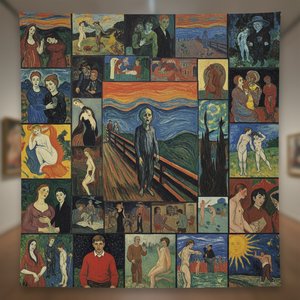
Edvard Munch: Top 25 děl mistra – Umění plné emocí pro váš domov | OriginalUniqueArt.com
Prozkoumejte top 25 děl Edvarda Muncha – od ikonického Skřeku po hluboké portréty. Objevte expresionistické mistrovské kousky, techniku a příběhy za nimi. Kvalitní reprodukce obrazů pro váš interiér na OriginalUniqueArt.com

