fauve
André derain (Henri Matisse)
Henri Matisse (1869–1954) vytvořil dílo André derain. Patří k hnutí fauve. Je vyrobeno z Acrylic On Canvas. Nachází se v Tate Modern v Londýn, Spojené království.
- Acrylic On Canvas
- Tate Modern, Londýn

 Náhled v interiéru

 Ručně malovaná olejná reprodukce
 Sdílet
 Sdílet
 Informační list


 Stáhnout
 Podobné položky
 Rentgenové snímky
 Slideshow
 Otázky a odpovědi

 Statistiky
André derain v kostce
- Název díla
- André derain
- Autor
- Henri Matisse (1869–1954)
- Rok narození umělce
- Le Cateau-Cambrésis, Francie
- Technika
- Acrylic On Canvas
- Kde jej vidět
- Tate Modern, Londýn, Spojené království
- Pohyb
- fauve
- Motiv
- portrait, man, beard, turban, red color, scarf
Co przedstawuje dílo André derain?
A Symphony of Color: Exploring Henri Matisse’s André Derain
André Derain's portrait, “André Derain,” stands as a testament to Matisse’s revolutionary approach to painting—a bold declaration that color could transcend mere representation and become the very essence of artistic expression. Painted sometime between 1908 and 1910 during Matisse’s formative years in Montmartre, this monumental canvas embodies the spirit of Fauvist art, a movement that fiercely rejected academic conventions and championed unrestrained chromatic intensity.- Subject Matter & Composition: The painting depicts André Derain himself—a fellow artist and influential figure within Matisse’s circle—seated in repose. His gaze downward conveys a contemplative mood, hinting at introspection amidst the vibrant surroundings. The deliberate framing of Derain's face against a textured background emphasizes his presence while simultaneously inviting viewers to consider the broader implications of artistic vision.
- Style & Technique: Matisse’s Fauvist style is immediately recognizable through its audacious use of color—a daring departure from Impressionism’s subtle gradations. Bold swathes of crimson and scarlet dominate the turban, creating a visual focal point that commands attention. Complementary hues of yellow and orange illuminate Derain's skin tone, enhancing his luminosity and contributing to the painting’s overall dynamism. Matisse employed loose brushstrokes—a technique characteristic of Fauvist painters—to achieve an expressive surface texture that captures movement and emotion.
Historical Context: The Dawn of Modern Art
The early 1900s witnessed a seismic shift in artistic sensibilities, fueled by advancements in science and psychology. Artists like Matisse were grappling with new understandings of perception and emotion, rejecting the idealized depictions favored by previous generations. Fauvism arose as a reaction against the perceived limitations of Impressionism, arguing that color should be prioritized over accurate representation—a belief rooted in theories about the role of color in influencing human consciousness. The painting’s creation coincided with Matisse's engagement with Symbolist ideas, particularly concerning the expressive power of imagery and its ability to convey deeper meanings.- Symbolism & Emotional Impact: Beyond its formal qualities, “André Derain” resonates with symbolic significance. The turban—a garment traditionally associated with royalty and spirituality—represents Derain’s artistic ambition and intellectual curiosity. The scarlet hue amplifies the painting's emotional intensity, conveying a sense of passion and conviction. Matisse’s masterful manipulation of color evokes feelings of serenity and contemplation alongside an underlying current of energy—reflecting both the artist’s personal state of mind and the broader cultural anxieties of the period.
A Legacy of Bold Color
“André Derain” remains a cornerstone of Matisse's oeuvre and exemplifies his unwavering commitment to artistic innovation. Its influence extends far beyond its immediate stylistic context, inspiring subsequent generations of painters to embrace color as a primary vehicle for conveying emotion and exploring the complexities of human experience. Reproductions of this captivating artwork offer collectors and interior designers alike an opportunity to immerse themselves in the brilliance of Fauvist art—a celebration of visual vibrancy that continues to captivate audiences today.Ve kterém muzeu se nachází André derain?
Tate Modern
Londýn, Spojené království
The History and Origins of Tate Modern The presence of Tate Modern in London, United Kingdom, is rooted in the industrial history of the Southwark skyline. The site was originally occupied by the Bankside Power Station, a structure that functioned for three decades before its eventual decommissioning. Economic shifts, specifically oil price hikes, led to the station being shut down on 31 October 1981.


Vysokorozlišené fotografie díla André derain
Henri Matisse, André derain, Tate Modern. Veřejná doména
Odpovědi na otázky k dílu André derain
Které muzeum uchovává originál díla "André derain"?
Originál díla „André derain“ si můžete prohlédnout v instituci Tate Modern, Londýn, Spojené království.
Jakou technikou je vytvořeno dílo "André derain"?
„André derain“ je dílo vytvořené v technice Acrylic On Canvas.
Jaká témata se objevují v díle „André derain“ od Henri Matisse?
„André derain“ od Henri Matisse zobrazuje: portrait, man, beard, turban, red color, scarf, composition.
Je dílo „André derain“ volné z autorských práv?
Stav autorských práv pro dílo „André derain“ od Henri Matisse: toto dílo spadá do v rámci volného užití – autorská práva vypršela. To určuje, zda lze volně vytvářet reprodukce tohoto obrazu.
Kdo vytvořil "André derain"?
Dílo "André derain" se připisuje autorovi Henri Matisse.
K kterému uměleckému směru patří „André derain“ od Henri Matisse?
„André derain“ je dílo z období fauve. Tento směr představuje uměleckou tradici, jejíž je dílo součástí.
Do jaké fáze tvůrčího rozvoje Henri Matisse patří dílo „André derain“?
„André derain“ představuje období mature umělce Henri Matisse.
Jak lze vysvětlit situaci s autorskými právy u díla „André derain“ od Henri Matisse?
Autorskoprávní status díla „André derain“ – v rámci volného užití – autorská práva vypršela – vyplývá ze smrti umělce v roce 1954.
Nachází se dílo "André derain" v zemi svého autora?
Ne – dílo se nachází v zahraničí. Rodimá země Henri Matisse je Francie, zatímco muzeum, které uchovává originál díla „André derain“, se nachází v zemi Spojené království.
O umělci, Henri Matisse
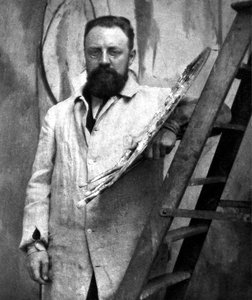
1869–1954, Francie
Henri Matisse
Raný život Henri Matisse Henri Matisse se narodil 31. prosince 1869 v malém tkáčovství na ulici rue du Chêne Arnaud. Tento skromný domeček v Le Cateau-Cambrésis ve Francii se stal počátkem cesty, která ho nesoudně vzdálila od klidu departementu Nord. Jako nejstarší syn bohatého obchodníka s obilím bylම narozen do rodiny, jejíž život byl spjat s nehybným a praktickým obchodem s plodami země.
Také od autora Henri Matisse
 Tanec (II)1910
 Žena s čepcem1905
 Radost ze života (Le bonheur de vivre)1906
 Harmonie v červené barvě1908
Eseje k tématu André derain
 Masterpieces of Color: The Top 25 Henri Matisse ArtworksImmerse yourself in the vibrant world of Henri Matisse. Explore our curated list of 25 iconic Fauvist masterpieces, from bold oil paintings…
 André Derain: Fauvism's Bold Visionary & the Evolution of Modern ColorExplore the revolutionary art of André Derain, co-founder of Fauvism. Discover his bold use of color, evolution from radical expressionism …
 Fauvism and Cubism: Distinguishing Color Revolution from Spatial AnalysisMaster the core differences between Fauvism and Cubism through expert analysis. Discover how color and space redefined modern art today.