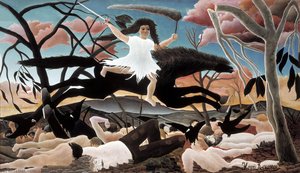
Náhled v interiéru
 Sdílet
 Sdílet
 Podrobnosti o díle
 Průvodce

 Stáhnout
 Podobné položky
 Rentgenové snímky
 Slideshow
 Otázky a odpovědi
 Statistiky
Carnival Evening

- 117.0 x 90.0 cm


 Zobrazit více
Giclée / Umělecký tisk
Giclée nebo plátěný tisk muzeální kvality s rychlou výrobou a širokou nabídkou povrchových úprav. ( Koupit ručně malovaný obraz Přepnout na digitální obraz)




P118B Kč10

P118H Kč10

P118W Kč10

P438Z Kč10

P508JH Kč12

P508YH Kč12

P805H Kč10

P805Z Kč10

P919BZ Kč10

P919G Kč10

P919XJ Kč10

P959ZH Kč10

P968JZ Kč12

W106C Kč8

W218G Kč10

W218JH Kč8

W218Y Kč10

W307PJ Kč10

W316G Kč10

W316PJ Kč8

W316Y Kč10

W398PJ Kč8

W4111J Kč10

W500HY Kč15

W500JH Kč15

W692G Kč12

W849H Kč8

W940BG Kč15

W953PJ Kč8




Vyberte si z našich přednastavených velikostí, které odpovídají původním proporcím díla.

Zadejte šířku a výšku, které potřebujete pro váš rám nebo stěnu. Tisk lze pouze oříznout, nikdy však nelze zvětšit obraz nad jeho původní rozměr, proto při výběru jiného formátu dochází ke ztrátě části obrazu. Před samotným tiskem vám zašleme digitální náhled k schválení. Obraz zobrazený na této stránce nenabízí skutečný výřez — ten uvidíte pouze v náhledu.
Celosvětové doručení () do 2 týdnů namísto standardních 4/5 týdnů. (8 listopad)

Zdarma celosvětová expresní doprava

Vysoce kvalitní lněné plátno

Kompletní pojištění přepravy

Záruka vrácení celního poplatku

Záruka věrného barevného souladu

100dení lhůta pro vrácení zboží (pouze při vadách výroby)

100% záruka vrácení peněz

Sleva při více objednávkách
 Skleněná varianta je dostupná pouze u rozměrů menších než 110 cm

Carnival Evening
Giclée / Umělecký tisk
Rozměry reprodukce
-


Celková cena za vybrané možnosti reprodukcí
Kč 1763
Henri Rousseau: A Carnival Evening – An Invitation to Dream
Henri Rousseau’s “A Carnival Evening,” painted in 1885, transcends mere visual representation; it's an immersive experience into a realm where reality intertwines with fantastical imagination. Currently residing at the Philadelphia Museum of Art, this artwork immediately captivates viewers with its unsettling beauty and profound contemplation on themes of desire, escape, and the complexities inherent within human existence. Rousseau’s masterful approach to Naïve art distinguishes it from academic conventions, prioritizing emotional resonance over meticulous detail—a deliberate choice that speaks volumes about his artistic vision.The Allure of Naïve Art & Rousseau's Unique Vision
Rousseau rejected formal training at the École nationale supérieure des Beaux-Arts, opting instead for a self-taught method characterized by striking precision in depicting foliage and fabric textures. This wasn’t a deficiency of skill but rather an intentional rebellion against established artistic norms—a conscious decision to perceive and portray the world through a lens unbound by convention. The resulting image is imbued with a captivating tension between its surreal elements and Rousseau's meticulous rendering, creating a visual paradox that invites prolonged observation and interpretation. He sought to capture not what he *saw*, but what his subconscious mind *felt*.Decoding the Symbolic Landscape
Upon initial viewing, one observes a couple strolling along a path through a dense forest under the watchful gaze of a luminous moon. However, beneath this seemingly straightforward depiction lies a rich tapestry of symbolism. Dominating the scene is a hot air balloon—a potent emblem representing aspiration, liberation from earthly constraints, or perhaps a detachment from tangible reality itself. Conversely, the dark and imposing forest embodies the unknown, the subconscious mind, and potentially, feelings of isolation. The moon’s gentle radiance amplifies the painting's enigmatic atmosphere, fostering contemplation on timeless themes of intuition and feminine energy—elements central to Rousseau’s artistic intent.Technique & Emotional Impact
Executed in oil paint on canvas, “A Carnival Evening” showcases Rousseau’s distinctive technique: flattened perspective combined with meticulous detail. The artist deliberately eschewed traditional shading methods, prioritizing color and texture to convey emotion rather than strict realism. This stylistic choice contributes significantly to the painting's dreamlike quality—a deliberate departure from academic conventions that prioritizes accuracy over feeling. The resulting image evokes a palpable sense of melancholy and wonder, prompting viewers to consider questions about human vulnerability and the allure of unexplored territories – mirroring Rousseau’s own fascination with the primal forces of nature and the subconscious mind.Historical Context & Legacy
Painted during the Impressionist era, “A Carnival Evening” aligns itself with the broader movement's exploration of subjective experience and emotional truth—a reaction against the rigid formalism of academic art. Rousseau’s embrace of Naïve art positioned him as a pioneer in challenging artistic conventions and prioritizing intuition over technical mastery. His influence extends beyond his own lifetime, inspiring subsequent artists to delve into dreamlike imagery and explore the expressive potential of simplified forms – cementing “A Carnival Evening”'s place as an enduring masterpiece of Symbolism and Primitivism.Otázky a odpovědi
Jakou atmosféru vyzařuje dílo "Carnival Evening"?
Dílo „Carnival Evening“ od Henri Emilien Rousseau je v náladě popsáno jako Mystický. Tato klasifikace může pomoci při zařazení díla do konkrétního prostředí.
Z jakého materiálu je dílo "Carnival Evening" vyrobeno a v jakém je stylu?
„Carnival Evening“ od Henri Emilien Rousseau kombinuje techniku Olej na plátně s uměleckým směrem Naive Surrealism. Technika a směr definují způsob vzniku i styl tohoto díla.
Jakou technickou quite byla dílo "Carnival Evening" vytvořeno a jaká je jeho velikost?
Originální dílo „Carnival Evening“ od Henri Emilien Rousseau je práce typu Olej na plátně o rozměrech 117 x 90 cm. Technika a velikost popisují originální objekt.
Biografie umělce
Henri Emile Rousseau (1875 – 1933): The Enchanted Vision of Primitive Beauty
Henri Emile Rousseau, born in Lyon, France, in 1875, defied the conventions of Impressionism and Post-Impressionism to forge a singular artistic path—one characterized by an uncompromising embrace of Naïve Art. His canvases depict fantastical landscapes populated by animals and humans rendered with childlike simplicity and vibrant color palettes, transporting viewers into dreamlike realms brimming with symbolic resonance. Rousseau’s upbringing in a working-class family instilled in him a deep appreciation for the natural world and folklore, influences that would profoundly shape his artistic vision. Despite facing considerable skepticism from critics of his time—who dismissed his style as amateurish—Rousseau persevered, establishing himself as one of France's most distinctive painters and securing a place among the pioneers of Modern Art.- Early Life & Artistic Beginnings: Rousseau’s formal artistic training was minimal; he largely self-taught, honing his skills through sketching outdoors and studying prints. He initially pursued commercial illustration work to support himself, but his passion for painting remained unwavering.
- The Influence of Primitive Art: Rousseau's fascination with African masks and tribal art—particularly those collected by Alexandre Cabanel—served as a catalyst for his stylistic evolution. These artworks captivated him with their bold colors, stylized forms, and rejection of academic realism, inspiring him to abandon traditional techniques in favor of a more direct and expressive approach.
- Key Paintings & Artistic Style: Rousseau’s oeuvre is dominated by monumental landscapes infused with mythological elements and populated by animals imbued with spiritual significance. Notable works include “The Sleeping Venus” (1890), “The Promised Land” (1893), “The Concert” (1897), and “The Shepherdess,” which exemplifies his signature style—characterized by flattened perspectives, luminous colors, and a deliberate blurring of outlines.
- Recognition & Legacy: Despite initial rejection by the Parisian avant-garde, Rousseau gained recognition in 1905 thanks to the patronage of Ambroise Vollard, who championed his work and secured exhibitions at Galerie Bernheim-Jeune. His paintings gradually attracted admirers among artists like Picasso and Matisse, cementing his reputation as a visionary artist whose uncompromising vision anticipated Surrealism.
- Death & Enduring Influence: Rousseau died in Étampes in 1933, leaving behind a legacy of approximately 800 paintings—a remarkable achievement considering his unconventional methods. His distinctive Naïve Art style continues to inspire artists today, demonstrating the enduring power of imagination and the beauty found in unfiltered observation.
Exploring Rousseau’s Palette & Technique
Rousseau's artistic technique was remarkably simple yet profoundly effective. He eschewed meticulous detail, opting instead for bold brushstrokes and vibrant hues—often achieved through layering thin glazes of color onto a toned ground. This method allowed him to capture the essence of his subjects with remarkable immediacy and luminosity, conveying emotion and atmosphere as much as visual representation. His use of complementary colors—such as reds and greens—created striking contrasts that heightened the dramatic impact of his compositions. Furthermore, Rousseau’s deliberate flattening of perspective—a technique borrowed from African art—reinforced the dreamlike quality of his landscapes and contributed to their captivating allure.
Henri Emilien Rousseau
1875 - 1933
Rychlé informace o umělci
- Full Name: Henri Émile Rousseau
- Nationality: French
- Date Of Birth: 1875
- Date Of Death: 1933
- Place Of Birth: Nancy, France
- Notable Artworks:
- A Carnival Evening
- War or The Ride of Discord
- Fantasia de mariage
- Artistic Movement Or Style: Naive Art
- Artists Who Influenced This Artist:
- Gustave Moreau
- Pierre Puvis de Chavannes
- Artists Or Movements Influenced By This Artist: ['Symbolism']
Související články

Naive Art Unveiled: The Charming Beauty of Simple Masterpieces
Discover the enchanting world of Naive Art. Explore the profound beauty of self-taught masters like Henri Rousseau through an art-history lens, uncovering how simple forms and vibrant colors create timeless, soulful masterpieces for the discerning collector.
Henri Rousseau: Primitivism, Paradox & Subversion of Academic Tradition
Explore the captivating world of Henri Rousseau, the celebrated Naïve artist who challenged academic traditions with his unique jungle scenes & dreamlike symbolism. Discover his lasting influence on modern art and collecting today.

The Untamed Vision: Exploring Naïve Art & Primitivism's Rejection of Convention
Explore the revolutionary world of Naïve Art & Primitivism! Discover how artists challenged academic traditions with raw emotion & unique styles. Learn about Picasso, Rousseau & more at OriginalUniqueArt.
Top 10 děl Fauvismu: Umělecké mistrovské kousky a inspirace pro váš interiér
Prozkoumejte 10 ikonických děl fauvismu od Matisse, Deraina a dalších. Objevte příběhy za expresionistickými barvami a revolučním uměleckým stylem. Najděte inspiraci pro váš interiér s reprodukcemi nejvyšší kvality na OriginalUniqueArt.com.

Henri Matisse: Top 25 děl mistra barev a dekorace pro váš domov | OriginalUniqueArt.com
Prozkoumejte 25 ikonických děl Henri Matisse – mistra barev a fauvismu. Objevte příběhy za slavnými obrazy, techniky a inspiraci pro váš interiér. Reprodukce obrazů nejvyšší kvality na OriginalUniqueArt.com.