
 Náhled
 Sdílet
 Sdílet
 Podrobnosti o díle

 Stáhnout
 Podobné položky
 Rentgenové snímky
 Slideshow
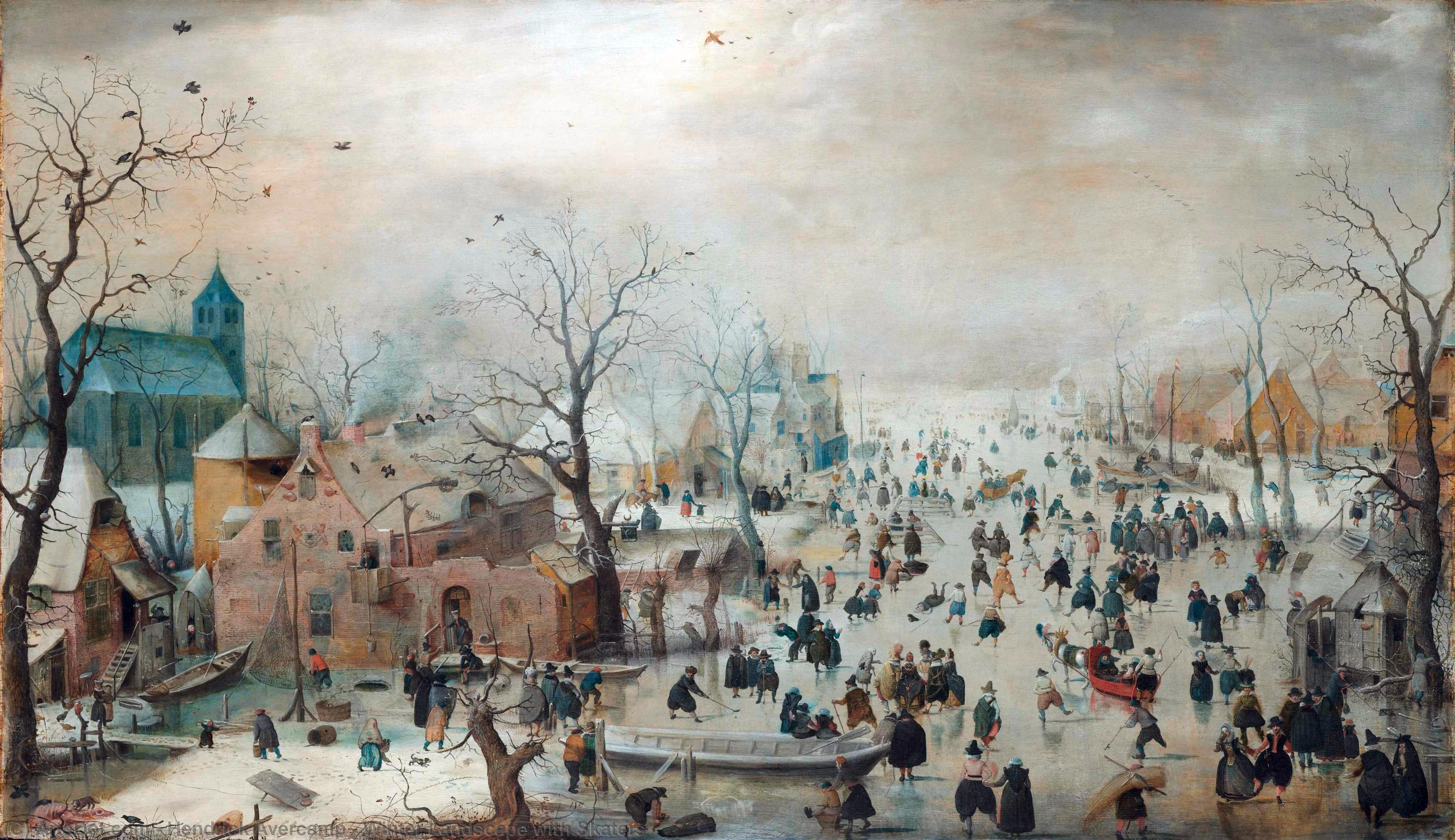
Winter Landscape with Skaters
 Oil On Panel
- Dutch Golden Age
 1608
1608- Early Modern
 78.0 x 132.0 cm
 Rijksmuseum
 Zobrazit více
Ručně malovaná olejová reprodukce
Ručně malovaná olejná barva na plátně ve vašem zvoleném rozměru i s rámem, vyrobená našimi umělci na zakázku. ( Koupit tisk Koupit obrázek)




P118B $10

P118H $10

P118W $10

P438Z $10

P508JH $12

P508YH $12

P805H $10

P805Z $10

P919BZ $10

P919G $10

P919XJ $10

P959ZH $10

P968JZ $12

W106C $8

W218G $10

W218JH $8

W218Y $10

W307PJ $10

W316G $10

W316PJ $8

W316Y $10

W398PJ $8

W4111J $10

W500HY $15

W500JH $15

W692G $12

W849H $8

W940BG $15

W953PJ $8




Vyberte si z našich přednastavených velikostí, které odpovídají původním proporcím díla.

Můžete zadat vlastní rozměry pro konkrétní rám nebo prostor. Pokud se vámi vybraná velikost neshoduje s proporcemi původního obrazu, dílo buď ořízneme, nebo jej doplníme ručně malovanými prvky. Před zahájením výroby vám bude zaslán digitální náhled ke schválení.
Upozorňujeme, že náhled na obrazovce neodpovídá skutečnému ořezu ani rozšíření. Pouze digitální náhled přesně zobrazí finální kompozici.
Ačkoliv je možné zvolit vlastní velikost, pro zachování původních proporcí doporučujeme vybrat rozměr z předdefinovaného seznamu.
Po přijetí objednávky vám tým OriginalUniqueArt.com zašle e-mail s pokyny a poskytne náhledovou verzi.
Celosvětová doprava () za 3–4 týdny namísto standardních 5 týdnů. (18 srpen). Bez kompromisů v kvalitě.

Zdarma celosvětová expresní doprava

Vysoce kvalitní lněné plátno

Kompletní přepravní pojištění

Záruka vrácení celního poplatku

Záruka přesného barevného shodu

60denní lhůta pro vrácení zboží (pouze při vadách výroby)

100% garance vrácení peněz

Sleva při hromadné objednávce
 Skleněná varianta je dostupná pouze u rozměrů menších než 110 cm

Winter Landscape with Skaters
Technika reprodukce
Rozměry reprodukce
-


Celková cena za výběr
$ 650
Popis díla
A Frozen Tapestry of Dutch Life
To gaze upon this depiction of a winter landscape with skaters is to step directly into the heart of the Dutch Golden Age, where everyday life was elevated to the status of high art. This panoramic scene captures more than just ice beneath skates; it encapsulates a vibrant moment of community resilience against the stark beauty of winter. The composition unfolds across a vast, frozen expanse, drawing the viewer deep into a world rendered with meticulous care. From the clustered architecture anchoring the left side to the distant, hazy horizon, every element contributes to a profound sense of depth and lived experience. It is a celebration of human activity—the joy of movement, the warmth of gathering—set against the cool, breathtaking canvas of nature.
Mastery in Cool Tones and Detail
The technical brilliance of this piece lies in its masterful handling of light and atmosphere. The palette is dominated by the serene, muted tones of grays, whites, and blues, perfectly evoking an overcast winter day where the light diffuses softly across the ice. Yet, these cool washes are given life by warm accents—the deep browns of timber buildings and the rich colors glimpsed in passing garments. Hendrick Avercamp, the hand that painted this scene, employed a technique characterized by fine, almost delicate brushwork. One can almost feel the difference between the slick smoothness of the ice underfoot and the rough texture of accumulated snowdrifts. The artist’s ability to render these varied textures, coupled with the sophisticated use of linear and atmospheric perspective, gives the entire scene an astonishing, believable depth.
The Spirit of the Dutch Genre Scene
Historically, this work situates itself within the tradition of the Dutch genre scene, a period fascinated by documenting the quotidian rhythms of life. Avercamp, known for his intimate portrayals of winter, gifted us a window into a specific cultural moment. The presence of skaters, horse riders, and casually strolling figures speaks to a society that found profound pleasure in communal recreation, even when nature imposed its chill grip. Symbolically, the scene suggests both the transient beauty of the season—the fleeting joy before spring—and the enduring spirit of human connection. It is an ode to community, captured at the peak of seasonal delight.
Bringing Winter's Charm Home
For those seeking to infuse a space with the quiet drama and rich narrative of historical art, this reproduction offers unparalleled depth. The scale of 78 x 132 cm allows the full sweep of Avercamp’s vision—the vastness of the ice meeting the solidity of the town—to be appreciated fully. Whether placed in a grand hall or a thoughtfully curated living space, it serves as an immediate focal point, inviting conversation and contemplation. Owning this piece is not merely acquiring art; it is curating a mood—a sophisticated blend of nostalgic warmth against a backdrop of cool, timeless elegance.
Biografie umělce
Hendrick Avercamp (1585-1634) - A Pioneer of Dutch Winter
Hendrick Avercamp, a name synonymous with the shimmering, frozen landscapes of the Dutch Golden Age, was born in Amsterdam on January 27, 1585. His life story is as intriguing as his art—a tale marked by both artistic innovation and personal circumstance. From an early age, it became apparent that Avercamp lived within a world experienced differently than most; he was mute, and likely deaf, earning him the affectionate yet defining moniker “de Stomme van Kampen” – the Mute of Kampen. This perceived limitation, however, did not stifle his artistic voice but perhaps sharpened his observational skills, allowing him to translate the nuances of the Dutch winter onto canvas with unparalleled clarity and charm. He initially studied in Amsterdam under Pieter Isaacsz, a portrait painter, and possibly also received guidance from David Vinckboons, whose influence can be seen in Avercamp’s early works. In 1608, he relocated to Kampen, where he would spend the majority of his life and establish himself as a unique and celebrated artist.Capturing a Frozen World: Artistic Style and Innovation
Avercamp stands out as one of the first dedicated landscape painters in 17th-century Holland, a period traditionally dominated by portraiture, history painting, and still life. He carved his niche by specializing in winter scenes—a subject rarely explored with such consistent focus before him. His paintings aren’t merely depictions of cold weather; they are vibrant snapshots of Dutch life unfolding on the ice. Figures skate, sled, play *kolf* (a form of golf played on ice), and simply enjoy the frozen waterways, creating a lively tapestry of human activity against the stark beauty of the winter landscape. Avercamp's skill lies in his ability to convey both the chill of the season and the warmth of communal enjoyment. He masterfully employed aerial perspective, subtly shifting colors and details to create a convincing sense of depth, drawing the viewer into these icy worlds. His technique often involved applying watercolor washes over pen and ink drawings, creating delicate and luminous effects. These smaller works were frequently sold as finished pieces intended for inclusion in collectors’ albums—a testament to their intimate scale and appeal.Influences and Development: From Bruegel to Dutch Realism
While Avercamp forged his own distinctive style, he wasn't working in a vacuum. The influence of Flemish masters like Pieter Bruegel the Elder is evident in his early compositions—the bustling scenes filled with numerous figures engaged in everyday activities. However, Avercamp moved beyond mere imitation, developing a uniquely Dutch sensibility characterized by meticulous detail and a keen observation of light and atmosphere. He embraced the growing trend towards realism within Dutch painting, accurately portraying the clothing, tools, and customs of his time. His work also reflects the climatic conditions of the Little Ice Age, a period of unusually cold winters in Europe, which undoubtedly fueled his fascination with frozen landscapes. Unlike some contemporaries who might idealize their subjects, Avercamp presented a realistic—and often humorous—view of life, including playful details that hint at human foibles and everyday occurrences.Legacy and Historical Significance
Hendrick Avercamp’s impact on Dutch painting is considerable. He not only popularized the winter landscape as a legitimate subject for artistic exploration but also helped to define a distinctly Dutch approach to landscape painting—one that emphasized realism, atmospheric effects, and the depiction of everyday life. His work provided inspiration for later generations of artists and continues to captivate audiences today. Notable collections showcasing his artistry include the Rijksmuseum in Amsterdam, which holds a significant number of his paintings, and the Mauritshuis in The Hague. Avercamp’s legacy extends beyond his artistic achievements; he represents a triumph over adversity, demonstrating that creative expression can flourish even in the face of personal challenges. He died in Kampen on May 15, 1634, leaving behind a body of work that continues to offer a window into the vibrant and often-overlooked world of 17th-century Holland—a world frozen in time, yet brimming with life. ## Notable Works- Winter Landscape with Skaters: Perhaps his most iconic work, this painting exemplifies Avercamp’s mastery of capturing the energy and atmosphere of a Dutch winter scene.
- Street in Delfi: A rare example of Avercamp venturing beyond landscapes, showcasing his skill in depicting town life.
- Enjoying the Ice near a Town: Demonstrates his ability to create dynamic compositions filled with numerous figures engaged in various activities.

Hendrik Avercamp
1585 - 1634 , Nizozemsko
Rychlé fakta
- Artistic Movement Or Style: Dutch Golden Age malířství
- Artists Or Movements Influenced By This Artist: ['Pieter Bruegel']
- Artists Who Influenced This Artist:
- Gillis van Coninxloo
- Jan van Goyen
- Date Of Birth: 1585
- Full Name: Hendrick Avercamp
- Nationality: Nizozemský
- Notable Artworks:
- Zimní krajina s bruslaři
- Ulice Delfí
- Place Of Birth: Amsterdam, Nizozemsko
Související články

Golden Light & Dutch Skies: The Timeless Magic of Dutch Golden Age Landscapes
Discover the breathtaking beauty of Dutch Golden Age landscapes. Explore the mastery of light, chiaroscuro, and 17th-century realism through an expert art history lens, celebrating the enduring legacy of the Dutch Masters for discerning collectors and art lovers.

Zlatý věk nizozemského malířství: 10 mistrovských děl pro váš domov | OriginalUniqueArt.com
Prozkoumejte 10 ikonických děl nizozemského zlatého věku – Rembrandt, Vermeer a další mistři. Objevte příběhy za obrazy, techniky a inspiraci pro váš interiér s reprodukcemi nejvyšší kvality na OriginalUniqueArt.com.
Charles Leickert: Capturing the Dutch Golden Age Light – A Comprehensive Study of Technique, Context, and Legacy
Explore the captivating winter landscapes of Charles Leickert, a master of Dutch Golden Age light & atmosphere. Discover his techniques, symbolism, and lasting legacy – a comprehensive study for art enthusiasts and collectors.

Golden Light & Dutch Skies: Bringing the Magic of Dutch Golden Age Landscapes into Your Home
Transform your home with the breathtaking light of Dutch Golden Age landscapes. Discover how hand-painted oil reproductions of masterworks like Ruisdael and Vermeer bring timeless elegance, atmosphere, and soulful texture to modern interiors. Elevate your space with museum-quality art.
Nicolaes Berchem: Dutch Golden Age Pastoralism & the Evolution of Landscape Painting
Explore the captivating world of Nicolaes Berchem, a leading Dutch Golden Age painter. Discover his idyllic landscapes, masterful technique & lasting influence on art history. Learn more at OriginalUniqueArt.



