
 Náhled
 Sdílet
 Sdílet
 Podrobnosti o díle

 Stáhnout
 Podobné položky
 Rentgenové snímky
 Slideshow
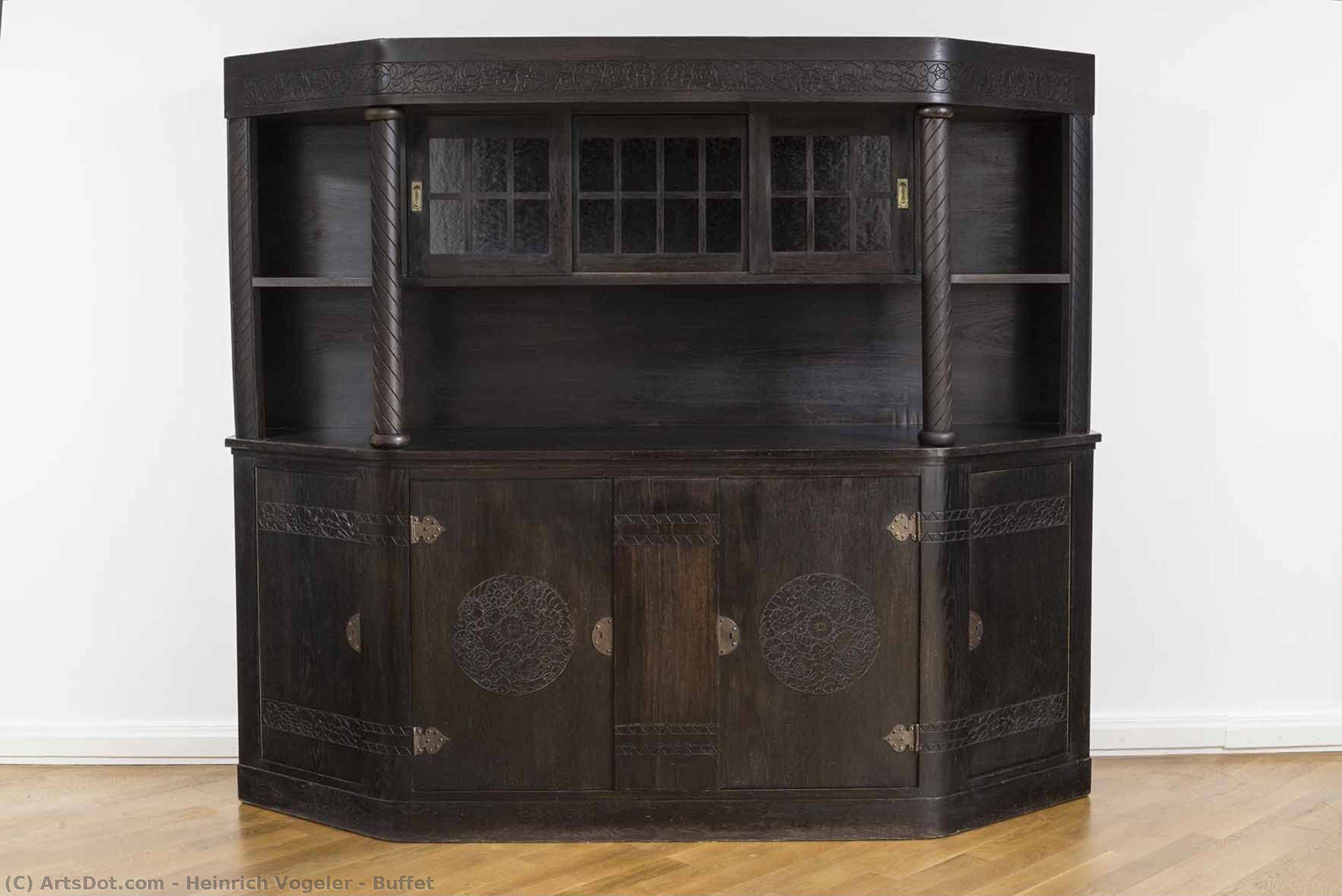
Buffet


 Zobrazit více
Koupě vysoce rozlišeného, vylepšeného digitálního obrazu, který je mnohem kvalitnější než online náhled.
Každý soubor je pečlivě připraven našimi odborníky pomocí pokročilých nástrojů a expertní manuální retuše. Zajišťujeme, aby každý obraz disponoval výjimečnou ostrostí, přesnou barevnou věrností a jemnými detaily.
Finální soubor vám bude do 72 hodin zaslán e-mailem, optimalizovaný pro okamžité použití v profesionálním, redakčním i tiskovém prostředí. Nabízíme stejnou kvalitu, které důvěřují špičková designová studia, nakladatelství i galerie.
Digitální obrazy
Stáhněte si soubor ve vysokém rozlišení pro osobní prohlížení, tisk a kreativní projekty. ( Přepnout na tisk Přepnout na ručně malovanou reprodukci)
Součást každé objednávky digitálního obrazu
Profesionální digitální doručení, zaručeno.
Když si vyberete OriginalUniqueArt.com, nezískáváte pouze obrázek – získáváte digitální umělecké dílo s profesionálně vylepšenými detaily, zpracované s precizností a podpořené zárukou za spokojenost. Zde je vše, co vaše objednávka automaticky obsahuje:

Rychlé doručení e-mailem
Váš digitální obraz ve vysokém rozlišení vám bude zaslán e-mailem do 72 hodin od objednávky – připraven k okamžitému použití.

Digitální soubor s využitím AI
Vaše umělecké dílo je profesionálně optimalizováno pomocí pokročilých nástrojů umělé inteligence a manuální úpravy, což zajišťuje maximální úroveň detailu, ostrosti a přesnosti barev.

Bezplatné doživotní znovuodeslání
Soubor jste omylem smazali nebo ztratili? Žádný problém – kdykoliv vám ho znovu zašleme zcela zdarma.

Bez poplatků za dovoz – navždy
Užijte si své umělecké dílo okamžitě bez celních poplatků, daní nebo nákladů na dopravu – digitální stažení je vždy bez daňových povinností.

Záruka přesnosti barev
Pomocí profesionálních nástrojů a správy barev zajišťujeme, aby váš digitální obraz odrážel původní barvy co nejvěrněji.

60denní záruka spokojenosti
Pokud nebudete s digitální fotografií spokojeni, provedeme její revizi nebo vám vrátíme 100% během 60 dnů – bez jakýchkoliv dotazů.

100% záruka vrácení peněz
Nespokojeni? Získejte plnou částku zpět do 60 dní od přijetí vašeho digitálního souboru – bez jakýchkoliv dotazů.

Slevy při hromadných objednávkách
Koupěte si 3 obrazy, ušetřete 10% - Koupěte si 5, ušetřete 15% - Koupěte si 10+, ušetřete 20%. Ideální pro kreativní projekty, galerie a agentury.
Biografie umělce
Heinrich Vogeler: Bridging Romantic Idealism and Socialist Engagement
Heinrich Vogeler (1872-1942) stands as a pivotal figure in German art history, embodying the spirit of the Düsseldorf School and profoundly impacted by the burgeoning Worpswede colony. Born in Bremen, his artistic journey unfolded against the backdrop of shifting cultural currents—from early romantic landscapes to later socially conscious paintings reflecting his unwavering commitment to communist ideals—establishing him as an artist deeply attuned to both aesthetic beauty and ethical responsibility. His formative years were marked by rigorous academic training at the Kunstakademie Düsseldorf (1890–95), where he honed his skills alongside contemporaries like Erich Heckel and Wilhelm Wagenfeld, absorbing the stylistic innovations of Impressionism and Post-Impressionism. These influences instilled in Vogeler a sensitivity to light and color that would permeate his subsequent oeuvre. Notably, his visits to Belgium and Italy exposed him to the grandeur of Renaissance art and broadened his artistic horizons. However, it was Worpswede—the idyllic Künstlerkolonie established in 1895—that truly cemented Vogeler’s reputation as a landscape painter and solidified his connection to a vibrant artistic community. He purchased a cottage there named Birkenhof (Low German for birken tree cottage), planting numerous birch trees around it, symbolizing resilience and renewal – motifs that would recur throughout his work. Vogeler's artistic style evolved dramatically over time. Initially characterized by ethereal landscapes imbued with Romantic sentiment—particularly depictions of the Bremen region—his paintings gradually embraced bolder brushstrokes and expressive color palettes reflecting the influence of Fauvist tendencies. He skillfully blended Impressionistic techniques with Symbolist aesthetics, creating images that captured not merely visual beauty but also profound emotional resonance. His book illustrations in Art Nouveau style showcased his mastery of decorative design and demonstrated a keen understanding of contemporary artistic trends. Beyond his artistic accomplishments, Vogeler’s intellectual convictions played an equally significant role in shaping his creative output. Inspired by Maxim Gorky's writings during a trip to Łódź, he developed a deep empathy for the plight of the working class—a sentiment that intensified during observations of Glasgow and Manchester slums. This humanist impulse fueled his artistic exploration of social issues, culminating in powerful depictions of industrial landscapes and portraits reflecting the hardships faced by ordinary people. Following World War I, Vogeler joined the Communist Party of Germany (KPD), actively participating in the Workers’ and Soldiers’ Council of Bremen during the German Revolution of 1918–19. His involvement extended to artistic endeavors aimed at promoting socialist ideals—a commitment that endured throughout his life. Despite facing personal challenges including a divorce from Martha Schröder, Vogeler remained steadfast in his dedication to art and ideology until his death in 1942. He continued to produce paintings reflecting the realities of postwar Germany, demonstrating an unwavering belief in social justice and artistic expression as instruments for fostering human compassion. Heinrich Vogeler’s legacy resides not only in his stunning landscapes but also in his enduring contribution to German art history—a testament to an artist who seamlessly blended aesthetic brilliance with ethical conviction.
heinrich vogeler
1872 - 1942
Stručné informace
- Artistic Movement Or Style: Düsseldorf School & Worpswede
- Artists Or Movements Influenced By This Artist: ['Social Realism']
- Artists Who Influenced This Artist:
- Maxim Gorky
- Georges Rodenbach
- Date Of Birth: December 12, 1872
- Date Of Death: June 14, 1942
- Full Name: Johann Heinrich Vogeler
- Nationality: German
- Notable Artworks:
- Birkenhof Landscape
- Celtic Landscape
- Place Of Birth: Bremen, Germany

