

 Zobrazit v interiéru
 Odeslat
 Sdílet
 Podrobnosti
 Průvodce

 Stáhnout obrázek
 Podobné kousky
 Rentgenové snímky
 Slideshow
 Statistiky
Log Cutting
 Contemporary Realism
 74.0 x 66.0 cm
 Swindon Art Gallery
 Přečíst si více
Umělecké dílo zobrazené na této stránce je chráněno autorským zákonem, což znamená, že nemůžeme legálně vytvářet ani prodávat jeho identickou reprodukci. Tato ochrana je vymáhána na základě mezinárodních dohod, jako například Berberská úmluva a národními zákony, včetně těch stanovených v Americký autorský zákon – Díl 17. Všechna práva vyhrazena.
Jako etickou a právní alternativu nabízíme vlastní, ručně malovaná umělecká díla inspirovaná originálem. Naši zdatní a profesionální umělci si pečlivě studují styl, náladu a uměleckou podstatu originálu, aby vytvořili nové, jedinečné dílo, které vyvolává stejný pocit – přičemž zůstává samostatným originálním tvůrčím dílem.
Tato metoda je plně v souladu s autorským právem, protože nezahrnuje kopírování ani duplikování chráněného díla. Jde o kreativní reinterpretaci – nový obraz, který je inspirován originálem, ale není s ním identický.
Ručně malovaná olejová reprodukce
Ručně malované olejné plátno v libovolném rozměru i s rámem, vyrobené našimi umělci na zakázku. ( Přepnout na tiskové verze Přepnout na digitální verzi obrazu)




































Vyberte si z našich přednastavených velikostí, které odpovídají původním proporcím díla.

Zadejte šířku a výšku, které potřebujete pro váš rám nebo stěnu. Protože se jedná o ruční malbu, při výběru jiného formátu může umělec kolem obrazu domalovat o něco více, nebo jej mírně oříznout — rozhodnete si vy. Před zahájením malby vám zašleme digitální náhled ke schválení. Obraz zobrazený na této stránce neodpovídá skutečnému výsledku — pouze digitální náhled jej zobrazuje.
Po přijetí objednávky vám tým OriginalUniqueArt.com zašle e-mail s pokyny a poskytne náhledovou verzi.
Celosvětová doprava () za 3–4 týdny namísto standardních 5 týdnů. (23 říjen). Bez kompromisů v kvalitě.

Zdarma celosvětová expresní doprava

Vysoce kvalitní lněné plátno

Úplné pojištění přepravy

Záruka vrácení celního poplatku

Záruka věrného barevného shodu

100dení lhůta pro vrácení zboží (pouze při vadách výroby)

100% garance vrácení peněz

Sleva při více objednávkách
 Skleněná varianta je dostupná pouze u rozměrů menších než 110 cm

Log Cutting
Technika provedení
Velikost reprodukce
-


Celková cena
Kč 6434
Biografie umělce
The Rediscovered Vision of Harold Dearden
In the grand tapestry of British art history, certain names shine with an undeniable brilliance, while others linger in the soft shadows of their more famous contemporaries. Harold Dearden (1888–1962) is a figure who belongs to that evocative second category—a master whose brush captured the soul of the English landscape and the dignity of human labor, yet whose legacy was long overshadowed by giants like Stanley Spencer. Born in Bolton, Lancashire, on December 13th, 1882, Dearden’s journey was one of profound discipline and transformative experience. His early training at the Rochdale School of Art under the watchful eye of Henry Barret Carpenter instilled in him a rigorous foundation in colour theory and observational precision. This academic rigor would later serve as the bedrock for his diverse repertoire, ranging from delicate watercolours to robust, textured oil paintings.
Dearden’s artistic evolution was further propelled by a prestigious scholarship to the Royal College of Art in London. Between 1910 and 1915, studying under the influential Gerald Moira, he embraced an expansive curriculum that bridged the gap between fine art and structural design. This period of study in architecture, painting, and sculpture gifted him with a unique sense of scale and narrative depth. His work began to reflect a sophisticated understanding of composition, where the weight of a figure or the sweep of a landscape was balanced with the precision of a draughtsman. However, the trajectory of his life was irrevocably altered by the Great War. Serving as a medical officer within the Royal Army Medical Corps, Dearden faced the visceral horrors of trench warfare. The physical toll—most notably the loss of an eye—and the psychological weight of combat left indelible marks on his psyche, perhaps infusing his later explorations of theme and form with a deeper, more resilient emotional resonance.
A Legacy of Color and Craft
Following the upheaval of war, Dearden transitioned into a period of significant institutional influence and creative output. For three decades, beginning in 1920, he served as the head of the Swindon Art School, a role that allowed him to shape the next generation of British artists while simultaneously fostering a vibrant local art scene. As the president of the Swindon Artists’ Society, his presence was central to the cultural life of the region. His artistic style became a captivating blend of Post-Impressionistic vitality and Art Deco elegance. Whether he was rendering the muscularity of rural toil in works like Log Cutting or capturing the ethereal grace of mythological figures in Three Graces, Dearden possessed an uncanny ability to breathe life into his subjects through a rich, earthy palette and masterful impasto techniques.
His versatility as a creator allowed him to move seamlessly between mediums, leaving behind a body of work that includes:
- Oil Paintings: Characterized by their textured surfaces and profound engagement with light and shadow, often depicting landscapes and figurative studies.
- Watercolours: Demonstrating a delicate touch and an exquisite command over transparency and fluid movement.
- Draughtsmanship: Utilizing ink and wash to create precise, narrative-driven illustrations that showcased his architectural training.
Today, the significance of Harold Dearden lies in his ability to bridge the gap between Victorian illustrative traditions and the burgeoning modernism of the twentieth century. His work serves as a poignant window into the social shifts of his era, capturing both the industrial grit and the pastoral beauty of a changing Britain. Though he may have remained an obscure figure for many years, the rediscovery of his paintings—held in esteemed collections such as the Swindon Museum and Art Gallery—offers a profound opportunity to appreciate a voice that was as resilient as it was beautiful.

Rychlé informace
- Artistic Movement Or Style: Modern Art
- Artists Or Movements Influenced By This Artist: ['Gerald Moira']
- Artists Who Influenced This Artist: ['Henry Barret Carpenter']
- Date Of Birth: December 13, 1882
- Date Of Death: July 6, 1962
- Full Name: Harold Dearden
- Nationality: British
- Notable Artworks:
- Log Cutting
- The Locarno
- Salubritas
- Place Of Birth: Bolton, Lancashire
Související články

The Enduring Legacy of Oil on Canvas: Technique, History & Aesthetic Impact
Explore the rich history & techniques of oil painting – from Renaissance masters to Impressionism. Discover pigments, layering methods, and why this timeless medium endures. Expert insights for artists & art enthusiasts.

Trvalý odkaz olejomalby: Technika, historie a současná praxe
Prozkoumejte historii a techniky olejomalby s námi! Od středověku po současnost – detailní průvodce pro milovníky umění a profesionály. Objevte tajemství mistrů a inspirujte se.

Oil on Canvas: A Historical & Technical Exploration of a Timeless Artistic Medium
Explore the rich history & enduring techniques of oil painting on canvas. Discover the science behind its longevity, conservation practices, and contemporary relevance. Expert insights for art enthusiasts.
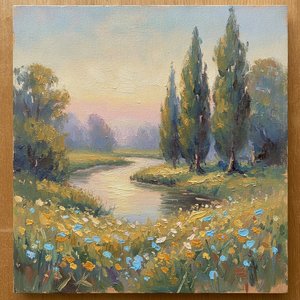
The Timeless Charm of Oil on Board: Reimagining Texture and Light through the Impressionist Lens
Discover the profound intimacy of oil on panel. Explore how Impressionist masters used rigid supports to capture light, texture, and impasto depth through exquisite, handmade oil reproductions for discerning collectors.

The Enduring Power of Painting: A Historical & Contemporary Exploration of Form and Emotion
Explore the rich history & enduring techniques of oil painting with OriginalUniqueArt. Discover masterpieces, learn about art collecting, and find authentic handmade reproductions crafted by skilled artists.