

 Zobrazit v interiéru
 Odeslat
 Sdílet
 Podrobnosti
 Průvodce

 Stáhnout obrázek
 Podobné kousky
 Rentgenové snímky
 Slideshow
 Statistiky
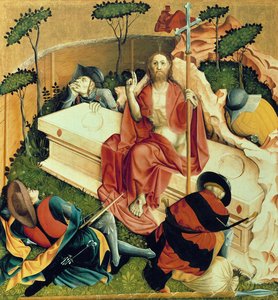
Christ Carrying the Cross
 Tempera
- Early Netherlandish Painting
 1437
1437 148.0 x 140.0 cm
 Staatliche Museen zu Berlin
 Přečíst si více
Giclée / Umělecký tisk
Giclée nebo plátěný tisk muzeální kvality s rychlou výrobou a širokou nabídkou povrchových úprav. ( Objednat ručně malovanou reprodukci Přepnout na digitální verzi obrazu)




P118B $10

P118H $10

P118W $10

P438Z $10

P508JH $12

P508YH $12

P805H $10

P805Z $10

P919BZ $10

P919G $10

P919XJ $10

P959ZH $10

P968JZ $12

W106C $8

W218G $10

W218JH $8

W218Y $10

W307PJ $10

W316G $10

W316PJ $8

W316Y $10

W398PJ $8

W4111J $10

W500HY $15

W500JH $15

W692G $12

W849H $8

W940BG $15

W953PJ $8




Vyberte si z našich přednastavených velikostí, které odpovídají původním proporcím díla.

Můžete zadat vlastní rozměry tak, aby výtvor odpovídal konkrétnímu rámu nebo prostoru. Pokud zvolená velikost nebude odpovídat poměru stran původního obrazu, dílo buď ořížeme, nebo obraz rozšíříme pomocí zrcadlového efektu či jednobarevného okraje. Před zahájením výroby vám bude zaslán digitální náhled k schválení.
Mějte prosím na paměti, že náhled na obrazovce neodráží skutečné oříznutí nebo rozšíření. Pouze digitální náhled přesně zobrazí finální kompozici.
Ačkoliv jsou k dispozici i vlastní rozměry, pro zachování původních proporcí doporučujeme vybrat si rozměr z předdefinovaného seznamu.
Celosvětové doručení () do 2 týdnů namísto standardních 4/5 týdnů. (25 září)

Zdarma celosvětová expresní doprava

Vysoce kvalitní lněné plátno

Úplné pojištění přepravy

Záruka vrácení celního poplatku

Záruka věrného barevného shodu

100dení lhůta pro vrácení zboží (pouze při vadách výroby)

100% garance vrácení peněz

Sleva při více objednávkách
 Skleněná varianta je dostupná pouze u rozměrů menších než 110 cm

Christ Carrying the Cross
Giclée / Umělecký tisk
Velikost reprodukce
-


Celková cena
$ 80
A Window Into Bosch’s Pessimistic Vision: Christ Carrying the Cross
Hieronymus Bosch’s “Christ Carrying the Cross,” housed in Ghent Cathedral, stands as one of his most arresting depictions of Christian iconography—a painting that transcends mere representation to embody a profound meditation on suffering and mortality. Completed around 1510-1535, during Bosch's twilight years, this artwork exemplifies his signature style: grotesque realism infused with moral allegory.
- Style & Technique: Bosch’s meticulous attention to detail—evident in the expressive faces of the onlookers and the unsettling depiction of Christ’s burden—contrasts sharply with idealized Renaissance portraits. The painting utilizes tempera on fir wood, a technique favored by Bosch for its luminosity and durability. Layers of glaze contribute to an ethereal quality, highlighting textures and creating dramatic chiaroscuro effects.
- Historical Context: Painted amidst the burgeoning humanist movement in Europe, “Christ Carrying the Cross” reflects anxieties about faith and morality prevalent during the Reformation era. Bosch’s unflinching portrayal of human folly—represented by the judgmental stares and grotesque expressions of the crowd—served as a critique of societal hypocrisy.
- Symbolism: The painting is replete with symbolic imagery. Christ's agonizing posture symbolizes divine sacrifice, while the multitude of figures surrounding him represent humanity’s complicity in sin. The swords symbolize judgment and divine retribution, emphasizing the inescapable consequences of earthly transgressions. Notably, the shield at the bottom right corner bears a depiction of Saint Jerome—a patron saint of contemplation—suggesting an invitation to introspection.
- Emotional Impact: Bosch deliberately evokes feelings of unease and pity. The artist’s masterful manipulation of color and composition compels viewers to confront uncomfortable truths about human nature and the fragility of existence. “Christ Carrying the Cross” remains a powerful reminder of the enduring themes of suffering, redemption, and moral responsibility.
The Influence of Early Netherlandish Painting
Bosch’s artistic vision was undeniably shaped by the stylistic innovations emerging from Northern Europe during his time—particularly the influence of Early Netherlandish painting. Artists like Rogier van der Weyden and Gerard David pioneered a new approach to depicting religious subjects, prioritizing anatomical accuracy and psychological realism over stylized grandeur.
- Anatomical Precision: Bosch’s depiction of Christ's musculature—a deliberate departure from traditional representations—reflects the meticulous anatomical studies conducted by artists in Leuven and Bruges. These investigations into human anatomy informed a broader trend toward naturalistic observation within the visual arts.
- Psychological Depth: The expressive faces of the onlookers convey profound emotional states—ranging from disdain to compassion—demonstrating Bosch’s commitment to capturing the complexities of human psychology. This emphasis on psychological realism aligns seamlessly with the humanist preoccupation with understanding the inner workings of the human mind.
A Masterpiece of Moral Allegory
"Christ Carrying the Cross" is not merely a visual spectacle; it’s a profound meditation on moral principles—a testament to Bosch's unwavering belief in the importance of confronting uncomfortable truths about human behavior. The artist employs grotesque imagery and caricature to expose societal failings, prompting viewers to contemplate their own ethical responsibilities.
- Moral Critique: Bosch’s deliberate distortion of facial expressions serves as a scathing indictment of moral complacency—challenging audiences to examine their judgments and prejudices. This subversive impulse distinguishes Bosch from many of his contemporaries who sought to uphold idealized notions of virtue.
- Universal Themes: Despite its specific historical context, “Christ Carrying the Cross” speaks to universal themes of suffering, redemption, and divine justice—resonating across cultures and epochs. Bosch’s enduring legacy lies in his ability to provoke contemplation and inspire moral reflection.
Technical Considerations & Restoration Efforts
The painting underwent a significant restoration process in 1956–1957, undertaken by conservators at Ghent Cathedral. During this intervention, experts meticulously cleaned the surface of grime and varnish—revealing the original colors beneath—and stabilized weakened structural elements.
- Glaze Analysis: Detailed analysis of the painting’s glaze layers illuminated the techniques employed by Bosch’s workshop—demonstrating a mastery of layering pigments to achieve luminous effects. Researchers utilized X-ray fluorescence spectroscopy to determine the elemental composition of the glazes, providing invaluable insights into the artist's palette.
- Structural Stabilization: Conservators reinforced the wooden frame and addressed cracks in the panel—ensuring the painting’s preservation for future generations. These efforts underscored the importance of safeguarding cultural heritage and upholding ethical standards of conservation.
Contemporary Interpretations & Artistic Legacy
"Christ Carrying the Cross" continues to inspire artists and scholars alike—serving as a focal point for ongoing debates about Bosch’s artistic intentions and stylistic innovations. Its haunting imagery and moral profundity resonate powerfully with audiences today, prompting reflection on fundamental questions concerning faith, morality, and human existence.
- Influence on Surrealism: Bosch's unsettling vision exerted considerable influence on Surrealist artists—particularly André Breton—who embraced his penchant for dreamlike imagery and grotesque symbolism. Surrealists sought to liberate the subconscious mind from rational constraints—drawing inspiration from Bosch’s exploration of irrational forces.
- Enduring Relevance: Despite its fifteenth-century origins, “Christ Carrying the Cross” retains an enduring relevance—serving as a timeless reminder of humanity's capacity for both compassion and cruelty. Its artistic legacy persists in contemporary art exhibitions and scholarly publications—affirming Bosch’s position as one of the most influential figures in European Renaissance painting.
Biografie umělce
Hans Multscher: A Bridge Between Gothic and Renaissance in German Art
Hans Multscher, born around 1400 in the small Bavarian town of Reichenhofen – now part of Leutkirch im Allgäu – stands as a pivotal figure bridging the stylistic transition from the late Gothic period to the burgeoning Renaissance in Germany. His life and work represent a fascinating confluence of influences, reflecting both the enduring traditions of his region and the revolutionary artistic currents sweeping across northern Europe. While precise details surrounding his early years remain somewhat elusive, it’s clear that Multscher possessed an inquisitive spirit and a keen eye for artistic innovation – qualities that would ultimately shape his distinctive aesthetic vision. He wasn't merely a passive recipient of prevailing trends; he actively sought out new influences, embarking on journeys that exposed him to the vibrant realism and meticulous detail characteristic of Early Netherlandish painting, a style which would become inextricably linked with his own artistic identity.Early Life and Artistic Training
Multscher’s formative years were spent in Reichenhofen, a region steeped in medieval tradition yet increasingly open to new ideas. It is believed that he received his initial training in the workshops of local sculptors, absorbing the fundamental principles of Gothic craftsmanship – the emphasis on stylized forms, elongated figures, and intricate ornamentation. However, it was during his travels throughout northern France, Burgundy, and the Netherlands that Multscher truly began to expand his artistic horizons. These journeys proved transformative, exposing him to the revolutionary techniques and philosophies of Early Netherlandish painting – a movement characterized by its meticulous realism, use of oil paints, and profound psychological depth. Artists like Jan van Eyck and Rogier van der Weyden served as key influences, demonstrating the power of observation, light, and shadow to create compellingly lifelike representations. This exposure fundamentally altered Multscher’s approach to art, laying the groundwork for his later embrace of naturalism and a more humanistic style.The Workshop at Ulm: Innovation and Collaboration
In 1427, Multscher established himself as a free citizen of Ulm, a thriving commercial hub on the Danube River – a strategic move that would prove crucial to his artistic development. There, he married Adelheid Kitzin and, alongside his brother Heinrich, founded a prolific workshop that quickly gained renown for its innovative sculptures and paintings. The Multscher workshop wasn’t simply a production facility; it was a dynamic environment fostering experimentation and collaboration. Records indicate that as many as sixteen assistants worked under Multscher's direction at times, creating a rich tapestry of artistic influences and techniques. This collaborative spirit allowed Multscher to explore new ideas and push the boundaries of his craft, while also ensuring the continuity of his workshop’s legacy after his death. The workshop’s output reflected a deliberate effort to move away from the rigid conventions of late Gothic art, incorporating elements of naturalism and psychological realism that were becoming increasingly popular in northern Europe.Key Achievements: The Wurzach Altar and Beyond
Among Multscher's most celebrated achievements is undoubtedly the *Wurzacher Altar*, begun in 1437 and a testament to his evolving style. This ambitious project, intended for the church of St. James in Wurzach, showcases Multscher’s mastery of oil painting – a relatively new medium at the time – and his ability to render textures, light, and shadow with remarkable precision. The altar's panels depict scenes from the life of Christ and the Virgin Mary, each imbued with a sense of palpable humanity that set it apart from earlier devotional art. It’s important to note that Multscher wasn’t solely focused on religious subjects; his commissions also included secular works, such as the group of emperors adorning the eastern window of Ulm's city hall, demonstrating his versatility and appeal to a broad clientele. Other notable works include the *Holy Mary Magdalen* sculpture, now housed in Frankfurt’s Liebieghaus, and the *Man of Sorrows*, copies of which can be found at Ulm Minster – both powerful examples of his ability to convey profound emotion through sculpted form. The Sterzing Altarpiece (1456-58) is another significant achievement, reflecting Multscher's growing interest in naturalism and perspective.Legacy and Historical Significance
Hans Multscher’s significance lies not only in the beauty and technical skill of his art but also in his role as a catalyst for change. He was among the first German artists to fully embrace the realism and naturalism that were transforming art in northern Europe, paving the way for subsequent generations of Renaissance masters. His work represents a crucial moment in the development of German art, marking a departure from the stylized conventions of the Gothic period towards a more humanistic and observational approach. He skillfully integrated traditional Gothic elements with new techniques and aesthetic sensibilities, creating a unique artistic language that resonated deeply with his contemporaries and continues to captivate audiences today. Multscher’s legacy extends beyond his individual creations; he established a workshop that played a vital role in disseminating his artistic principles throughout Swabia and beyond, ensuring the continued evolution of German art for decades to come. His influence can be seen in the work of subsequent generations of artists who built upon his foundations, ultimately contributing to the flourishing of the Renaissance in Germany. Further Resources:- Web Gallery of Art: https://www.wga.hu/bio/m/multsche/biograph.html
- Wikipedia: https://en.wikipedia.org/wiki/Hans_Multscher
Hans Multscher
1400 - 1467 , Německo
Rychlé informace
- Artistic Movement Or Style: Pozdní gotika/Renesanse
- Artists Or Movements Influenced By This Artist: ['Renesanční malířství']
- Artists Who Influenced This Artist:
- Severofrancouzské styly
- Nizozemské styly
- Date Of Birth: c. 1400
- Date Of Death: 1467
- Full Name: Hans Multscher
- Nationality: Německý
- Notable Artworks:
- Madona Reichenhoferská
- Man of Sorrows
- Kaiserfenster
- Place Of Birth: Reichenbach, Německo
Související články

The Enduring Legacy of Fine Art Prints: Technique, History & Aesthetic Impact
Explore the rich history & techniques of fine art prints. Discover investment potential, assess authenticity, and learn how to preserve your collection with expert guidance. Trusted insights for discerning collectors.

Echoes of Time: Exploring the Enduring Appeal & Historical Context of Vintage Art Prints
Explore the captivating world of vintage art prints! Discover their history, collecting tips & enduring appeal. Expert insights on chromolithography and building a legacy collection with OriginalUniqueArt.
Hieronymus Bosch: Top 25 mistrovských děl pro váš interiér | OriginalUniqueArt.com
Prozkoumejte 25 ikonických děl Hieronymuse Bosche! Obrazy plné symboliky, středověké fantazie a alegorií. Reprodukce v nejvyšší kvalitě pro váš interiér na OriginalUniqueArt.com. Inspirace a umělecké tisky online.

Giclée Prints: Archival Quality & Aesthetic Nuances for the Discerning Collector
Explore the world of giclée prints with OriginalUniqueArt. Learn about archival quality, aesthetic nuances & investment potential. Expert guidance for discerning art collectors seeking museum-quality reproductions and lasting value.
Hieronymus Bosch: Decoding the Visions of a Netherlandish Master
Explore the captivating world of Hieronymus Bosch! Delve into the symbolism, religious context, and artistic innovation of this Netherlandish master with OriginalUniqueArt's expert analysis. Discover his iconic paintings & lasting influence.
