

 Zobrazit v interiéru
 Odeslat
 Sdílet
 Podrobnosti
 Průvodce

 Stáhnout obrázek
 Podobné kousky
 Rentgenové snímky
 Slideshow
 Statistiky
Christ before Pilate
 Oil On Panel
- German Realism
 1437
1437- Renaissance
 148.0 x 140.0 cm
 Staatliche Museen zu Berlin
 Přečíst si více
Ručně malovaná olejová reprodukce
Ručně malované olejné plátno v libovolném rozměru i s rámem, vyrobené našimi umělci na zakázku. ( Přepnout na tiskové verze Přepnout na digitální verzi obrazu)




P118B $10

P118H $10

P118W $10

P438Z $10

P508JH $12

P508YH $12

P805H $10

P805Z $10

P919BZ $10

P919G $10

P919XJ $10

P959ZH $10

P968JZ $12

W106C $8

W218G $10

W218JH $8

W218Y $10

W307PJ $10

W316G $10

W316PJ $8

W316Y $10

W398PJ $8

W4111J $10

W500HY $15

W500JH $15

W692G $12

W849H $8

W940BG $15

W953PJ $8




Vyberte si z našich přednastavených velikostí, které odpovídají původním proporcím díla.

Můžete zadat vlastní rozměry pro konkrétní rám nebo prostor. Pokud se vámi vybraná velikost neshoduje s proporcemi původního obrazu, dílo buď ořízneme, nebo jej doplníme ručně malovanými prvky. Před zahájením výroby vám bude zaslán digitální náhled ke schválení.
Upozorňujeme, že náhled na obrazovce neodpovídá skutečnému ořezu ani rozšíření. Pouze digitální náhled přesně zobrazí finální kompozici.
Ačkoliv je možné zvolit vlastní velikost, pro zachování původních proporcí doporučujeme vybrat rozměr z předdefinovaného seznamu.
Po přijetí objednávky vám tým OriginalUniqueArt.com zašle e-mail s pokyny a poskytne náhledovou verzi.
Celosvětová doprava () za 3–4 týdny namísto standardních 5 týdnů. (26 září). Bez kompromisů v kvalitě.

Zdarma celosvětová expresní doprava

Vysoce kvalitní lněné plátno

Úplné pojištění přepravy

Záruka vrácení celního poplatku

Záruka věrného barevného shodu

100dení lhůta pro vrácení zboží (pouze při vadách výroby)

100% garance vrácení peněz

Sleva při více objednávkách
 Skleněná varianta je dostupná pouze u rozměrů menších než 110 cm

Christ before Pilate
Technika provedení
Velikost reprodukce
-


Celková cena
$ 300
The Weight of Judgment: Christ Before Pilate
To stand before this depiction of Christ before Pilate is to step directly into the crucible of human history and divine confrontation. Painted in 1437 by Hans Multscher, this work transcends a mere narrative scene; it is a profound meditation on innocence facing overwhelming temporal power. The composition immediately draws the eye to the central drama: Jesus, seated with an air of serene dignity, enduring the scrutiny of Pontius Pilate and the surrounding throng. Multscher masterfully captures not just the event, but the palpable tension that hangs in the air—the weight of judgment pressing down upon all figures.
A Masterpiece of Early German Realism
Hans Multscher stands as a pivotal figure, an artist whose vision helped shepherd German art from the lingering echoes of the Gothic into the bright dawn of Renaissance naturalism. His technique is remarkable for its commitment to detail and emotional verisimilitude. One can almost feel the texture of the robes and observe the subtle gestures of the accusers. The inclusion of specific objects—the bowl near the lower left, the cup aloft in the upper right, and the visible swords—are not mere set dressing; they are carefully placed signifiers that ground the theological drama in a tangible, believable reality. This meticulous attention to material detail speaks volumes about Multscher’s deep study of the observable world.
Symbolism Woven into the Scene
Every element within this panel seems imbued with symbolic resonance. The contrast between Christ's calm composure and the agitated energy of the surrounding figures creates a powerful visual dialectic. Consider the implements: the swords, symbols of earthly authority and potential violence, stand in stark opposition to the spiritual truth embodied by the central figure. These objects serve as potent reminders that the conflict depicted is not merely political, but fundamentally spiritual. The entire arrangement invites contemplation on themes of sacrifice, martyrdom, and the enduring nature of grace against the tide of human fallibility.
Bringing Sacred Drama Home
For the discerning collector or designer seeking an anchor piece for a grand hall or chapel setting, this reproduction offers unparalleled depth. Owning a work echoing Multscher’s genius allows one to connect with the intellectual and spiritual currents that defined early Northern European art. The rich narrative quality ensures that the artwork remains engaging across generations, inviting viewers not just to look, but to participate in the contemplation of its weighty themes. It is an heirloom piece, carrying the resonance of 15th-century devotion rendered with breathtaking, enduring realism.
Biografie umělce
Hans Multscher: A Bridge Between Gothic and Renaissance in German Art
Hans Multscher, born around 1400 in the small Bavarian town of Reichenhofen – now part of Leutkirch im Allgäu – stands as a pivotal figure bridging the stylistic transition from the late Gothic period to the burgeoning Renaissance in Germany. His life and work represent a fascinating confluence of influences, reflecting both the enduring traditions of his region and the revolutionary artistic currents sweeping across northern Europe. While precise details surrounding his early years remain somewhat elusive, it’s clear that Multscher possessed an inquisitive spirit and a keen eye for artistic innovation – qualities that would ultimately shape his distinctive aesthetic vision. He wasn't merely a passive recipient of prevailing trends; he actively sought out new influences, embarking on journeys that exposed him to the vibrant realism and meticulous detail characteristic of Early Netherlandish painting, a style which would become inextricably linked with his own artistic identity.Early Life and Artistic Training
Multscher’s formative years were spent in Reichenhofen, a region steeped in medieval tradition yet increasingly open to new ideas. It is believed that he received his initial training in the workshops of local sculptors, absorbing the fundamental principles of Gothic craftsmanship – the emphasis on stylized forms, elongated figures, and intricate ornamentation. However, it was during his travels throughout northern France, Burgundy, and the Netherlands that Multscher truly began to expand his artistic horizons. These journeys proved transformative, exposing him to the revolutionary techniques and philosophies of Early Netherlandish painting – a movement characterized by its meticulous realism, use of oil paints, and profound psychological depth. Artists like Jan van Eyck and Rogier van der Weyden served as key influences, demonstrating the power of observation, light, and shadow to create compellingly lifelike representations. This exposure fundamentally altered Multscher’s approach to art, laying the groundwork for his later embrace of naturalism and a more humanistic style.The Workshop at Ulm: Innovation and Collaboration
In 1427, Multscher established himself as a free citizen of Ulm, a thriving commercial hub on the Danube River – a strategic move that would prove crucial to his artistic development. There, he married Adelheid Kitzin and, alongside his brother Heinrich, founded a prolific workshop that quickly gained renown for its innovative sculptures and paintings. The Multscher workshop wasn’t simply a production facility; it was a dynamic environment fostering experimentation and collaboration. Records indicate that as many as sixteen assistants worked under Multscher's direction at times, creating a rich tapestry of artistic influences and techniques. This collaborative spirit allowed Multscher to explore new ideas and push the boundaries of his craft, while also ensuring the continuity of his workshop’s legacy after his death. The workshop’s output reflected a deliberate effort to move away from the rigid conventions of late Gothic art, incorporating elements of naturalism and psychological realism that were becoming increasingly popular in northern Europe.Key Achievements: The Wurzach Altar and Beyond
Among Multscher's most celebrated achievements is undoubtedly the *Wurzacher Altar*, begun in 1437 and a testament to his evolving style. This ambitious project, intended for the church of St. James in Wurzach, showcases Multscher’s mastery of oil painting – a relatively new medium at the time – and his ability to render textures, light, and shadow with remarkable precision. The altar's panels depict scenes from the life of Christ and the Virgin Mary, each imbued with a sense of palpable humanity that set it apart from earlier devotional art. It’s important to note that Multscher wasn’t solely focused on religious subjects; his commissions also included secular works, such as the group of emperors adorning the eastern window of Ulm's city hall, demonstrating his versatility and appeal to a broad clientele. Other notable works include the *Holy Mary Magdalen* sculpture, now housed in Frankfurt’s Liebieghaus, and the *Man of Sorrows*, copies of which can be found at Ulm Minster – both powerful examples of his ability to convey profound emotion through sculpted form. The Sterzing Altarpiece (1456-58) is another significant achievement, reflecting Multscher's growing interest in naturalism and perspective.Legacy and Historical Significance
Hans Multscher’s significance lies not only in the beauty and technical skill of his art but also in his role as a catalyst for change. He was among the first German artists to fully embrace the realism and naturalism that were transforming art in northern Europe, paving the way for subsequent generations of Renaissance masters. His work represents a crucial moment in the development of German art, marking a departure from the stylized conventions of the Gothic period towards a more humanistic and observational approach. He skillfully integrated traditional Gothic elements with new techniques and aesthetic sensibilities, creating a unique artistic language that resonated deeply with his contemporaries and continues to captivate audiences today. Multscher’s legacy extends beyond his individual creations; he established a workshop that played a vital role in disseminating his artistic principles throughout Swabia and beyond, ensuring the continued evolution of German art for decades to come. His influence can be seen in the work of subsequent generations of artists who built upon his foundations, ultimately contributing to the flourishing of the Renaissance in Germany. Further Resources:- Web Gallery of Art: https://www.wga.hu/bio/m/multsche/biograph.html
- Wikipedia: https://en.wikipedia.org/wiki/Hans_Multscher
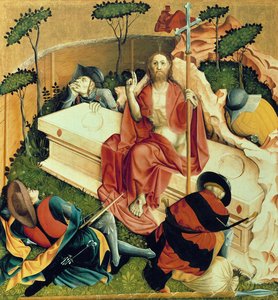
Hans Multscher
1400 - 1467 , Německo
Rychlé informace
- Artistic Movement Or Style: Pozdní gotika/Renesanse
- Artists Or Movements Influenced By This Artist: ['Renesanční malířství']
- Artists Who Influenced This Artist:
- Severofrancouzské styly
- Nizozemské styly
- Date Of Birth: c. 1400
- Date Of Death: 1467
- Full Name: Hans Multscher
- Nationality: Německý
- Notable Artworks:
- Madona Reichenhoferská
- Man of Sorrows
- Kaiserfenster
- Place Of Birth: Reichenbach, Německo
Související články

Top 10 děl německého expresionismu: Umění plné emocí pro váš domov | OriginalUniqueArt
Prozkoumejte 10 ikonických děl německého expresionismu od Muncha, Kirchnera a dalších. Objevte příběhy za obrazy plnými emocí a výrazných barev. Reprodukce umění nejvyšší kvality na OriginalUniqueArt.com – inspirace pro váš interiér!
The Northern Awakening: Artistic Innovation & Cultural Transformation in the German Renaissance
Explore the artistic innovation of the German Renaissance! Discover Dürer, the Danube School & Reformation art. Learn about techniques, materials & lasting influence. Find museum-quality reproductions at OriginalUniqueArt.
Fra Angelico: 25 mistrovských děl renesančního umění pro váš domov | OriginalUniqueArt.cz
Objevte 25 ikonických děl Fra Angelica – renesančního mistra andělských freskek a náboženských maleb. Prozkoumejte jeho techniku, inspiraci a duchovní poselství. Luxusní reprodukce obrazů pro váš interiér na OriginalUniqueArt.cz
Sacred Narratives Embodied: A Comprehensive Exploration of Religious Iconography in Art History
Explore the rich history of religious iconography in art! Discover symbolism, movements & masterpieces from Byzantine to Renaissance periods. Expert insights for collectors and enthusiasts at OriginalUniqueArt.

Hans Holbein the Younger: A Renaissance Portraitist's Mastery of Realism & Psychological Insight
Explore the life & art of Hans Holbein the Younger, a Renaissance master renowned for his strikingly realistic portraits and psychological insight. Discover iconic works like 'The Ambassadors' and delve into his lasting legacy.
