

 Zobrazit v interiéru
 Odeslat
 Sdílet
 Podrobnosti
 Průvodce

 Stáhnout obrázek
 Podobné kousky
 Rentgenové snímky
 Slideshow
 Statistiky
Sir Thomas More
 Acrylic On Canvas
- WallArt
- Northern Renaissance
 1527
1527- Early Medieval
 74.0 x 60.0 cm
 Frickova sbírka
 Přečíst si více
Giclée / Umělecký tisk
Giclée nebo plátěný tisk muzeální kvality s rychlou výrobou a širokou nabídkou povrchových úprav. ( Objednat ručně malovanou reprodukci Přepnout na digitální verzi obrazu)




P118B Kč10

P118H Kč10

P118W Kč10

P438Z Kč10

P508JH Kč12

P508YH Kč12

P805H Kč10

P805Z Kč10

P919BZ Kč10

P919G Kč10

P919XJ Kč10

P959ZH Kč10

P968JZ Kč12

W106C Kč8

W218G Kč10

W218JH Kč8

W218Y Kč10

W307PJ Kč10

W316G Kč10

W316PJ Kč8

W316Y Kč10

W398PJ Kč8

W4111J Kč10

W500HY Kč15

W500JH Kč15

W692G Kč12

W849H Kč8

W940BG Kč15

W953PJ Kč8




Vyberte si z našich přednastavených velikostí, které odpovídají původním proporcím díla.

Zadejte šířku a výšku, které potřebujete pro váš rám nebo stěnu. Tisk lze pouze oříznout, nikdy však nelze zvětšit obraz nad jeho původní rozměr, proto při výběru jiného formátu dochází ke ztrátě části obrazu. Před samotným tiskem vám zašleme digitální náhled k schválení. Obraz zobrazený na této stránce nenabízí skutečný výřez — ten uvidíte pouze v náhledu.
Celosvětové doručení () do 2 týdnů namísto standardních 4/5 týdnů. (24 říjen)

Zdarma celosvětová expresní doprava

Vysoce kvalitní lněné plátno

Úplné pojištění přepravy

Záruka vrácení celního poplatku

Záruka věrného barevného shodu

100dení lhůta pro vrácení zboží (pouze při vadách výroby)

100% garance vrácení peněz

Sleva při více objednávkách
 Skleněná varianta je dostupná pouze u rozměrů menších než 110 cm

Sir Thomas More
Giclée / Umělecký tisk
Velikost reprodukce
-


Celková cena
Kč 1709
A Portrait of Principled Courage: Hans Holbein’s Sir Thomas More
Hans Holbein the Younger's 1527 portrait of Sir Thomas More is more than simply a likeness; it’s a carefully constructed embodiment of Renaissance ideals, humanism, and quiet defiance. This arresting image, now meticulously reproduced on hand-painted canvas by OriginalUniqueArt.com, offers a rare glimpse into the soul of a man who stood steadfast against the shifting tides of power in Tudor England. The painting immediately draws the eye to More’s intense gaze – a direct challenge to the viewer, suggesting an inner life brimming with conviction and contemplation. His posture is dignified yet approachable, radiating an aura of intellectual strength and moral integrity.
The technical mastery evident in Holbein's work is breathtaking. The artist’s meticulous attention to detail is particularly striking in the rendering of More’s richly textured robes – a symphony of deep blues and blacks accented by the gleaming gold of the chain he wears. This isn’t merely decorative; the chain, a symbol of knighthood and service to the crown, carries a potent irony within this portrait. It represents his prior allegiance to Henry VIII, yet simultaneously underscores his ultimate rejection of the King's demands regarding the divorce that would irrevocably alter England’s religious landscape. Holbein’s use of sfumato – a subtle blurring technique – softens the edges and creates an atmospheric depth, lending the scene a sense of realism rarely achieved in portraits of this era.
The Weight of Faith and Duty
Understanding the historical context is crucial to appreciating the profound significance of this work. Sir Thomas More was a man of immense intellect and unwavering moral principles, serving as Henry VIII’s diplomat and advisor before ultimately choosing conscience over loyalty. His refusal to acknowledge Henry as head of the Church of England led to his tragic execution in 1535 – a testament to the perilous position he occupied during a period of dramatic religious upheaval. The painting captures this pivotal moment, hinting at the internal struggle between duty and faith that defined More’s life.
The green curtains framing the composition aren't merely a backdrop; they evoke images of scholarly pursuits and quiet reflection – fitting for a man devoted to learning and philosophical debate. They also subtly suggest the verdant landscapes of More’s native Norfolk, grounding him in his roots and reinforcing his connection to English soil.
Symbolism and Renaissance Ideals
Key Symbols:- The Chain: Represents service to the crown, but ultimately signifies rejection of unjust authority.
- The Robe: Symbolizes status and dignity, highlighting More’s position within the court.
- Direct Gaze: Conveys intelligence, conviction, and a willingness to confront difficult truths.
Holbein's portrait embodies the core tenets of Renaissance humanism – an emphasis on individual worth, intellectual inquiry, and the pursuit of virtue. More’s dignified bearing and thoughtful expression reflect the humanist ideal of the well-rounded man, capable of both reason and moral action. The painting serves as a powerful reminder of the enduring value of integrity in the face of adversity.
A Timeless Masterpiece for Your Home
OriginalUniqueArt.com’s hand-painted reproductions capture the exquisite detail and emotional resonance of Holbein's Sir Thomas More with unparalleled fidelity. This is more than a print; it’s an authentic work of art, meticulously crafted to bring this iconic portrait into your home or office. The rich colors, nuanced textures, and captivating composition will serve as a constant source of inspiration – a visual testament to the courage and conviction of one of history's most remarkable figures. Consider this reproduction not just as decoration, but as a window into a pivotal moment in English history and a celebration of human spirit.
Otázky a odpovědi
Co má dílo „Sir Thomas More“ společného se zbytkem tvorby umělce Hans Holbein Mladší?
„Sir Thomas More“ patří k dílu Hans Holbein Mladší v rámci směru Northern Renaissance, jehož typická témata zahrnují renaissance realism, humanist ideals, tudor court, political intrigue, religious dissent, reformation era, holbein’s portrait mastery”, “symbolic representation”.
Jaká jsou práva k reprodukci díla „Sir Thomas More“ v instituci Frickova sbírka?
Originál díla „Sir Thomas More“ se nachází v instituci Frickova sbírka a toto dílo je patří do volného užití – autorská práva vypršela.
Jakou saturaci a intenzitu vykazuje „Sir Thomas More“ od Hans Holbein Mladší?
Barvy díla „Sir Thomas More“ od Hans Holbein Mladší vykazují Subtle Color saturaci s Monochromatic intenzitou.
Biografie umělce
A Life Etched in Detail: The World of Hans Holbein the Younger
Born around 1497 in Augsburg, Germany, Hans Holbein the Younger emerged as a defining figure of the Northern Renaissance—a master portraitist whose work continues to resonate with breathtaking realism and psychological depth. His upbringing within an artistically gifted family laid the foundation for his exceptional talent; his father, Hans Holbein the Elder, was a respected painter and printmaker who instilled in young Hans a meticulous approach to observation and technique. This early training wasn’t merely about mastering brushstrokes or mixing pigments—it was about learning to *see*, to capture not just likeness but the very essence of a subject. Holbein's initial artistic explorations occurred within his father’s workshop, where he honed his skills before embarking on a journey that would lead him through Switzerland and ultimately to the heart of the English court.From Basel to the Tudor Court: A Rising Star
After completing his apprenticeship, Holbein traveled extensively throughout Switzerland, establishing himself as an independent artist with a growing reputation. He spent several formative years in Basel, creating not only striking portraits but also religious works and intricate woodcut designs—most notably the haunting series depicting the *Dance of Death*. These early pieces reveal a burgeoning mastery of composition and a developing fascination with capturing the complexities of human emotion. He admired the work of Albrecht Dürer and other German masters while also studying Italian art during his travels, absorbing their techniques and incorporating them into his own unique style. Holbein’s innovative compositions further enhanced the impact of his work, often employing symbolic objects or backgrounds to convey deeper meaning. It was in 1526 that fate intervened, drawing Holbein towards England, an event that would irrevocably alter his artistic trajectory. He arrived bearing a letter of introduction from Erasmus, the renowned humanist scholar, which opened doors to the influential circles of English society. His talent quickly captivated prominent figures like Sir Thomas More, who became both a patron and a subject for several compelling portraits. This connection proved pivotal, leading Holbein’s appointment as a court painter to King Henry VIII in 1536—a position he held, with some interruptions, until his untimely death in 1543.The Art of Perception: Style and Masterpieces
Holbein's artistic style is characterized by an extraordinary commitment to realism, achieved through painstaking attention to detail in rendering textures, fabrics, and the subtle nuances of facial features. He didn’t simply *paint* portraits; he meticulously constructed them, layer upon layer, capturing not just physical appearances but also the personality and inner life of his sitters. His use of chiaroscuro—the dramatic interplay of light and shadow—created a palpable sense of depth and atmosphere, enhancing the psychological impact of his images. He was particularly adept at portraying human emotion with remarkable accuracy, conveying feelings of solemnity, contemplation, and even vulnerability. The Ambassadors (1533) stands as a testament to this approach—a complex and symbolically rich double portrait showcasing both Holbein’s technical brilliance and intellectual depth. The anamorphic skull subtly embedded within the painting serves as a stark *memento mori*, reminding viewers of the inevitability of death. His numerous portraits of Henry VIII established a lasting image of royal power, while his depiction of Erasmus of Rotterdam captures the scholar's profound intellectual gravitas. Other notable works include the stunning *Portrait of Nikolaus Kratzer* (1528), a masterpiece of realism and scientific detail—a reflection of Holbein’s fascination with humanist scholarship and observation.Legacy and Influence: A Lasting Impression
Holbein’s artistic journey was shaped by a confluence of influences, blending the precision of German artistic traditions with the compositional principles of the Italian Renaissance. He admired the work of Albrecht Dürer and other German masters while also studying Italian art during his travels, absorbing their techniques and incorporating them into his own unique style. His legacy is profound; Holbein’s portraits set a new standard for realism and psychological insight in portraiture, influencing generations of artists who followed. He didn't merely record appearances—he captured moments in time, preserving them for posterity. His depictions of key figures during the Tudor period provide invaluable insights into the lives and personalities of those who shaped English history. He was a true innovator, pushing the boundaries of artistic expression while simultaneously upholding the highest standards of craftsmanship. Holbein’s work continues to inspire artists today—a testament to his enduring genius and the timeless beauty of his vision.
Hans Holbein Mladší
1497 - 1543 , Německo
Rychlé informace
- Artistic Movement Or Style: Severní Renesance
- Artists Or Movements Influenced By This Artist: ['Pozdější portrétisté']
- Artists Who Influenced This Artist: ['Albrecht Dürer']
- Date Of Birth: c. 1497/98
- Full Name: Hans Holbein der Jüngere
- Nationality: Německý, Švýcarský
- Notable Artworks:
- Ambasadéři
- Portrét Jindřicha VIII.
- Nikolaus Kratzer
- Place Of Birth: Augsburg, Německá republika
Související články
The Grandeur of Presence: Exploring Representations of Stately Bearing in Western Portraiture
Explore the art of stately bearing in Western portraiture with expert analysis of Renaissance & Baroque masterpieces. Discover symbolism, techniques, and the legacy of iconic portraits – a guide for discerning collectors.
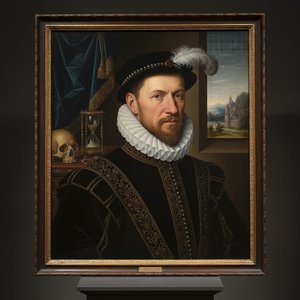
Mastering Detail: The Captivating World of Hans Holbein the Younger’s Northern Renaissance Masterpieces
Explore the breathtaking precision of Hans Holbein the Younger. From Tudor royal portraits to intricate Northern Renaissance details, discover the mastery behind his legendary works and learn how to bring this historical grandeur into your collection with museum-quality reproductions.

Hans Holbein the Younger: A Renaissance Portraitist's Mastery of Realism & Psychological Insight
Explore the life & art of Hans Holbein the Younger, a Renaissance master renowned for his strikingly realistic portraits and psychological insight. Discover iconic works like 'The Ambassadors' and delve into his lasting legacy.
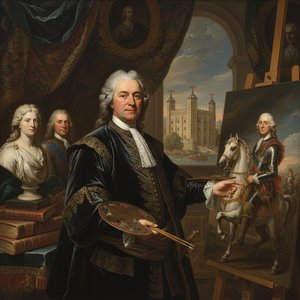
Sir Godfrey Kneller: Portraiture, Power & Artistic Identity in Restoration England
Explore the life & work of Sir Godfrey Kneller, leading portraitist of Restoration England. Discover his Baroque style, influence on aristocratic society, and lasting legacy in English art history. Learn about Kit-Cat portraits & more!

The Enduring Legacy of Formal Portraiture: Power, Identity & Artistic Exploration
Explore the rich history of formal portraiture & its enduring power to capture identity and shape perception. Discover investment-worthy artworks, expert appraisals, and custom reproduction services at OriginalUniqueArt.





