Náhled v interiéru
 Sdílet
 Sdílet
 Podrobnosti o díle
 Průvodce

 Stáhnout
 Podobné položky
 Rentgenové snímky
 Slideshow
 Q&A
Q&A Statistiky
Barbara Schellenbergerová

- 41.0 x 28.0 cm


 Zobrazit více
Giclée / Umělecký tisk
Giclée nebo plátěný tisk muzeální kvality s rychlou výrobou a širokou nabídkou povrchových úprav. ( Koupit ručně malovaný obraz Přepnout na digitální obraz)




P118B Kč10

P118H Kč10

P118W Kč10

P438Z Kč10

P508JH Kč12

P508YH Kč12

P805H Kč10

P805Z Kč10

P919BZ Kč10

P919G Kč10

P919XJ Kč10

P959ZH Kč10

P968JZ Kč12

W106C Kč8

W218G Kč10

W218JH Kč8

W218Y Kč10

W307PJ Kč10

W316G Kč10

W316PJ Kč8

W316Y Kč10

W398PJ Kč8

W4111J Kč10

W500HY Kč15

W500JH Kč15

W692G Kč12

W849H Kč8

W940BG Kč15

W953PJ Kč8




Vyberte si z našich přednastavených velikostí, které odpovídají původním proporcím díla.

Zadejte šířku a výšku, které potřebujete pro váš rám nebo stěnu. Tisk lze pouze oříznout, nikdy však nelze zvětšit obraz nad jeho původní rozměr, proto při výběru jiného formátu dochází ke ztrátě části obrazu. Před samotným tiskem vám zašleme digitální náhled k schválení. Obraz zobrazený na této stránce nenabízí skutečný výřez — ten uvidíte pouze v náhledu.
Celosvětové doručení () do 2 týdnů namísto standardních 4/5 týdnů. (2 listopad)

Zdarma celosvětová expresní doprava

Vysoce kvalitní lněné plátno

Kompletní pojištění přepravy

Záruka vrácení celního poplatku

Záruka věrného barevného souladu

100dení lhůta pro vrácení zboží (pouze při vadách výroby)

100% záruka vrácení peněz

Sleva při více objednávkách
 Skleněná varianta je dostupná pouze u rozměrů menších než 110 cm

Barbara Schellenbergerová
Giclée / Umělecký tisk
Rozměry reprodukce
-


Celková cena za vybrané možnosti reprodukcí
Kč 1737
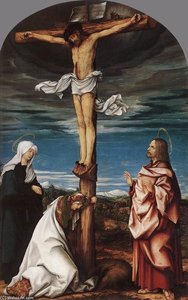
Barbara Schellenberger, geb. Ehem – Výstavní dílo Hansa Burgkmaira Staršího
Barbara Schellenbergerová byla augsburskou patricijskou dámou, která se provdala za Hansa Schellenbergera roku 1506. Jeho obraz zobrazuje mladého páru stojícího vedle sebe – pravděpodobně pro portrét nebo účastnící se společenského události. Burgkmairův styl lze jednoznačně přiřadit pozdní gotice a ranému Renesansu, což je období intenzivní kulturní výměny mezi Severní Evropou a Itálií. Umělecký řemeslo znalosti získal především prostřednictvím knih a obrazových publikací – zásadní faktor pro šíření nových estetických konceptů napříč evropským světem. Tento obraz je jedním z nejvýznamnějších příkladů tohoto období, ukazujícím vysokou úroveň uměleckého zpracování. Jeho kolorit je bohatý a vyvážený, využívající techniky chiaroscuro – kontrast světla a stínu – které byly oblíbené již v pozdní středověké tvorbě, ale získaly novou expresivitu díky působivé estetice Renesance.- Kompozice: Obrázek je rozdělen dvěma sloupy umístěnými po stranách páru, což dodává scéně strukturu a hloubku. Pozorovatele zaujme pozornost k detailům postav i okolního prostředí.
- Symbolika: Žena drží květ eyebrightu – symbol šťastí a optimismu –, zatímco muž nosí lípovník, který vyjadřuje budoucí dobrodružství a lásku. Tyto prvky jsou typické pro výtvarné obrazy tohoto období a odkazují na křesťanskou estetiku té doby.
- Technika: Burgkmair použil olejovou techniku na dřevěný panel, což umožnilo dosáhnout vysokého stupně přesnosti při reprodukování obrazu. Detailní zpracování tkanin a vlasů dokazuje jeho mimořádné odborné znalosti a pečlivost.
Kontext Historický – Význam Portrétu v Renesanci
Portréty hrály důležitou roli ve středověké kultuře, sloužily jako způsob oslavy bohatství, společenského postavení a osobnosti. V období Renesance získaly nový význam díky humanistické filozofii, která kladla důraz na člověka jako centrum světa. Portréty byly často objednávány aristokraty a zbohatlí obchodníci jako symbol jejich úspěchu a prestiže – zároveň však sloužily jako prostředek osobního vyjádření a připomínání památky. Hans Burgkmairův obraz Barbary Schellenbergerové je důkazem tohoto kulturního přesunu, ukazujícím estetické hodnoty doby Renesance a jeho schopnost zachytit její atmosféru. Jeho dílo patří mezi nejvýznamnější reprezentace této doby a zůstává inspirací pro současné umělce i sběratele.Wallraf-Richartzův Muzeum – Jedinečný Kousek Umění
Obrázek Barbary Schellenbergerové je uložen ve Wallraf-Richartzově muzeu v Římě, kde si ho mohou prohlédnout návštěvníci z celého světa. Jeho umístění v tomto renomovaném institutu potvrzuje jeho uměleckou hodnotu a význam pro evropskou kulturu. Díky kvalitní reprodukci můžete si užít krásu tohoto obrazu i mimo prostor muzea – což je ideální způsob, jak si připomenout bohatství evropského uměleckého dědictví. Jeho ikonická estetika bude jistě vyjímat z každého prostoru a přinést pocit elegance a kultury.Otázky a odpovědi
Obsahuje "Barbara Schellenbergerová" výrazné světlonápadové kontrasty?
Úroveň kontrastu díla „Barbara Schellenbergerová“ od Hans Burgkmair je Výrazný.
Jaká atmosféra je u díla „Barbara Schellenbergerová“ od Hans Burgkmair vyznávána?
„Barbara Schellenbergerová“ má Elegance atmosféru.
Jaký je formát a rozměr díla "Barbara Schellenbergerová"?
Formát díla „Barbara Schellenbergerová“ je Horizontální orientace a originál měří 41 x 28 cm. Obě informace jsou užitečné při plánování reprodukce.
Biografie umělce
Hans Burgkmair the Elder: Bridging Renaissance Italy and German Tradition
Born in Augsburg, Germany, around 1473, Hans Burgkmair the Elder emerged as a pivotal figure in the transition between late Gothic and early Renaissance art. His life coincided with a period of intense artistic exchange between Northern Europe and Italy, and he skillfully absorbed the innovations of the Italian Renaissance while retaining a distinctly German sensibility. Unlike many artists who traveled to Italy for formal training, Burgkmair’s influence stemmed from his deep engagement with the ideas circulating through printed books and images – a crucial development in disseminating new artistic trends across Europe. He wasn't merely copying Italian models; he was actively synthesizing them with established Northern European techniques and subject matter.
His early career began as an apprentice to his father, Thomas Burgkmair, a respected painter in Strasbourg. This familial connection provided him with a solid foundation in traditional German painting styles. However, it was his time working under Martin Schongauer in Colmar that truly ignited his artistic development. Schongauer’s mastery of detail and use of oil paint—techniques still relatively novel at the time—profoundly impacted Burgkmair's approach to rendering form and texture. Following Schongauer’s death, Burgkmair continued his training in Augsburg, absorbing further influences from the burgeoning artistic scene.
The Rise of a Master: Woodcuts and Frescoes
Burgkmair quickly established himself as a highly sought-after artist, specializing primarily in woodcut and fresco. His woodcuts, numbering around 700, are particularly significant for their innovative use of chiaroscuro – the dramatic interplay of light and shadow achieved through multiple blocks inked with varying tones. This technique, pioneered by Burgkmair, moved beyond the traditional single-block method and allowed him to create a remarkable sense of depth and volume, mimicking the effects of oil painting. His most celebrated woodcut series is undoubtedly the “Triumphs of Maximilian,” commissioned by Emperor Maximilian I to commemorate his victories and solidify his imperial authority. These prints are not merely decorative; they’re complex allegorical narratives filled with symbolism and meticulously rendered details.
Beyond woodcuts, Burgkmair was a skilled fresco painter. He is credited with decorating the facade of the Fugger residence in Augsburg – a landmark building that exemplifies the early Italian Renaissance style in Germany. Sadly, these frescoes have been lost to history, leaving behind only tantalizing descriptions and fragments of their grandeur. His work on the Munich and Vienna facades offers valuable insights into his fresco technique and stylistic choices.
Influences and Artistic Style
Burgkmair’s artistic style is a fascinating blend of Northern European tradition and Italian Renaissance ideals. He retained the meticulous detail and realism characteristic of German painting, but he also embraced the Italian emphasis on perspective, proportion, and classical motifs. The influence of Giorgione, a Venetian painter known for his atmospheric landscapes and poetic compositions, is particularly evident in Burgkmair’s work. Giorgione's use of muted colors and evocative scenes clearly resonated with Burgkmair, who sought to capture the mood and atmosphere of his subjects rather than simply depicting them realistically.
His son, Hans Burgkmair the Younger, continued his father’s legacy, collaborating on the “Turnierbuch,” a lavish illustrated tournament book. This collaborative effort further cemented the family's reputation as leading artists of their time and demonstrated the transmission of artistic knowledge from one generation to the next.
Legacy and Historical Significance
Hans Burgkmair the Elder’s contribution to art history is immense. He was among the first German artists to genuinely engage with the innovations of the Italian Renaissance, adapting them to his own cultural context and developing a unique artistic style. His pioneering use of chiaroscuro in woodcuts revolutionized printmaking techniques, paving the way for future generations of artists. Furthermore, he played a crucial role in introducing Renaissance ideas to Northern Europe through his prints and frescoes, contributing significantly to the broader dissemination of artistic knowledge during a period of rapid cultural change. He stands as a testament to the dynamic interplay between tradition and innovation that characterized the early Renaissance era.

Hans Burgkmair
1473 - 1531 , Germany
Rychlé informace o umělci
- Full Name: Hans Burgkmair the Elder
- Nationality: German
- Date Of Birth: 1473
- Date Of Death: 1531
- Place Of Birth: Augsburg, Germany
- Notable Artworks:
- Triumphs of Maximilian
- Turnierbuch
- Lovers Surprised by Death
- Artistic Movement Or Style: Italian Renaissance
- Artists Who Influenced This Artist:
- Giovanni Bellini
- Giorgione
- Artists Or Movements Influenced By This Artist: ['Hans Burgkmair the Younger']
Související články
Hans Baldung Grien: A Renaissance Master of Allegory, Innovation & the Grotesque
Explore the captivating world of Hans Baldung Grien, a Renaissance master renowned for his allegorical paintings, striking woodcuts & unique depictions of mythology and the grotesque. Discover his life, works & legacy with OriginalUniqueArt.
The Northern Awakening: Artistic Innovation & Cultural Transformation in the German Renaissance
Explore the artistic innovation of the German Renaissance! Discover Dürer, the Danube School & Reformation art. Learn about techniques, materials & lasting influence. Find museum-quality reproductions at OriginalUniqueArt.

Hans Holbein the Younger: A Renaissance Portraitist's Mastery of Realism & Psychological Insight
Explore the life & art of Hans Holbein the Younger, a Renaissance master renowned for his strikingly realistic portraits and psychological insight. Discover iconic works like 'The Ambassadors' and delve into his lasting legacy.

Anton von Werner: Imperial Painter, Historical Witness & Shifting German Identity
Explore the life & work of Anton von Werner, Imperial Germany's leading painter. Discover his dramatic depictions of war, unification, and court life – a fascinating insight into 19th-century German history & art.

Top 10 děl německého expresionismu: Umění plné emocí pro váš domov | OriginalUniqueArt
Prozkoumejte 10 ikonických děl německého expresionismu od Muncha, Kirchnera a dalších. Objevte příběhy za obrazy plnými emocí a výrazných barev. Reprodukce umění nejvyšší kvality na OriginalUniqueArt.com – inspirace pro váš interiér!