- Domů

- Reprodukce olejomalby
- Gustav Courbet
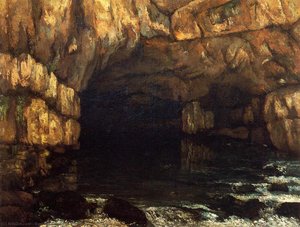
- The Wave

 Koupit tisk Koupit digitální obrázek
 Sdílet
 Sdílet
 Podrobnosti o díle
 Přidat do oblíbených

 Stáhnout
 Podobné položky
 Rentgenové snímky
 Slideshow
The Wave
 Acrylic On Canvas
- WallArt
- Contemporary Realism
 1869
1869 63.0 x 92.0 cm
 Städel Museum
 Zobrazit více
Ručně malovaná olejová reprodukce
Ručně malovaná olejná barva na plátně ve vašem zvoleném rozměru i s rámem, vyrobená našimi umělci na zakázku.




P118B $10

P118H $10

P118W $10

P438Z $10

P508JH $12

P508YH $12

P805H $10

P805Z $10

P919BZ $10

P919G $10

P919XJ $10

P959ZH $10

P968JZ $12

W106C $8

W218G $10

W218JH $8

W218Y $10

W307PJ $10

W316G $10

W316PJ $8

W316Y $10

W398PJ $8

W4111J $10

W500HY $15

W500JH $15

W692G $12

W849H $8

W940BG $15

W953PJ $8




Vyberte si z našich přednastavených velikostí, které odpovídají původním proporcím díla.

Můžete zadat vlastní rozměry pro konkrétní rám nebo prostor. Pokud se vámi vybraná velikost neshoduje s proporcemi původního obrazu, dílo buď ořízneme, nebo jej doplníme ručně malovanými prvky. Před zahájením výroby vám bude zaslán digitální náhled ke schválení.
Upozorňujeme, že náhled na obrazovce neodpovídá skutečnému ořezu ani rozšíření. Pouze digitální náhled přesně zobrazí finální kompozici.
Ačkoliv je možné zvolit vlastní velikost, pro zachování původních proporcí doporučujeme vybrat rozměr z předdefinovaného seznamu.
Po přijetí objednávky vám tým OriginalUniqueArt.com zašle e-mail s pokyny a poskytne náhledovou verzi.
Celosvětová doprava () za 3–4 týdny namísto standardních 5 týdnů. (16 červenec). Bez kompromisů v kvalitě.

Zdarma celosvětová expresní doprava

Vysoce kvalitní lněné plátno

Kompletní přepravní pojištění

Záruka vrácení celního poplatku

Záruka přesného barevného shodu

60denní lhůta pro vrácení zboží (pouze při vadách výroby)

100% garance vrácení peněz

Sleva při hromadné objednávce
 Skleněná varianta je dostupná pouze u rozměrů menších než 110 cm

The Wave
Technika reprodukce
Rozměry reprodukce
-


Celková cena za výběr
-
Popis díla
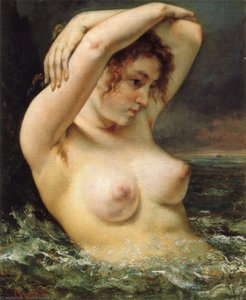
A Tempestuous Vision of Nature’s Might: Gustave Courbet's “The Wave”
Gustave Courbet’s monumental oil painting, “The Wave,” completed in 1869, stands as a cornerstone of Realism and a defiant proclamation against the romanticized depictions prevalent during its era. More than just a landscape; it’s an immersive experience designed to confront viewers with the raw power and sublime beauty inherent in untamed natural forces – specifically, the ocean.
- Subject Matter: The painting captures a dramatic seascape dominated by a colossal wave crashing against a rocky shoreline. Courbet eschewed idealized representations of nature, opting instead for meticulous observation to convey the visceral reality of the scene.
- Style & Technique: Courbet’s approach aligns perfectly with Realism's core tenets. He employed impasto—thickly applied paint—creating palpable texture and capturing the dynamism of the wave’s movement. The artist meticulously documented every detail, from the foam crest to the weathered rocks, rejecting artistic conventions that prioritized beauty over accuracy.
- Historical Context: Painted during a period marked by significant social upheaval in France – including debates surrounding industrialization and societal reform – “The Wave” served as a visual manifesto for Courbet’s belief in portraying life as it truly is. It challenged the academic establishment's preference for mythological narratives and historical grandeur, asserting that art should reflect everyday experience.
Beyond its technical prowess, “The Wave” resonates deeply with symbolic meaning. The wave itself embodies overwhelming force, representing both destructive potential and regenerative energy – a motif frequently explored in Romantic art but interpreted by Courbet with unflinching honesty. Its sheer scale underscores humanity’s insignificance against the immensity of nature, prompting contemplation on our place within the cosmos.
Courbet's intention wasn’t merely to depict what he saw; he aimed to evoke an emotional response in his audience. The painting’s turbulent brushstrokes and muted palette convey a sense of unease and awe, mirroring the experience of confronting such overwhelming natural grandeur. It compels viewers to confront their own vulnerability and appreciate the sublime – a concept championed by Edmund Burke as a reaction against Romantic idealism.
- Interior Design Considerations: “The Wave”’s powerful imagery lends itself beautifully to interior spaces seeking dramatic impact. Large-scale reproductions can transform living rooms into immersive environments, channeling the energy of the ocean and fostering contemplation.
- Collector Appeal: As a seminal work of Realism, “The Wave” commands considerable prestige among art collectors. Its uncompromising depiction of nature’s power speaks to an enduring fascination with the sublime and represents a pivotal moment in artistic history.
Biografie umělce
A Rebel’s Brush: The Life and Legacy of Gustave Courbet
Jean Désiré Gustave Courbet, born in Orléans, France, on June 10, 1819, stands as a monumental figure in the history of art – a defiant iconoclast who irrevocably altered the trajectory of painting during the mid-nineteenth century. His artistic journey wasn’t merely about applying pigment to canvas; it was a courageous confrontation with established conventions and an unwavering dedication to portraying reality without embellishment, cementing his place as one of the foremost champions of Realism. Growing up in a respectable bourgeois household instilled in him a formative appreciation for art and fostered by his mother's encouragement, Courbet embarked on a path that would reshape artistic discourse forever.Early Training and Influences
His formal education commenced at the École des Beaux-Arts in Paris in 1839, yet he swiftly recognized the limitations of academic formalism – the idealized depictions favored by the Romantic movement – and rejected them with resolute conviction. While acknowledging subtle influences from Eugène Delacroix and Théodore Géricault, Courbet forged his own distinctive style, prioritizing observation over imaginative speculation and truthfulness above tradition. These artists served as touchstones for his artistic development, yet Courbet deliberately distanced himself from their stylistic choices, asserting a singular vision of the creative process.The Birth of Realism: Challenging Artistic Conventions
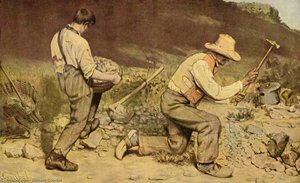
Courbet’s artistic breakthrough arrived with his unwavering commitment to depicting everyday life – particularly the laboring classes and rural landscapes – on an unprecedented scale. Initially exploring portraits and landscapes, he soon turned his gaze toward scenes of working-people's existence, rendering them with monumental grandeur that challenged the prevailing aesthetic sensibilities. This decision wasn’t merely stylistic; it was a profound statement about artistic responsibility—a refusal to ignore or sanitize the realities of human experience. Critics initially scorned his approach, labeling it crude and lacking in beauty, yet Courbet persisted in his pursuit of authenticity, recognizing its inherent value as an expression of human dignity. The painting *The Stone Breakers*, completed in 1849 but tragically destroyed during World War II, exemplifies this uncompromising stance—a stark portrayal of two laborers engaged in arduous toil, their faces obscured by exhaustion and grime. This work powerfully conveyed the essence of Realism: confronting uncomfortable truths without resorting to romantic idealism.Notable Works and Artistic Philosophy
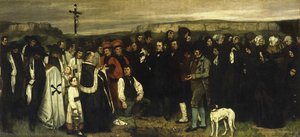
Courbet’s artistic philosophy extended beyond subject matter to encompass technique. He championed a direct approach—applying paint thickly onto the canvas (*impasto*)—that emphasized the materiality of the medium itself, mirroring the textures and colors of the natural world. His monumental canvases like *A Burial at Ornans* (1850-51) shocked audiences accustomed to idealized religious paintings with their unflinching realism and lack of emotional sentimentality. This painting served as a deliberate rebuke to artistic conventions—a refusal to succumb to decorative embellishment in favor of honest representation. Similarly, *The Painter’s Studio* (1855), an allegorical depiction reflecting his belief in the transformative power of art and engaging with pressing social issues, solidified his reputation as a visionary artist who dared to challenge societal norms. His participation in the Salon des Refusés in 1863—an exhibition showcasing rejected artworks—further cemented his status as a rebellious figure committed to artistic freedom. Landscapes like *View in the Forest of Fontainebleau* (1855) were imbued with a similar spirit of realism, capturing the beauty of nature without romanticizing it.Legacy and Influence
Gustave Courbet’s impact on subsequent generations of artists is undeniable. He liberated Impressionists and Post-Impressionists from the constraints of academic tradition, encouraging them to explore new visual languages—a legacy that continues to resonate today. His unwavering conviction in portraying reality truthfully—without idealization or embellishment—established him as a pioneer of Realism and profoundly influenced artistic discourse throughout the late nineteenth century. He died peacefully on December 31, 1877, leaving behind an enduring testament to the transformative potential of art – a legacy that continues to inspire artists striving for authenticity and social engagement.
Gustav Courbet
1819 - 1877 , Francie
Rychlé fakta
- Artistic Movement Or Style: Realismus
- Artists Or Movements Influenced By This Artist:
- Impressionismus
- Postimpressionismus
- Artists Who Influenced This Artist:
- Delacroix
- Géricault
- Caravaggio
- Date Of Birth: 10 června 1819
- Date Of Death: 31 prosince 1877
- Full Name: Gustave Courbet
- Nationality: Francouzský
- Notable Artworks:
- Štěpnice
- Vlna
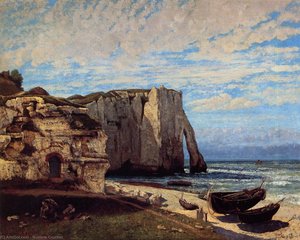
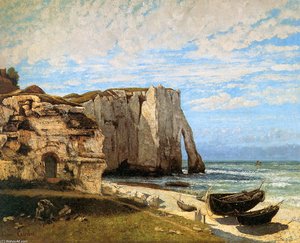
- Rocky Seashore
- Place Of Birth: Orléans, Francie
Související články
The Barbizon School: Pioneering Realism & the Pastoral Vision in 19th-Century French Painting
Explore the Barbizon School's pivotal role in 19th-century French painting. Discover how these artists revolutionized landscape art with their commitment to Realism and a profound connection to nature. Learn about key figures like Rousseau, Millet & Corot.
Gustave Loiseau: Capturing the Ephemeral Light of French Landscapes
Explore the captivating landscapes of Gustave Loiseau, a key Post-Impressionist painter. Discover his unique 'en treillis' technique and artistic legacy with our comprehensive guide.

Impresionismus v obrazech: Top 10 děl, které definují tento revoluční styl
Prozkoumejte 10 ikonických děl impresionismu od Monet, Renoir a dalších. Objevte příběhy za obrazy plnými světla a barev. Reprodukce nejvyšší kvality pro váš interiér na OriginalUniqueArt.com
Gustave Courbet: Realism's Revolutionary Vision & the Social Canvas of 19th-Century France
Explore the revolutionary art of Gustave Courbet, pioneer of Realism. Discover his iconic paintings, social commentary, and lasting impact on 19th-century French art history. Expert analysis & insights.
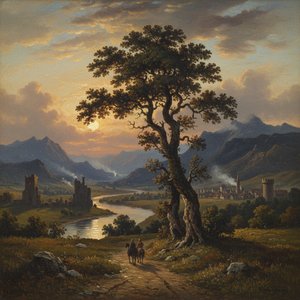
Paul Huet: Capturing the Essence of French Romanticism Through Light and Landscape
Explore the captivating world of Paul Huet (1803-1869), a master of French Romantic landscape painting. Discover his influence on Barbizon & Impressionism, and browse high-quality reproductions at OriginalUniqueArt.