
 Zobrazit v interiéru
 Odeslat
 Sdílet
 Podrobnosti
 Průvodce

 Stáhnout obrázek
 Podobné kousky
 Rentgenové snímky
 Slideshow
 Statistiky
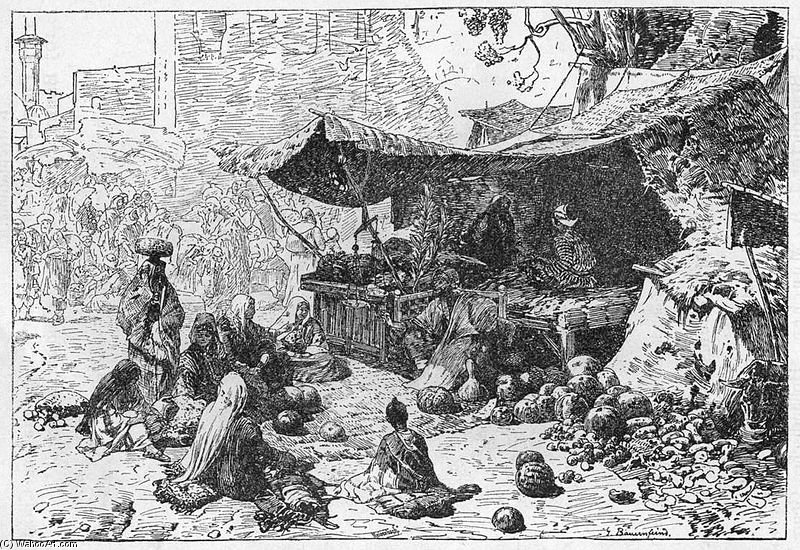
Markt In Jaffa
 Přečíst si více
Giclée / Umělecký tisk
Giclée nebo plátěný tisk muzeální kvality s rychlou výrobou a širokou nabídkou povrchových úprav. ( Objednat ručně malovanou reprodukci Přepnout na digitální verzi obrazu)




































Vyberte si z našich přednastavených velikostí, které odpovídají původním proporcím díla.

Můžete zadat vlastní rozměry tak, aby výtvor odpovídal konkrétnímu rámu nebo prostoru. Pokud zvolená velikost nebude odpovídat poměru stran původního obrazu, dílo buď ořížeme, nebo obraz rozšíříme pomocí zrcadlového efektu či jednobarevného okraje. Před zahájením výroby vám bude zaslán digitální náhled k schválení.
Mějte prosím na paměti, že náhled na obrazovce neodráží skutečné oříznutí nebo rozšíření. Pouze digitální náhled přesně zobrazí finální kompozici.
Ačkoliv jsou k dispozici i vlastní rozměry, pro zachování původních proporcí doporučujeme vybrat si rozměr z předdefinovaného seznamu.
Celosvětové doručení () do 2 týdnů namísto standardních 4/5 týdnů. (26 září)

Zdarma celosvětová expresní doprava

Vysoce kvalitní lněné plátno

Úplné pojištění přepravy

Záruka vrácení celního poplatku

Záruka věrného barevného shodu

100dení lhůta pro vrácení zboží (pouze při vadách výroby)

100% garance vrácení peněz

Sleva při více objednávkách
 Skleněná varianta je dostupná pouze u rozměrů menších než 110 cm

Markt In Jaffa
Giclée / Umělecký tisk
Velikost reprodukce
-


Celková cena
$ 80
Biografie umělce
The Painter of Holy Land Landscapes
Gustav Bauernfeind (1848-1904) stands as a pivotal figure in German Orientalist painting, recognized for his meticulous depictions of Jerusalem and the broader landscapes of Palestine during the late 19th century. His work transcends mere topographical accuracy; it embodies a profound engagement with biblical themes and a masterful command of artistic technique—characteristics that cemented his reputation as one of the era’s most celebrated artists. Born in Sulz am Neckar, Germany, Bauernfeind's artistic journey began amidst familial influences rooted in Jewish heritage, shaping his worldview and subtly informing his creative vision.
Bauernfeind’s formative years were marked by a dedication to architectural studies at Stuttgart Polytechnic Institute. This grounding in design principles would prove invaluable as he apprenticed under Wilhelm Bäumer and Adolph Gnauth, honing his skills alongside fellow craftsmen—a partnership that fostered not only technical proficiency but also an appreciation for detailed observation and artistic representation. Initially, Bauernfeind’s canvases explored familiar German landscapes, such as Bavarian Alps vistas and serene Rhine river scenes, establishing a foundational style characterized by realism and tonal subtlety. However, the transformative experience of his 1880-1882 expedition to the Levant ignited a passion for the Orient that would dominate his subsequent artistic endeavors.
A Journey Through the Levant
The pilgrimage to Palestine irrevocably altered Bauernfeind’s artistic trajectory. He returned repeatedly to Jerusalem and Lebanon, immersing himself in the sights and sounds of Middle Eastern life—a fascination reflected in his increasingly ambitious compositions. Unlike earlier works prioritizing serene landscapes, Bauernfeind's later paintings captured the bustling energy of marketplaces, religious processions, and architectural grandeur. His ability to translate the sacred stones of Jerusalem into emotionally resonant art allowed him to bridge the gap between the physical world and spiritual devotion.
In his most celebrated works, such as The Gate of the Great Umayyad Mosque, Bauernfeind employs a palette of warm ochre yellows, terracotta reds, and earthy browns. These sun-baked hues mirror the desert landscape, lending an air of authenticity to his scenes. Through loose, expressive strokes, he conveys the movement of jostling crowds and animated conversations, creating a palpable sense of immediacy. His mastery is often seen in how he directs the viewer’s gaze toward imposing domes or ancient walls, symbolizing faith and timeless beauty through a pyramidal composition.
Legacy and Artistic Significance
Beyond his technical skill as a painter, Bauernfeind was also a talented illustrator and architect, a versatility that allowed him to capture the structural essence of the cities he visited. His legacy is defined by several key contributions to the Orientalist movement:
- Architectural Precision: His training in Stuttgart enabled him to render the intricate details of Middle Eastern architecture with unparalleled accuracy.
- Cultural Documentation: His works serve as a vital visual record of 19th-century life in Jerusalem, Jaffa, and Morocco.
- Emotional Depth: He moved beyond simple exoticism to capture the spiritual atmosphere and religious significance of the Holy Land.
Ultimately, Gustav Bauernfeind remains an essential figure for those seeking to understand the intersection of German realism and Orientalist fascination. His life, which concluded in Jerusalem in 1904, was a testament to his lifelong devotion to the landscapes that captured his soul, leaving behind a body of work that continues to transport viewers back to a vibrant, bygone era.

Gustav Bauernfeind
1848 - 1904 , Germany
Rychlé informace
- Artistic Movement Or Style: Orientalism
- Artists Or Movements Influenced By This Artist: ['Symbolism']
- Artists Who Influenced This Artist:
- Wilhelm Bäumer
- Adolph Gnauth
- Date Of Birth: September 4, 1848
- Date Of Death: December 24, 1904
- Full Name: Gustav Bauernfeind
- Nationality: German
- Notable Artworks:
- The Wailing Wall
- Market at Jaffa
- Place Of Birth: Sulz am Neckar, Germany