Zobrazit v interiéru
 Odeslat
 Sdílet
 Podrobnosti
 Průvodce

 Stáhnout obrázek
 Podobné kousky
 Rentgenové snímky
 Slideshow
 Statistiky
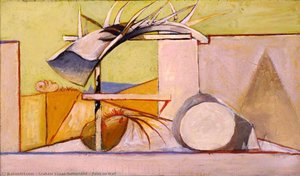
The Deposition
 Oil On Canvas
- WallArt
- Expressionism
 1947
1947- Renaissance
 50.0 x 45.0 cm
 Oxford Brookes University
 Přečíst si více
Umělecké dílo zobrazené na této stránce je chráněno autorským zákonem, což znamená, že nemůžeme legálně vytvářet ani prodávat jeho identickou reprodukci. Tato ochrana je vymáhána na základě mezinárodních dohod, jako například Berberská úmluva a národními zákony, včetně těch stanovených v Americký autorský zákon – Díl 17. Všechna práva vyhrazena.
Tato metoda je plně v souladu s autorským právem, protože nezahrnuje kopírování ani duplikování chráněného díla. Jde o kreativní reinterpretaci – nový obraz, který je inspirován originálem, ale není s ním identický.
Giclée / Umělecký tisk
Giclée nebo plátěný tisk muzeální kvality s rychlou výrobou a širokou nabídkou povrchových úprav. ( Objednat ručně malovanou reprodukci Přepnout na digitální verzi obrazu)




P118B Kč10

P118H Kč10

P118W Kč10

P438Z Kč10

P508JH Kč12

P508YH Kč12

P805H Kč10

P805Z Kč10

P919BZ Kč10

P919G Kč10

P919XJ Kč10

P959ZH Kč10

P968JZ Kč12

W106C Kč8

W218G Kč10

W218JH Kč8

W218Y Kč10

W307PJ Kč10

W316G Kč10

W316PJ Kč8

W316Y Kč10

W398PJ Kč8

W4111J Kč10

W500HY Kč15

W500JH Kč15

W692G Kč12

W849H Kč8

W940BG Kč15

W953PJ Kč8




Vyberte si z našich přednastavených velikostí, které odpovídají původním proporcím díla.

Zadejte šířku a výšku, které potřebujete pro váš rám nebo stěnu. Tisk lze pouze oříznout, nikdy však nelze zvětšit obraz nad jeho původní rozměr, proto při výběru jiného formátu dochází ke ztrátě části obrazu. Před samotným tiskem vám zašleme digitální náhled k schválení. Obraz zobrazený na této stránce nenabízí skutečný výřez — ten uvidíte pouze v náhledu.
Celosvětové doručení () do 2 týdnů namísto standardních 4/5 týdnů. (24 říjen)

Zdarma celosvětová expresní doprava

Vysoce kvalitní lněné plátno

Úplné pojištění přepravy

Záruka vrácení celního poplatku

Záruka věrného barevného shodu

100dení lhůta pro vrácení zboží (pouze při vadách výroby)

100% garance vrácení peněz

Sleva při více objednávkách
 Skleněná varianta je dostupná pouze u rozměrů menších než 110 cm

The Deposition
Giclée / Umělecký tisk
Velikost reprodukce
-


Celková cena
Kč 1709
The Deposition: A Study in Grief and Hope
Graham Vivian Sutherland’s “The Deposition,” painted in 1947, is not merely a depiction of a biblical scene; it's a profoundly moving meditation on loss, sacrifice, and the enduring promise of redemption. This oil painting, now meticulously reproduced as a hand-painted artwork by OriginalUniqueArt, transcends its religious subject matter to become a universal symbol of human suffering and the quiet strength found within grief. Sutherland, a master of subtly shifting styles – from the precise detail of his early engravings to the evocative abstraction of his later landscapes – here fuses elements of Surrealism and Expressionism, creating an image that is both unsettlingly realistic and deeply symbolic.
The painting’s genesis lies in a period of immense upheaval. Created in the immediate aftermath of World War II, Sutherland was grappling with the horrors he had witnessed and the profound sense of loss felt across Europe. The influence of the Holocaust, particularly the images of emaciated survivors emerging from concentration camps, is undeniably present. The stark simplicity of the figures – Christ’s body draped over a rough-hewn wooden structure resembling a tomb or sarcophagus – immediately evokes the skeletal remains seen in photographs of those liberated from Belsen. The pallid skin tone, devoid of detail and rendered with a deliberate lack of emotional expression, amplifies this sense of profound absence. Yet, within this bleakness, Sutherland introduces subtle gestures that hint at an underlying current of hope: Mary’s outstretched hand reaching towards her son, Joseph’s stoic support, and the faint suggestion of a halo around Christ's head.
A Palette of Somber Reflection
Sutherland’s masterful use of color contributes significantly to the painting’s emotional impact. The palette is dominated by muted earth tones – ochre, browns, and grays – creating an atmosphere of quiet melancholy and introspection. These somber hues are punctuated by flashes of blue in Mary's garment, a subtle reminder of her maternal grief and the Virgin’s enduring sorrow. The background, rendered in a warm yellowish-brown, provides a sense of depth and anchors the scene within an enclosed space – perhaps a tomb or a simple chapel – intensifying the feeling of confinement and despair. The deliberate lack of strong light sources further enhances this mood, casting the figures in a perpetual twilight that mirrors the spiritual darkness surrounding them.
Symbolism and Historical Context
Beyond its immediate depiction of “The Deposition,” the painting is rich with symbolic meaning. The inclusion of Adam’s skull at the base of the cross references the biblical narrative of humanity's fall from grace, suggesting that Christ’s sacrifice represents not only redemption but also a restoration of lost innocence. Sutherland’s decision to strip away extraneous details and focus on the essential forms – the body, the hands, the faces – is reminiscent of the work of Grünewald, a German painter known for his emotionally charged depictions of the Passion. The painting's creation coincided with a period of intense theological reflection within the Catholic Church, grappling with questions of faith in the face of unimaginable suffering. Sutherland’s work can be seen as a poignant response to these challenges, offering a visual meditation on the complexities of human existence and the enduring power of spiritual belief.
The Reproduction: Bringing Sutherland's Vision to Life
OriginalUniqueArt’s meticulous hand-painted reproductions capture the essence of Sutherland’s original vision with remarkable fidelity. Each brushstroke, each subtle shift in color, is faithfully recreated, ensuring that the emotional depth and symbolic richness of “The Deposition” are preserved for contemporary audiences. The textured surface of the reproduction evokes the physicality of oil paint, creating a tangible connection to the artist's studio. This isn’t simply a print; it’s an immersive experience—a window into the heart of one of Britain’s most significant modern artists. Whether adorning a grand salon or a contemplative study, this artwork offers a powerful reminder of humanity’s capacity for both profound suffering and enduring hope.
- Size:** 50 x 45 cm
- Date:** 1947
- Artist:** Graham Vivian Sutherland
Otázky a odpovědi
Kolik lidí si prohlíží „The Deposition"?
Statistiky k dílu „The Deposition“ od Graham Vivian Sutherland naleznete na stránce Statistiky tohoto díla: měsíční návštěvnost díla, návštěvnost děl daného umělce a rozpis nedávných návštěvníků podle zemí a jazyků.
Jak je popsána paleta díla „The Deposition“ od Graham Vivian Sutherland?
Paleta díla „The Deposition“ od Graham Vivian Sutherland je popsána jako Earthy. Jde o stručný popis barev tohoto díla.
Jakou atmosféru má dílo "The Deposition"?
„The Deposition“ má Dramatic atmosféru.
Biografie umělce
Vize krajiny: Graham Vivian Sutherland
Graham Vivian Sutherland, tyran britského modernismu, disponoval vzácnou schopností proměnit známé obrysy přírodního světa v něco hluboce znepokojivého a duchovně silného. Narodil se v Londýně ve čtvrti Streatham v roce 1903 a jeho životní cesta byla neustálou metamorfózou. Ačkoliv jeho raná léta formovala klasická výchova na Epsom College, jeho skutečné povolání se zrodilo daleko od právnických kruhů jeho rodiny. První krok do technického světa během učebnického poměru v dílnách lokomotiv Midland Railway mu poskytl základy preciznosti, které se později projevily v jeho intricate grafice a texturovaných olejomalbách. Při přechodu na Goldsmiths' School of Art se Sutherland začal vzdalovat od tradiční reprezentace a nechal se pohltit evokativní silou rytiny a leptání.
Raná estetika umělce byla hluboce zakořeněna v romantismu Samuela Palmera, přesto odmítal zůstat poután v minulosti. Místo toho se Sutherland stal mostem mezi anglickou pastorální tradicí a radikální energií evropských avantgardních směrů. Nasáváním snové logiky surrealismu a syrové emočnosti expresionismu vyvinul vizuální jazyk, který dokázal zachytit jak fyzickou krajinu, tak psychický stav. Jeho rané grafické práce, charakterizované pocitem tajemna a organickými tvary, položily základy pro kariéru definovanou posedlostí „cizostí“ přírody – tématem, které se stalo jeho nejtrvalějším odkazem.
Stín přírody a válečné roky
Čtyřdesátá let byla v Sutherlandově vývoji klíčovým obdobím, kdy se jeho pozornost přesunula z jemného média grafiky k viscerálním, impastovým texturám olejomalby. Právě v tomto období se drsné, větrem ošlehané krajiny Pembrokeského útesu staly jeho hlavní múzou. V dílech jako Trnový strom lze spatřit umělcův mistrovský smysl pro propojování botanické reality se surrealistickou deformací. Nenalíral pouze stromy; maloval napětí, boj a kosterní architekturu samotného života. Toto období ho dovedlo k abstraktnějšímu, avšak hluboce symbolickému způsobu vidění, kde trny, kořeny a zkroucené větve sloužily jako metafory lidské zranitelnosti i odolnosti.
Druhá světová válka do jeho tvorby vnesla jiný, temnější rozměr. Jako oficiální válečný umělec obrátil Sutherland svůj pohled k průmyslovým a často strašidelným scénám britské domácí fronty. Jeho malby z této éry, například Sklady letajících bomb: Jaskině, jsou mistrovskými lekcemi v tvorbě atmosféry. Skrze těžké textury a paletu vyvolávající rozklad i hrůzu zachytil děsivou prázdnotu válečných interiérů. Tato díla nebyla pouhou dokumentací; byla to psychologická portrétní díla éry poznačené úzkostí a stínem blížící se destrukce, zrcadlící roztříštěnou realitu světa v ohni války.
Odkaz symbolismu a velkoleposti
V poválečných letech dílo Sutherlands vystoupalo k novým výšinám duchovního a veřejného významu. Začal integrovat náboženský symbolismus do svých organických motivů a vytvořil mocnou syntéru toho sakrálního i přirozeného. To vyvrcholilo jedním z jeho nejmonumentálnějších úspěchů: návrhem masivního centrálního gobelínu pro nový katedrálu v Coventry s názvem Kristus ve slávě v tetramorfu. Toto dílo, které využilo jeho schopnost manipulovat s formou a barvou v grandiózním měřítku, stojí jako svědectví o jeho roli při kulturní obnově poválečné Británie.
Během své plodné kariéry dokázala Sutherlandova všestrannost zanechat nezmazatelnou stopu v mnoha disciplínách:
- Portrétnictví: Jeho schopnost zachytit psychologickou hloubku veřejných osobností, jako je jeho důstojný a melancholický Somerset Maugham.
- Grafika: Celoživotní oddanost preciznosti leptání a rytiny, která formovala jeho vnímání linie a struktury.
- Dekorativní umění: Jeho přínos k návrhům gobelínů a skleněnému umění, který přinesl moderní abstrakci do sféry funkcionální krásy.
V konečném důsledku zůstává Graham Sutherland pilířem 20. století právě proto, že se odvážil hledat pod povrchem krajiny. Našel surrealismus v tom, co je skutečné, a božstvo v tom, co je organické. Jeho odkaz se nenachází pouze v muzeích, ale v samotném způsobu, jakým vnímáme skrytou, často ostrou krásu světa kolem nás – světa, kde každý trn vypráví příběh a každý stín skrývá tajemství.

Graham Vivian Sutherland
1903 - 1980 , Spojené království
Rychlé informace
- Artistic Movement Or Style: Surrealismus
- Artists Or Movements Influenced By This Artist: ['Paul Nash']
- Artists Who Influenced This Artist:
- Samuel Palmer
- F.L. Griggs
- Date Of Birth: August 24, 1903
- Date Of Death: February 17, 1980
- Full Name: Graham Vivian Sutherland
- Nationality: Angličan
- Notable Artworks:
- Flying Bomb Depot
- Entrance to a Lane
- Place Of Birth: Londýn, Anglie
Související články

Evocations of Place: A Historical Journey Through Landscape Art
Explore the rich history of landscape art with OriginalUniqueArt. Discover renowned artists, movements like Impressionism & tonalism, and expert guidance for collecting timeless pieces. Find your perfect serene escape today!

Evocations of Place: A Historical Journey Through Landscape Art
Explore the rich history of landscape art with OriginalUniqueArt. Discover renowned artists, movements like Impressionism & Romanticism, and expert guidance for collecting timeless pieces. Find your perfect serene escape today!

John Constable: 25 mistrovských děl krajinářské poezie | OriginalUniqueArt.com
Prozkoumejte 25 ikonických děl Johna Constabla, mistra anglického krajinářství a romantismu. Obdivujte jeho olejomalby, plátna s venkovskou atmosférou a inspirujte se pro dekoraci interiéru. Reprodukce obrazů nejvyšší kvality na OriginalUniqueArt.com

Romantická krajina v malbě: 10 mistrovských děl, které definovaly umělecký proud | OriginalUniqueArt
Prozkoumejte 10 ikonických děl romantické krajinářské malby! Objevte příběhy Caspara Davida Friedricha, Turnera a dalších mistrů. Reprodukce obrazů nejvyšší kvality pro váš interiér na OriginalUniqueArt.com.

Evoking Atmosphere & Identity: A Journey Through Landscape Painting's History
Explore the rich history of landscape painting! Discover renowned artists, movements like Romanticism, & techniques such as atmospheric perspective. Find inspiration and quality reproductions at OriginalUniqueArt.