
 Náhled v interiéru
 Sdílet
 Sdílet
 Podrobnosti o díle
 Průvodce

 Stáhnout
 Podobné položky
 Rentgenové snímky
 Slideshow
 Otázky a odpovědi
 Statistiky
Self Portrait


 Zobrazit více
Umělecké dílo zobrazené na této stránce je chráněno autorským zákonem, což znamená, že nemůžeme legálně vytvářet ani prodávat jeho identickou reprodukci. Tato ochrana je vymáhána na základě mezinárodních dohod, jako například Berberská úmluva a národními zákony, včetně těch stanovených v Americký autorský zákon – Díl 17. Všechna práva vyhrazena.
Tato metoda je plně v souladu s autorským právem, protože nezahrnuje kopírování ani duplikování chráněného díla. Jde o kreativní reinterpretaci – nový obraz, který je inspirován originálem, ale není s ním identický.
Giclée / Umělecký tisk
Giclée nebo plátěný tisk muzeální kvality s rychlou výrobou a širokou nabídkou povrchových úprav. ( Koupit ručně malovaný obraz Přepnout na digitální obraz)




































Vyberte si z našich přednastavených velikostí, které odpovídají původním proporcím díla.

Zadejte šířku a výšku, které potřebujete pro váš rám nebo stěnu. Tisk lze pouze oříznout, nikdy však nelze zvětšit obraz nad jeho původní rozměr, proto při výběru jiného formátu dochází ke ztrátě části obrazu. Před samotným tiskem vám zašleme digitální náhled k schválení. Obraz zobrazený na této stránce nenabízí skutečný výřez — ten uvidíte pouze v náhledu.
Celosvětové doručení () do 2 týdnů namísto standardních 4/5 týdnů. (4 listopad)

Zdarma celosvětová expresní doprava

Vysoce kvalitní lněné plátno

Kompletní pojištění přepravy

Záruka vrácení celního poplatku

Záruka věrného barevného souladu

100dení lhůta pro vrácení zboží (pouze při vadách výroby)

100% záruka vrácení peněz

Sleva při více objednávkách
 Skleněná varianta je dostupná pouze u rozměrů menších než 110 cm

Self Portrait
Giclée / Umělecký tisk
Rozměry reprodukce
-


Celková cena za vybrané možnosti reprodukcí
Kč 1766
Otázky a odpovědi
Lze obraz díla „Self Portrait“ od Gordon De La Mothe volně reprodukovat?
Co se týče autorských práv, dílo "Self Portrait" spadá do stále chráněno autorským právem.
Jakou převládající barvu má dílo „Self Portrait“ od Gordon De La Mothe?
Hlavní barvou díla „Self Portrait“ od Gordon De La Mothe je Espresso (#5a4d49).
Jaké barvy dominují dílu „Self Portrait“ od Gordon De La Mothe?
Barevná identita díla „Self Portrait“ od Gordon De La Mothe: paleta v odstínech Earthy, s převládající barvou Espresso (#5a4d49).
Biografie umělce
A Life Rooted in Grenada, Reimagined Through Art
Gordon de la Mothe’s journey as an artist is inextricably linked to his birthplace, the idyllic island of Carriacou, Grenada. Born in 1933, he absorbed the vibrant culture and raw beauty of his surroundings during his formative years, experiences that would later become a powerful undercurrent in his artistic expression. His early education at the Grenada Boys Secondary School laid a foundation, but it was his move to Luton, England in 1958 that truly ignited a period of profound transformation. This relocation wasn’t merely a geographical shift; it was an immersion into a different world—a world marked by evolving social landscapes and burgeoning civil rights movements. Witnessing the complexities of racial dynamics and societal shifts firsthand profoundly influenced his artistic vision, pushing him to explore themes of identity, sexuality, and the often-fraught relationship between race and representation.Navigating Identity and Challenging Perceptions
De la Mothe’s work is characterized by a fearless exploration of what he terms “racialised beauty.” He doesn't shy away from confronting societal norms or challenging conventional perceptions, instead choosing to celebrate the diverse spectrum of Black identity with honesty and nuance. This commitment manifested early in his career, evolving through various mediums—from sketching and portraiture to more expansive acrylic works. His art became a vehicle for reclaiming narratives, offering counter-representations to dominant stereotypes. The publication of his seminal work, Reconstructing the Black Image in 1993, solidified his position as a critical thinker and advocate for nuanced representation within the art world. It wasn’t simply about depicting Black figures; it was about dismantling preconceived notions and presenting multifaceted portrayals that acknowledged both vulnerability and strength. His sketches of Rastafari figures from 1981, for example, are not merely observational studies but intimate glimpses into a culture often misunderstood or misrepresented.A Return to Roots and Continued Recognition
After over three decades living in England, de la Mothe made the poignant decision to return to Grenada in the 1990s. This wasn’t an abandonment of his artistic pursuits but rather a homecoming—a chance to reconnect with the source of his inspiration and contribute directly to the cultural landscape of his birthplace. His self-portrait from 2009, titled ‘A Matter of Reflection’, offers a compelling insight into this period of introspection. The painting is rich in detail, capturing not just his physical likeness but also a sense of quiet contemplation—a seasoned artist looking back on a life lived between two worlds. This return to Grenada wasn’t simply about personal fulfillment; it was about sharing his knowledge and experience as an art teacher, nurturing the next generation of Caribbean artists.Legacy and Achievements
De la Mothe's contributions extend beyond the canvas. His dedication to art education and activism earned him the prestigious Order of the British Empire (OBE) award in 2015 for his services to art on Grenada. This recognition wasn’t just a celebration of his artistic talent but also an acknowledgement of his unwavering commitment to cultural preservation and social justice. His works, including poignant portraits like “Drawing of Len Garrison” from 1991, are now held in museum collections—testaments to their enduring power and historical significance. His art continues to resonate with audiences today, sparking dialogue about race, identity, and the importance of reclaiming one’s narrative. He stands as a pivotal figure within Caribbean diaspora art, bridging cultural gaps and challenging conventional artistic boundaries.Themes and Techniques
De la Mothe's technical skill is evident in his mastery of various mediums, particularly pastel and acrylic. His portraits are often characterized by realistic detail combined with expressive brushwork, creating a sense of intimacy and emotional depth. He frequently employs grayscale palettes to emphasize form and texture, allowing the subject’s personality to shine through. Beyond technique, however, lies a deeper thematic consistency. Race relations, sexuality, and the exploration of Black British Art are recurring motifs in his work. He doesn't shy away from complex subjects, often using self-portraiture as a means of personal reflection and social commentary. His landscapes and townscapes, particularly those created during his time in Maidstone, offer a unique perspective on the everyday lives of people within a specific cultural context. Ultimately, Gordon de la Mothe’s art is a testament to the power of representation—a powerful voice challenging perceptions and celebrating the beauty of human diversity.
Gordon De La Mothe
1933 - , Grenada
Rychlé informace o umělci
- Artistic Movement Or Style: Portraiture, Sketching
- Date Of Birth: 1933
- Full Name: Gordon de la Mothe
- Nationality: Grenadian
- Notable Artworks:
- Drawing of Len Garrison
- Self Portrait
- Rastafari Sketch No.1
- Place Of Birth: Carriacou, Grenada
Související články

O nás
Objevte náš příběh! Přinášíme umění světové úrovně do vašeho života prostřednictvím odborného výběru, zakázkové tvorby a bezplatných náhledů. Osvědčeno jednotlivcům i firmám od roku 2000.
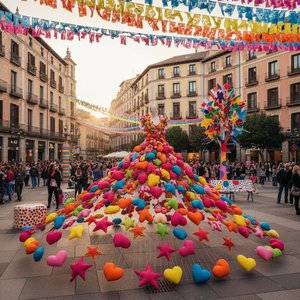
Águeda Ruiz de la Prada: A Study of Eclecticism & Emotional Resonance in Contemporary Spanish Painting
Discover the vibrant world of Ágatha Ruiz de la Prada, a leading figure in contemporary Spanish art. Explore her eclectic style, emotional depth & legacy – a must-read for discerning collectors.

Maurice Quentin de La Tour: Light, Shadow & the Rococo Portrait
Explore the captivating world of Maurice Quentin de La Tour, a master of Rococo portraiture. Discover his innovative pastel techniques, intimate depictions of French aristocracy, and lasting artistic legacy. Learn more at OriginalUniqueArt.

Francisco Goya: 25 mistrovských děl španělského génia | OriginalUniqueArt.cz
Prozkoumejte 25 ikonických děl Francisca Goyi – od romantických portrétů po temné tiskoviny. Objevte příběhy, techniky a umělecký význam španělského mistra na OriginalUniqueArt.cz. Reprodukce obrazů pro váš interiér.

The Soft Power of Pastel: A Connoisseur's Guide to History, Technique, and the Art of Texture
Explore the ethereal beauty of pastel art. From Renaissance origins to Impressionist mastery, discover the history, technique, and velvety textures that define this luminous medium in our expert guide for art connoisseurs.