Přepnout na tisk
 Zobrazit více







































 U děl nebo reprodukcí, u nichž je jakákoliv strana větší než 105 cm (přibližně 41 palců), bude rám dodán jako sestava v rozloženém stavu. Tato metoda zajišťuje bezpečné doručení a chrání dílo před poškozením během přepravy.


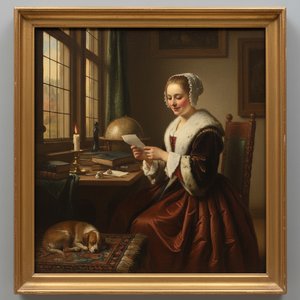
A Dance in Shadow: Godfried Schalcken’s “Cephalus and Procris”
Godfried Schalcken's "Cephalus and Procris," painted around 1680, isn’t merely a depiction of a tragic myth; it’s a masterclass in atmospheric storytelling rendered with the subtle grace characteristic of the Leiden *fijnschilders*. This intimate genre scene, now meticulously reproduced, transports us to a moonlit forest, where the drama unfolds not through grand gestures but through carefully observed details and an exquisite manipulation of light. The painting captures a pivotal moment – Procris’s final moments after being fatally wounded by Cephalus's spear – yet it avoids sensationalism, instead offering a poignant meditation on love, betrayal, and the devastating consequences of suspicion.
Schalcken’s genius lies in his ability to evoke a profound sense of melancholy through the masterful use of candlelight. The scene is bathed in a cool, diffused glow emanating from unseen sources, casting long, dramatic shadows that engulf the figures and heighten the feeling of isolation. Notice how he renders the texture of the forest floor – not with stark realism but with a delicate layering of browns and greens, suggesting damp earth and fallen leaves. This isn’t a landscape designed for immediate recognition; it's an environment imbued with mood and atmosphere, acting as a silent witness to the unfolding tragedy.
The Mythic Core: Echoes of Ovid
The painting draws directly from Ovid’s *Metamorphoses*, one of the most influential narratives of Roman literature. The myth itself is a cautionary tale – a demonstration of how unfounded suspicion can destroy even the purest love. Cephalus, a respected Athenian prince, becomes consumed by jealousy and paranoia after hearing rumors that his wife, Procris, is unfaithful. Driven by this irrational fear, he impulsively kills her with his spear, unaware of the devastating consequences of his actions.
Schalcken doesn’t shy away from the brutality of the event, but he tempers it with a profound sense of sorrow. The composition focuses on Procris's vulnerability – she lies prone on the forest floor, her body partially obscured by shadow, while Cephalus cradles her lifeless form in his arms. His expression is one of anguish and regret, conveying the weight of his irreversible mistake. The subtle details—the delicate folds of her dress, the gentle curve of her hand—underscore her beauty and innocence, making her death all the more heartbreaking.
Technique and Style: A Master of Light
Schalcken’s technical skill is evident in every brushstroke. He employs a meticulous layering technique, building up color gradually to create a sense of depth and realism. The fabrics—Cephalus's cloak and Procris’s dress—are rendered with remarkable detail, showcasing the texture and sheen of the materials. His use of *chiaroscuro* – the dramatic contrast between light and shadow – is particularly noteworthy. It’s not merely a stylistic device; it serves to heighten the emotional impact of the scene, drawing our attention to key elements and creating a sense of drama.
Schalcken was deeply influenced by Gerrit Dou, another prominent Leiden painter known for his atmospheric lighting effects. Like Dou, Schalcken sought to capture the fleeting quality of light and shadow, imbuing his paintings with a sense of immediacy and realism. His work reflects the broader artistic trends of the Dutch Golden Age, characterized by a focus on intimate scenes, psychological depth, and a sophisticated understanding of color and composition.
Symbolism and Emotional Resonance
Beyond the literal depiction of the myth, “Cephalus and Procris” is rich in symbolism. The forest itself represents the unknown—a place of danger and uncertainty. The candlelight symbolizes hope and love, but also the potential for deception and betrayal. The act of killing – a violent intrusion into the quiet beauty of nature – underscores the destructive power of jealousy and suspicion.
Ultimately, Schalcken’s painting is a powerful meditation on human emotions—love, loss, regret, and the devastating consequences of unchecked passion. It's a work that continues to resonate with viewers today, reminding us of the fragility of relationships and the importance of trust. The reproduction captures this emotional depth, allowing you to experience the painting's haunting beauty in your own home.
Otázky a odpovědi
O jaký typ uměleckého díla se jedná u „Cephalus and Procris“ od Godfried Schalcken?
Dílo „Cephalus and Procris“ od Godfried Schalcken je klasifikováno jako WallArt. Tato kategorie určuje typ uměleckého díla, kterým je originál.
Kdo prodává ručně malované kopie díla „Cephalus and Procris“ od Godfried Schalcken?
Ručně malovanou reprodukci díla „Cephalus and Procris“ od Godfried Schalcken si můžete objednat přímo na jeho stránce Ručně malovaná reprodukce: ručně malovaná olejová reprodukce na lněném plátně, vyrábíme na zakázku.
Jak lze vysvětlit situaci s autorskými právy u díla „Cephalus and Procris“ od Godfried Schalcken?
Dílo „Cephalus and Procris“ od Godfried Schalcken spadá do v rámci volného užití – autorská práva vypršela. Autorská práva se počítají od roku úmrtí autora; Godfried Schalcken zemřel(a) v roce 1706.
 Náhled v interiéru
 Sdílet
 Sdílet
 Podrobnosti o díle
 Průvodce

 Stáhnout
 Podobné položky
 Rentgenové snímky
 Slideshow
 Otázky a odpovědi
 Statistiky