
 Náhled
 Sdílet
 Sdílet
 Podrobnosti o díle

 Stáhnout
 Podobné položky
 Rentgenové snímky
 Slideshow
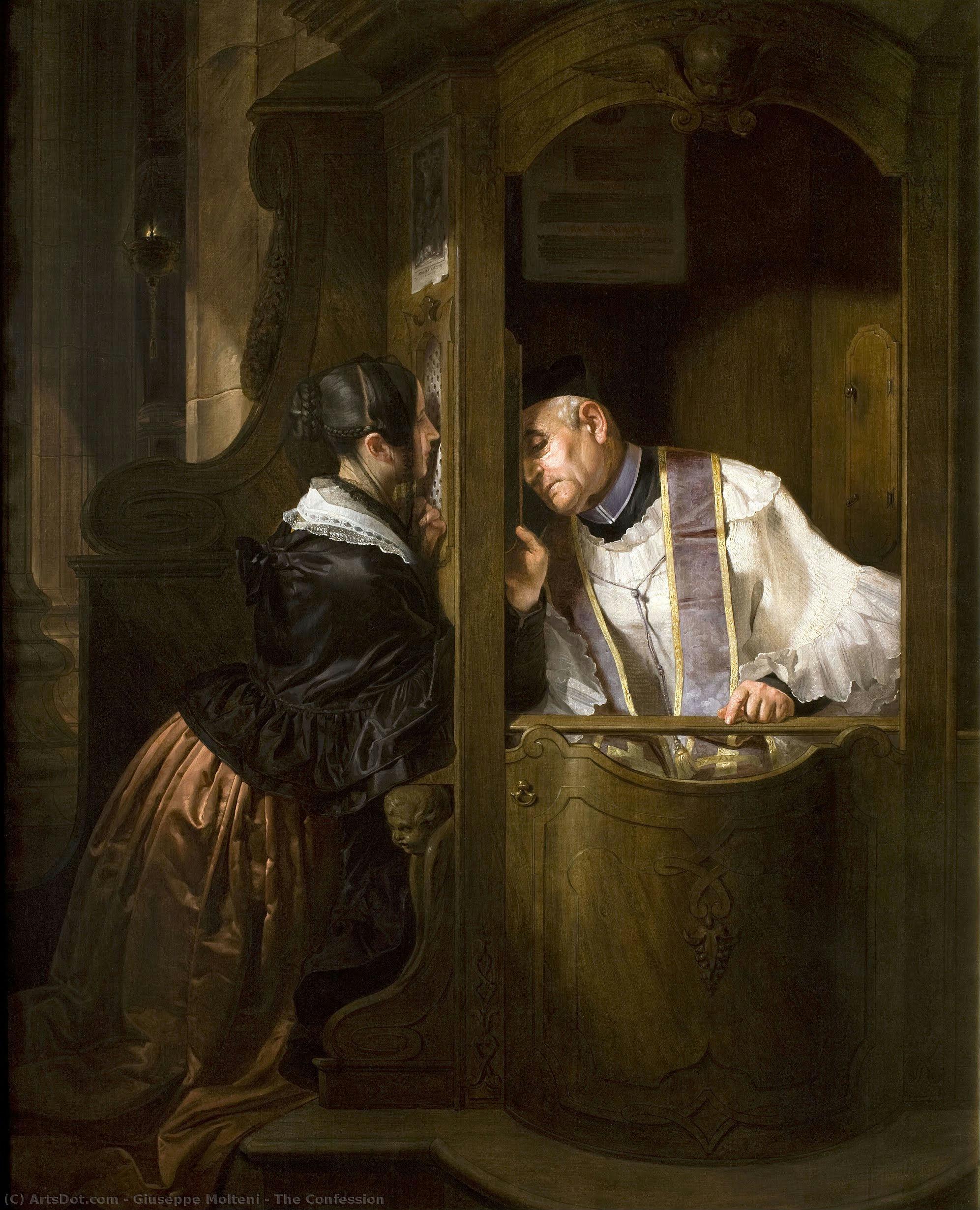
The Confession

 Zobrazit více
Koupě vysoce rozlišeného, vylepšeného digitálního obrazu, který je mnohem kvalitnější než online náhled.
Každý soubor je pečlivě připraven našimi odborníky pomocí pokročilých nástrojů a expertní manuální retuše. Zajišťujeme, aby každý obraz disponoval výjimečnou ostrostí, přesnou barevnou věrností a jemnými detaily.
Finální soubor vám bude do 72 hodin zaslán e-mailem, optimalizovaný pro okamžité použití v profesionálním, redakčním i tiskovém prostředí. Nabízíme stejnou kvalitu, které důvěřují špičková designová studia, nakladatelství i galerie.
Digitální obrazy
Stáhněte si soubor ve vysokém rozlišení pro osobní prohlížení, tisk a kreativní projekty. ( Přepnout na tisk Přepnout na ručně malovanou reprodukci)
Součást každé objednávky digitálního obrazu
Profesionální digitální doručení, zaručeno.
Když si vyberete OriginalUniqueArt.com, nezískáváte pouze obrázek – získáváte digitální umělecké dílo s profesionálně vylepšenými detaily, zpracované s precizností a podpořené zárukou za spokojenost. Zde je vše, co vaše objednávka automaticky obsahuje:

Rychlé doručení e-mailem
Váš digitální obraz ve vysokém rozlišení vám bude zaslán e-mailem do 72 hodin od objednávky – připraven k okamžitému použití.

Digitální soubor s využitím AI
Vaše umělecké dílo je profesionálně optimalizováno pomocí pokročilých nástrojů umělé inteligence a manuální úpravy, což zajišťuje maximální úroveň detailu, ostrosti a přesnosti barev.

Bezplatné doživotní znovuodeslání
Soubor jste omylem smazali nebo ztratili? Žádný problém – kdykoliv vám ho znovu zašleme zcela zdarma.

Bez poplatků za dovoz – navždy
Užijte si své umělecké dílo okamžitě bez celních poplatků, daní nebo nákladů na dopravu – digitální stažení je vždy bez daňových povinností.

Záruka přesnosti barev
Pomocí profesionálních nástrojů a správy barev zajišťujeme, aby váš digitální obraz odrážel původní barvy co nejvěrněji.

60denní záruka spokojenosti
Pokud nebudete s digitální fotografií spokojeni, provedeme její revizi nebo vám vrátíme 100% během 60 dnů – bez jakýchkoliv dotazů.

100% záruka vrácení peněz
Nespokojeni? Získejte plnou částku zpět do 60 dní od přijetí vašeho digitálního souboru – bez jakýchkoliv dotazů.

Slevy při hromadných objednávkách
Koupěte si 3 obrazy, ušetřete 10% - Koupěte si 5, ušetřete 15% - Koupěte si 10+, ušetřete 20%. Ideální pro kreativní projekty, galerie a agentury.
Popis sběratelského kusu
Biografie umělce
Giuseppe Molteni (1800-1867): Bridging Biedermeier and Milanese Splendor
Giuseppe Molteni (Affori, Milan, 1800 – Milan, 1867) was an Italian painter whose career spanned from the mid-nineteenth century, establishing him as a prominent figure in Milanese art history. Forced to abandon his formal studies at the Brera Academy due to financial constraints—a common predicament for aspiring artists of the era—Molteni redirected his talents towards the meticulous restoration of ancient paintings under the tutelage of Giuseppe Guizzardi in Bologna. This formative experience instilled within him a profound appreciation for craftsmanship and detail, shaping his artistic sensibilities. Returning to Milan, he swiftly ascended the ranks of Milanese art circles, becoming one of the most sought-after restorers of his time and earning commissions from prestigious institutions like the Louvre and the British Museum. Simultaneously, Molteni cultivated an independent artistic practice, producing captivating paintings that showcased both technical mastery and stylistic innovation.Early Years & Restoration Training
Molteni’s initial foray into art wasn't through easel painting but rather through painstaking conservation work. Studying under Guizzardi honed his skills in pigment analysis, varnish removal, and surface consolidation—techniques crucial for preserving cultural heritage. This dedication to restoration not only provided him with a livelihood but also instilled within him an understanding of artistic materials and processes that would later inform his own compositions. The influence of Guizzardi’s meticulous approach is evident in Molteni's subsequent paintings, where he achieved remarkable realism through careful observation and skillful brushwork.Portraiture & Milanese Style
Molteni quickly gained renown for his portraiture style, characterized by an unprecedented level of realism and opulent settings. Unlike the prevailing Biedermeier aesthetic—which favored understated elegance—Molteni embraced a bold approach, depicting subjects in richly embroidered costumes and elaborate interiors that captured the grandeur of Milanese aristocratic life. His success directly challenged the artistic dominance of Francesco Hayez, establishing him as a leading voice in Milanese painting and securing his place among Italy’s most celebrated portraitists. The meticulous detail with which he rendered fabrics, jewelry, and architectural elements demonstrated an exceptional command of technique and contributed to the distinctive visual language of his era.Genre Painting & Viennese Influence
Moving beyond portraiture in the mid-1830s, Molteni embarked on a prolific exploration of genre painting—scenes depicting everyday life—a trend that resonated deeply with the public and critics alike. His canvases captured moments of domestic tranquility, social gatherings, and urban landscapes with remarkable sensitivity and accuracy. Notably, his time spent at the Viennese court in 1837 exposed him to the stylistic precepts of Johann Friedrich Overbeck and fostered a friendship with fellow painter Friedrich von Amerling—influences that subtly enriched Molteni’s artistic vision.Later Career & Legacy
Molteni's involvement with the Brera exhibitions waned in the 1850s, culminating in his appointment as curator of the academy’s gallery in 1854 and marking a cessation of his painting activity. However, Molteni’s contribution to Italian art history remains indelible. His pioneering approach to portraiture—combining realism with theatrical grandeur—established him as a pivotal figure in bridging the gap between Biedermeier simplicity and Romantic exuberance. Furthermore, his meticulous genre paintings offer invaluable insights into Victorian Milanese society and continue to inspire admiration for their artistic merit. Giuseppe Molteni’s legacy endures as a testament to the transformative power of observation, dedication to craftmanship, and an unwavering commitment to capturing the beauty and complexity of human experience.
giuseppe molteni
1800 - 1867
Stručné informace
- Artistic Movement Or Style: Biedermeier & Genre Painting
- Artists Or Movements Influenced By This Artist: ['Friedrich von Amerling']
- Artists Who Influenced This Artist:
- Giuseppe Guizzardi
- Johann Friedrich Overbeck
- Francesco Hayez
- Date Of Death: 1867
- Full Name: Giuseppe Molteni
- Nationality: Italian
- Notable Artworks:
- The Family of Barbiano di Belgioioso d'Este
- Lorenzo Vatalaro Antiques
- The Confession
- Place Of Birth: Affori, Milan

