Italian Renaissance · 1550
Pietà (Giulio Clovio, 1550)
Giulio Clovio (1498–1578) vytvořil dílo Pietà. Pochází z roku 1550. Patří k hnutí Italian Renaissance. Je vyrobeno z Manuscript. Nachází se v Galleria degli Uffizi v Florencie, Itálie. Rozměry jsou 368 × 257 cm.
- 1550
- Manuscript
- 368 × 257 cm
- Galleria degli Uffizi, Florencie

 Náhled v interiéru

 Ručně malovaná olejná reprodukce
 Sdílet
 Sdílet
 Informační list


 Stáhnout
 Podobné položky
 Rentgenové snímky
 Slideshow
 Otázky a odpovědi

 Statistiky
Pietà v kostce
- Název díla
- Pietà
- Autor
- Giulio Clovio (1498–1578)
- Rok narození umělce
- Grižane, Chorvatsko
- Datum vytvoření
- 1550
- Technika
- Manuscript
- Rozměry
- 368 × 257 cm
- Kde jej vidět
- Galleria degli Uffizi, Florencie, Itálie
- Pohyb
- Italian Renaissance
- Období
- Renaissance
- Motiv
- virgin mary, jesus christ, religious iconography, renaissance art, classical composition, emotional depth
Co przedstawuje dílo Pietà?
A Testament to Sorrow and Divine Grace
In the quiet, hallowed corridors of art history, few images resonate with the profound emotional gravity found in Giulio Clovio’s Pietà. Created around 1550, this masterpiece serves as a breathtaking bridge between the fading echoes of the Gothic tradition and the luminous dawn of the High Renaissance. The scene captures the quintessential moment of Christian sorrow: the Virgin Mary cradling the lifeless body of Jesus Christ following his crucifixion. It is not merely a depiction of death, but a profound meditation on compassion—the very meaning of the word Pietà. Through Clovio’s masterful hand, the heavy weight of mortality is balanced by an ethereal sense of divine grace, inviting the viewer into a space of deep, contemplative mourning.
The composition is a masterclass in Renaissance balance and narrative depth. At the heart of the work, Mary sits as a pillar of strength and grief, her blue cloak—a color traditionally symbolizing her heavenly connection—draped with a weight that mirrors her sorrow. The figure of Christ, depicted with a serene, almost peaceful countenance despite his recent agony, rests heavily in her lap, creating a poignant focal point that draws the eye through its sheer vulnerability. Surrounding this central tragedy, celestial beings and saints emerge from the shadows; angels with active, reaching gestures and observers in prayerful poses create a sense of a cosmic event unfolding. This layering of figures ensures that the viewer’s gaze wanders through a complex web of devotion, from the intimate touch of a mother to the collective mourning of the heavens.
Technique and the Radiance of Light
What truly distinguishes Clovio’s work is his unparalleled ability to manipulate light and color, a skill honed during his time as one of history's greatest manuscript illuminators. Though this piece possesses the scale and grandeur of a monumental painting, it retains the meticulous, jewel-like precision of a miniature. Clovio employed a sophisticated technique of layering translucent glazes over gold leaf, a method that allows light to penetrate the surface and reflect back, creating an inner luminosity that seems to emanate from within the figures themselves. The use of ultramarine blue, derived from the precious stone lapis lazuli, provides a depth of color that is both regal and somber, anchoring the composition in a palette of earth tones and celestial blues.
The interplay of light and shadow—chiaroscuro—is used here not just for anatomical realism, but to direct the emotional narrative. Light strikes Mary’s face from the side, carving her features out of the darkness and highlighting the subtle lines of grief and devotion. This dramatic contrast creates a sculptural quality, giving the figures a tangible presence that commands the room. For the discerning collector or interior designer, such a work offers more than mere decoration; it provides a focal point of immense character. A high-quality reproduction of this Pietà brings with it an atmosphere of timelessness and intellectual depth, making it an exquisite addition to a curated space that values historical resonance and the profound beauty of the human spirit.
Ve kterém muzeu se nachází Pietà?
Galleria degli Uffizi
Florencie, Itálie
Srdce renesance: Galerie Uffizi a její nesmrtelné umění V samém srdci Florencie, města pulzujícího historií a uměleckým nadšením, se nachází Galleria degli Uffizi – zážitek přesahující pouhou návštěvu muzea. Není to jen sbírka mistrovských děl; je to pečlivě zkonstruovaná brána do světa renesanční geniality, transportující návštěvníky na úchvatnou cestu skrze vývoj umění. Původně navržená jako administrativní budova – „Uffizi“ v italštině znamená kanceláře – architektem Giorgiem Vasarim pro florentské úředníky, tato nádherná palácová stavba prošla neuvěřitelnou proměnou a stala se jednou z nejuznávanějších památek umění na světě, navždy spjatou s ambicemi a patronací mocné rodiny Medici.


Vysokorozlišené fotografie díla Pietà

Giulio Clovio, Pietà (1550), Galleria degli Uffizi. Veřejná doména
Odpovědi na otázky k dílu Pietà
Které muzeum uchovává originál díla "Pietà"?
Dílo „Pietà“ od Giulio Clovio je vystaveno v instituci Galleria degli Uffizi, Florencie, Itálie. Uvedené muzeum se vztahuje k originálu, nikoliv k reprodukcím.
V jakém roce vzniklo dílo „Pietà“ od Giulio Clovio?
Dílo "Pietà" pochází z roku 1550. Toto datum situuje dílo do období tvůrčí činnosti Giulio Clovio i do jeho dobové kontextu.
V jaké technice je vytvořeno dílo „Pietà“ od Giulio Clovio?
Technikou díla „Pietà“ od Giulio Clovio je Manuscript. Reprodukce mají za cíl věrně zachytit vzhled této techniky.
Jaké jsou rozměry originálu „Pietà“?
Rozměry originálního díla „Pietà“ od Giulio Clovio jsou 368 x 257 cm.
Co zachycuje dílo "Pietà"?
„Pietà“ od Giulio Clovio zobrazuje: virgin mary, jesus christ, religious iconography, renaissance art, classical composition, emotional depth, medieval influence.
Je dílo „Pietà“ volné z autorských práv?
Stav autorských práv pro dílo „Pietà“ od Giulio Clovio: toto dílo spadá do v rámci volného užití – autorská práva vypršela. To určuje, zda lze volně vytvářet reprodukce tohoto obrazu.
K kterému umělci je dílo "Pietà" připisováno?
Autorem díla „Pietà“ je Giulio Clovio. Práce je v katalogu uvedena pod jménem Giulio Clovio.
K kterému uměleckému směru patří „Pietà“ od Giulio Clovio?
Umělecký směr, ke kterému patří dílo „Pietà“ od Giulio Clovio, je Italian Renaissance. Tato klasifikace toto dílo umísťuje mezi související umělce a další umělecká díla.
Do jaké fáze tvůrčího rozvoje Giulio Clovio patří dílo „Pietà“?
„Pietà“ představuje období Mature Period umělce Giulio Clovio.
O umělci, Giulio Clovio

1498–1578, Chorvatsko
Giulio Clovio
Chorvatská luminářka italské renesance Giulio Clovio, narozený jako Juraj Julije Klović v roce 1498 mezi vlnícími se kopci Chorvatska v Grižane, představuje klíčovou postavu, která spojila pozdně gotickou tradici iluminace rukopisů s rozkvétající vysokou renesancí. Ačkoliv jeho kořeny sahaly do Království Chorvatsko, právě v Itálii se Clovioův umělecký génius skutečně rozkvétal, čímž si vynesl slávu jako pravděpodobně největší iluminátor své éry a poslední významný mistr v linii sahající stovky let do minulosti. Jeho příběh je vyprávěním o neuvěřitelném talentu, bystrému patronátu a neochvějné oddanosti proměnit miniaturu v dechberoucí a sofistikovanou uměleckou formu. Raná léta Cloviova života zůstávají částečně zahalena tajemstvím.
Také od autora Giulio Clovio
 The Rape of Ganymede
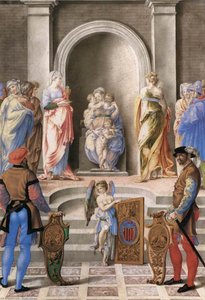 The Three Theological Virtues
 Holy Family with Santa Isabel and San Juanito1556
 Pages from the Farnese Hours1538
Eseje k tématu Pietà
 Masterpieces of Giotto: The Top 25 Essential Artworks of the Renaissance PioneerExplore Giotto's greatest masterpieces and his role in the Renaissance. Discover the full collection online at OriginalUniqueArt.com.
 Mastering Color and Light: The Timeless Brilliance of Titian's Venetian MasterpiecesExplore the luminous mastery of Titian. Discover how the Venetian master revolutionized color and light through breathtaking Renaissance te…
 Michelangelo Buonarroti: A Renaissance Titan – Life, Works & Enduring LegacyExplore the life, works & enduring legacy of Michelangelo Buonarroti, a Renaissance titan. Discover his iconic sculptures, frescoes, and ar…