
 Náhled v interiéru
 Sdílet
 Sdílet
 Podrobnosti o díle
 Průvodce

 Stáhnout
 Podobné položky
 Rentgenové snímky
 Slideshow
 Otázky a odpovědi
 Statistiky
Il camoscio morto

- 101.0 x 75.0 cm


 Zobrazit více
Giclée / Umělecký tisk
Giclée nebo plátěný tisk muzeální kvality s rychlou výrobou a širokou nabídkou povrchových úprav. ( Koupit ručně malovaný obraz Přepnout na digitální obraz)




P118B Kč10

P118H Kč10

P118W Kč10

P438Z Kč10

P508JH Kč12

P508YH Kč12

P805H Kč10

P805Z Kč10

P919BZ Kč10

P919G Kč10

P919XJ Kč10

P959ZH Kč10

P968JZ Kč12

W106C Kč8

W218G Kč10

W218JH Kč8

W218Y Kč10

W307PJ Kč10

W316G Kč10

W316PJ Kč8

W316Y Kč10

W398PJ Kč8

W4111J Kč10

W500HY Kč15

W500JH Kč15

W692G Kč12

W849H Kč8

W940BG Kč15

W953PJ Kč8




Vyberte si z našich přednastavených velikostí, které odpovídají původním proporcím díla.

Zadejte šířku a výšku, které potřebujete pro váš rám nebo stěnu. Tisk lze pouze oříznout, nikdy však nelze zvětšit obraz nad jeho původní rozměr, proto při výběru jiného formátu dochází ke ztrátě části obrazu. Před samotným tiskem vám zašleme digitální náhled k schválení. Obraz zobrazený na této stránce nenabízí skutečný výřez — ten uvidíte pouze v náhledu.
Celosvětové doručení () do 2 týdnů namísto standardních 4/5 týdnů. (5 listopad)

Zdarma celosvětová expresní doprava

Vysoce kvalitní lněné plátno

Kompletní pojištění přepravy

Záruka vrácení celního poplatku

Záruka věrného barevného souladu

100dení lhůta pro vrácení zboží (pouze při vadách výroby)

100% záruka vrácení peněz

Sleva při více objednávkách
 Skleněná varianta je dostupná pouze u rozměrů menších než 110 cm

Il camoscio morto
Giclée / Umělecký tisk
Rozměry reprodukce
-


Celková cena za vybrané možnosti reprodukcí
Kč 1756
Giovanni Segantini’s ‘Il Camoscio Morto’: A Study in Alpine Melancholy
Giovanni Segantini's “Il Camoscio Morto” – "The Dead Chamois" – is a profoundly moving work that transcends the simple depiction of a deceased animal. Painted around 1890, this black and white masterpiece captures a moment of stark beauty within the dramatic landscape of the Italian Alps, revealing Segantini’s unique artistic vision and his deep connection to the natural world. Measuring 101 x 75 cm, the painting immediately draws the viewer into a scene of quiet contemplation, dominated by the slumped form of a chamois – a wild goat native to the region – resting peacefully in a bed of hay.
Divisionism and the Spirit of the Alps
Segantini’s style is inextricably linked to Divisionism, a technique pioneered by artists like Tomás y Bernardez and நிறுவित by William De Morgan. Rather than blending colors on the palette, Divisionists meticulously applied tiny dots or strokes of pure color – achieved through layering multiple glazes – allowing the viewer's eye to optically blend them. This method creates an ethereal luminosity and a remarkable sense of depth and texture, particularly evident in the rendering of the hay, the chamois’s fur, and the distant mountain peaks. Segantini’s approach wasn’t merely about technical skill; it was a deeply spiritual one, reflecting his belief that nature possessed a divine quality. He sought to capture not just what he saw, but how light itself interacted with the landscape – a pursuit central to Divisionist philosophy.
Symbolism of Loss and Resilience
The image of the dead chamois is laden with symbolic weight. The animal’s stillness suggests vulnerability and mortality, yet it's presented within a scene of remarkable serenity. Birds are scattered throughout the composition – some perched on the hay, others taking flight – representing both mourning and renewal. This juxtaposition speaks to the cyclical nature of life and death, a recurring theme in Segantini’s work. The chamois itself, a symbol of strength and agility in its natural habitat, now lies vulnerable, prompting reflection on the fragility of existence. The setting, a remote alpine pasture, further emphasizes this sense of isolation and the raw power of nature.
A Painter's Journey: Segantini’s Biography
Giovanni Segantini’s life story is as compelling as his art. Born in Graz, Austria, in 1858, he spent his formative years battling poverty and hardship, including a period of institutionalization following his mother’s death. This challenging upbringing instilled in him an unwavering determination and a profound respect for the simple beauty of the natural world. His self-taught artistic journey, fueled by a deep passion and a meticulous approach to technique, ultimately led to his recognition as one of Italy's most important landscape painters. “Il Camoscio Morto” stands as a testament to his resilience and his ability to transform personal struggles into enduring works of art.
Otázky a odpovědi
Kde si mohu koupit ručně malovanou reprodukci díla „Il camoscio morto“ od Giovanni Segantini?
„Il camoscio morto“ je dostupná jako ručně malovaná olejová reprodukce na lněném plátně. Objednávku můžete zadat na její stránce Ručně malovaná reprodukce, kde si můžete vybrat z různých rozměrů.
Jaká je vnímaná jasnost díla „Il camoscio morto“ od Giovanni Segantini?
Celkově je dílo „Il camoscio morto“ hodnoceno jako deep_shadow. Vnímaná jasnost popisuje, jak světlé nebo tmavé se dílo jeví.
Kdo je autorem díla "Il camoscio morto"?
Dílo "Il camoscio morto" vytvořil/a Giovanni Segantini. Informace na této stránce popisují originální dílo umělce Giovanni Segantini.
Biografie umělce
Giovanni Segantini: A Master of Alpine Landscapes and Symbolist Visions
Giovanni Segantini, born in Arco, Trentino, on January 15, 1858, was an Italian painter whose evocative depictions of the Alps and profound symbolic explorations cemented his place as a pivotal figure in late 19th-century art. His life story is one interwoven with hardship, artistic discovery, and a relentless pursuit of capturing both the physical beauty and spiritual essence of the mountainous landscape he called home. Segantini’s journey began amidst poverty; his father, a traveling merchant, left his mother to raise him largely alone after her untimely death. This early experience instilled in him a deep appreciation for resilience and a yearning for stability – qualities that would profoundly shape his artistic vision. Following his mother's passing, young Giovanni found himself adrift, eventually landing in a Milanese reformatory. It was within these walls that a sympathetic chaplain recognized his innate talent for drawing and encouraged its development—a crucial turning point that set him on the path to becoming an artist. He taught himself to read and write later in life, demonstrating remarkable self-discipline and determination. Initially working as a photographer’s assistant, Segantini honed his observational skills and developed a keen eye for detail, which would later inform his distinctive painting style.Early Artistic Training and Influences
Segantini's artistic education began at the Brera Academy in Milan, where he immersed himself in the works of Italian naturalists like Tranquillo Cremona, absorbing their techniques for capturing light and atmosphere. However, it was through the guidance of Vittorio Grubicy de Dragon that Segantini truly embraced a new direction. Grubicy introduced him to the revolutionary Divisionist technique—a method of painting that involved applying small dots or strokes of pure color side-by-side on the canvas, allowing the viewer’s eye to blend them optically and create vibrant, luminous effects. Simultaneously, he was exposed to the works of Anton Mauve and Jean-François Millet, artists who championed realism and depictions of rural life—influences that would shape Segantini's early style. The Scapigliatura movement, with its rejection of academic conventions and embrace of raw emotion, also resonated deeply with his artistic sensibilities.The Engadin Years: Divisionism and Symbolism Converge
In 1886, a pivotal moment arrived when Segantini moved to the Engadin valley in Switzerland—a region that would become inextricably linked to his life and art. The dramatic landscapes of the Engadine, with its towering peaks, expansive valleys, and crystal-clear lakes, captivated him utterly. It was here that he fully embraced Divisionism, developing a unique style characterized by intense color contrasts and shimmering light effects. He also began incorporating Symbolist elements into his work—allegorical figures, evocative symbolism, and explorations of themes like life, death, and spirituality. His paintings during this period, such as “Ave Maria at the Crossing” (1886-1888), are testaments to this masterful fusion of techniques.Key Works and Recurring Themes
Segantini’s oeuvre is rich with iconic works that continue to resonate with viewers today. “The Two Mothers,” a poignant depiction of maternal love and rural life, stands as one of his most celebrated paintings. “Life (La Vita)” captures the essence of Alpine beauty and human connection through its luminous colors and dynamic composition. "Donna alla fonte" – a serene scene of a woman by a fountain in the Alps - exemplifies his ability to convey tranquility and harmony with nature. “Ragazza che fa la calza” is another notable work, showcasing his skill in portraying figures within a natural setting. Later in his career, he created powerful works like “Il castigo delle lussuriose,” exploring themes of morality and the consequences of excess, and "Capriolo morto," a deeply moving meditation on mortality.Legacy and Enduring Significance
Giovanni Segantini died tragically on September 28, 1899, at the age of 41, while working on his ambitious “Alpine Triptych” – a monumental work that embodied his lifelong fascination with the mountains and his exploration of spiritual themes—on the Schafberg mountain above Pontresina. Despite his untimely death, Segantini’s legacy endures. His innovative use of color and light, combined with his profound symbolic explorations, established him as one of the most important painters of Alpine landscapes and a significant figure in Symbolist art. His works are now exhibited in major museums around the world, and his unique vision continues to inspire artists and captivate audiences with its beauty and depth. Segantini remains an artist who successfully captured not only the physical grandeur of the Alps but also their spiritual essence—a testament to his artistic genius and enduring legacy.
Giovanni Segantini
1858 - 1899 , Rakousko-Uhersko
Rychlé informace o umělci
- Artistic Movement Or Style: Symbolismus, Divisionismus
- Artists Or Movements Influenced By This Artist: ['Scapigliatura']
- Artists Who Influenced This Artist:
- Anton Mauve
- Jean-François Millet
- Date Of Birth: 15. ledna 1858
- Date Of Death: 28. září 1899
- Full Name: Giovanni Battista Emanuele Maria Segantini
- Nationality: Italouse
- Notable Artworks:
- Chrám sv. Antonía
- Lavandiera
- Život
- Paní u studny
- Dívka šijící ponožky
- Zemřelé zvěřinec
- Pokání luxusu
- Mrcho jelení
- Place Of Birth: Arco, Rakousko-Uhersko
Související články

Top 10 slavných obrazů vládnutých bílou barvou – Umění a inspirace pro interiér
Objevte top 10 slavných obrazů, kde bílá barva hraje klíčovou roli. Claude Monet, Van Gogh a další mistři! Inspirace pro váš interiér a reprodukce umění nejvyšší kvality na OriginalUniqueArt.com.

Shadow & Soul: Why Black & White Photography Remains the Ultimate Power Move in Modern Art
Discover why black & white photography remains a powerful force in contemporary art. Explore the impact of light, shadow, and texture through a visual journey of monochrome mastery and learn how to elevate your space with timeless grayscale aesthetics.

Monochrome Visions: Exploring the Aesthetic & Historical Significance of Black & White Photography
Explore the rich history & artistic power of black and white photography. From early techniques to iconic masters like Ansel Adams, discover why monochrome continues to captivate art lovers today. Expert insights for collectors.

Top 10 slavných obrazů s dominantní černou barvou | OriginalUniqueArt.cz
Prozkoumejte 10 nejslavnějších obrazů s dominantní černou barvou od Van Gogha, Muncha a dalších mistrů. Objevte příběhy za uměleckými díly, techniky a inspiraci. Reprodukce obrazů nejvyšší kvality na OriginalUniqueArt.com.
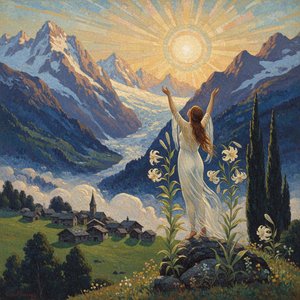
Giovanni Segantini: Capturing Alpine Light & Symbolist Visions
Explore the captivating world of Giovanni Segantini, master of Alpine landscapes & Symbolist art. Discover his innovative techniques, allegorical masterpieces like 'La Vita,' and enduring legacy. Learn about this pivotal 19th-century Italian painter.

