 Náhled
 Sdílet
 Sdílet
 Podrobnosti o díle

 Stáhnout
 Podobné položky
 Rentgenové snímky
 Slideshow
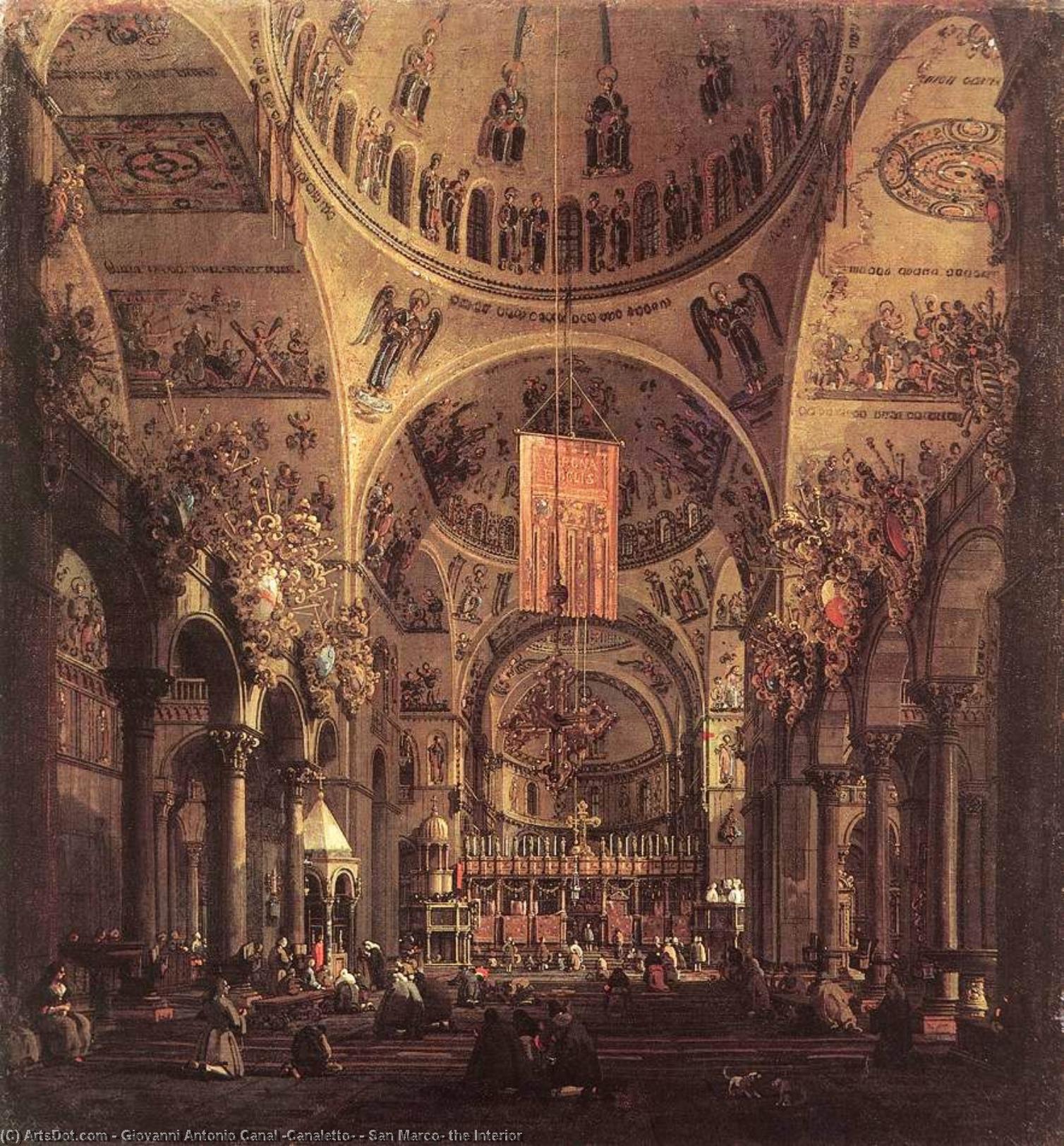
San Marco: the Interior
 Acrylic On Canvas
- WallArt
- Baroque Landscape
 1755
1755 36.0 x 33.0 cm
 Královská sbírka
 Zobrazit více
Giclée / Umělecký tisk
Giclée nebo plátěný tisk muzeální kvality s rychlou výrobou a flexibilními možnostmi povrchové úpravy. ( Koupit ručně malovaný obraz Koupit obrázek)




P118B $10

P118H $10

P118W $10

P438Z $10

P508JH $12

P508YH $12

P805H $10

P805Z $10

P919BZ $10

P919G $10

P919XJ $10

P959ZH $10

P968JZ $12

W106C $8

W218G $10

W218JH $8

W218Y $10

W307PJ $10

W316G $10

W316PJ $8

W316Y $10

W398PJ $8

W4111J $10

W500HY $15

W500JH $15

W692G $12

W849H $8

W940BG $15

W953PJ $8




Vyberte si z našich přednastavených velikostí, které odpovídají původním proporcím díla.

Můžete zadat vlastní rozměry tak, aby výtvor odpovídal konkrétnímu rámu nebo prostoru. Pokud zvolená velikost nebude odpovídat poměru stran původního obrazu, dílo buď ořížeme, nebo obraz rozšíříme pomocí zrcadlového efektu či jednobarevného okraje. Před zahájením výroby vám bude zaslán digitální náhled k schválení.
Mějte prosím na paměti, že náhled na obrazovce neodráží skutečné oříznutí nebo rozšíření. Pouze digitální náhled přesně zobrazí finální kompozici.
Ačkoliv jsou k dispozici i vlastní rozměry, pro zachování původních proporcí doporučujeme vybrat si rozměr z předdefinovaného seznamu.
Celosvětové doručení () do 2 týdnů namísto standardních 4/5 týdnů. (19 srpen)

Zdarma celosvětová expresní doprava

Vysoce kvalitní lněné plátno

Kompletní přepravní pojištění

Záruka vrácení celního poplatku

Záruka přesného barevného shodu

60denní lhůta pro vrácení zboží (pouze při vadách výroby)

100% garance vrácení peněz

Sleva při hromadné objednávce
 Skleněná varianta je dostupná pouze u rozměrů menších než 110 cm

San Marco: the Interior
Giclée / Umělecký tisk
Rozměry reprodukce
-


Celková cena za výběr
$ 80
Popis sběratelského kousku
San Marco: The Interior – A Venetian Masterpiece Illuminated
Giovanni Antonio Canaletto’s “San Marco: The Interior” stands as one of the rarest treasures within Venetian art history—a glimpse into the sacred space itself, rarely depicted by Canaletto. Executed around 1755, shortly after his return from London, this monochrome etching offers an unparalleled insight into the grandeur and solemnity of St Mark’s Basilica during a period of fervent religious devotion. It's not merely a topographical record; it’s a carefully crafted tableau that speaks volumes about Venetian society and artistic sensibilities of the mid-18th century.- Subject Matter: The etching captures the interior of St Mark’s Basilica, focusing on the nave adorned with elaborate frescoes depicting scenes from biblical history – specifically, the Coronation of Saints Peter and Paul. This monumental artwork was commissioned to commemorate the coronation ceremony of Pope Benedict XIV, symbolizing papal authority and spiritual leadership.
- Style & Technique: Canaletto's signature style—the ‘veduta’ or panoramic view—is brilliantly employed here. He meticulously renders the architectural details with astonishing precision using a camera obscura, a device that projected images onto paper through a lens and aperture, allowing for unparalleled accuracy in capturing perspective and tonal gradations. The etching showcases his mastery of chiaroscuro, utilizing subtle shading to create depth and drama within the darkened basilica.
- Historical Context: Venice at this time was experiencing a resurgence of artistic patronage under Benedict XIV, who actively encouraged artists to produce works celebrating papal piety. Canaletto’s commission reflects this cultural climate and underscores the importance of religious iconography in shaping Venetian art. The etching also provides valuable documentation of architectural trends prevalent during the Baroque period – characterized by opulent decoration and dramatic spatial illusions.
- Symbolism: The frescoes themselves are laden with symbolic meaning, representing Christian faith and commemorating a pivotal moment in papal history. The towering columns and vaulted ceilings emphasize the basilica’s grandeur and reinforce its role as a symbol of spiritual power. Canaletto's careful composition directs the viewer's gaze upwards, mirroring the aspiration for divine contemplation.
- Emotional Impact: Viewing “San Marco: The Interior” evokes a profound sense of reverence and awe. Canaletto succeeds in conveying not only the physical appearance of the basilica but also its spiritual atmosphere—a space imbued with solemn beauty and commemorating sacred tradition. It’s a testament to Canaletto's ability to transform observation into art, capturing both visual detail and emotional resonance.
Biografie umělce
Giovanni Antonio Canal: The Master of Venetian Light and Shadow
Giovanni Antonio Canal, better known as Canaletto, emerged from the vibrant heart of Venice in 1697, a city he would come to define through his extraordinary talent for capturing its essence on canvas. His life wasn’t one of grand pronouncements or dramatic battles, but rather a quiet dedication to observing and meticulously rendering the world around him – a world brimming with canals, palaces, bustling markets, and the everyday lives of Venetian citizens. Canaletto's legacy isn't simply that of a painter; he was a chronicler of his time, an artist who elevated topographical views to a new level of artistry and detail, profoundly influencing generations of landscape painters.
Born into a family deeply rooted in the theatrical world – his father, Bernardo Canal, was a skilled scene painter for opera houses – young Giovanni received his initial artistic training under his father’s tutelage. This early exposure to stagecraft instilled within him an understanding of composition, perspective, and the importance of creating a convincing illusion. However, it was his time in Rome between 1718 and 1720 that truly shaped his artistic vision. There, he encountered the work of Giovanni Paolo Pannini, a master of vedute – detailed views of cities – whose meticulous approach to capturing urban landscapes ignited a passion within Canaletto. He quickly adopted Pannini’s techniques, focusing on precise observation and careful rendering of architectural details.
The Rise of a Venetian Veduta Master
Upon his return to Venice in 1722, Canaletto embarked on a career that would span nearly five decades. Initially, he catered to the demands of wealthy patrons – nobles, merchants, and foreign dignitaries – producing lavish series of paintings depicting their homes, gardens, and visits to Venetian landmarks. These works, often commissioned as diplomatic gifts or personal treasures, showcased his remarkable ability to capture light, atmosphere, and the intricate details of Venetian life. He quickly developed a distinctive style, characterized by its clarity, precision, and subtle use of color. Canaletto’s paintings weren't merely reproductions; they were carefully constructed compositions designed to evoke a sense of place and time.
A pivotal moment in his career came with the arrival of Joseph “Consul” Smith, an English merchant who became a devoted admirer of Canaletto’s work. Smith recognized Canaletto’s potential for success in England and secured a lucrative contract to supply him with paintings. This arrangement proved immensely beneficial, opening up new markets and providing Canaletto with a steady stream of commissions. He spent several years in London (1746-1756), producing a series of celebrated views of the city – including Eton College, Buckingham Palace, and Westminster Abbey – that became highly sought after by English collectors. These paintings not only established Canaletto’s reputation abroad but also significantly contributed to his financial prosperity.
Technique and Innovation: The Camera Obscura and Beyond
Canaletto's remarkable accuracy in depicting buildings, streets, and people has long been a subject of scholarly debate. While it was once widely believed that he employed a camera obscura – a device used to project images onto a surface – to aid in his topographical studies, recent research suggests that his meticulous preparatory drawings played an even more significant role. Canaletto was renowned for his painstaking attention to detail, spending countless hours sketching and measuring the scenes he intended to paint. His drawings were incredibly precise, capturing not only the overall composition but also the subtle nuances of light, shadow, and perspective.
Despite the ongoing debate about the use of a camera obscura, there’s no doubt that Canaletto possessed an exceptional eye for detail and a remarkable ability to translate his observations onto canvas. His paintings are characterized by their clarity, precision, and subtle use of color – qualities that have made them enduringly popular with art lovers around the world. He skillfully blended realism with a sense of idealized beauty, creating images that were both informative and aesthetically pleasing.
Legacy and Influence
Canaletto’s influence on 18th-century art is undeniable. His meticulous depictions of Venetian landscapes set a new standard for topographical painting, inspiring countless artists to emulate his technique and style. His work can be found in prestigious museums worldwide, including the National Gallery in London, where it remains one of its most beloved collections. Beyond his individual achievements, Canaletto’s legacy extends to the numerous artists he influenced – particularly his nephew, Bernardo Bellotto, who continued to develop and refine the Venetian veduta tradition.
Canaletto died in Venice in 1768, leaving behind a vast body of work that continues to captivate viewers today. His paintings offer a unique glimpse into the vibrant world of 18th-century Venice – a city of canals, palaces, and bustling markets, rendered with remarkable skill and artistry. His legacy as one of the greatest landscape painters of his time remains secure.
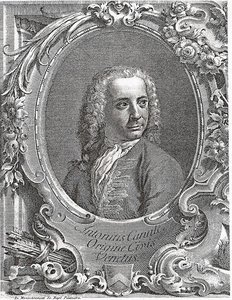
Canaletto
1697 - 1768 , Itálie
Rychlé fakta
- Artistic Movement Or Style: Vedute Benátek
- Artists Or Movements Influenced By This Artist: ['Giovanni Paolo Pannini']
- Artists Who Influenced This Artist: ['Luca Carlevaris']
- Date Of Birth: 18. října 1697
- Date Of Death: 19. dubna 1768
- Full Name: Giovanni Antonio Canal
- Nationality: Italista
- Notable Artworks:
- Zpracovník kamenného mlejna
- Regata na velkém kanálu
- Eton College
- Place Of Birth: Benátky, Itálie
Související články

John Constable: 25 mistrovských děl krajinářské poezie | OriginalUniqueArt.com
Prozkoumejte 25 ikonických děl Johna Constabla, mistra anglického krajinářství a romantismu. Obdivujte jeho olejomalby, plátna s venkovskou atmosférou a inspirujte se pro dekoraci interiéru. Reprodukce obrazů nejvyšší kvality na OriginalUniqueArt.com
Top 10 krajin v umění: Mistrovská díla a inspirace pro váš domov
Objevte 10 nejúchvatnějších krajin v umění od Turnerů po Van Gogha! Ponořte se do příběhů mistrů a inspirujte se pro svůj interiér. Reprodukce obrazů nejvyšší kvality na OriginalUniqueArt.com – pro milovníky umění a dokonalý dekor.

The Sublime American Landscape: Frederic Edwin Church & the Dawn of Luminism
Explore the captivating world of Frederic Edwin Church and the Luminist movement. Discover the history, techniques & enduring legacy of America’s first great landscape painters with OriginalUniqueArt.

Romantická krajina v malbě: 10 mistrovských děl, které definovaly umělecký proud | OriginalUniqueArt
Prozkoumejte 10 ikonických děl romantické krajinářské malby! Objevte příběhy Caspara Davida Friedricha, Turnera a dalších mistrů. Reprodukce obrazů nejvyšší kvality pro váš interiér na OriginalUniqueArt.com.

Evocations of Place: A Historical Journey Through Landscape Art
Explore the rich history of landscape art with OriginalUniqueArt. Discover renowned artists, movements like Impressionism & Romanticism, and expert guidance for collecting timeless pieces. Find your perfect serene escape today!