
 Náhled v interiéru
 Sdílet
 Sdílet
 Podrobnosti o díle
 Průvodce

 Stáhnout
 Podobné položky
 Rentgenové snímky
 Slideshow
 Otázky a odpovědi
 Statistiky
Camera obscura

- 22.0 x 38.0 cm


 Zobrazit více
Získejte soubor připravený k tisku, který svou kvalitou výrazně převyšuje webový náhled. Každý prodávaný digitální obraz pochází z vysokorozlišeného originálu v naší databázi – obvykle o šířce 5 000 až 15 000 pixelů – díky čemuž můžete tisknout ve velkém formátu, provádět těsný střih nebo si s jistotou užít i ty nejjemnější detaily.
Žádný soubor neopustí naše studio bez úprav. Digitální expert kontroluje barvy v porovnání s původním malířským dílem a v případě potřeby je upravuje, poté pomocí profesionálních nástrojů pro retuš zvyšuje ostrost a detailnost — přičemž vždy zůstává věrný tahům štětcem a stylu umělce. Výsledkem je obraz, který vypadá jako malba, nikoliv jako naskenovaný snímek s filtrem.
Schvalování před dokončením: náš expert vám do 72 hodin zašle obraz e-mailem k revizi. Nejsste spokojeni? Můžete požádat o úpravy či opravy, nebo si můžete vyžádat vrácení peněz, pokud kvalita neodpovídá vašim očekáváním.
Tuto kvalitu využívají vydavatelství, designová studia, galerie i tiskárny.
Digitální obrazy
Stáhněte si soubor ve vysokém rozlišení pro osobní prohlížení, tisk nebo kreativní projekty. ( Přepnout na tisk Koupit ručně malovaný obraz)
Součást každé objednávky digitálního obrazu
Profesionální digitální doručení, zaručené
Když si vyberete OriginalUniqueArt.com, nezískáváte pouze obrázek – získáváte digitální umělecké dílo s profesionálně vylepšenými detaily, zpracované s precizností a podpořené zárukou za spokojenost. Zde je vše, co vaše objednávka automaticky obsahuje:

Rychlé doručení e-mailem
Váš digitální obraz ve vysokém rozlišení vám bude zaslán e-mailem do 72 hodin od objednávky – připraven k okamžitému použití.

Digitální soubor s využitím AI
Vaše umělecké dílo je profesionálně optimalizováno pomocí pokročilých nástrojů umělé inteligence a manuální úpravy, což zajišťuje maximální úroveň detailu, ostrosti a přesnosti barev.

Doživotní bezplatné znovuodeslání digitálních obrazů
Soubor jste omylem smazali nebo ztratili? Žádný problém – kdykoliv vám ho znovu zašleme zcela zdarma.

Bez poplatků za dovoz – navždy
Užijte si své umělecké dílo okamžitě bez celních poplatků, daní nebo nákladů na dopravu – digitální stažení je vždy bez daňových povinností.

Záruka přesnosti barev
Díky profesionálním nástrojům a správě barev zajišťujeme, aby váš digitální obraz odrážel původní barvy co nejvěrněji.

100dená záruka spokojenosti
Pokud nebudete s digitálním obrázkem spokojeni, provedeme jeho revizi nebo vám vrátíme 100% platby do 100 dnů – bez jakýchkoliv dotazů.

100% záruka vrácení peněz
Nespokojeni? Získejte plnou náhradu peněz do 100 dnů od obdržení digitálního souboru – bez zbytečných dotazů.

Slevy při hromadných objednávkách
Koupě 3 obrazů ušetří 10% – Koupě 5 obrazů ušetří 15% – Koupě 10+ obrazů ušetří 20%. Ideální pro kreativní projekty, galerie a agentury.
Canaletto’s Camera Obscura: A Window Into Venetian Vision
The artist Giovanni Antonio Canaletto, commonly known as Canaletto (1697 – 1768), stands as one of the most celebrated figures in eighteenth-century Venetian painting. His meticulous depictions of Venice—the canals shimmering under sunlight, the palaces adorned with opulent decoration—captivate viewers even today. But beyond their aesthetic beauty lies a fascinating secret: Canaletto’s unparalleled accuracy stems from a technique that predates photography – the camera obscura. This ingenious device, essentially a darkened room equipped with a pinhole aperture and a mirror, allowed him to capture the essence of his surroundings with remarkable precision, shaping not only his artistic output but also influencing the broader understanding of perspective and visual representation.- The Device Itself: Canaletto’s camera obscura wasn't merely a tool; it was a conceptual breakthrough. Constructed from wood and glass, it functioned by projecting an inverted image of the outside world onto a surface within—typically tracing paper or canvas—positioned opposite to the pinhole. This method ensured that the artist could faithfully reproduce architectural details and atmospheric effects without resorting to laborious sketching techniques.
- A Reflection of Scientific Curiosity: Canaletto’s embrace of the camera obscura reflects the burgeoning scientific interest in optics during his lifetime. Astronomers and mathematicians alike were experimenting with similar instruments, attempting to unravel the mysteries of light and vision. Canaletto's use of this technique wasn't simply artistic expediency; it represented a conscious engagement with contemporary intellectual debates about how we perceive reality.
- Venetian Landscape Painting: The camera obscura profoundly impacted Canaletto’s style. By allowing him to observe the scene from multiple viewpoints simultaneously, he achieved a level of realism previously unattainable. His paintings—particularly those capturing the grandeur of St Mark's Square and the Doge’s Palace—are characterized by subtle gradations of color, masterful shading, and an astonishingly accurate depiction of architectural proportions.
- Symbolism Beyond Technique: Canaletto’s camera obscura technique wasn’t just about achieving visual accuracy; it also conveyed a deeper symbolic message. The darkened room represented introspection and contemplation—a deliberate distancing from the immediate sensory experience to gain access to a more profound understanding of the world around him. This approach mirrored the philosophical currents of the Enlightenment, emphasizing reason and observation as pathways to knowledge.
- Legacy in Photography: Canaletto’s pioneering use of the camera obscura foreshadowed the invention of photography centuries later. By demonstrating that it was possible to capture an image without direct contact with the subject matter—a feat previously considered impossible—he fundamentally altered our conception of artistic representation and paved the way for a new era of visual art.
Notable Works Featuring Camera Obscura Technique
Canaletto’s mastery of perspective is evident in several iconic paintings, including “The Stonemason’s Yard” (c. 1725), where he meticulously rendered the textures and colors of the building materials with astonishing detail. Similarly, his depiction of St Mark's Square—particularly the Doge’s Palace—captures the shimmering light reflecting off the facades and windows, achieved through careful observation and skillful blending of pigments. These paintings stand as testament to Canaletto’s unwavering commitment to capturing the beauty and complexity of Venice with unparalleled accuracy – a feat made possible by his ingenious use of the camera obscura.Exploring Canaletto's Influence on Later Artists
Canaletto’s innovative approach to landscape painting resonated deeply with artists who followed him, notably Francesco Guardi and Michele Marieschi. These painters adopted similar techniques—primarily employing atmospheric perspective and meticulous detail—to convey the grandeur of Venetian vistas. Canaletto’s legacy extends beyond his own artistic achievements; he established a precedent for realistic representation that continues to inspire artists today, demonstrating that observation and careful technique can unlock profound insights into capturing the essence of visual experience.Reproductions & Inspiration
High-quality reproductions of Canaletto's paintings offer an exceptional opportunity to appreciate his artistic genius and immerse oneself in the atmosphere of eighteenth-century Venice. Consider framing a print alongside a photograph taken from one of Canaletto’s original viewpoints—a powerful gesture that honors both the artist’s pioneering technique and the enduring beauty of Venetian landscapes. Let Canaletto's Camera Obscura serve as a reminder that true artistic vision requires not only skill but also an unwavering dedication to observing and interpreting the world around us.Otázky a odpovědi
Jak intenzivní jsou barvy v díle „Camera obscura“ od Canaletto?
„Camera obscura“ od Canaletto má Monochromatic barevnou intenzitu.
Jaká je převládající barva díla „Camera obscura“ od Canaletto?
Dílo „Camera obscura“ od Canaletto je protknuto Amber to Saffron odstínem.
V jakém roce a v rámci kterého uměleckého směru bylo dílo "Camera obscura" vytvořeno?
Dílo „Camera obscura“ od Canaletto pochází z roku 1700 a patří k období Impressionism.
Biografie umělce
Giovanni Antonio Canal: The Master of Venetian Light and Shadow
Giovanni Antonio Canal, better known as Canaletto, emerged from the vibrant heart of Venice in 1697, a city he would come to define through his extraordinary talent for capturing its essence on canvas. His life wasn’t one of grand pronouncements or dramatic battles, but rather a quiet dedication to observing and meticulously rendering the world around him – a world brimming with canals, palaces, bustling markets, and the everyday lives of Venetian citizens. Canaletto's legacy isn't simply that of a painter; he was a chronicler of his time, an artist who elevated topographical views to a new level of artistry and detail, profoundly influencing generations of landscape painters.
Born into a family deeply rooted in the theatrical world – his father, Bernardo Canal, was a skilled scene painter for opera houses – young Giovanni received his initial artistic training under his father’s tutelage. This early exposure to stagecraft instilled within him an understanding of composition, perspective, and the importance of creating a convincing illusion. However, it was his time in Rome between 1718 and 1720 that truly shaped his artistic vision. There, he encountered the work of Giovanni Paolo Pannini, a master of vedute – detailed views of cities – whose meticulous approach to capturing urban landscapes ignited a passion within Canaletto. He quickly adopted Pannini’s techniques, focusing on precise observation and careful rendering of architectural details.
The Rise of a Venetian Veduta Master
Upon his return to Venice in 1722, Canaletto embarked on a career that would span nearly five decades. Initially, he catered to the demands of wealthy patrons – nobles, merchants, and foreign dignitaries – producing lavish series of paintings depicting their homes, gardens, and visits to Venetian landmarks. These works, often commissioned as diplomatic gifts or personal treasures, showcased his remarkable ability to capture light, atmosphere, and the intricate details of Venetian life. He quickly developed a distinctive style, characterized by its clarity, precision, and subtle use of color. Canaletto’s paintings weren't merely reproductions; they were carefully constructed compositions designed to evoke a sense of place and time.
A pivotal moment in his career came with the arrival of Joseph “Consul” Smith, an English merchant who became a devoted admirer of Canaletto’s work. Smith recognized Canaletto’s potential for success in England and secured a lucrative contract to supply him with paintings. This arrangement proved immensely beneficial, opening up new markets and providing Canaletto with a steady stream of commissions. He spent several years in London (1746-1756), producing a series of celebrated views of the city – including Eton College, Buckingham Palace, and Westminster Abbey – that became highly sought after by English collectors. These paintings not only established Canaletto’s reputation abroad but also significantly contributed to his financial prosperity.
Technique and Innovation: The Camera Obscura and Beyond
Canaletto's remarkable accuracy in depicting buildings, streets, and people has long been a subject of scholarly debate. While it was once widely believed that he employed a camera obscura – a device used to project images onto a surface – to aid in his topographical studies, recent research suggests that his meticulous preparatory drawings played an even more significant role. Canaletto was renowned for his painstaking attention to detail, spending countless hours sketching and measuring the scenes he intended to paint. His drawings were incredibly precise, capturing not only the overall composition but also the subtle nuances of light, shadow, and perspective.
Despite the ongoing debate about the use of a camera obscura, there’s no doubt that Canaletto possessed an exceptional eye for detail and a remarkable ability to translate his observations onto canvas. His paintings are characterized by their clarity, precision, and subtle use of color – qualities that have made them enduringly popular with art lovers around the world. He skillfully blended realism with a sense of idealized beauty, creating images that were both informative and aesthetically pleasing.
Legacy and Influence
Canaletto’s influence on 18th-century art is undeniable. His meticulous depictions of Venetian landscapes set a new standard for topographical painting, inspiring countless artists to emulate his technique and style. His work can be found in prestigious museums worldwide, including the National Gallery in London, where it remains one of its most beloved collections. Beyond his individual achievements, Canaletto’s legacy extends to the numerous artists he influenced – particularly his nephew, Bernardo Bellotto, who continued to develop and refine the Venetian veduta tradition.
Canaletto died in Venice in 1768, leaving behind a vast body of work that continues to captivate viewers today. His paintings offer a unique glimpse into the vibrant world of 18th-century Venice – a city of canals, palaces, and bustling markets, rendered with remarkable skill and artistry. His legacy as one of the greatest landscape painters of his time remains secure.
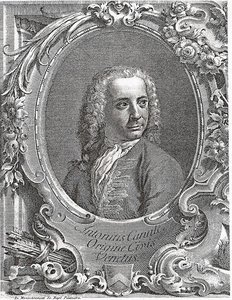
Canaletto
1697 - 1768 , Itálie
Stručné informace
- Artistic Movement Or Style: Vedute Benátek
- Artists Or Movements Influenced By This Artist: ['Giovanni Paolo Pannini']
- Artists Who Influenced This Artist: ['Luca Carlevaris']
- Date Of Birth: 18. října 1697
- Date Of Death: 19. dubna 1768
- Full Name: Giovanni Antonio Canal
- Nationality: Italista
- Notable Artworks:
- Zpracovník kamenného mlejna
- Regata na velkém kanálu
- Eton College
- Place Of Birth: Benátky, Itálie