

 Zobrazit v interiéru
 Odeslat
 Sdílet
 Podrobnosti
 Průvodce

 Stáhnout obrázek
 Podobné kousky
 Rentgenové snímky
 Slideshow
 Statistiky
Alnwick Castle
 Oil On Canvas
- WallArt
- Rococo
 1747
1747- Early Modern
 118.0 x 238.0 cm
 Přečíst si více
Giclée / Umělecký tisk
Giclée nebo plátěný tisk muzeální kvality s rychlou výrobou a širokou nabídkou povrchových úprav. ( Objednat ručně malovanou reprodukci Přepnout na digitální verzi obrazu)




P118B $10

P118H $10

P118W $10

P438Z $10

P508JH $12

P508YH $12

P805H $10

P805Z $10

P919BZ $10

P919G $10

P919XJ $10

P959ZH $10

P968JZ $12

W106C $8

W218G $10

W218JH $8

W218Y $10

W307PJ $10

W316G $10

W316PJ $8

W316Y $10

W398PJ $8

W4111J $10

W500HY $15

W500JH $15

W692G $12

W849H $8

W940BG $15

W953PJ $8




Vyberte si z našich přednastavených velikostí, které odpovídají původním proporcím díla.

Můžete zadat vlastní rozměry tak, aby výtvor odpovídal konkrétnímu rámu nebo prostoru. Pokud zvolená velikost nebude odpovídat poměru stran původního obrazu, dílo buď ořížeme, nebo obraz rozšíříme pomocí zrcadlového efektu či jednobarevného okraje. Před zahájením výroby vám bude zaslán digitální náhled k schválení.
Mějte prosím na paměti, že náhled na obrazovce neodráží skutečné oříznutí nebo rozšíření. Pouze digitální náhled přesně zobrazí finální kompozici.
Ačkoliv jsou k dispozici i vlastní rozměry, pro zachování původních proporcí doporučujeme vybrat si rozměr z předdefinovaného seznamu.
Celosvětové doručení () do 2 týdnů namísto standardních 4/5 týdnů. (25 září)

Zdarma celosvětová expresní doprava

Vysoce kvalitní lněné plátno

Úplné pojištění přepravy

Záruka vrácení celního poplatku

Záruka věrného barevného shodu

100dení lhůta pro vrácení zboží (pouze při vadách výroby)

100% garance vrácení peněz

Sleva při více objednávkách
 Skleněná varianta je dostupná pouze u rozměrů menších než 110 cm

Alnwick Castle
Giclée / Umělecký tisk
Velikost reprodukce
-


Celková cena
$ 80
A Glimpse into Rococo Grandeur: Alnwick Castle
To gaze upon Canaletto's depiction of Alnwick Castle is to step directly into the luminous embrace of the mid-eighteenth century. This painting, executed in 1747, is far more than a mere architectural record; it is a meticulously crafted vision of aristocratic life set against the enduring majesty of medieval stone. Giovanni Antonio Canaletto captured not just the imposing silhouette of the castle—with its prominent tower rising above the surrounding moat—but also the very atmosphere of an era when grandeur and daily ritual intersected with sublime artistry. The oil on canvas breathes with the light characteristic of the Rococo period, a style that favored elegance, ornamentation, and a delicate play of light and shadow.
Mastery in Topography: Technique and Detail
Canaletto’s genius lay in his ability to transform observation into art. His technique, honed through years of painting scenic views for opera sets, allowed him to render the complex geometry of Alnwick Castle with breathtaking precision. Notice how the water in the moat acts as a perfect mirror, doubling the architectural splendor and adding an element of serene depth to the composition. The artist did not merely paint what he saw; he orchestrated it. From the crisp delineation of the stonework to the subtle reflections on the water's surface, every detail speaks to his mastery of *vedutismo*, or the art of the detailed view. This technical brilliance ensures that any reproduction captures the original’s breathtaking fidelity.
Life in the Scene: Movement and Narrative
What elevates this piece beyond a simple architectural study are the vibrant threads of human activity woven throughout the scene. The presence of several figures, scattered near the water's edge and moving about the castle grounds, imbues the canvas with palpable life. These people, alongside the two gracefully positioned horses—one anchoring the left flank and the other balancing the right—suggest a moment caught in time: perhaps a leisurely promenade or an important gathering. They are not mere props; they are participants in the scene, lending a dynamic narrative pulse that invites the modern viewer to imagine the sounds and conversations echoing across the moat.
Symbolism and Enduring Appeal
The castle itself stands as a potent symbol—a monument to enduring lineage and historical weight. Juxtaposed against this permanence is the fleeting, elegant movement of the people and horses, creating a beautiful tension between the eternal structure and the transient beauty of human experience. For the collector or designer, owning a reproduction of Alnwick Castle is acquiring more than just decoration; it is acquiring a piece of documented history imbued with Rococo romance. It speaks to an appreciation for classical elegance, meticulous craftsmanship, and the sublime intersection of nature and man-made splendor.
Biografie umělce
Giovanni Antonio Canal: The Master of Venetian Light and Shadow
Giovanni Antonio Canal, better known as Canaletto, emerged from the vibrant heart of Venice in 1697, a city he would come to define through his extraordinary talent for capturing its essence on canvas. His life wasn’t one of grand pronouncements or dramatic battles, but rather a quiet dedication to observing and meticulously rendering the world around him – a world brimming with canals, palaces, bustling markets, and the everyday lives of Venetian citizens. Canaletto's legacy isn't simply that of a painter; he was a chronicler of his time, an artist who elevated topographical views to a new level of artistry and detail, profoundly influencing generations of landscape painters.
Born into a family deeply rooted in the theatrical world – his father, Bernardo Canal, was a skilled scene painter for opera houses – young Giovanni received his initial artistic training under his father’s tutelage. This early exposure to stagecraft instilled within him an understanding of composition, perspective, and the importance of creating a convincing illusion. However, it was his time in Rome between 1718 and 1720 that truly shaped his artistic vision. There, he encountered the work of Giovanni Paolo Pannini, a master of vedute – detailed views of cities – whose meticulous approach to capturing urban landscapes ignited a passion within Canaletto. He quickly adopted Pannini’s techniques, focusing on precise observation and careful rendering of architectural details.
The Rise of a Venetian Veduta Master
Upon his return to Venice in 1722, Canaletto embarked on a career that would span nearly five decades. Initially, he catered to the demands of wealthy patrons – nobles, merchants, and foreign dignitaries – producing lavish series of paintings depicting their homes, gardens, and visits to Venetian landmarks. These works, often commissioned as diplomatic gifts or personal treasures, showcased his remarkable ability to capture light, atmosphere, and the intricate details of Venetian life. He quickly developed a distinctive style, characterized by its clarity, precision, and subtle use of color. Canaletto’s paintings weren't merely reproductions; they were carefully constructed compositions designed to evoke a sense of place and time.
A pivotal moment in his career came with the arrival of Joseph “Consul” Smith, an English merchant who became a devoted admirer of Canaletto’s work. Smith recognized Canaletto’s potential for success in England and secured a lucrative contract to supply him with paintings. This arrangement proved immensely beneficial, opening up new markets and providing Canaletto with a steady stream of commissions. He spent several years in London (1746-1756), producing a series of celebrated views of the city – including Eton College, Buckingham Palace, and Westminster Abbey – that became highly sought after by English collectors. These paintings not only established Canaletto’s reputation abroad but also significantly contributed to his financial prosperity.
Technique and Innovation: The Camera Obscura and Beyond
Canaletto's remarkable accuracy in depicting buildings, streets, and people has long been a subject of scholarly debate. While it was once widely believed that he employed a camera obscura – a device used to project images onto a surface – to aid in his topographical studies, recent research suggests that his meticulous preparatory drawings played an even more significant role. Canaletto was renowned for his painstaking attention to detail, spending countless hours sketching and measuring the scenes he intended to paint. His drawings were incredibly precise, capturing not only the overall composition but also the subtle nuances of light, shadow, and perspective.
Despite the ongoing debate about the use of a camera obscura, there’s no doubt that Canaletto possessed an exceptional eye for detail and a remarkable ability to translate his observations onto canvas. His paintings are characterized by their clarity, precision, and subtle use of color – qualities that have made them enduringly popular with art lovers around the world. He skillfully blended realism with a sense of idealized beauty, creating images that were both informative and aesthetically pleasing.
Legacy and Influence
Canaletto’s influence on 18th-century art is undeniable. His meticulous depictions of Venetian landscapes set a new standard for topographical painting, inspiring countless artists to emulate his technique and style. His work can be found in prestigious museums worldwide, including the National Gallery in London, where it remains one of its most beloved collections. Beyond his individual achievements, Canaletto’s legacy extends to the numerous artists he influenced – particularly his nephew, Bernardo Bellotto, who continued to develop and refine the Venetian veduta tradition.
Canaletto died in Venice in 1768, leaving behind a vast body of work that continues to captivate viewers today. His paintings offer a unique glimpse into the vibrant world of 18th-century Venice – a city of canals, palaces, and bustling markets, rendered with remarkable skill and artistry. His legacy as one of the greatest landscape painters of his time remains secure.
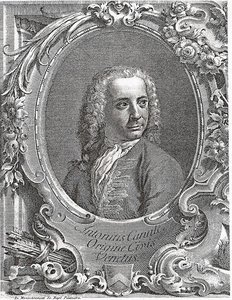
Canaletto
1697 - 1768 , Itálie
Rychlé informace
- Artistic Movement Or Style: Vedute Benátek
- Artists Or Movements Influenced By This Artist: ['Giovanni Paolo Pannini']
- Artists Who Influenced This Artist: ['Luca Carlevaris']
- Date Of Birth: 18. října 1697
- Date Of Death: 19. dubna 1768
- Full Name: Giovanni Antonio Canal
- Nationality: Italista
- Notable Artworks:
- Zpracovník kamenného mlejna
- Regata na velkém kanálu
- Eton College
- Place Of Birth: Benátky, Itálie
Související články

Evocations of Place: A Historical Journey Through Landscape Art
Explore the rich history of landscape art with OriginalUniqueArt. Discover renowned artists, movements like Impressionism & Romanticism, and expert guidance for collecting timeless pieces. Find your perfect serene escape today!

John Constable: 25 mistrovských děl krajinářské poezie | OriginalUniqueArt.com
Prozkoumejte 25 ikonických děl Johna Constabla, mistra anglického krajinářství a romantismu. Obdivujte jeho olejomalby, plátna s venkovskou atmosférou a inspirujte se pro dekoraci interiéru. Reprodukce obrazů nejvyšší kvality na OriginalUniqueArt.com

Katsushika Hokusai: 25 mistrovských děl japonského umění pro váš interiér | OriginalUniqueArt.com
Prozkoumejte 25 ikonických děl japonského mistra Katsushiky Hokusaiho! Objevte příběhy za Velkou vlnou, 36 pohledů na horu Fuji a další ukiyo-e tisků. Kvalitní reprodukce obrazů pro váš interiér na OriginalUniqueArt.com.

Giclée Prints: Archival Quality & Aesthetic Nuances for the Discerning Collector
Explore the world of giclée prints with OriginalUniqueArt. Learn about archival quality, aesthetic nuances & investment potential. Expert guidance for discerning art collectors seeking museum-quality reproductions and lasting value.

Romantická krajina v malbě: 10 mistrovských děl, které definovaly umělecký proud | OriginalUniqueArt
Prozkoumejte 10 ikonických děl romantické krajinářské malby! Objevte příběhy Caspara Davida Friedricha, Turnera a dalších mistrů. Reprodukce obrazů nejvyšší kvality pro váš interiér na OriginalUniqueArt.com.


