

 Náhled
 Sdílet
 Sdílet
 Podrobnosti o díle

 Stáhnout
 Podobné položky
 Rentgenové snímky
 Slideshow
Drunken Satyr
 Acrylic On Canvas
- WallArt
- Renaissance
 1532
1532 65.0 x 135.0 cm
 Saint Louis Art Museum
 Zobrazit více
Ručně malovaná olejová reprodukce
Ručně malovaná olejná barva na plátně ve vašem zvoleném rozměru i s rámem, vyrobená našimi umělci na zakázku. ( Koupit tisk Koupit obrázek)




P118B $10

P118H $10

P118W $10

P438Z $10

P508JH $12

P508YH $12

P805H $10

P805Z $10

P919BZ $10

P919G $10

P919XJ $10

P959ZH $10

P968JZ $12

W106C $8

W218G $10

W218JH $8

W218Y $10

W307PJ $10

W316G $10

W316PJ $8

W316Y $10

W398PJ $8

W4111J $10

W500HY $15

W500JH $15

W692G $12

W849H $8

W940BG $15

W953PJ $8




Vyberte si z našich přednastavených velikostí, které odpovídají původním proporcím díla.

Můžete zadat vlastní rozměry pro konkrétní rám nebo prostor. Pokud se vámi vybraná velikost neshoduje s proporcemi původního obrazu, dílo buď ořízneme, nebo jej doplníme ručně malovanými prvky. Před zahájením výroby vám bude zaslán digitální náhled ke schválení.
Upozorňujeme, že náhled na obrazovce neodpovídá skutečnému ořezu ani rozšíření. Pouze digitální náhled přesně zobrazí finální kompozici.
Ačkoliv je možné zvolit vlastní velikost, pro zachování původních proporcí doporučujeme vybrat rozměr z předdefinovaného seznamu.
Po přijetí objednávky vám tým OriginalUniqueArt.com zašle e-mail s pokyny a poskytne náhledovou verzi.
Celosvětová doprava () za 3–4 týdny namísto standardních 5 týdnů. (22 srpen). Bez kompromisů v kvalitě.

Zdarma celosvětová expresní doprava

Vysoce kvalitní lněné plátno

Kompletní přepravní pojištění

Záruka vrácení celního poplatku

Záruka přesného barevného shodu

60denní lhůta pro vrácení zboží (pouze při vadách výroby)

100% garance vrácení peněz

Sleva při hromadné objednávce
 Skleněná varianta je dostupná pouze u rozměrů menších než 110 cm

Drunken Satyr
Technika reprodukce
Rozměry reprodukce
-


Celková cena za výběr
$ 300
Popis díla
A Dionysian Dance of Flesh and Wine
Giovanni Angelo Montorsoli’s “Drunken Satyr,” a marble sculpture crafted in 1532, isn't merely a depiction of a mythological figure; it’s an invitation into the intoxicating heart of Renaissance revelry. The image before us—a meticulously rendered photograph capturing the sculpture’s essence—transports us to a world where classical ideals intertwine with earthy pleasures and the boundaries between god and beast blur. The satyr, a creature deeply rooted in Greek mythology, embodies the spirit of Dionysus, the god of wine, fertility, and ecstatic celebration. Here, Montorsoli doesn't offer a stern or idealized representation; instead, he presents a figure consumed by indulgence, his posture relaxed, his gaze hinting at a world beyond restraint.
The sculpture’s power lies not just in its subject matter but also in the masterful execution of its form. Montorsoli, deeply influenced by the legacy of Michelangelo yet forging his own distinct path, demonstrates an unparalleled understanding of human anatomy and drapery. The musculature is subtly defined, conveying a sense of both strength and languidness. The folds of the satyr’s garment cascade around him like liquid shadows, adding depth and dynamism to the composition. Notice how the artist has used light and shadow to sculpt volume and create an illusion of three-dimensionality—a testament to his skill in manipulating marble.
Renaissance Roots: A Dialogue with Antiquity
Created during a period of fervent rediscovery of classical art and philosophy, “Drunken Satyr” reflects the Renaissance’s complex relationship with antiquity. The Florentine sculptor was deeply involved in restoring ancient sculptures at the Belvedere courtyard in Rome, an experience that profoundly shaped his artistic sensibilities. Montorsoli wasn't simply copying; he was engaging in a critical dialogue with the past, reinterpreting classical forms through a distinctly Renaissance lens. The satyr’s pose and attire—a flowing tunic reminiscent of Roman drapery—are clear echoes of ancient sculpture, yet Montorsoli imbues them with a palpable sense of vitality and sensuality.
Furthermore, the sculpture's creation coincided with a shift in artistic patronage – moving away from solely religious commissions towards more secular subjects. This allowed artists like Montorsoli to explore themes of mythology, nature, and human experience with greater freedom. The choice of a satyr as the subject itself speaks volumes about this evolving cultural landscape—a figure traditionally associated with wildness and excess, now presented within the context of a refined artistic sensibility.
Symbolism of Excess: A Portrait of Human Nature
The title “Drunken Satyr” immediately establishes a potent symbolic framework. The satyr’s relaxed posture, his hand resting on a wineskin, and his slightly glazed expression all suggest a state of intoxication—both literal and metaphorical. This isn't simply a depiction of drunken revelry; it’s an exploration of the human condition, a meditation on pleasure, desire, and the inherent tension between restraint and indulgence. The sculpture invites us to contemplate our own impulses and vulnerabilities, reminding us that even within the framework of classical ideals, there is room for embracing the darker aspects of human nature.
The image of the satyr also carries a deeper spiritual resonance. As a companion of Dionysus, he represents the ecstatic power of divine inspiration—a force capable of both elevating and destroying. His presence serves as a reminder that true beauty and creativity often arise from embracing the chaotic and unpredictable aspects of life.
A Timeless Masterpiece: Reproduction & Legacy
“Drunken Satyr” remains a captivating work of art, its allure amplified by Montorsoli’s technical brilliance and his profound understanding of human psychology. Today, high-quality reproductions offer an accessible way to experience the sculpture's enduring power. Whether adorning a grand salon or a more intimate space, this piece evokes a sense of timeless elegance and invites contemplation on the complexities of human nature. It is a testament to the Renaissance spirit—a celebration of beauty, pleasure, and the eternal dance between order and chaos.
Biografie umělce
A Florentine Sculptor Bridging Renaissance and Antiquity
Giovanni Angelo Montorsoli, born in the small Tuscan village of Montorsolo near Florence in 1507, occupies a fascinating, if sometimes overlooked, position within the landscape of 16th-century Italian art. He wasn’t merely a sculptor; he was a conduit between the High Renaissance ideals championed by Michelangelo and the emerging stylistic currents of Mannerism, all while navigating a unique spiritual path as a Servite friar. His life story is one of artistic dedication interwoven with religious devotion, restoration work that shaped our understanding of classical antiquity, and innovative public art projects that left an indelible mark on Sicily.Early Training and the Shadow of Michelangelo
Montorsoli’s artistic journey began in Florence around 1521, apprenticing under Andrea di Piero Ferrucci, a local sculptor who instilled in him foundational skills. However, it was his subsequent association with the towering figure of Michelangelo Buonarroti that truly defined the trajectory of his career. From 1534 onwards, Montorsoli served as an assistant to Michelangelo, participating in the monumental projects at the Medici Chapel (Sacrestia Nuova) and the Biblioteca Medicea Laurenziana within the Basilica of San Lorenzo. This period was formative, exposing him to Michelangelo’s relentless pursuit of anatomical accuracy, dramatic composition, and emotional intensity. He collaborated with Raffaello da Montelupo on *St. Cosmas*, a testament to his growing skill and ability to contribute to projects under the master's guidance. The influence of Michelangelo is palpable in Montorsoli’s early works – a striving for monumental form and expressive power that would remain a hallmark of his style, even as he developed his own distinct voice.Restorer of Antiquity and Spiritual Devotion
A pivotal turn in Montorsoli's life came with his entry into the Servite Order, becoming a friar while continuing to practice his art. This dual existence—artist and religious—was not uncommon during the Renaissance but highlights the complex interplay between faith and creativity in that era. His skills soon attracted papal attention. In 1532, Pope Clement VII summoned him to Rome for the crucial task of restoring antique sculptures within the Belvedere courtyard. This wasn’t simply a matter of conservation as we understand it today; contemporary restoration practices often involved significant alterations based on prevailing aesthetic preferences. Montorsoli became intimately involved with iconic works like the *Laocoön and His Sons* group and the *Belvedere Apollo*. Perhaps most famously, he provided a new right arm to the Laocoön, an addition that dramatically altered the sculpture’s impact for centuries—and sparked considerable debate when the original limb was rediscovered in 1905. While modern conservation ethics would frown upon such interventions, Montorsoli's work undeniably contributed to the sculptures’ fame and his own burgeoning reputation.Fountains of Messina: Innovation and Legacy
In 1547, Montorsoli relocated to Messina, Sicily, marking a new chapter in his career defined by ambitious public commissions. He received prestigious contracts for monumental fountains that would become the defining achievements of his artistic life. The *Fountain of Orion*, completed in 1553, stands as a testament to his ingenuity and mastery of sculptural design. It was, at the time, the tallest and largest fountain ever constructed, showcasing a candelabrum structure reminiscent of Tribolo’s work but evolving beyond it with polygonal basins, deeply carved relief sculptures depicting mythical creatures, and statues of river gods accompanied by inscriptions from the scientist-humanist Francesco Maurolico. The fountain wasn't merely decorative; it was imbued with Neoplatonic and alchemical symbolism, reflecting the intellectual currents of the Renaissance. His *Fountain of Neptune*, completed in 1557, represented an even more radical departure from traditional fountain design. Prior to this, fountains typically featured a small figure within a basin or a wall-mounted structure. Montorsoli boldly conceived of a single, dominant central figure—Neptune himself—a concept previously only envisioned in Benvenuto Cellini’s unrealized plans for Fontainebleau. The dramatic contrast between Neptune's classical pose and the writhing figures of Scylla and Charybdis, representing the perils of the Sicilian Strait, created a dynamic and visually arresting composition that profoundly influenced subsequent fountain designs, including Ammanati’s *Neptune Fountain* in Florence’s Piazza della Signoria.A Lasting Impression
Giovanni Angelo Montorsoli died in Florence in 1563, leaving behind a legacy as an artist who skillfully bridged the gap between Renaissance ideals and classical antiquity. His work embodies a unique synthesis of spiritual devotion, technical prowess, and innovative design. While his restoration practices may be viewed with critical eyes today, they played a significant role in preserving and popularizing important ancient sculptures. His monumental fountains in Messina remain enduring testaments to his creativity and vision, solidifying his place as a pioneer in public art and a compelling figure within the rich tapestry of Italian Renaissance sculpture. He was an artist who not only created beauty but also actively shaped how we perceive and understand the artistic heritage of the past.
Giovanni Angelo Montorsoli
1507 - 1563 , Italy
Rychlé fakta
- Artistic Movement Or Style: Mannerism
- Artists Or Movements Influenced By This Artist: ['Ammanati']
- Artists Who Influenced This Artist: ['Michelangelo']
- Date Of Birth: 1507
- Date Of Death: 1563
- Full Name: Giovanni Angelo Montorsoli
- Nationality: Italian
- Notable Artworks:
- Fountain of Orion
- Fountain of Neptune
- Tomb of Sannazaro
- Drunken Satyr
- St. Cosmas
- Place Of Birth: Montorsolo, Italy
Související články

10 legendárních bronzových soch, které změnily umění | OriginalUniqueArt
Objevte 10 legendárních bronzových soch od Michelangela, Rodina a dalších mistrů! Ponořte se do historie umění, technik a příběhů za těmito nadčasovými díly. Najděte inspiraci pro váš interiér s OriginalUniqueArt.com – repliky nejvyšší kvality.

The Enduring Allure of Marble in Art History: From Classical Sculpture to Modern Abstraction
Explore the captivating history of marble sculpture from ancient Greece to modern art. Discover renowned artists like Canova & Michelangelo, carving techniques, and investment insights at OriginalUniqueArt.
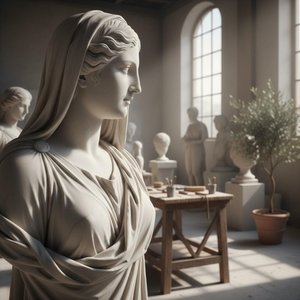
Timeless Elegance: A Complete Guide to the Sublime Beauty and Artistry of Marble Sculpture
Discover the sublime beauty of marble art through an expert exploration of Renaissance and Neoclassical masterpieces. From the delicate textures of Carpeaux to the grandeur of Sansovino, immerse yourself in a guide to timeless elegance and sculptural perfection.

The Enduring Form: Exploring Themes & Techniques in Sculpture Across Historical Periods
Explore the rich history of sculpture from ancient masterpieces to contemporary innovations. Discover key techniques, influential artists & investment potential for discerning art collectors.
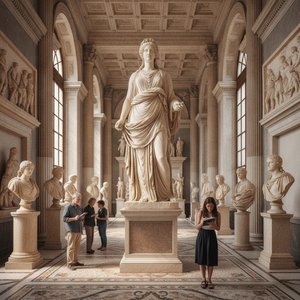
Timeless Grandeur: Exploring the Eternal Beauty and Art-Historical Legacy of Marble Sculpture
Explore the profound legacy of marble sculpture, from Classical antiquity to Neoclassical mastery. A definitive guide for elite collectors and designers seeking to integrate the luminous, eternal beauty of stone into sophisticated, high-end architectural spaces.

