
 Náhled v interiéru
 Sdílet
 Sdílet
 Podrobnosti o díle
 Průvodce

 Stáhnout
 Podobné položky
 Rentgenové snímky
 Slideshow
 Q&A
Q&A Statistiky
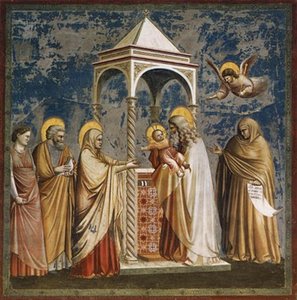
Annunciation: The Virgin Receiving the Message

- 150.0 x 195.0 cm


 Zobrazit více
Giclée / Umělecký tisk
Giclée nebo plátěný tisk muzeální kvality s rychlou výrobou a širokou nabídkou povrchových úprav. ( Koupit ručně malovaný obraz Přepnout na digitální obraz)




P118B Kč10

P118H Kč10

P118W Kč10

P438Z Kč10

P508JH Kč12

P508YH Kč12

P805H Kč10

P805Z Kč10

P919BZ Kč10

P919G Kč10

P919XJ Kč10

P959ZH Kč10

P968JZ Kč12

W106C Kč8

W218G Kč10

W218JH Kč8

W218Y Kč10

W307PJ Kč10

W316G Kč10

W316PJ Kč8

W316Y Kč10

W398PJ Kč8

W4111J Kč10

W500HY Kč15

W500JH Kč15

W692G Kč12

W849H Kč8

W940BG Kč15

W953PJ Kč8




Vyberte si z našich přednastavených velikostí, které odpovídají původním proporcím díla.

Zadejte šířku a výšku, které potřebujete pro váš rám nebo stěnu. Tisk lze pouze oříznout, nikdy však nelze zvětšit obraz nad jeho původní rozměr, proto při výběru jiného formátu dochází ke ztrátě části obrazu. Před samotným tiskem vám zašleme digitální náhled k schválení. Obraz zobrazený na této stránce nenabízí skutečný výřez — ten uvidíte pouze v náhledu.
Celosvětové doručení () do 2 týdnů namísto standardních 4/5 týdnů. (2 listopad)

Zdarma celosvětová expresní doprava

Vysoce kvalitní lněné plátno

Kompletní pojištění přepravy

Záruka vrácení celního poplatku

Záruka věrného barevného souladu

100dení lhůta pro vrácení zboží (pouze při vadách výroby)

100% záruka vrácení peněz

Sleva při více objednávkách
 Skleněná varianta je dostupná pouze u rozměrů menších než 110 cm

Annunciation: The Virgin Receiving the Message
Giclée / Umělecký tisk
Rozměry reprodukce
-


Celková cena za vybrané možnosti reprodukcí
Kč 1737
A Revolutionary Vision: Giotto’s Annunciation
Giotto di Bondone, born around 1267 in Florence, stands as a monumental figure in the artistic landscape of his era—a pivotal conduit between medieval tradition and the burgeoning Renaissance. Legend recounts his discovery as a shepherd boy sketching remarkably lifelike sheep on rocks, an anecdote that perfectly embodies Giotto’s innate genius: an unparalleled ability to portray the natural world with unprecedented realism and profound emotional resonance. Taken under the tutelage of Cimabue, Giotto swiftly surpassed his mentor, absorbing technical prowess while forging a path distinctly his own—a path marked by a courageous departure from established conventions. The prevailing Byzantine style prioritized stylized figures, flattened perspectives, and opulent gold backgrounds – visual emblems of spiritual elevation rather than earthly observation. Yet Giotto possessed an unwavering desire to transcend these limitations, driven by a conviction that art could genuinely capture the human experience.- Subject Matter: The fresco depicts the iconic biblical narrative of the Annunciation—the moment when Gabriel announces to Mary that she will conceive Jesus Christ.
- Style: Giotto’s work embodies Proto Renaissance style, representing a transformative step toward naturalism and humanism within art history.
Innovative Technique & Perspective
Giotto fundamentally reshaped artistic practice through groundbreaking innovations that challenged the stylistic norms of his time. He decisively moved away from the rigid flatness characteristic of Byzantine painting, introducing a more convincing illusion of depth—a nascent form of perspective—that dramatically enhanced the visual impact of the scene. This pioneering approach wasn’t merely about technical accuracy; it served to heighten emotional engagement by immersing viewers within the depicted space and fostering a palpable sense of immediacy. Furthermore, Giotto meticulously crafted facial expressions conveying genuine emotion – grief, joy, contemplation – capturing nuances previously absent from medieval art. These subtle gestures communicated profound psychological insight, elevating the artwork beyond mere representation to become a vessel for spiritual contemplation.- Perspective: Giotto’s use of linear perspective created a more realistic depiction of space and depth.
- Emotion: Facial expressions conveyed genuine emotion, demonstrating Giotto's mastery of psychological realism.
Symbolism & Context within the Scrovegni Chapel
The Annunciation resides within the Scrovegni Chapel in Padua—a UNESCO World Heritage Site—and its placement is deliberately significant. Commissioned by Enrico Scrovegni, a wealthy textile merchant, the chapel represents an extraordinary testament to patronage and artistic ambition. Giotto’s fresco serves as the centerpiece of a larger cycle depicting scenes from the life of Mary Magdalene, reflecting the fervent piety of the era. The composition itself is laden with symbolism: Mary sits on a bench—a gesture signifying humility and receptiveness—while Gabriel stands beside her, conveying divine grace. The architectural setting reinforces this spiritual atmosphere, emphasizing the sacredness of the event. Giotto’s masterpiece exemplifies the Proto Renaissance's aspiration to portray biblical narratives with profound emotional truth and artistic innovation – an enduring legacy that continues to inspire artists and collectors alike.Emotional Impact & Enduring Legacy
Giotto’s Annunciation transcends mere visual beauty; it resonates deeply with viewers on an emotional level, conveying a palpable sense of reverence and devotion. The artist's masterful depiction of Mary’s serene contemplation and Gabriel’s solemn proclamation captures the essence of faith—a belief in divine providence and the transformative power of grace. Giotto’s influence extended far beyond his lifetime, establishing him as a foundational figure in Renaissance art and shaping artistic conventions for centuries to come. His unwavering commitment to realism and emotional expression paved the way for subsequent generations of artists who sought to emulate his visionary approach—a testament to the enduring significance of Giotto di Bondone's revolutionary contribution to Western art history.Otázky a odpovědi
Jakým způsobem se dílo „Annunciation: The Virgin Receiving the Message“ zapojuje do témat a stylu umělce Giotto di Bondone?
„Annunciation: The Virgin Receiving the Message“ patří k dílu Giotto di Bondone v rámci směru Proto Renaissance, jehož typická témata zahrnují byzantine tradition, spiritual revelation, divine messenger, padua chapel, renaissance pioneer.
Působí barvy díla "Annunciation: The Virgin Receiving the Message" výrazně, nebo jemně?
Barvy v díle „Annunciation: The Virgin Receiving the Message“ od Giotto di Bondone mají Balanced intenzitu.
Do jaké fáze tvůrčího rozvoje Giotto di Bondone patří dílo „Annunciation: The Virgin Receiving the Message“?
Dílo „Annunciation: The Virgin Receiving the Message“ pochází z období Proto Renaissance v tvorbě umělce Giotto di Bondone. Tato klasifikace dílo zasazuje do kontextu vývoje jeho tvůrčí dráhy.
Biografie umělce
Život a počátky geniálního malíře
Giotto di Bondone, zrozený kolem roku 1267 v malebném toskánském kraji nedaleko Florencie, se narodil do skromných poměrů. Jeho dětství je opředeno legendami – vypráví se o něm jako o nadaném pastevci, který na kamenech kreslil tak živé ovce, že upoutal pozornost slavného florentského mistra Cimabueho. Ať už je tato pověst pravdivá či nikoli, vystihuje podstatu Giottova talentu: vrozenou schopnost zachytit přírodu s nebývalým realismem a hloubkou citu. Brzy se stal učněm u Cimabueho, kde osvojil základní techniky malířského řemesla, ale záhy začal hledat vlastní cestu.
Průlom s byzantskou tradicí
V době Giottova mládí dominoval umělecké scéně byzantský styl. Ten se vyznačoval stylizovanými postavami, plochým zobrazením prostoru a bohatým použitím zlatých pozadí – symbolů duchovního světa spíše než reálného života. Giotto však toužil po zobrazování lidstva ne jako éterických ikon, ale jako jedinečných osobností s emocemi, žijících v hmatatelném prostoru. Jeho umělecká revoluce nebyla náhlým zlomem, ale postupnou evolucí. Již jeho rané práce naznačovaly posun k většímu důrazu na objem, hmotnost a uvěřitelnost anatomie. Začal vnímat světlo a stín ne pouze jako dekorativní prvky, ale jako nástroje pro modelování tvarů a vytváření hloubky. Tento počínající naturalismus je patrný i v jeho dílech ve horní bazilice svatého Františka v Assisi – ačkoli autorství zůstává předmětem debat, mnozí odborníci rozpoznávají Giottovu ruku v scénách, které se výrazně odlišují od převládající byzantské estetiky. Neodmítal tradici, ale rozvíjel ji, obohacoval o nový smysl pro lidskost a emocionální rezonanci.
Cappella degli Scrovegni: Mistrovské dílo vyprávění
Vrcholem Giottova uměleckého snažení je bezesporu cyklus fresek zdobící Cappella degli Scrovegni (známá také jako Arena Chapel) v Padově. Dokončený kolem roku 1305, tento dechberoucí soubor obrazů zobrazuje život Krista a Panny Marie s revoluční úrovní realismu a intenzity emocí. Každá scéna se rozvíjí jako pečlivě inscenovaná drama, osídlená postavami, které nejsou pouhými reprezentacemi náboženských archetypů, ale plně realizovanými lidmi prožívající radost, smutek, strach a naději. *Poslední soud*, pokrývající celou jednu stěnu kaple, je silným svědectvím Giottovy schopnosti vyjádřit jak božskou majestátnost, tak surovou zranitelnost lidstva čelícího svému konečnému soudu. Použití perspektivy, ačkoli ne matematicky přesné podle pozdějších renesančních standardů, vytváří přesvědčivou iluzi hloubky, vtahující diváka do děje. Postavy jsou uzemněny, jejich těla mají váhu a objem a jejich výrazy vyjadřují škálu emocí, které byly v náboženském umění dosud nevídané.
Architektura a trvalý odkaz
Giottoův talent se netýkal pouze malby; byl také respektovaným architektem. V roce 1334 byl pověřen návrhem Campanile – zvonice florentské katedrály, projektu, který demonstroval jeho inovativní přístup k architektonické formě. I když zemřel dříve než bylo dílo dokončeno, jeho plány položily základy pro tuto ikonickou florentskou památku. Jeho vliv na následující generace umělců je nevyčíslitelný. Přemostil propast mezi středověkem a renesancí a připravil cestu mistrům jako Masaccio, Leonardo da Vinci a Michelangelo. Giorgio Vasari ve svém zásadním díle *Životy nejvýznamnějších malířů, sochařů a architektů* připsal Giottovi „darání malbě velkého umění dělat věci podle života“, což je důkaz jeho hlubokého dopadu na vývoj západního umění. Giotto nezachycoval pouze svět; snažil se mu porozumět, zachytit jeho podstatu a zprostředkovat toto pochopení prostřednictvím síly vizuálního vyprávění. Jeho odkaz i po staletích inspiruje úžas a obdiv, upevňujíc jeho pozici jako jednoho z největších uměleckých inovátorů v historii.

Giotto di Bondone
1267 - 1337 , Itálie
Rychlé informace o umělci
- Artistic Movement Or Style: Proto-renesance
- Artists Or Movements Influenced By This Artist:
- Masaccio
- Renesanční umění
- Artists Who Influenced This Artist: ['Cimabue']
- Date Of Birth: okolo 1267
- Date Of Death: 1337
- Full Name: Giotto di Bondone
- Nationality: Italský
- Notable Artworks:
- Kaple Scrovegni
- Ognissanti Madonna
- Campanile
- Place Of Birth (City And Country): Florencie, Itálie
Související články

Freska jako rodinné dědictví: Zachovejte svůj původ v obrazech na stěnách
Objevte sílu fresek pro uchování rodinné historie! Kvalitní reprodukce a zakázková malba od . Inspirujte se historií umění a vytvořte jedinečný obraz vašeho původu.

Giotto di Bondone: Top 25 mistrovských děl renesance pro váš domov | OriginalUniqueArt.com
Objevte 25 ikonických děl Giotta di Bondone – průkopníka renesance! Prozkoumejte fresky, náboženské obrazy a mistrovská díla plná emocí. Najděte umělecké reprodukce pro váš interiér na OriginalUniqueArt.com.

The Enduring Legacy of Fresco: Technique, History & Artistic Expression Across Cultures
Explore the rich history & enduring legacy of fresco painting! Discover ancient techniques, Giotto's masterpieces, and modern applications. Expert insights for art lovers & professionals.

The Enduring Legacy of Fresco Painting: Techniques, History & Contemporary Relevance
Explore the rich history & enduring artistry of fresco painting – from Giotto to Michelangelo! Discover techniques, conservation efforts, & modern applications. Learn how OriginalUniqueArt brings this timeless art form to your home.

Dante Gabriel Rossetti: Top 25 děl a umělecké ikony pro váš domov | OriginalUniqueArt.cz
Prozkoumejte 25 ikonických děl Dante Gabriela Rossettiho – symbolismus, viktoriánský romantismus a krásné ženy v obrazech. Reprodukce obrazů nejvyšší kvality pro váš interiér na OriginalUniqueArt.cz. Objevte celou kolekci online!




![Scrovegni - Posledný soud (detail) [03]](/media/artworks/images-thumb/7d/a9/7da93e3737abc9f37453cee26f9f9796.jpg)
