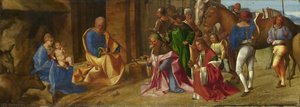
Náhled v interiéru
 Sdílet
 Sdílet
 Podrobnosti o díle
 Průvodce

 Stáhnout
 Podobné položky
 Rentgenové snímky
 Slideshow
 Q&A
Q&A Statistiky
Boy with flute


 Zobrazit více
Giclée / Umělecký tisk
Giclée nebo plátěný tisk muzeální kvality s rychlou výrobou a širokou nabídkou povrchových úprav. ( Koupit ručně malovaný obraz Přepnout na digitální obraz)




P118B Kč10

P118H Kč10

P118W Kč10

P438Z Kč10

P508JH Kč12

P508YH Kč12

P805H Kč10

P805Z Kč10

P919BZ Kč10

P919G Kč10

P919XJ Kč10

P959ZH Kč10

P968JZ Kč12

W106C Kč8

W218G Kč10

W218JH Kč8

W218Y Kč10

W307PJ Kč10

W316G Kč10

W316PJ Kč8

W316Y Kč10

W398PJ Kč8

W4111J Kč10

W500HY Kč15

W500JH Kč15

W692G Kč12

W849H Kč8

W940BG Kč15

W953PJ Kč8




Vyberte si z našich přednastavených velikostí, které odpovídají původním proporcím díla.

Zadejte šířku a výšku, které potřebujete pro váš rám nebo stěnu. Tisk lze pouze oříznout, nikdy však nelze zvětšit obraz nad jeho původní rozměr, proto při výběru jiného formátu dochází ke ztrátě části obrazu. Před samotným tiskem vám zašleme digitální náhled k schválení. Obraz zobrazený na této stránce nenabízí skutečný výřez — ten uvidíte pouze v náhledu.
Celosvětové doručení () do 2 týdnů namísto standardních 4/5 týdnů. (29 říjen)

Zdarma celosvětová expresní doprava

Vysoce kvalitní lněné plátno

Kompletní pojištění přepravy

Záruka vrácení celního poplatku

Záruka věrného barevného souladu

100dení lhůta pro vrácení zboží (pouze při vadách výroby)

100% záruka vrácení peněz

Sleva při více objednávkách
 Skleněná varianta je dostupná pouze u rozměrů menších než 110 cm

Boy with flute
Giclée / Umělecký tisk
Rozměry reprodukce
-


Celková cena za vybrané možnosti reprodukcí
Kč 1724
A Venetian Reverie: Unveiling Giorgione’s ‘Boy with Flute’
Giorgione's “Boy with Flute,” painted around 1508, isn’t merely a portrait; it’s an invitation into a fleeting moment of serene beauty – a quintessential example of the Venetian Renaissance at its most evocative. The painting immediately captivates with its luminous palette and the palpable sense of stillness that permeates the scene. The young man, bathed in diffused light, appears lost in his own world as he plays a simple flute, an instrument often associated with pastoral tranquility and youthful innocence. This wasn’t simply a commission for a wealthy patron; it feels like a distillation of Venetian ideals – a celebration of beauty, harmony, and the subtle pleasures of life.
The Painter's Hand: Technique and Style
Giorgione’s style is notoriously difficult to pin down, contributing significantly to his enduring mystique. He operated outside the rigid confines of academic painting, favoring a more intuitive approach that prioritized atmosphere and color over precise detail. “Boy with Flute” exemplifies this perfectly. Notice how Giorgione employs *sfumato*, a technique perfected by Leonardo da Vinci, to soften edges and create an almost hazy effect. The light seems to emanate from within the figure itself, blurring the boundaries between subject and background. The brushstrokes are incredibly subtle, layered upon each other to build up depth and luminosity. He masterfully uses color – predominantly muted greens, blues, and ochres – to evoke a sense of twilight or early morning, lending the scene an ethereal quality. The composition is remarkably simple yet profoundly effective; the figure dominates the frame without feeling cramped, drawing the viewer into his contemplative state.
- Color Palette: Dominated by muted greens, blues, and ochres – creating a sense of twilight or early morning.
- Sfumato Technique: Employed to soften edges and create an atmospheric haze.
- Brushwork: Subtle and layered, contributing to the painting’s luminous quality.
A Fragment of Venice: Historical Context and Symbolism
Painted in the early 16th century, “Boy with Flute” reflects the flourishing artistic climate of Venice at the time – a city renowned for its wealth, trade, and patronage of the arts. Giorgione’s work aligns closely with the Venetian *Trecento* style, characterized by its emphasis on color, light, and classical themes. The flute itself carries symbolic weight; it represents youth, innocence, and connection to nature. The dark background, devoid of specific details, could be interpreted as a representation of the unknown or the realm of dreams – further enhancing the painting’s enigmatic quality. Some scholars suggest that the setting might allude to the Venetian countryside, a popular subject for Renaissance artists seeking inspiration beyond the city walls.
Emotional Resonance: A Portrait of Contemplation
Beyond its technical brilliance and historical context, “Boy with Flute” possesses a remarkable emotional resonance. The young man’s expression is one of quiet contemplation – he's not actively performing but lost in the act of playing. This invites us to consider our own relationship with music, nature, and the simple joys of life. The painting doesn’t demand an explanation; it simply *is*—a beautiful, self-contained moment captured on canvas. It speaks to a universal human desire for peace and connection, making it a timeless work that continues to captivate viewers centuries after its creation. A reproduction of this piece offers a window into the soul of Renaissance Venice, bringing a touch of serene beauty to any space.
Otázky a odpovědi
Kdo prodává ručně malované kopie díla „Boy with flute“ od Giorgione?
„Boy with flute“ je dostupná jako ručně malovaná olejová reprodukce na lněném plátně. Objednávku můžete zadat na její stránce Ručně malovaná reprodukce, kde si můžete vybrat z různých rozměrů.
Je dílo „Boy with flute“ od Giorgione spíše světlé, nebo tmavé?
Vnímaná jasnost díla „Boy with flute“ od Giorgione je deep_shadow. Lze jej přizpůsobit osvětlení daného prostoru.
Jaká je převládající barva díla „Boy with flute“ od Giorgione?
Dominantní odstín díla „Boy with flute“ od Giorgione je Ochre to Sepia. Tento odstín tvoří základní tón celé palety.
Biografie umělce
Benečianská enigma: Život a odkaz Giorgiona
Giorgio Barbarelli da Castelfranco, světu známý jako Giorgione, zůstává jednou z nejzáhadnějších a nejpoutavějších postav renesančního umění. Narodil se v malém městečku Castelfranco Veneto poblíž Benátek kolem roku 1477 nebo 1478 – přesný rok je předmětem debat – a jeho tragicky krátký život, který skončil kolem roku 1510 ve věku třiceti dvou či třiceti tří let, je v přímém rozporu s uměleckým dopadem, který rezonuje i staletí později. Na rozdíl od mnoha jeho současníků, jejichž životy jsou dobře zdokumentovány, je Giorgiona příběh zahalen tajemstvím, sestavený z neúprosných historických záznamů a často romantizovaných vyprávění Giorgio Vasariho. To, co víme, naznačuje muže hluboce ponořeného do živé kultury Benátek, města, které podporovalo jak umělecké inovace, tak smyslnou vychutnávku krásy. Pravděpodobně se učil u Giovanese Belliniho, předního benátského malíře, a vstřebával zavedené tradice, než si vybudoval svou vlastní jedinečnou cestu. Mezi jeho rané zakázky patřily portréty významných postav, jako byl doge Agostino Barbarigo, což dokazuje okamžitý talent pro zachycení podobnosti i společenského postavení. Skutečně se však odlišil právě svým odklonem od konvenčních témat a revolučním přístupem k malování.Poetické vize: Styl a inovace
Giorgionův umělecký styl představoval významný zlom oproti tehdejšímu florentinskému důrazu na lineární perspektivu a precizní kresbu. Stal se zastáncem barvy, atmosféry a evokativní náladovosti, která se stala nedotknutelným znakem benátské školy. Jeho technika zahrnovala zjemňování obrysů, využívání jemných přechodů tónů – *sfumato* – k vytváření atmosférických efektů a upřednostňování celkové harmonie před precizním detailem. Tento přístup nebyl pouze technickou volbou; odrážel fundamentálně odlišnou uměleckou citlivost. Giorgione neusiloval o pouhé napodobení reality, ale o zachycení její podstaty, jejích prchavých emocí a poetického rezonance. Jeho obrazy často obsahují záhadná témata a nejednoznačné příběhy, které diváky zvou do světa kontemplace namísto nabízení jasně definovaných dějů. Bouře, možná jeho nejslavnější dílo, to dokonale ilustruje. Scéna – voják a kojící matka uprostřed bouřlivé krajiny – trápí historiky umění již celá staletí, přičemž její význam zůstále lákavě nedosažitelný. Podobně Pastýřský koncert (Fête champêtre) představuje idylické shromáždění hudebníků v pastýřském prostředí, oslavované nikoliv pro konkrétní příběh, ale pro svou harmonickou kompozici a lyrickou kvalitu. Tato díla neměla být hádankami k vyřešení; měla vyvolávat pocity, nálady a pocit úžasu.Mistrovská díla a trvalý vliv
Ačkoliv byl jeho tvorba omezená jeho předčasnou smrtí, Giorgione po sobě zanechal malé, ale hluboce vlivné dílo. Spící Venuše, pravděpodobně dokončená s pomocí Tiziana po Giorgionově odchodu ze světa, je ikonickým zobrazením bohyně, které vykazuje jeho mistrovství v barvě a formě. Lenivá póza a měkké tóny pleti ztělesňují benátskou vášeň pro smyslnost a krásu. Mezi další významná díla patří Judith, raný příklad jeho rozvíjejícího se stylu, a portréty, které odhalují bystrou schopnost zachytit charakter a podstatu svých subjektů. Giorgionův vliv se rozšířil daleko za hranice jeho vlastních obrazů. Byl mentorem pro Tiziana, který se stal jedním z nejslavnějších umělců vysoké renesance a nesl dále Giorgionovy inovace v oblasti barvy a atmosférického malování. Důraz na barvu a atmosféru zásadně ovlivnil vývoj benátského malířství, odlišil jej od florentinské tradice a ugruntoval Benátky jako hlavní centrum uměleckých novinek.Trvalý odkaz: Historický význam Giorgiona
Navzdory své krátké kariéře zaujímá Giorgione klíčové místo v dějinách umění. Propojil mezeru mezi ranými benátskými tradicemi a inovacemi Tiziana a dalších pozdějších mistrů, čímž zásadně změnil směr italského malířství. Jeho důraz na poetickou náladu, atmosférické efekty a nejednoznačné vyprávění otevřel cestu novým uměleckým průzkumům a inspiroval generace umělců. Samotné tajemství obklopující jeho život a dílo přispělo k jeho trvající mystice a půvabnosti. Zůstává symbolem umělecké svobody, inovace a síly naznačování – malířem, který se odvážil upřednostnit pocit před formou, atmosféru před přesností a poezii před příběhem.Klíčová díla Giorgiona
- Bouře (cca 1506–1508)
- Pastýřský koncert (Fête champêtre) (cca 1509)
- Spící Venuše (cca 1510)
- Judith (1504)
- Portrét benátského gentlemana

Giorgione
1477 - 1510 , Itálie
Rychlé informace o umělci
- Artistic Movement Or Style: Výšší Renesance, Benetská škola
- Artists Who Influenced This Artist:
- Giovanni Bellini
- Mantegna
- Date Of Birth: c.1477/78
- Date Of Death: podzim 1510
- Full Name: Giorgio Barbarelli da Castelfranco
- Nationality: Italský
- Notable Artworks:
- Tempest
- Pastoral Concert
- Spící Venus
- Place Of Birth: Castelfranco Veneto, Itálie
Související články
Venetian Renaissance: The Golden Age of Color, Light, and Luminous Artistry
Embark on a journey through the Venetian Renaissance. Discover how masters like Giorgione and Titian revolutionized art through luminous color and light. Explore the profound legacy of the Venetian School and its enduring influence on the world of fine art.

Giorgione: Enigma and Innovation in Early Venetian Renaissance Painting
Explore the enigmatic world of Giorgione, a pivotal figure in the Venetian Renaissance. Discover his innovative techniques, iconic paintings like 'The Tempest', and lasting influence on art history. Learn more at OriginalUniqueArt.

Pietro Longhi's Venetian Scenes: A Study of Rococo Society & Domestic Life
Explore the captivating world of Pietro Longhi's Venetian scenes! Discover insightful analysis of his Rococo masterpieces & social commentary on 18th-century life. Learn about this 'Venetian Hogarth' and his lasting artistic legacy.
Jacopo Tintoretto: 25 mistrovských děl benátského mistra | OriginalUniqueArt.com
Prozkoumejte 25 ikonických děl Jacopa Tintoretta, benátského mistra dramatické renesance. Objevte příběhy za obrazy plnými emocí a světla. Reprodukce obrazů nejvyšší kvality na OriginalUniqueArt.com – inspirace pro váš interiér.

The Golden Light of Innovation: Exploring the Venetian Renaissance Art Movement (1430–1580)
Explore the Golden Age of Venetian art (1430–1580). Discover Giorgione, Titian & Tintoretto's techniques, the 'colorito' revolution, and lasting influence. Expert insights for collectors & enthusiasts.