
 Náhled
 Sdílet
 Sdílet
 Podrobnosti o díle

 Stáhnout
 Podobné položky
 Rentgenové snímky
 Slideshow
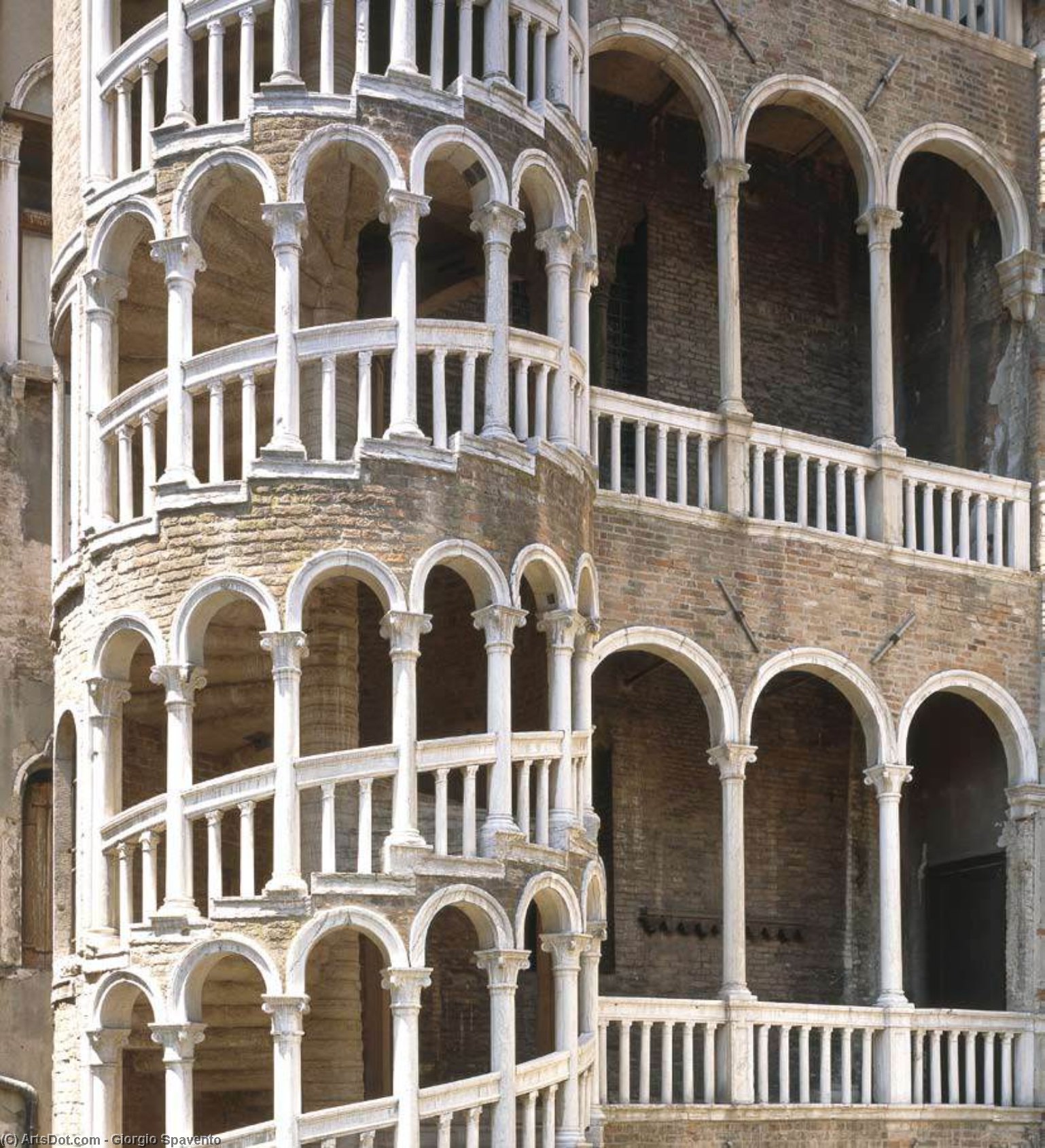
External staircase (Scala del Bovolo)


 Zobrazit více
Ručně malovaná olejová reprodukce
Ručně malovaná olejná barva na plátně ve vašem zvoleném rozměru i s rámem, vyrobená našimi umělci na zakázku. ( Koupit tisk Koupit obrázek)




































Vyberte si z našich přednastavených velikostí, které odpovídají původním proporcím díla.

Můžete zadat vlastní rozměry pro konkrétní rám nebo prostor. Pokud se vámi vybraná velikost neshoduje s proporcemi původního obrazu, dílo buď ořízneme, nebo jej doplníme ručně malovanými prvky. Před zahájením výroby vám bude zaslán digitální náhled ke schválení.
Upozorňujeme, že náhled na obrazovce neodpovídá skutečnému ořezu ani rozšíření. Pouze digitální náhled přesně zobrazí finální kompozici.
Ačkoliv je možné zvolit vlastní velikost, pro zachování původních proporcí doporučujeme vybrat rozměr z předdefinovaného seznamu.
Po přijetí objednávky vám tým OriginalUniqueArt.com zašle e-mail s pokyny a poskytne náhledovou verzi.
Celosvětová doprava () za 3–4 týdny namísto standardních 5 týdnů. (21 srpen). Bez kompromisů v kvalitě.

Zdarma celosvětová expresní doprava

Vysoce kvalitní lněné plátno

Kompletní přepravní pojištění

Záruka vrácení celního poplatku

Záruka přesného barevného shodu

60denní lhůta pro vrácení zboží (pouze při vadách výroby)

100% garance vrácení peněz

Sleva při hromadné objednávce
 Skleněná varianta je dostupná pouze u rozměrů menších než 110 cm

External staircase (Scala del Bovolo)
Technika reprodukce
Rozměry reprodukce
-


Celková cena za výběr
$ 300
Biografie umělce
A Venetian Architect of Transition: Giorgio Spavento
Giorgio Spavento, a name perhaps less celebrated than his Renaissance contemporaries like Palladio or Sansovino, nevertheless occupies a crucial position in the architectural landscape of 16th-century Venice. Born around 1440 in Venice, Italy, and passing away in 1509, Spavento’s career unfolded during a period of significant change for the city – a time when Gothic traditions were gradually yielding to the emerging principles of Renaissance classicism. While details regarding his early life remain scarce, it is believed he originated from the area around Lake Como, bringing with him influences that subtly shaped his distinctive style. His appointment in 1486 as *proto*—a consultant architect and buildings manager for the Procurators of Saint Mark—marked a turning point, placing him at the heart of Venice’s public works and granting him responsibility over many of the iconic structures defining the city's visual identity.The Fabric of Public Life: Spavento’s Architectural Responsibilities
As *proto*, Spavento wasn’t solely focused on grand designs; his role was one of meticulous oversight, restoration, and adaptation. He became a custodian of Venice’s architectural heritage, tasked with maintaining the city's existing structures while cautiously introducing new ideas. This involved extensive work on the Basilica di San Marco itself, including the sacristy and crucial repairs to the belfry of Saint Mark’s campanile—a testament to his engineering skill. Beyond San Marco, he oversaw projects like the restoration of the Palazzo della Ragione in Vicenza and addressed critical issues with Venice's vital bridges, notably the old Rialto Bridge and the Ponte delle Navi in Verona. These endeavors weren’t merely about preserving stone and wood; they were about safeguarding the very fabric of Venetian life, ensuring the continuity of a city intimately connected to its waterways and public spaces. His involvement extended even to the coastal defenses – the *Lidi*—demonstrating a broad understanding of civic engineering beyond purely aesthetic concerns.San Salvador: A Synthesis of Styles
While Spavento’s portfolio encompassed numerous restoration projects, his most significant surviving work is undoubtedly the Church of San Salvador. Begun in 1488 and completed with contributions from Tullio Lombardo and Jacopo Sansovino, San Salvador embodies a fascinating synthesis of Gothic verticality and Renaissance principles of proportion and harmony. The church’s façade, while retaining some Gothic elements, showcases an increasing emphasis on classical orders and balanced composition. Inside, the interior spaces reflect a growing awareness of perspective and spatial clarity—characteristics that would become hallmarks of High Renaissance architecture. It is important to note that Spavento's vision was not executed in isolation; the collaborative nature of Renaissance workshops meant his designs were often refined and expanded upon by other skilled artisans. However, the foundational structure and initial design direction are firmly attributed to him, making San Salvador a crucial example of his architectural sensibilities.Beyond San Salvador: Other Notable Projects
Spavento’s influence extended beyond San Salvador, though many of these projects have been altered or lost over time. The church of San Niccolò di Castello, consecrated in 1503 but later demolished around 1810, represents another significant undertaking. His work on the rebuilding of the Fondaco dei Tedeschi—a major commercial center for German merchants—highlights his ability to address practical needs within a sophisticated architectural framework. These projects, though less well-preserved than San Salvador, reveal a consistent approach: a careful balance between tradition and innovation, functionality and aesthetic refinement. He was not a revolutionary figure overturning established norms; rather, he was a skilled mediator, subtly guiding Venice’s architecture towards the Renaissance while respecting its unique character.A Legacy of Continuity and Transition
Giorgio Spavento's historical significance lies in his role as a bridge between architectural eras. He wasn’t solely a Gothic architect clinging to outdated forms, nor was he a radical innovator fully embracing Palladian ideals. Instead, he represented a pragmatic approach—a willingness to adapt, restore, and cautiously introduce new concepts within the existing urban fabric of Venice. His work laid the groundwork for later Renaissance masters like Sansovino, who would further develop these ideas and shape the city’s architectural identity. While his name may not be as widely recognized, Giorgio Spavento remains a vital figure in understanding the complex evolution of Venetian architecture during a period of profound cultural transformation—a testament to the enduring power of skilled craftsmanship and thoughtful design.
giorgio spavento
1440 - 1509 , Italy
Rychlé fakta
- Artistic Movement Or Style: Renaissance Venice
- Artists Or Movements Influenced By This Artist: ['Palladian Design']
- Artists Who Influenced This Artist: ['Palladio']
- Date Of Birth: ca. 1440
- Date Of Death: 1509
- Full Name: Giorgio Spavento
- Nationality: Italian
- Notable Artworks:
- Scala del Bovolo
- San Salvador
- Place Of Birth: Venice, Italy

