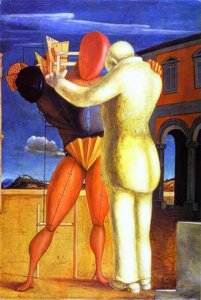
Náhled v interiéru
 Sdílet
 Sdílet
 Podrobnosti o díle
 Průvodce

 Stáhnout
 Podobné položky
 Rentgenové snímky
 Slideshow
 Q&A
Q&A Statistiky
untitled (1992)

 Zobrazit více
Umělecké dílo zobrazené na této stránce je chráněno autorským zákonem, což znamená, že nemůžeme legálně vytvářet ani prodávat jeho identickou reprodukci. Tato ochrana je vymáhána na základě mezinárodních dohod, jako například Berberská úmluva a národními zákony, včetně těch stanovených v Americký autorský zákon – Díl 17. Všechna práva vyhrazena.
Tato metoda je plně v souladu s autorským právem, protože nezahrnuje kopírování ani duplikování chráněného díla. Jde o kreativní reinterpretaci – nový obraz, který je inspirován originálem, ale není s ním identický.
Giclée / Umělecký tisk
Giclée nebo plátěný tisk muzeální kvality s rychlou výrobou a širokou nabídkou povrchových úprav. ( Koupit ručně malovaný obraz Přepnout na digitální obraz)




P118B Kč10

P118H Kč10

P118W Kč10

P438Z Kč10

P508JH Kč12

P508YH Kč12

P805H Kč10

P805Z Kč10

P919BZ Kč10

P919G Kč10

P919XJ Kč10

P959ZH Kč10

P968JZ Kč12

W106C Kč8

W218G Kč10

W218JH Kč8

W218Y Kč10

W307PJ Kč10

W316G Kč10

W316PJ Kč8

W316Y Kč10

W398PJ Kč8

W4111J Kč10

W500HY Kč15

W500JH Kč15

W692G Kč12

W849H Kč8

W940BG Kč15

W953PJ Kč8




Vyberte si z našich přednastavených velikostí, které odpovídají původním proporcím díla.

Zadejte šířku a výšku, které potřebujete pro váš rám nebo stěnu. Tisk lze pouze oříznout, nikdy však nelze zvětšit obraz nad jeho původní rozměr, proto při výběru jiného formátu dochází ke ztrátě části obrazu. Před samotným tiskem vám zašleme digitální náhled k schválení. Obraz zobrazený na této stránce nenabízí skutečný výřez — ten uvidíte pouze v náhledu.
Celosvětové doručení () do 2 týdnů namísto standardních 4/5 týdnů. (2 listopad)

Zdarma celosvětová expresní doprava

Vysoce kvalitní lněné plátno

Kompletní pojištění přepravy

Záruka vrácení celního poplatku

Záruka věrného barevného souladu

100dení lhůta pro vrácení zboží (pouze při vadách výroby)

100% záruka vrácení peněz

Sleva při více objednávkách
 Skleněná varianta je dostupná pouze u rozměrů menších než 110 cm

untitled (1992)
Giclée / Umělecký tisk
Rozměry reprodukce
-


Celková cena za vybrané možnosti reprodukcí
Kč 1737
A Still Life Echoing the Masters
This captivating still life by Giorgio de Chirico transports viewers to a realm of rustic beauty and quiet contemplation. Executed in 1992, the painting showcases a carefully arranged collection of apples resting on rough, earthen ground, set against the subtle backdrop of a distant landscape. While created late in his career, this work demonstrates De Chirico’s enduring fascination with classical composition and technique, particularly those of the Spanish Golden Age – notably Velázquez.Style & Technique: A Metaphysical Resonance
De Chirico's approach here is characterized by a loose, expressive style. Bold brushstrokes define the forms of the apples and the texture of the ground, prioritizing the capture of light and atmosphere over meticulous detail. This technique echoes the *alla prima* painting favored by Velázquez, creating a sense of immediacy and vibrancy. The perspective is deliberately flattened, drawing attention to the objects themselves rather than striving for strict realism – a hallmark of his earlier Metaphysical period, though subtly applied here. Oil paint is employed with confidence, building up layers of color and texture that invite close inspection.Subject & Symbolism: Simplicity and Depth
The subject matter—a simple arrangement of fruit—belies a deeper resonance. Still life painting has long been imbued with symbolic meaning. Apples, in particular, carry connotations of abundance, temptation, knowledge, and even mortality. De Chirico doesn’t explicitly dictate a single interpretation; instead, he presents the apples as objects of beauty that invite personal reflection. The rural landscape glimpsed in the background further reinforces themes of nature, transience, and the passage of time.Historical Context: A Legacy of Innovation
Giorgio de Chirico (1888-1978) was a pivotal figure in 20th-century art. Born in Greece to Italian parents, he is best known as the founder of Pittura Metafisica (Metaphysical Painting). This movement, emerging in the early 20th century, profoundly influenced Surrealism with its dreamlike imagery and unsettling juxtapositions. While this later work doesn’t possess the stark strangeness of his Metaphysical paintings, it demonstrates a continued engagement with classical principles and a masterful handling of light and shadow – qualities that made him such an influential artist. His ability to evoke mood and atmosphere remains central to his artistic vision throughout his career.Emotional Impact & Interior Design
The painting evokes a sense of peaceful melancholy, grounded in the earthy tones and tactile brushwork. The warm color palette—dominated by reds, yellows, and greens—creates an inviting ambiance. This artwork would be a stunning addition to a variety of interior spaces.- Its rustic charm complements farmhouse or country-style décor.
- The subdued tones work well in traditional settings, adding depth and sophistication.
- For modern interiors, the painting provides a touch of classic elegance and artistic intrigue.
Otázky a odpovědi
Odkud pocházejí návštěvníci díla „untitled (1992)“ od Giorgio de Chirico?
Statistiky k dílu „untitled (1992)“ od Giorgio de Chirico naleznete na stránce Statistiky tohoto díla: měsíční návštěvnost díla, návštěvnost děl daného umělce a rozpis nedávných návštěvníků podle zemí a jazyků.
Kdo je autorem díla "untitled (1992)"?
Autorem díla „untitled (1992)“ je Giorgio de Chirico. Práce je v katalogu uvedena pod jménem Giorgio de Chirico.
Jakou převládající barvu má dílo „untitled (1992)“ od Giorgio de Chirico?
Barvou, která v díle „untitled (1992)“ nejvíce vyniká, je Phthalo Green (#2b2222). Dominantní barva je užitečná při sladění uměleckého díla s interiérem.
Biografie umělce
Giorgio de Chirico: Vize einer surrealistischen Seele
Giorgio de Chirico, geboren 1988 in Volos, Griechenland, als Sohn italienischer Eltern – einer Genuesischen Baronin und eines sizilianischen Barons – begann seine künstlerische Reise mit einer einzigartigen Mischung aus klassischem Erbe und einem wachsenden Gefühl der modernen Entfremdung. Seine frühe Ausbildung an der Theatralisch-Mathematischen Schule in Athen legte eine solide Grundlage in traditionellen Techniken, doch erst seine Studien in München entfachten seinen kreativen Geist. Dort, inmitten des intellektuellen Aufbruchs Europas vor dem Ersten Weltkrieg, begegnete er Werken von Arnold Böcklin und Max Klinger – Künstlern, deren symbolische Landschaften und geisterhafte Bilder sein eigenes künstlerisches Konzept tiefgreifend prägten. Ebenfalls entscheidend für seine Entwicklung waren die philosophischen Strömungen der Zeit – die Schriften von Friedrich Nietzsche, Arthur Schopenhauer und Otto Weininger, die Themen wie Existenzialismus, die Irrationalität menschlicher Begierden und die subjektive Natur der Realität erforschten. Diese Ideen wurden zu den Eckpfeilern seiner bahnbrechenden künstlerischen Vision.Die Geburt der Metaphyschen
Um 1909 begann sich aus seinen Erkundungen ein einzigartiger Stil herauszudecken – ein Stil, den er selbst “Metaphysische” Kunst nannte. Dies war nicht nur eine stilistische Innovation; es war ein tiefgreifender Versuch, die verborgenen Realitäten unter der Oberfläche des Alltags aufzudecken, die verstörende Poesie in vertrauten Räumen zu enthüllen. Ein entscheidendes Ereignis ereignete sich während eines Besuchs in Florenz und einer Erfahrung im Piazza Santa Croce – ein Moment, der seine ikonische Serie “Metaphysischer Stadtplatz” inspirierte. Diese Gemälde zeichnen sich durch ihre unheimliche Stille, lange dramatische Schatten, willkürliche Perspektiven und die Präsenz klassischer Architektur, kontrastierend mit verstörenden Elementen wie leeren Mannequins und bedrohlichen Statuen aus. Das Ergebnis ist tief beunruhigend und erzeugt ein Gefühl von Nostalgie, Isolation und einer fast unerträglichen Sehnsucht nach etwas Verlorenem oder Unattainablem. De Chirico gründete die *Scuola Metafisica*, die einen tiefgreifenden Einfluss auf Surrealismus hatte, obwohl er sich später von dessen Interpretationen seiner Arbeit distanzierte. Seine Gemälde waren nicht dazu gedacht, Träume darzustellen, sondern vielmehr eine Realität jenseits der sichtbaren Welt zu zeigen – ein Reich, in dem Zeit und Raum fließen und die Grenzen zwischen Bewusstsein und Unterbewusstsein verschwimmen. Werke wie *Die Qualen des Denkers*, *Das Rätsel eines Herbstnachmittags* und *Das Lied der Liebe* veranschaulichen diese beunruhigende Ästhetik und laden den Betrachter ein, über die Geheimnisse der Existenz und die Zerbrechlichkeit menschlicher Wahrnehmung nachzudenken.Einflüsse und künstlerische Entwicklung
De Chiricos frühe Arbeiten zeigten deutliche Einflüsse von Böcklin und Klinger, insbesondere in Bezug auf die Verwendung von Symbolik und die Darstellung von melancholischen Landschaften. Die Begegnungen mit den philosophischen Ideen Nietzsches, Schopenhauers und Weiningers prägten seine Sichtweise der Welt und führten zu einer Auseinandersetzung mit Themen wie Isolation, Entfremdung und dem Streben nach Sinn in einer scheinbar sinnlosen Existenz. Die Erfahrung im Piazza Santa Croce in Florenz war ein entscheidender Moment, der ihn dazu brachte, die traditionelle Malerei zu hinterfragen und eine neue Art des Sehens zu entwickeln – eine, die sich auf die Darstellung von Realitäten konzentrierte, die jenseits der sichtbaren Welt lagen. Nach dem Ersten Weltkrieg begann De Chirico, seine frühere Metaphysische Kunst zu verlassen und stattdessen einen traditionelleren neoklassischen oder neobarocken Stil zu verfolgen. Diese Entscheidung stieß auf heftige Kritik, da viele Kritiker beklagten, dass er seinen innovativen Geist aufgegeben habe. Dennoch blieb De Chirico seiner künstlerischen Vision treu und erkundete weiterhin verschiedene Stile und Themen, während er sich stets für Handwerkskunst und technische Meisterschaft einsetzte.Ein Vermächtnis der Mystik
Trotz der Kritik hatte De Chiricos Werk einen nachhaltigen Einfluss auf nachfolgende Generationen von Künstlern. Seine innovative Verwendung von Raum, Perspektive und Symbolik stellte traditionelle künstlerische Normen in Frage und ebnete den Weg für neue Formen des Ausdrucks. Sein Werk ist ein entscheidender Übergang zwischen dem Symbolismus der späten 19. Jahrhunderts und dem Aufstieg des Surrealismus im frühen 20. Jahrhundert. Er wurde direkt von Künstlern wie René Magritte und Salvador Dalí beeinflusst, die seine metaphysischen Gemälde als Inspiration für ihre eigenen traumhaften Welten nutzten. Sein Werk hatte auch Einfluss auf spätere Bewegungen wie den Magic Realism, der die Darstellung alltäglicher Realität mit einem erhöhten Gefühl von Mysterium und psychologischer Tiefe suchte. Heute werden De Chiricos Gemälde in bedeutenden Museen auf der ganzen Welt ausgestellt, darunter das Museum, das seinem Werk gewidmet ist, in der Nähe der Spanischen Treppe in Rom, wodurch sein Vermächtnis als eine der wichtigsten Figuren der Kunst des 20. Jahrhunderts gesichert bleibt. Er hinterließ nicht nur ein Werk von Kunst, sondern auch eine neue Art zu sehen – eine Art, die Welt als einen Ort verborgener Bedeutungen, verstörender Schönheit und bleibender Mystik wahrnimmt.Schlüssel-Einflüsse & künstlerische Linie
- Beeinflusst von: Arnold Böcklin, Max Klinger, Friedrich Nietzsche, Arthur Schopenhauer
- Beeinflusst: Surrealismus, insbesondere Künstler wie René Magritte und Salvador Dalí. Sein Werk hatte auch Einfluss auf spätere Bewegungen wie Magic Realism.

Giorgio de Chirico
1888 - 1978 , Řecko
Rychlé informace o umělci
- Artistic Movement Or Style: Metafyzické umění
- Artists Or Movements Influenced By This Artist: ['Surrealismus']
- Artists Who Influenced This Artist:
- Böcklin
- Klinger
- Date Of Birth: 10. července 1888
- Date Of Death: 20. listopadu 1978
- Full Name: Giorgio de Chirico
- Nationality: Italský
- Notable Artworks:
- Enigma podzimu
- Zmatení myslitele
- Place Of Birth: Volos, Řekosko
Související články

Francisco Goya: 25 mistrovských děl španělského génia | OriginalUniqueArt.cz
Prozkoumejte 25 ikonických děl Francisca Goyi – od romantických portrétů po temné tiskoviny. Objevte příběhy, techniky a umělecký význam španělského mistra na OriginalUniqueArt.cz. Reprodukce obrazů pro váš interiér.
Beyond Reality: Discover the Haunting Beauty and Philosophical Depth of Metaphysical Art
Explore the haunting beauty of Metaphysical Art. Delve into Giorgio de Chirico’s dreamlike landscapes, the movement's profound connection to Surrealism, and the philosophical mysteries hidden within its eerie, silent piazzas.
Giorgio de Chirico: Metaphysical Realities & the Poetics of Absence
Explore the captivating world of Giorgio de Chirico and his groundbreaking Metaphysical painting movement. Discover the philosophical depths & surreal imagery that influenced generations of artists. Learn more at OriginalUniqueArt.

Beyond Reality's Veil: Exploring the Enigmatic World of Metaphysical Art
Explore the captivating world of Metaphysical art with OriginalUniqueArt. Discover Giorgio de Chirico's iconic paintings, philosophical influences & lasting impact on Surrealism. Expert insights for collectors.

Carlo Carrà: Futurist Visions & Metaphysical Transformations in Early 20th-Century Italian Painting
Explore the artistic journey of Carlo Carrà, a pivotal figure in Italian Futurism & Metaphysical painting. Discover his dynamic compositions, collaborations with de Chirico, and lasting influence on modern art history.