 Náhled v interiéru
 Sdílet
 Sdílet
 Podrobnosti o díle
 Průvodce

 Stáhnout
 Podobné položky
 Rentgenové snímky
 Slideshow
 Otázky a odpovědi
 Statistiky
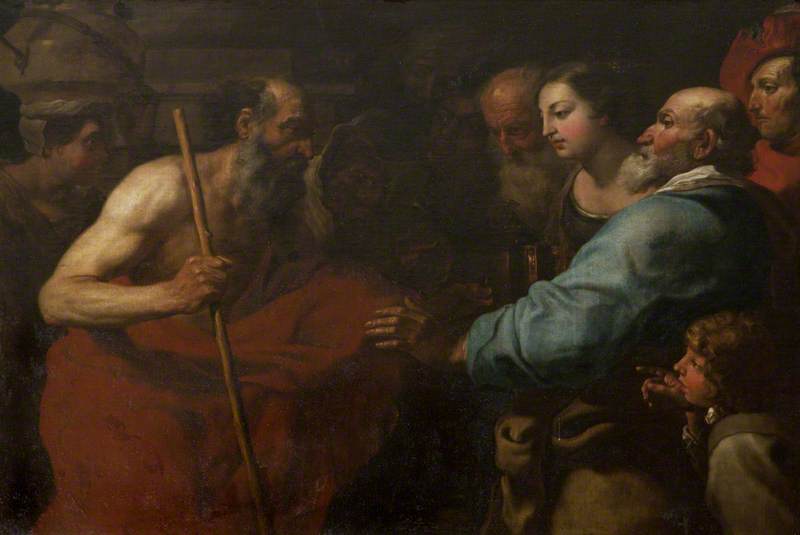
Diogenes with His Lantern

- 115.0 x 163.0 cm

 Zobrazit více
Získejte soubor připravený k tisku, který svou kvalitou výrazně převyšuje webový náhled. Každý prodávaný digitální obraz pochází z vysokorozlišeného originálu v naší databázi – obvykle o šířce 5 000 až 15 000 pixelů – díky čemuž můžete tisknout ve velkém formátu, provádět těsný střih nebo si s jistotou užít i ty nejjemnější detaily.
Žádný soubor neopustí naše studio bez úprav. Digitální expert kontroluje barvy v porovnání s původním malířským dílem a v případě potřeby je upravuje, poté pomocí profesionálních nástrojů pro retuš zvyšuje ostrost a detailnost — přičemž vždy zůstává věrný tahům štětcem a stylu umělce. Výsledkem je obraz, který vypadá jako malba, nikoliv jako naskenovaný snímek s filtrem.
Schvalování před dokončením: náš expert vám do 72 hodin zašle obraz e-mailem k revizi. Nejsste spokojeni? Můžete požádat o úpravy či opravy, nebo si můžete vyžádat vrácení peněz, pokud kvalita neodpovídá vašim očekáváním.
Tuto kvalitu využívají vydavatelství, designová studia, galerie i tiskárny.
Digitální obrazy
Stáhněte si soubor ve vysokém rozlišení pro osobní prohlížení, tisk nebo kreativní projekty. ( Přepnout na tisk Koupit ručně malovaný obraz)
Součást každé objednávky digitálního obrazu
Profesionální digitální doručení, zaručené
Když si vyberete OriginalUniqueArt.com, nezískáváte pouze obrázek – získáváte digitální umělecké dílo s profesionálně vylepšenými detaily, zpracované s precizností a podpořené zárukou za spokojenost. Zde je vše, co vaše objednávka automaticky obsahuje:

Rychlé doručení e-mailem
Váš digitální obraz ve vysokém rozlišení vám bude zaslán e-mailem do 72 hodin od objednávky – připraven k okamžitému použití.

Digitální soubor s využitím AI
Vaše umělecké dílo je profesionálně optimalizováno pomocí pokročilých nástrojů umělé inteligence a manuální úpravy, což zajišťuje maximální úroveň detailu, ostrosti a přesnosti barev.

Doživotní bezplatné znovuodeslání digitálních obrazů
Soubor jste omylem smazali nebo ztratili? Žádný problém – kdykoliv vám ho znovu zašleme zcela zdarma.

Bez poplatků za dovoz – navždy
Užijte si své umělecké dílo okamžitě bez celních poplatků, daní nebo nákladů na dopravu – digitální stažení je vždy bez daňových povinností.

Záruka přesnosti barev
Díky profesionálním nástrojům a správě barev zajišťujeme, aby váš digitální obraz odrážel původní barvy co nejvěrněji.

100dená záruka spokojenosti
Pokud nebudete s digitálním obrázkem spokojeni, provedeme jeho revizi nebo vám vrátíme 100% platby do 100 dnů – bez jakýchkoliv dotazů.

100% záruka vrácení peněz
Nespokojeni? Získejte plnou náhradu peněz do 100 dnů od obdržení digitálního souboru – bez zbytečných dotazů.

Slevy při hromadných objednávkách
Koupě 3 obrazů ušetří 10% – Koupě 5 obrazů ušetří 15% – Koupě 10+ obrazů ušetří 20%. Ideální pro kreativní projekty, galerie a agentury.
Biografie umělce
Early Life and Apprenticeship in Genoa
Gioacchino Assereto, born in Genoa around 1600, emerged as a pivotal figure in the city’s artistic landscape during the early Baroque period. His journey began at the tender age of twelve when he entered the workshop of Luciano Borzone, a respected painter known for his religious works and dynamic compositions. This initial apprenticeship laid the foundation for Assereto's technical skills, but it was his subsequent training with Giovanni Andrea Ansaldo, beginning around 1614, that truly shaped his artistic direction. Ansaldo’s studio provided a more rigorous environment, fostering a deeper understanding of anatomy, perspective, and the nuances of oil painting. Crucially, Assereto also benefited from attending the *Accademia del Nudo*, an institution established by Giancarlo Doria dedicated to the study of the human form through life drawing – a practice essential for mastering the realistic depiction of figures that would become a hallmark of his style. Genoa in this era was a bustling port city, a crossroads of cultures and ideas, and Assereto’s early exposure to diverse influences undoubtedly contributed to his evolving artistic sensibility. He quickly established himself as a promising talent within the Genoese art scene, absorbing the prevailing trends while simultaneously forging his own unique path.The Roman Sojourn and Embracing Caravaggism
By 1639, Assereto’s reputation had grown sufficiently to warrant a journey to Rome – a pilgrimage undertaken by many aspiring artists of the time seeking inspiration from the masters and exposure to new artistic currents. This trip proved transformative for the Genoese painter. He immersed himself in the studios of various Roman artists, encountering works that broadened his horizons and challenged his existing aesthetic principles. Notably, he connected with fellow Genoese painters already working in Rome, including Luca Saltarello, Giovanni Maria Bottalla, Giovanni Benedetto Castiglione, and Giovanni Andrea Podestà, forming a network of artistic exchange. However, the most profound impact came from his engagement with the burgeoning realism of Caravaggio’s followers. The dramatic use of *chiaroscuro* – the stark contrast between light and shadow – and the intensely naturalistic portrayal of figures captivated Assereto. He began to incorporate these elements into his own work, moving away from the more idealized forms of earlier Baroque painting towards a grittier, more emotionally resonant style. This embrace of Caravaggism wasn’t merely stylistic; it reflected a broader shift in artistic priorities, emphasizing direct observation and psychological depth over elaborate ornamentation.Mature Style and Genoese Commissions
Returning to Genoa, Assereto embarked on a period of prolific activity, securing numerous commissions that cemented his position as the city’s leading history painter. The 1640s saw him particularly engaged in fresco work, adorning churches and palazzi with large-scale compositions depicting religious narratives and historical events. His paintings from this decade demonstrate a masterful command of both *chiaroscuro* and *sfumato*, creating a sense of drama and atmosphere that drew viewers into the scene. He wasn’t simply replicating Caravaggio's techniques, however; Assereto infused his work with a distinctly Genoese sensibility – a heightened attention to detail in costumes and settings, reflecting the city’s mercantile culture and its appreciation for material wealth. His success was such that he established a busy studio, producing numerous copies of his works, often under the guidance of his son, Giuseppe Assereto. This proliferation of copies speaks not only to the demand for his paintings but also to their inherent appeal – they resonated with contemporary audiences who valued both technical skill and emotional impact.Legacy and Historical Significance
Raffaele Soprani, a prominent Genoese biographer writing during Assereto’s lifetime, lauded him as “incomparable,” a testament to the artist's widespread recognition and influence. While perhaps an exaggeration, Soprani’s praise reflects the genuine esteem in which Assereto was held by his peers and patrons. His paintings stand as compelling examples of Baroque art in Genoa, bridging the gap between earlier traditions and the more radical innovations of Caravaggism. He excelled at depicting both religious and historical subjects, but it was his portraits that often revealed a keen psychological insight into his sitters. Assereto’s contribution lies not only in his technical virtuosity – his ability to render textures, light, and shadow with remarkable precision – but also in his capacity to imbue his paintings with emotion and narrative power. He left behind a substantial body of work that continues to captivate viewers today, offering a glimpse into the artistic and cultural life of 17th-century Genoa. His influence can be seen in the works of subsequent Genoese painters, who continued to explore the dramatic possibilities of *chiaroscuro* and realism. Assereto’s paintings remain vital for understanding the development of Baroque art in Italy, showcasing a unique blend of local traditions and international influences.
Gioacchino Assereto
1600 - 1649
Stručné informace
- Artistic Movement Or Style: Baroque, Caravaggism
- Artists Or Movements Influenced By This Artist: ['Giuseppe Assereto']
- Artists Who Influenced This Artist:
- Luciano Borzone
- Giovanni Andrea Ansaldo
- Date Of Birth: 1600
- Date Of Death: 1649
- Full Name: Gioacchino Assereto
- Nationality: Italian
- Notable Artworks: ['The Lamentation']
- Place Of Birth: Genoa, Italy