Northern Renaissance · 1598
Forest Landscape (Gillis van Coninxloo, 1598)
Gillis van Coninxloo (1544–1607) vytvořil dílo Forest Landscape. Pochází z roku 1598. Patří k hnutí Northern Renaissance. Je vyrobeno z Oil On Panel. Nachází se v Liechtenstein Museum v Vídeň, Rakousko. Rozměry jsou 42 × 61 cm.
- 1598
- Oil On Panel
- 42 × 61 cm
- Liechtenstein Museum, Vídeň

 Náhled v interiéru

 Ručně malovaná olejná reprodukce
 Sdílet
 Sdílet
 Informační list


 Stáhnout
 Podobné položky
 Rentgenové snímky
 Slideshow
 Otázky a odpovědi

 Statistiky
Forest Landscape v kostce
- Název díla
- Forest Landscape
- Autor
- Gillis van Coninxloo (1544–1607)
- Rok narození umělce
- Antverpy, Belgie
- Datum vytvoření
- 1598
- Technika
- Oil On Panel
- Rozměry
- 42 × 61 cm
- Kde jej vidět
- Liechtenstein Museum, Vídeň, Rakousko
- Pohyb
- Northern Renaissance
- Období
- Early Modern
- Motiv
- forest landscape, dark woods, path, village view, atmospheric, tranquility
Co przedstawuje dílo Forest Landscape?
Identification of the Forest Landscape Artwork
The artwork titled Forest Landscape is a painting by the Flemish artist Gillis Van Coninxloo. Executed in 1598, this work is an oil on panel. The physical dimensions of the piece are 42 x 61 cm. It is currently held within the Liechtenstein Museum in Vienna, Austria.
This specific composition depicts a dense woodland environment. The scene features a winding path that leads into a thicket of trees. The foliage consists of various shades of green, while the trunks and branches create a heavy canopy overhead. In the background, a small village is visible through the gaps in the trees, providing a sense of distance within the forest setting.
The subject matter focuses on the natural world, specifically the textures of bark, leaves, and moss. A single, small human figure is positioned beneath a tree within the landscape. The composition utilizes a dark palette of browns, greens, and ochres to define the wooded area. Light filters through the upper branches, creating a contrast between the shadowed recesses of the undergrowth and the illuminated patches of the clearing.
Composition and Visual Elements
The composition is largely symmetrical, organized around a winding path that leads the eye toward the center of the image. This path cuts through a dense woodland, where the trunks and branches of trees intertwine to form a thick canopy overhead. Only a few small patches of sky are visible through the gaps in the foliage. Within this enclosed space, a single tiny human figure reclines beneath a tree, positioned near the center of the scene. The scale of the trees and the surrounding undergrowth dwarfs the figure, emphasizing the vastness of the natural environment.
Color is concentrated in the various hues of green found in the leaves and the mossy textures of the forest floor. These greens contrast with the dark browns and ochres of the tree trunks and the earth. In the background, a small village is visible through the trees, providing a sense of distance and depth. The lighting creates a chiaroscuro effect, with strong contrasts between the deep shadows of the thickets and the light that filters through the canopy onto the path and the reclining figure.
Technique and Artistic Style
The artist utilized oil on panel to establish a sense of depth and a tangible texture across the surface. The application of paint likely involves multiple layers and glazing, a method used to achieve a specific luminosity within the darker sections of the composition. This technique allows light to appear as though it is filtering through the canopy, creating a chiaroscuro effect through the deliberate placement of light and shadow. The resulting atmosphere is defined by a palette of dark colors and a high degree of intricate detail.
The composition is built upon a dense arrangement of ancient oaks and thick undergrowth. There is a clear priority placed on the textural richness of the natural elements, specifically the bark of the trees, the individual leaves, and the presence of moss. These organic forms are rendered with meticulous care, contributing to the overall density of the woodland scene. The interplay of light and shadow defines the verticality of the trunks and the irregular shapes of the foliage, emphasizing the physical presence of the forest environment.
Artistic Influence and Legacy
Gillis Van Coninxloo occupied a central position in the evolution of Northern landscape art. His technical approach functioned as a bridge between the intricate traditions of Mannerism and the atmospheric depth characteristic of the early Baroque. Through his development of the forest landscape, he moved away from panoramic vistas toward intimate, enclosed woodland scenes. This shift prioritized the textural details of bark, leaves, and moss, often submerging small human figures within an expansive, detailed natural environment.
The influence of his method extended to several prominent painters of the period. Jan Brueghel the Elder and Pieter Schoubroeck were among those affected by his stylistic developments. His approach to dense, immersive woodland compositions also impacted the work of Roeland Savery and various other Flemish and Dutch landscape painters. This specific work, created about 1598, represents his technical skill and craftsmanship in rendering the natural world.
Ve kterém muzeu se nachází Forest Landscape?
Liechtenstein Museum
Vídeň, Rakousko
Klenot vídeňského barokního velkolepství V samotném srdci historické vídeňské Ringstraße se nachází Liechtenstein Museum, jehož prostředí je samo o sobě takovým uměleckým dílem, jako jsou poklady, které v něm jsou chráněny. Muzeum, sídlící v nádherném Palais Liechtenstein, nabízí pohlcující cestu do samotné duše aristokratické elegance a hlubokého dědictví rodu Lichtenštejnů. Jak se návštěvníci blíží k této palácové stavbě, vítá je architektonický majestát dávno uplynulé éry, kde každý pozlacený kornýš a monumentální schodiště šeptají příběhy o imperiální prestiji.


Vysokorozlišené fotografie díla Forest Landscape

Gillis van Coninxloo, Forest Landscape (1598), Liechtenstein Museum. Veřejná doména
Odpovědi na otázky k dílu Forest Landscape
Kde je dnes možné vidět dílo „Forest Landscape“ od Gillis van Coninxloo?
Dílo „Forest Landscape“ od Gillis van Coninxloo je vystaveno v instituci Liechtenstein Museum, Vídeň, Rakousko. Uvedené muzeum se vztahuje k originálu, nikoliv k reprodukcím.
V jakém roce vzniklo dílo „Forest Landscape“ od Gillis van Coninxloo?
Dílo „Forest Landscape“ od Gillis van Coninxloo vzniklo v roce 1598.
Jakou techniku bylo použito pro dílo „Forest Landscape“ od Gillis van Coninxloo?
Gillis van Coninxloo pro dílo „Forest Landscape“ použil/a techniku Oil On Panel. Tato technika definuje materiální podstatu originálního díla.
Jaké jsou skutečné rozměry díla „Forest Landscape“ od Gillis van Coninxloo?
Původní rozměry díla "Forest Landscape" jsou 42 x 61 cm. Původní rozměry slouží jako užitečný vodítko při výběru velikosti reprodukce.
Co zachycuje dílo "Forest Landscape"?
Motivy díla „Forest Landscape“ jsou forest landscape, dark woods, path, village view, atmospheric, tranquility, nature scene, 16th century.
Je dílo „Forest Landscape“ volné z autorských práv?
Co se týče autorských práv, dílo "Forest Landscape" spadá do v rámci volného užití – autorská práva vypršela.
Kdo vytvořil "Forest Landscape"?
Dílo "Forest Landscape" vytvořil/a Gillis van Coninxloo. Informace na této stránce popisují originální dílo umělce Gillis van Coninxloo.
K jakému stylu patří „Forest Landscape“?
„Forest Landscape“ je dílo z období Northern Renaissance. Tento směr představuje uměleckou tradici, jejíž je dílo součástí.
Do jaké fáze tvůrčího rozvoje Gillis van Coninxloo patří dílo „Forest Landscape“?
V rámci kariéry umělce Gillis van Coninxloo spadá dílo „Forest Landscape“ do období Late 16th Century. Tato fáze umožňuje jeho srovnání s dalšími díly tohoto umělce.
O umělci, Gillis van Coninxloo
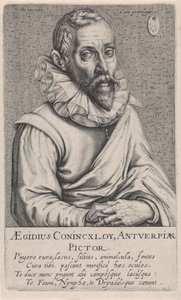
1544–1607, Belgie
Gillis van Coninxloo
Mistr zeleného království Gillis van Coninxloo stojí jako klíčová postava v evoluci severní pejzážní malby, působící jako vitalní most mezi složitými manieristickými tradicemi a nastupující atmosféričtí hloubkou raného baroka. Narodil se v Antwerpeni v Belgii a jeho život byl hluboce provázán bohatou uměleckou linií Nízkých zemí. Jako syn malíře byl od základu ponořen do světa, kde hrály primární roli řemeslná preciznost a pozorování přírody. Jeho raný výcvik pod vedením mistrů, jako byli Pieter Coecke van Aelst mladší a Lenaert Kroes, mu poskytl tuhou základnu, ale právě čas strávený v dílně Gillis Mostaert mu skutečně umožnil rozkvétat, což mu dovolilo podílet se na profesionálních dílech a zároveň si vypracovat svou vlastní, jedinečnou vizi.
O umělci Gillis van Coninxloo Významná díla umělce Gillis van Coninxloo
Také od autora Gillis van Coninxloo
 Jonah Preaching to the Ninevites1583
 Woodland with Saint Jerome1583
 Landscape with the judgment of Midas1598
 Landscape with the Judgement of Paris1610
Eseje k tématu Forest Landscape
 French Barbizon paintersMasterpieces by Théodore Rousseau and Daubigny define the Barbizon School. Explore the full collection online at OriginalUniqueArt.com.
 Enchanted Woodlands: 10 Masterpieces That Capture the Magic of the ForestExplore iconic forest art by Shishkin, Klimt, and Van Gogh. Discover museum-quality masterpieces on OriginalUniqueArt.com.
 Mastering the Horizon: An Art Historian’s Guide to the World's Most Iconic Landscape PaintingsExplore the profound history of landscape painting with our expert guide. From Impressionist light to Chinese traditions, discover the tech…