- Domů

- Reprodukce olejomalby
- gilbert stuart newton
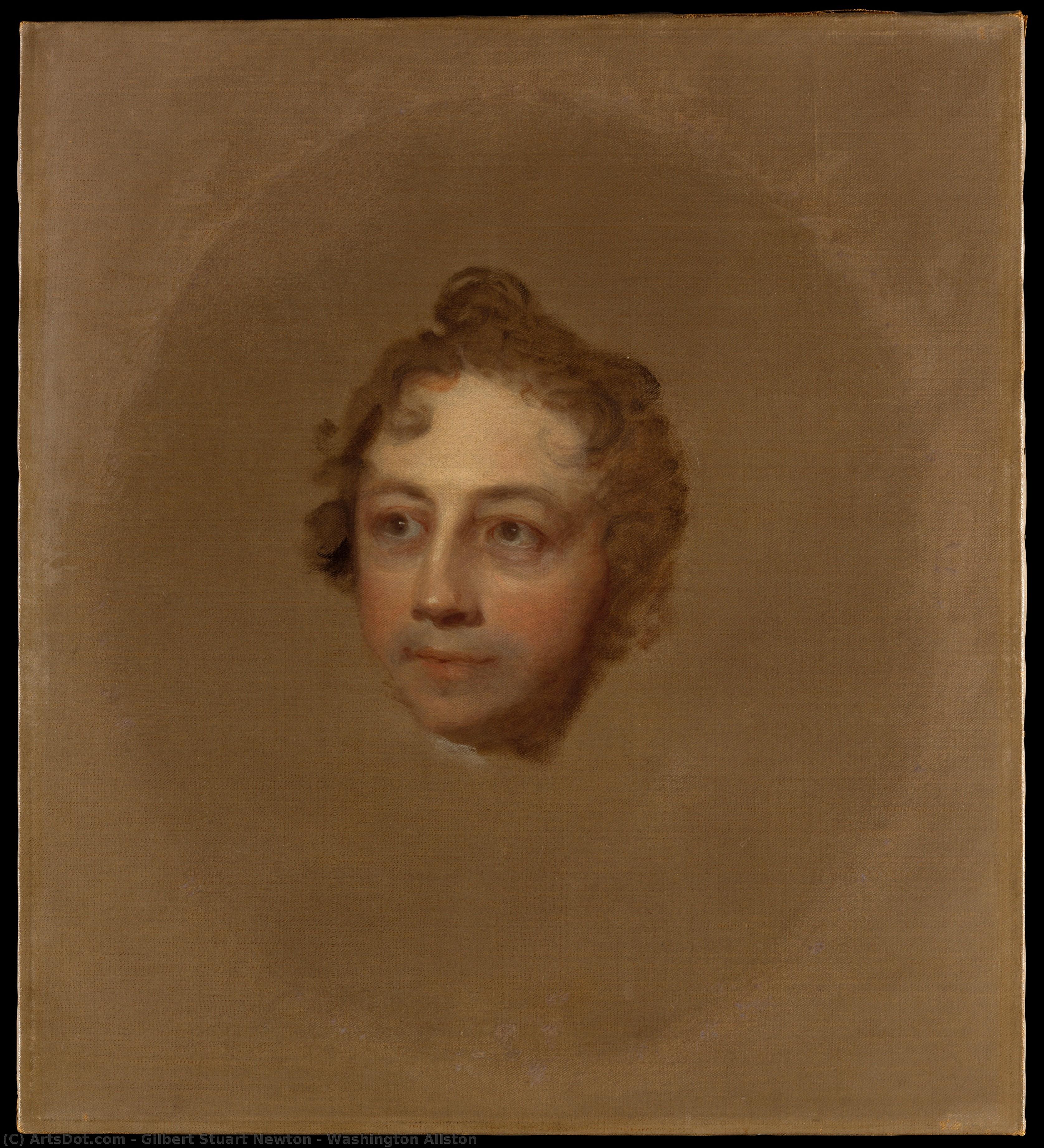
- Washington Allston
 Koupit tisk Koupit digitální obrázek
 Sdílet
 Sdílet
 Podrobnosti o díle
 Přidat do oblíbených

 Stáhnout
 Podobné položky
 Rentgenové snímky
 Slideshow
Washington Allston
 Acrylic On Canvas
- WallArt
- Neoclassical
 1819
1819 61.0 x 55.0 cm
 Metropolitní muzeum umění
 Zobrazit více
Ručně malovaná olejová reprodukce
Ručně malovaná olejná barva na plátně ve vašem zvoleném rozměru i s rámem, vyrobená našimi umělci na zakázku.




P118B $10

P118H $10

P118W $10

P438Z $10

P508JH $12

P508YH $12

P805H $10

P805Z $10

P919BZ $10

P919G $10

P919XJ $10

P959ZH $10

P968JZ $12

W106C $8

W218G $10

W218JH $8

W218Y $10

W307PJ $10

W316G $10

W316PJ $8

W316Y $10

W398PJ $8

W4111J $10

W500HY $15

W500JH $15

W692G $12

W849H $8

W940BG $15

W953PJ $8




Vyberte si z našich přednastavených velikostí, které odpovídají původním proporcím díla.

Můžete zadat vlastní rozměry pro konkrétní rám nebo prostor. Pokud se vámi vybraná velikost neshoduje s proporcemi původního obrazu, dílo buď ořízneme, nebo jej doplníme ručně malovanými prvky. Před zahájením výroby vám bude zaslán digitální náhled ke schválení.
Upozorňujeme, že náhled na obrazovce neodpovídá skutečnému ořezu ani rozšíření. Pouze digitální náhled přesně zobrazí finální kompozici.
Ačkoliv je možné zvolit vlastní velikost, pro zachování původních proporcí doporučujeme vybrat rozměr z předdefinovaného seznamu.
Po přijetí objednávky vám tým OriginalUniqueArt.com zašle e-mail s pokyny a poskytne náhledovou verzi.
Celosvětová doprava () za 3–4 týdny namísto standardních 5 týdnů. (22 červenec). Bez kompromisů v kvalitě.

Zdarma celosvětová expresní doprava

Vysoce kvalitní lněné plátno

Kompletní přepravní pojištění

Záruka vrácení celního poplatku

Záruka přesného barevného shodu

60denní lhůta pro vrácení zboží (pouze při vadách výroby)

100% garance vrácení peněz

Sleva při hromadné objednávce
 Skleněná varianta je dostupná pouze u rozměrů menších než 110 cm

Washington Allston
Technika reprodukce
Rozměry reprodukce
-


Celková cena za výběr
-
Popis díla
A Study in Shadow and Sentiment: Unveiling Silas Blackwood
Silas Blackwood, painted circa 1832 by Gilbert Stuart Newton, isn’t merely a portrait; it's an immersion into the melancholic heart of early Romanticism. The canvas, measuring a modest 61 x 55 centimeters, holds within its depths a figure both strikingly familiar and profoundly unsettling – Silas Blackwood himself, a prominent Boston merchant known for his quiet philanthropy and rumored eccentricities.
Newton’s technique is immediately arresting. He eschews the crisp, idealized realism favored by earlier portraitists, opting instead for a deliberately muted palette dominated by deep browns, slate greys, and hints of bruised violet. This isn't an attempt to flatter; rather, it reflects the prevailing mood of introspection and disillusionment that characterized the era. The brushstrokes are loose and expressive, particularly in the rendering of Blackwood’s clothing – heavy velvet and dark wool – which seem to absorb light rather than reflect it. Notice how Newton utilizes scumbling techniques, layering thin washes of paint to create a sense of texture and depth, mimicking the folds of fabric and the subtle shadows that dance across Blackwood's face.
The Language of the Gaze: Symbolism in Detail
Blackwood’s gaze is the painting’s most compelling element. He isn’t looking *at* the viewer; he’s looking *through* them, as if contemplating a distant memory or an unfulfilled longing. His eyes, shadowed and slightly hooded, hold a profound sadness—a quiet grief that seems to permeate the entire composition. The inclusion of a single, wilting rose in his left hand is particularly potent. Roses have long been associated with love, beauty, and mortality; its drooping petals suggest both lost affection and the inevitable decay of all things beautiful. The dark, almost oppressive background—a suggestion of a rain-swept Boston street at twilight—further reinforces this sense of melancholy.
Newton’s choice to depict Blackwood seated before a partially obscured window is also significant. The light filtering through the glass casts an ethereal glow upon his face, yet it simultaneously highlights the darkness within him. This juxtaposition speaks to the duality inherent in human nature—the capacity for both great kindness and profound sorrow. The subtle inclusion of a closed book resting on the table beside him hints at Blackwood’s intellectual pursuits, suggesting a mind preoccupied with contemplation and perhaps even regret.
A Window into the Romantic Soul
Painted during a period of intense social and political upheaval—the aftermath of the War of 1812 and the rise of industrialization—Newton's portrait reflects the broader anxieties and uncertainties of the era. The Romantic movement, with its emphasis on emotion, imagination, and the sublime beauty of nature, was gaining momentum, and Newton’s work embodies these ideals perfectly. He wasn’t simply documenting a man; he was attempting to capture the *essence* of Blackwood's inner life—his vulnerabilities, his dreams, and his unspoken sorrows.
Furthermore, Newton’s decision to portray Blackwood in a relatively informal pose – seated rather than rigidly upright – suggests a desire to break away from the traditional conventions of portraiture. This reflects the Romantic movement’s rejection of formality and its embrace of spontaneity and emotional expression. The painting serves as a poignant reminder that even within the confines of a formal portrait, an artist can convey a wealth of information about his subject's character and inner world.
Collecting a Legacy: Reproduction and Beyond
Reproductions of “Silas Blackwood” offer a remarkable opportunity to experience Newton’s masterful technique and evocative imagery. The subtle nuances of color, the expressive brushstrokes, and the profound emotional depth of the portrait are all faithfully captured in high-resolution prints. Whether displayed in a private study or incorporated into a larger collection, this painting continues to resonate with viewers today—a testament to Newton’s artistic skill and his ability to capture the complexities of the human spirit.
Biografie umělce
Gilbert Stuart Newton: Life & Legacy
Early Life and Family Background
- Birth and Origins: Gilbert Stuart Newton was born on September 2, 1795, in Halifax, Nova Scotia. He was the youngest of twelve children.
- Family Connections: His father, Henry Newton, was a customs official, and his mother, Ann, held a significant artistic lineage – she was the daughter of Gilbert Stuart, the renowned American portrait painter.
- Early Years & Return to America: The family initially resided in Boston but returned to Charlestown near Boston in 1803 following his father’s death.
Artistic Training and Influences
- Initial Path & Uncle's Guidance: Though initially intended for a commercial career, Newton was apprenticed to his uncle, Gilbert Stuart, marking the beginning of his artistic journey.
- European Studies: He traveled to Europe with an elder brother and studied painting in Florence. Later visits to Paris (1817) introduced him to artists like Charles Robert Leslie, Washington Allston, and David Wilkie.
- Royal Academy & Formal Training: Newton continued his education at the Royal Academy in London after a period spent in the Netherlands.
Artistic Style and Major Themes
- Romantic Sensibilities: Newton’s work is generally categorized within the Romantic movement, characterized by emotional intensity and dramatic narratives.
- Literary & Poetic Inspirations: He became particularly known for paintings inspired by literature and poetry. Subjects drawn from works like *Don Quixote* and Shakespeare were prominent in his oeuvre.
- Portraiture & Genre Scenes: While he painted portraits, including those of notable figures such as Washington Irving, Newton also excelled in genre scenes depicting moments from literary narratives.
Key Achievements and Recognition
- Royal Academy Affiliation: Newton was elected an Honorary Academician of the National Academy of Design (1827), an Associate of the Royal Academy (1829), and a full Academician in 1832.
- Exhibitions & Patronage: He regularly exhibited at the Royal Academy from 1818 onwards, gaining recognition and attracting patrons like the Marquis of Lansdowne.
- Public Collections: His works found their way into prominent public collections, including the National Gallery and the South Kensington Museum (now V&A).
Later Life and Legacy
- Mental Health & Final Years: Shortly after his election to the Royal Academy, Newton began to suffer from mental illness. He was admitted to an asylum at Chelsea where he continued to paint until his death on August 5, 1835.
- Burial Site: He is buried in St Mary’s Church Wimbledon, London.
- Historical Significance: Though overshadowed by his uncle Gilbert Stuart, Newton carved a niche for himself as a skilled and imaginative artist of the Romantic period. His literary-inspired paintings offer insights into the cultural tastes and artistic trends of 19th-century Britain.

gilbert stuart newton
1795 - 1835
Rychlé fakta
- Birth_Date: 1795
- Birth_Place: Halifax, Nova Scotia
- Death_Date: 1835
- Influenced_By: Gilbert Stuart (uncle)
- Movement: Romanticism
- Name: Gilbert Stuart Newton
- Nationality: British
- Notable_Works:
- Don Quixote in his Study
- Captain Macheath upbraided by Polly and Lucy
- Yorick and the Grisette
- The Window or the Dutch Girl
- Portia and Bassanio
Související články
Alice Pike Barney: A Life Painted in Impressionism & Washington Society
Explore the life & art of Alice Pike Barney, a pioneering American Impressionist painter who defied convention and fostered Washington D.C.'s vibrant arts scene. Discover her unique style, portraits, and lasting legacy.
The Digital Portrait Renaissance: Transforming Personal Photography into Timeless Oil Paintings Through Artistic Reproduction
Transform your cherished photos into timeless oil paintings with OriginalUniqueArt's expert artists. Museum-quality reproductions & custom portraits, crafted to last a lifetime. Discover the art of personal legacy.
Top 10 olejů na plátně, které změnily svět umění | OriginalUniqueArt.cz
Objevte 10 legendárních olejů na plátně od Van Gogha, Moneta a Rembrandta. Ponořte se do příběhů mistrovských děl a inspirujte se pro váš interiér s reprodukcemi nejvyšší kvality. Prozkoumejte celou kolekci online na OriginalUniqueArt.com!
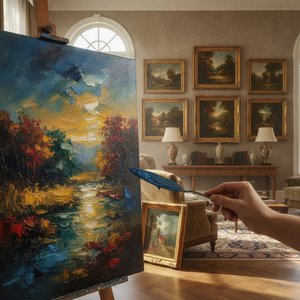
Olejomalba versus Tisk: Proč Ručně Malované Plátno Zůstává Nadčasovou Investicí a Uměleckou Hodnotou
OriginalUniqueArt nabízí ručně malované olejomalby a reprodukce obrazů nejvyšší kvality. Investujte do umění, které vydrží – portréty na zakázku, mistrovská díla pro váš domov s garancí spokojenosti.
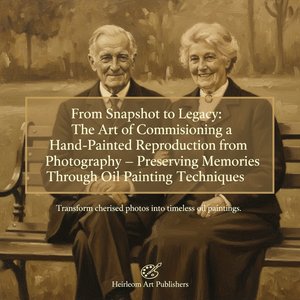
From Snapshot to Legacy: The Art of Commissioning a Hand-Painted Reproduction from Photography – Preserving Memories Through Oil Painting Techniques
Transform cherished photos into timeless oil paintings with skilled artists. Trusted for bespoke portraits & heirloom art. Discover the process, styles & lasting value – a legacy preserved.

