

 Odeslat
 Sdílet
 Podrobnosti
 Průvodce

 Stáhnout obrázek
 Podobné kousky
 Slideshow
 Statistiky
Paul V


 Přečíst si více
Giclée / Umělecký tisk
Giclée nebo plátěný tisk muzeální kvality s rychlou výrobou a širokou nabídkou povrchových úprav. ( Objednat ručně malovanou reprodukci Přepnout na digitální verzi obrazu)




































Vyberte si z našich přednastavených velikostí, které odpovídají původním proporcím díla.

Můžete zadat vlastní rozměry tak, aby výtvor odpovídal konkrétnímu rámu nebo prostoru. Pokud zvolená velikost nebude odpovídat poměru stran původního obrazu, dílo buď ořížeme, nebo obraz rozšíříme pomocí zrcadlového efektu či jednobarevného okraje. Před zahájením výroby vám bude zaslán digitální náhled k schválení.
Mějte prosím na paměti, že náhled na obrazovce neodráží skutečné oříznutí nebo rozšíření. Pouze digitální náhled přesně zobrazí finální kompozici.
Ačkoliv jsou k dispozici i vlastní rozměry, pro zachování původních proporcí doporučujeme vybrat si rozměr z předdefinovaného seznamu.
Celosvětové doručení () do 2 týdnů namísto standardních 4/5 týdnů. (2 říjen)

Zdarma celosvětová expresní doprava

Vysoce kvalitní lněné plátno

Úplné pojištění přepravy

Záruka vrácení celního poplatku

Záruka věrného barevného shodu

100dení lhůta pro vrácení zboží (pouze při vadách výroby)

100% garance vrácení peněz

Sleva při více objednávkách
 Skleněná varianta je dostupná pouze u rozměrů menších než 110 cm

Paul V
Giclée / Umělecký tisk
Velikost reprodukce
-


Celková cena
Kč 1666
The Serene Authority: Gian Lorenzo Bernini’s Bust of Pope Paul V
Gian Lorenzo Bernini's 1617-18 marble bust of Pope Paul V stands as a testament to the artist’s unparalleled mastery of capturing both physical likeness and profound psychological depth. More than simply a portrait, it is an embodiment of papal authority, rendered with a remarkable sensitivity that speaks volumes about the man who reigned during a pivotal era in Roman history. Located within the opulent confines of the Galleria Borghese, this sculpture invites prolonged contemplation, revealing layers of detail and nuance that elevate it beyond the realm of mere decoration.
Bernini’s technique is immediately striking – a masterful blend of realism and idealized form. The bust is carved from Carrara marble, renowned for its purity and ability to capture subtle tonal variations. Bernini's skill in manipulating light and shadow is particularly evident in the delicate folds of the papal robes, creating an illusion of texture and movement. The meticulous detail extends to every aspect: the precise rendering of the lace at the neckline, the individual strands of hair, even the minute wrinkles around the eyes – all contribute to a sense of astonishing realism. Yet, Bernini doesn’t merely replicate; he elevates. The proportions are subtly refined, creating an image that is both recognizable and imbued with a timeless quality.
A Portrait of Power and Piety
The bust was commissioned shortly after Paul V's election in 1605 and completed just before his death in 1621. This compressed timeframe speaks volumes about the urgency with which Bernini sought to immortalize the pontiff, reflecting the intense political and religious climate of the time. Paul V’s reign was marked by a fervent defense of papal authority against burgeoning challenges from both secular powers and dissenting theological voices. The sculpture captures this spirit perfectly – Paul V is depicted not as a flamboyant ruler, but as a figure of serene dignity and unwavering conviction.
The facial expression is remarkably controlled, conveying a sense of contemplative seriousness. A slight frown lines the brow, suggesting both wisdom and perhaps a hint of melancholy—a recognition of the burdens of leadership. The eyes, though not overtly expressive, hold a certain intensity, as if gazing inward upon matters of profound importance. This subtle emotionality is crucial to the sculpture’s power; it avoids simplistic iconography and instead invites viewers to engage with the complexities of Paul V's character.
Symbolism Woven into Marble
Beyond its immediate realism, the bust is rich in symbolic detail. The elaborate papal robes are not merely decorative; they represent the immense wealth and power wielded by the papacy. The prominent figures of Saint Peter and Saint Paul adorning the vestments underscore the pontiff’s connection to the foundational saints of the Church. The clasp at the center of the garment, adorned with a “pietra dura” – a mosaic of semi-precious stones – further emphasizes this symbolic weight.
The positioning of the bust itself is significant. It was intended for display on a desk, suggesting that Paul V’s authority extended not only over the Church but also over his personal affairs and decisions. The overall composition creates a sense of contained power—a figure both imposing and approachable, radiating an aura of wisdom and steadfastness.
A Legacy of Baroque Grandeur
Bernini's Bust of Pope Paul V stands as a cornerstone of the Baroque artistic movement, exemplifying its emphasis on dramatic realism, emotional intensity, and intricate detail. It’s a remarkable achievement that continues to captivate viewers centuries later. The sculpture’s enduring appeal lies in its ability to transcend mere representation, offering a profound glimpse into the character of a complex historical figure and showcasing Bernini's unparalleled genius as both a sculptor and a psychological interpreter.
Biografie umělce
A Roman Genius: The Life and Legacy of Gian Lorenzo Bernini
Gian Lorenzo Bernini, a name synonymous with the Baroque era, was more than just a sculptor; he was an architect, painter, stage designer, and a true *uomo universale* – a Renaissance man who profoundly shaped the artistic landscape of 17th-century Rome. Born in Naples in 1598, his journey to becoming one of history’s most celebrated artists began within a family steeped in artistic tradition, ultimately leading him to dominate the visual culture of the Papal States. His father, Pietro Bernini, was a respected sculptor who instilled in young Gian Lorenzo not only technical skill but also an early appreciation for the classical heritage that would inform his future work. This foundation, combined with a prodigious talent and the patronage of influential figures like Cardinal Maffeo Barberini (later Pope Urban VIII), propelled Bernini to unprecedented heights of artistic achievement.Sculpting Emotion: The Birth of Baroque Drama
Bernini is unequivocally considered the preeminent sculptor of the Baroque period, a style characterized by its dynamism, emotional intensity, and sheer grandeur. He didn’t simply sculpt figures; he breathed life into marble, capturing moments of profound psychological depth and dramatic narrative with unparalleled skill. Where Renaissance sculpture often prioritized idealized form and static beauty, Bernini embraced movement, theatricality, and the raw power of human emotion. His work moved beyond mere representation to evoke a visceral response in the viewer. Key elements define his distinctive style: a masterful ability to convey complex emotions through facial expressions and body language; an astonishing technical proficiency that allowed him to render textures—flowing hair, delicate fabrics, smooth skin—with breathtaking realism; and above all, a commitment to dramatic narrative, depicting moments of intense action or spiritual climax. The *Ecstasy of Saint Teresa*, housed in the Cornaro Chapel, remains perhaps his most iconic achievement – a swirling composition of marble, bronze, and light that captures a mystical experience with an almost overwhelming emotional force. The figures seem to be caught mid-flight, suspended in a moment of ecstatic surrender, their expressions conveying both profound spiritual joy and intense physical sensation. Other masterpieces like *Apollo and Daphne* and *David* showcase this same dynamic energy, transforming stone into fleeting moments of transformation and poised tension. Bernini’s ability to capture the very essence of human experience—the struggle between earthly desires and divine grace—became a hallmark of his work and profoundly influenced generations of artists.Beyond Sculpture: Architecture and Urban Visions
Bernini's genius extended far beyond the realm of sculpture. He was a remarkably versatile artist who made significant contributions to architecture and urban planning, fundamentally reshaping the cityscape of Rome. His architectural designs were never conceived in isolation; they were always integrated with his sculptural work, creating unified artistic experiences that blurred the boundaries between disciplines. The monumental *Baldacchino* above the high altar of St. Peter’s Basilica is a testament to this holistic approach – a soaring bronze canopy that dominates the space and draws the eye upwards in awe. He also played a pivotal role in redesigning several Roman piazzas, transforming them into vibrant public spaces. The *Fountain of the Four Rivers* in Piazza Navona, with its allegorical figures representing major rivers from different continents, is a prime example of his ability to create dynamic and engaging urban environments. Each figure embodies not just a geographical location but also a symbolic representation of power and prosperity. His work on St. Peter’s Basilica, including the expansive colonnade that embraces visitors as they approach, dramatically altered the basilica's appearance and created a grand ceremonial space befitting the heart of Christendom. Bernini envisioned St. Peter’s not merely as a religious building but as a monumental statement of papal authority and artistic achievement.A Lasting Influence: Bernini’s Historical Significance
Gian Lorenzo Bernini profoundly impacted the course of Western art. His innovative approach to sculpture established the Baroque style as a dominant force in European art for over a century, influencing generations of artists with his dramatic compositions and technical virtuosity. He wasn't merely an imitator of classical forms; he synthesized them with a new sense of dynamism and emotional intensity, creating something entirely original. His integration of sculpture, architecture, and painting into unified artistic experiences set a new standard for artistic expression, demonstrating the power of art to engage all the senses and evoke profound emotions. As Howard Hibbard eloquently noted, Bernini’s impact was so significant that he stands as “the greatest sculptor of the 17th century.” His works continue to inspire awe and admiration, solidifying his place as one of history's most important artists—a true *uomo universale* whose legacy continues to resonate today.Family & Further Achievements
- Pietro Bernini: Gian Lorenzo’s father, a sculptor who provided early training and guidance.
- Cardinal Scipione Borghese: An early patron whose commissions allowed Bernini to develop his signature style.
- Pope Urban VIII: Bernini's most significant patron, providing extensive opportunities for architectural and sculptural projects in Rome.
- Architectural Projects: Beyond St. Peter’s Basilica, Bernini designed churches like Sant’Andrea al Quirinale and contributed to the design of Palazzo Barberini.
- Theatrical Designs: He was also a playwright and stage designer, creating elaborate sets and machinery for theatrical productions.

Gian Lorenzo Bernini
1598 - 1680 , Itálie
Rychlé informace
- Artistic Movement Or Style: Barokní styl
- Artists Or Movements Influenced By This Artist:
- Barokní sochařství
- Evropské umění
- Artists Who Influenced This Artist:
- Pietro Bernini
- Michelangelo
- Date Of Birth: 7. prosince 1598
- Date Of Death: 28. listopadu 1680
- Full Name: Gian Lorenzo Bernini
- Nationality: Italanský
- Notable Artworks:
- Ecstasy Teresa
- Apollo Daphne
- David
- Baldacchino
- Place Of Birth: Neapol, Itálie
Související články
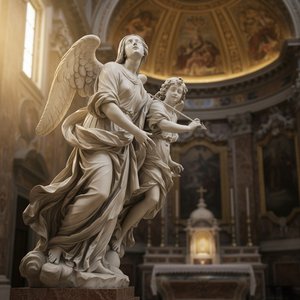
Gian Lorenzo Bernini: Sculpting Baroque Emotion & the Roman Imagination
Explore the life & revolutionary art of Gian Lorenzo Bernini, the master sculptor of the Baroque era. Discover his iconic works like David and Ecstasy of Saint Teresa – a journey into Roman artistic genius.

10 legendárních bronzových soch, které změnily umění | OriginalUniqueArt
Objevte 10 legendárních bronzových soch od Michelangela, Rodina a dalších mistrů! Ponořte se do historie umění, technik a příběhů za těmito nadčasovými díly. Najděte inspiraci pro váš interiér s OriginalUniqueArt.com – repliky nejvyšší kvality.

Paul Klee: 25 mistrovských děl a inspirace pro váš interiér | OriginalUniqueArt.com
Objevte 25 ikonických děl Paula Kleeho – od abstraktních kompozic po barevné sny. Ponořte se do světa expresionismu, Bauhausu a jedinečného uměleckého stylu. Reprodukce obrazů nejvyšší kvality pro váš interiér na OriginalUniqueArt.com

Theatricality & Triumph: Baroque Drama in Painting & Sculpture
Explore the dramatic world of Baroque art! Discover its history, defining characteristics, & lasting influence on painting & sculpture. Expert insights into Caravaggio, Zurbarán, and Bernini – plus high-quality reproductions at OriginalUniqueArt.

The Enduring Form: Exploring Themes & Techniques in Sculpture Across Historical Periods
Explore the rich history of sculpture from ancient masterpieces to contemporary innovations. Discover key techniques, influential artists & investment potential for discerning art collectors.
