

 Zobrazit v interiéru
 Odeslat
 Sdílet
 Podrobnosti
 Průvodce

 Stáhnout obrázek
 Podobné kousky
 Rentgenové snímky
 Slideshow
 Statistiky
Emperor Constantine


 Přečíst si více
Ručně malovaná olejová reprodukce
Ručně malované olejné plátno v libovolném rozměru i s rámem, vyrobené našimi umělci na zakázku. ( Přepnout na tiskové verze Přepnout na digitální verzi obrazu)




P118B Kč10

P118H Kč10

P118W Kč10

P438Z Kč10

P508JH Kč12

P508YH Kč12

P805H Kč10

P805Z Kč10

P919BZ Kč10

P919G Kč10

P919XJ Kč10

P959ZH Kč10

P968JZ Kč12

W106C Kč8

W218G Kč10

W218JH Kč8

W218Y Kč10

W307PJ Kč10

W316G Kč10

W316PJ Kč8

W316Y Kč10

W398PJ Kč8

W4111J Kč10

W500HY Kč15

W500JH Kč15

W692G Kč12

W849H Kč8

W940BG Kč15

W953PJ Kč8




Vyberte si z našich přednastavených velikostí, které odpovídají původním proporcím díla.

Můžete zadat vlastní rozměry pro konkrétní rám nebo prostor. Pokud se vámi vybraná velikost neshoduje s proporcemi původního obrazu, dílo buď ořízneme, nebo jej doplníme ručně malovanými prvky. Před zahájením výroby vám bude zaslán digitální náhled ke schválení.
Upozorňujeme, že náhled na obrazovce neodpovídá skutečnému ořezu ani rozšíření. Pouze digitální náhled přesně zobrazí finální kompozici.
Ačkoliv je možné zvolit vlastní velikost, pro zachování původních proporcí doporučujeme vybrat rozměr z předdefinovaného seznamu.
Po přijetí objednávky vám tým OriginalUniqueArt.com zašle e-mail s pokyny a poskytne náhledovou verzi.
Celosvětová doprava () za 3–4 týdny namísto standardních 5 týdnů. (2 říjen). Bez kompromisů v kvalitě.

Zdarma celosvětová expresní doprava

Vysoce kvalitní lněné plátno

Úplné pojištění přepravy

Záruka vrácení celního poplatku

Záruka věrného barevného shodu

100dení lhůta pro vrácení zboží (pouze při vadách výroby)

100% garance vrácení peněz

Sleva při více objednávkách
 Skleněná varianta je dostupná pouze u rozměrů menších než 110 cm

Emperor Constantine
Technika provedení
Velikost reprodukce
-


Celková cena
Kč 6248
The Majesty of Imperial Power: An Encounter with Bernini's Constantine
To stand before a depiction such as Gian Lorenzo Bernini’s Emperor Constantine is not merely to observe a painting; it is to be swept into the very heart of Roman grandeur. This work captures a moment of supreme authority, freezing the dynamic energy of imperial might in time. The composition immediately commands attention through its central figure: a powerful emperor mounted upon a magnificent steed. Bernini, master sculptor and painterly visionary, has imbued this scene with an almost palpable sense of drama, making the viewer feel the weight of history and the sheer force of human will radiating from the painted canvas.
Technique and Theatrical Grandeur
While the original medium is a painting, the enduring power lies in Bernini’s ability to evoke sculptural dynamism. Observe the handling of the horse—its musculature rendered with breathtaking vitality, suggesting movement even in stillness. The emperor himself, crowned and armed with a scepter, embodies classical ideals of rule. Bernini was a master showman; his art rarely whispers; it proclaims. Here, the technique serves to amplify this proclamation. Every fold of drapery, every gesture of the hand holding that symbol of dominion, is executed with an academic precision married to raw, dramatic flair. It speaks to an era where art served not just as decoration, but as potent political statement.
Historical Echoes and Symbolism
The subject matter itself—Emperor Constantine—is steeped in layers of late Roman history and Christian transformation. The iconography is rich with symbolism: the crown signifies divine right, while the scepter is the tangible extension of earthly law. When considering this piece for a collector's space or an opulent interior design scheme, one must appreciate that it speaks to themes far beyond mere portraiture. It evokes cycles of power, the weight of legacy, and the enduring human desire for order and recognition. The black and white photograph itself strips away color, forcing the viewer to concentrate purely on form, gesture, and the dramatic interplay of light and shadow—the very elements Bernini manipulated so masterfully.
Bringing Imperial Drama Home
For those seeking an artwork that anchors a room with undeniable gravitas, this reproduction offers unparalleled depth. It is not simply a depiction of a historical figure; it is an embodiment of aspiration. Imagine the presence of such authority lending its aura to your drawing-room or gallery. The drama inherent in Bernini’s vision—the tension between man and beast, ruler and realm—provides a focal point that conversationally rich. Owning this piece allows one to curate not just walls with art, but an atmosphere steeped in timeless, dramatic narrative.
Otázky a odpovědi
Je dílo "Emperor Constantine" k dispozici jako umělecká tisknutá reprodukce?
Potisk díla „Emperor Constantine“ od Gian Lorenzo Bernini si můžete objednat přímo na tato stránka: umělecká tiskovina na bavlněném plátně nebo archivním plátnovém papíře.
Jak se v díle „Emperor Constantine“ od Gian Lorenzo Bernini setkávají umělecký směr a doba?
V díle „Emperor Constantine“ od Gian Lorenzo Bernini se setkává směr Baroque s érou – Raná modernita.
Jak se v díle "Emperor Constantine" propojují médium a pohyb?
„Emperor Constantine“ od Gian Lorenzo Bernini kombinuje techniku Painting s uměleckým směrem Baroque. Technika a směr popisují způsob vzniku a styl tohoto díla.
Kolik let bylo Gian Lorenzo Bernini, když v roce 1654 vytvořil(a) dílo „Emperor Constantine"?
Když bylo dílo „Emperor Constantine“ vytvořeno v roce 1654, měl/a Gian Lorenzo Bernini – narozen/a 1598 – 56 let.
Kde si mohu koupit digitální kopii díla „Emperor Constantine“ od Gian Lorenzo Bernini?
„Emperor Constantine“ je k dispozici jako stažení digitálního obrazu ve vysokém rozlišení, zakoupitelné přímo na tato stránka.
Kdo je autorem díla "Emperor Constantine"?
Dílo "Emperor Constantine" se připisuje autorovi Gian Lorenzo Bernini.
V jakém roce bylo vytvořeno dílo „Emperor Constantine“ od Gian Lorenzo Bernini?
Vznik díla „Emperor Constantine“ od Gian Lorenzo Bernini se datuje do roku 1654.
Biografie umělce
A Roman Genius: The Life and Legacy of Gian Lorenzo Bernini
Gian Lorenzo Bernini, a name synonymous with the Baroque era, was more than just a sculptor; he was an architect, painter, stage designer, and a true *uomo universale* – a Renaissance man who profoundly shaped the artistic landscape of 17th-century Rome. Born in Naples in 1598, his journey to becoming one of history’s most celebrated artists began within a family steeped in artistic tradition, ultimately leading him to dominate the visual culture of the Papal States. His father, Pietro Bernini, was a respected sculptor who instilled in young Gian Lorenzo not only technical skill but also an early appreciation for the classical heritage that would inform his future work. This foundation, combined with a prodigious talent and the patronage of influential figures like Cardinal Maffeo Barberini (later Pope Urban VIII), propelled Bernini to unprecedented heights of artistic achievement.Sculpting Emotion: The Birth of Baroque Drama
Bernini is unequivocally considered the preeminent sculptor of the Baroque period, a style characterized by its dynamism, emotional intensity, and sheer grandeur. He didn’t simply sculpt figures; he breathed life into marble, capturing moments of profound psychological depth and dramatic narrative with unparalleled skill. Where Renaissance sculpture often prioritized idealized form and static beauty, Bernini embraced movement, theatricality, and the raw power of human emotion. His work moved beyond mere representation to evoke a visceral response in the viewer. Key elements define his distinctive style: a masterful ability to convey complex emotions through facial expressions and body language; an astonishing technical proficiency that allowed him to render textures—flowing hair, delicate fabrics, smooth skin—with breathtaking realism; and above all, a commitment to dramatic narrative, depicting moments of intense action or spiritual climax. The *Ecstasy of Saint Teresa*, housed in the Cornaro Chapel, remains perhaps his most iconic achievement – a swirling composition of marble, bronze, and light that captures a mystical experience with an almost overwhelming emotional force. The figures seem to be caught mid-flight, suspended in a moment of ecstatic surrender, their expressions conveying both profound spiritual joy and intense physical sensation. Other masterpieces like *Apollo and Daphne* and *David* showcase this same dynamic energy, transforming stone into fleeting moments of transformation and poised tension. Bernini’s ability to capture the very essence of human experience—the struggle between earthly desires and divine grace—became a hallmark of his work and profoundly influenced generations of artists.Beyond Sculpture: Architecture and Urban Visions
Bernini's genius extended far beyond the realm of sculpture. He was a remarkably versatile artist who made significant contributions to architecture and urban planning, fundamentally reshaping the cityscape of Rome. His architectural designs were never conceived in isolation; they were always integrated with his sculptural work, creating unified artistic experiences that blurred the boundaries between disciplines. The monumental *Baldacchino* above the high altar of St. Peter’s Basilica is a testament to this holistic approach – a soaring bronze canopy that dominates the space and draws the eye upwards in awe. He also played a pivotal role in redesigning several Roman piazzas, transforming them into vibrant public spaces. The *Fountain of the Four Rivers* in Piazza Navona, with its allegorical figures representing major rivers from different continents, is a prime example of his ability to create dynamic and engaging urban environments. Each figure embodies not just a geographical location but also a symbolic representation of power and prosperity. His work on St. Peter’s Basilica, including the expansive colonnade that embraces visitors as they approach, dramatically altered the basilica's appearance and created a grand ceremonial space befitting the heart of Christendom. Bernini envisioned St. Peter’s not merely as a religious building but as a monumental statement of papal authority and artistic achievement.A Lasting Influence: Bernini’s Historical Significance
Gian Lorenzo Bernini profoundly impacted the course of Western art. His innovative approach to sculpture established the Baroque style as a dominant force in European art for over a century, influencing generations of artists with his dramatic compositions and technical virtuosity. He wasn't merely an imitator of classical forms; he synthesized them with a new sense of dynamism and emotional intensity, creating something entirely original. His integration of sculpture, architecture, and painting into unified artistic experiences set a new standard for artistic expression, demonstrating the power of art to engage all the senses and evoke profound emotions. As Howard Hibbard eloquently noted, Bernini’s impact was so significant that he stands as “the greatest sculptor of the 17th century.” His works continue to inspire awe and admiration, solidifying his place as one of history's most important artists—a true *uomo universale* whose legacy continues to resonate today.Family & Further Achievements
- Pietro Bernini: Gian Lorenzo’s father, a sculptor who provided early training and guidance.
- Cardinal Scipione Borghese: An early patron whose commissions allowed Bernini to develop his signature style.
- Pope Urban VIII: Bernini's most significant patron, providing extensive opportunities for architectural and sculptural projects in Rome.
- Architectural Projects: Beyond St. Peter’s Basilica, Bernini designed churches like Sant’Andrea al Quirinale and contributed to the design of Palazzo Barberini.
- Theatrical Designs: He was also a playwright and stage designer, creating elaborate sets and machinery for theatrical productions.

Gian Lorenzo Bernini
1598 - 1680 , Itálie
Rychlé informace
- Artistic Movement Or Style: Barokní styl
- Artists Or Movements Influenced By This Artist:
- Barokní sochařství
- Evropské umění
- Artists Who Influenced This Artist:
- Pietro Bernini
- Michelangelo
- Date Of Birth: 7. prosince 1598
- Date Of Death: 28. listopadu 1680
- Full Name: Gian Lorenzo Bernini
- Nationality: Italanský
- Notable Artworks:
- Ecstasy Teresa
- Apollo Daphne
- David
- Baldacchino
- Place Of Birth: Neapol, Itálie
Související články

10 legendárních bronzových soch, které změnily umění | OriginalUniqueArt
Objevte 10 legendárních bronzových soch od Michelangela, Rodina a dalších mistrů! Ponořte se do historie umění, technik a příběhů za těmito nadčasovými díly. Najděte inspiraci pro váš interiér s OriginalUniqueArt.com – repliky nejvyšší kvality.
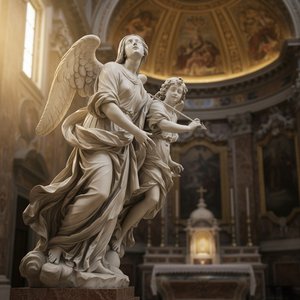
Gian Lorenzo Bernini: Sculpting Baroque Emotion & the Roman Imagination
Explore the life & revolutionary art of Gian Lorenzo Bernini, the master sculptor of the Baroque era. Discover his iconic works like David and Ecstasy of Saint Teresa – a journey into Roman artistic genius.

Theatricality & Triumph: Baroque Drama in Painting & Sculpture
Explore the dramatic world of Baroque art! Discover its history, defining characteristics, & lasting influence on painting & sculpture. Expert insights into Caravaggio, Zurbarán, and Bernini – plus high-quality reproductions at OriginalUniqueArt.

The Enduring Form: Exploring Themes & Techniques in Sculpture Across Historical Periods
Explore the rich history of sculpture from ancient masterpieces to contemporary innovations. Discover key techniques, influential artists & investment potential for discerning art collectors.

The Enduring Form: Sculpture Across History, Technique & Emotional Resonance
Explore the rich history of sculpture with OriginalUniqueArt. Discover key techniques, influential artists & investment potential for discerning collectors. Expert insights into valuing and collecting timeless masterpieces.
