
 Náhled
 Sdílet
 Sdílet
 Podrobnosti o díle

 Stáhnout
 Podobné položky
 Rentgenové snímky
 Slideshow
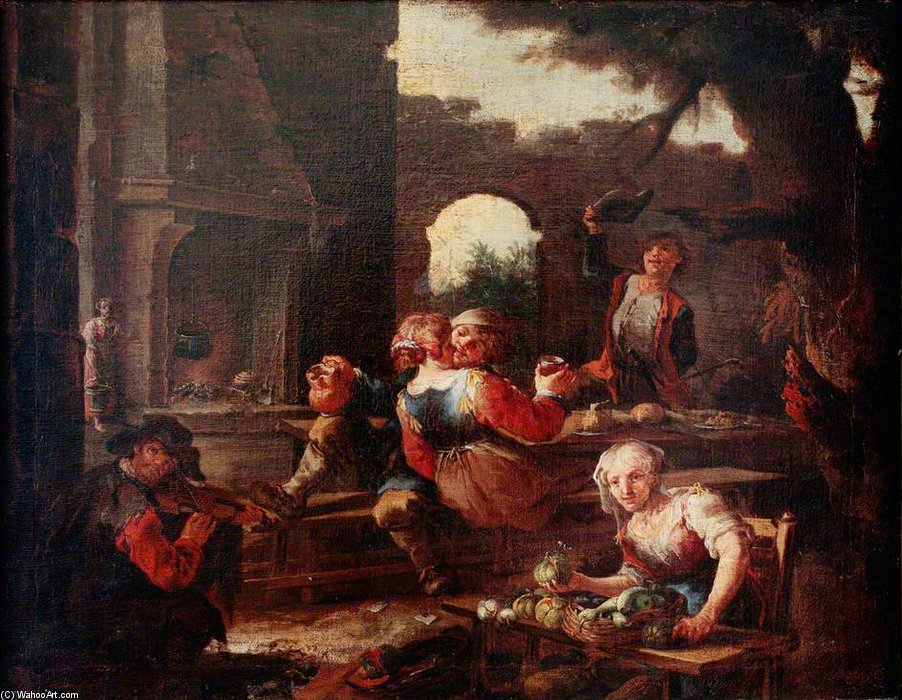
Peasants Drinking Scene
 Zobrazit více
Ručně malovaná olejová reprodukce
Ručně malovaná olejná barva na plátně ve vašem zvoleném rozměru i s rámem, vyrobená našimi umělci na zakázku. ( Přepnout na tisk Přepnout na obrázek)




































Vyberte si z našich přednastavených velikostí, které odpovídají původním proporcím díla.

Můžete zadat vlastní rozměry pro konkrétní rám nebo prostor. Pokud se vámi vybraná velikost neshoduje s proporcemi původního obrazu, dílo buď ořízneme, nebo jej doplníme ručně malovanými prvky. Před zahájením výroby vám bude zaslán digitální náhled ke schválení.
Upozorňujeme, že náhled na obrazovce neodpovídá skutečnému ořezu ani rozšíření. Pouze digitální náhled přesně zobrazí finální kompozici.
Ačkoliv je možné zvolit vlastní velikost, pro zachování původních proporcí doporučujeme vybrat rozměr z předdefinovaného seznamu.
Po přijetí objednávky vám tým OriginalUniqueArt.com zašle e-mail s pokyny a poskytne náhledovou verzi.
Celosvětová doprava () za 3–4 týdny namísto standardních 5 týdnů. (11 srpen). Bez kompromisů v kvalitě.

Zdarma celosvětová expresní doprava

Vysoce kvalitní lněné plátno

Kompletní přepravní pojištění

Záruka vrácení celního poplatku

Záruka přesného barevného shodu

60denní lhůta pro vrácení zboží (pouze při vadách výroby)

100% garance vrácení peněz

Sleva při hromadné objednávce
 Skleněná varianta je dostupná pouze u rozměrů menších než 110 cm

Peasants Drinking Scene
Technika reprodukce
Rozměry reprodukce
-


Celková cena za výběr
$ 300
Biografie umělce
The Luminous Legacy of Il Todeschini
In the vibrant, shadow-drenched corridors of the late Baroque era, few artists captured the quiet drama of everyday existence as poignantly as Giacomo Francesco Cipper. Known to his contemporaries by the affectionate moniker Il Todeschini, this Austrian-born master became a defining voice in the Milanese art scene. Born in Feldkirch in 1664, Cipper’s journey from the Alpine reaches of Austria to the bustling cultural hubs of Lombardy and Venice is a testament to the migratory spirit of the Baroque period. While his early years remain somewhat veiled by the mists of history, his arrival in Milan around 1696 marked the beginning of a prolific career that would leave an indelible mark on the Italian landscape painting tradition.
Cipper’s artistic identity was forged in the crucible of the Caravaggesque manner. Drawing inspiration from the dramatic legacies of Michelangelo Merisi da Caravaggio, he mastered the art of chiaroscuro—the profound and theatrical interplay between light and deep shadow. This technique allowed him to transcend mere representation, turning simple scenes of rural life into emotionally resonant narratives. His early works are characterized by a meticulous, almost scrupulous observation of detail, where every texture of fabric and every glint of light on a surface was rendered with startling realism. Through this lens, the mundane became monumental, and the humble subjects of his canvases were elevated to a level of profound dignity.
A Transition Toward Atmospheric Brilliance
As his career progressed, Cipper’s style underwent a fascinating evolution, moving away from the rigid precision of his youth toward a more fluid and atmospheric vision. Influenced perhaps by the subtle touch of contemporaries like Giacomo Ceruti, he began to loosen his brushwork, favoring the evocative play of light over the strictness of line. This shift allowed him to capture not just the physical presence of his subjects, but the very air surrounding them. His landscapes became more than mere backdrops; they became living, breathing environments imbued with a sense of mood and ephemeral beauty.
This stylistic maturation is evident in his diverse repertoire of subjects, which ranged from intimate portraits to bustling genre scenes:
- Genre Scenes: Works such as Palmistry and Peasant Repast With A Young Beggar showcase his ability to weave human connection into rustic settings, using light to guide the viewer's eye through complex social interactions.
- Musicality and Introspection: In pieces like Mandolinenspieler, Cipper captures a sense of quiet melancholy, utilizing soft lighting to reflect the internal world of his subjects.
- Portraiture: His ability to capture character is perhaps best seen in works like Head Of A Man In Red, where rich pigments and dramatic shadows create a captivating, lifelike presence.
Historical Significance and Enduring Spirit
The historical importance of Giacomo Francesco Cipper lies in his role as a bridge between the intense realism of the 17th century and the more sensory, light-focused sensibilities of the 18th century. By operating within the territories of Lombardy and the Veneto, he helped sustain and evolve the Caravaggesque tradition long after its initial peak, ensuring that the dramatic power of shadow remained a vital component of Italian art. His ability to blend the ruggedness of rural life with a sophisticated, painterly elegance allowed him to appeal to both the connoisseurs of Milan and the collectors of Venice.
Even as his final known work, a Self-portrait completed in 1736, signaled the end of his earthly journey, his artistic spirit remained vibrant. Cipper’s legacy is found in those luminous canvases that continue to captivate modern audiences—works that do not merely show us how the world looked, but how it felt to stand within its shifting lights and deepening shadows. He remains a master of the subtle brilliance, an artist who found the extraordinary within the ordinary.

giacomo francesco cipper
1664 - 1736 , Austria
Rychlé fakta
- Artistic Movement Or Style: Caravaggesque
- Artists Or Movements Influenced By This Artist: ['Cerutti']
- Artists Who Influenced This Artist: ['Giovanni Battista Piranesi']
- Date Of Birth: Fieldkirch, Austria (1664)
- Date Of Death: Milan (1736)
- Full Name: Giacomo Francesco Cipper
- Nationality: Austrian
- Notable Artworks:
- L Excision de la pierre de folie
- Mandolinenspieler
- Head Of A Man In Red
- Place Of Birth: Austria

