
 Náhled
 Sdílet
 Sdílet
 Podrobnosti o díle

 Stáhnout
 Podobné položky
 Rentgenové snímky
 Slideshow
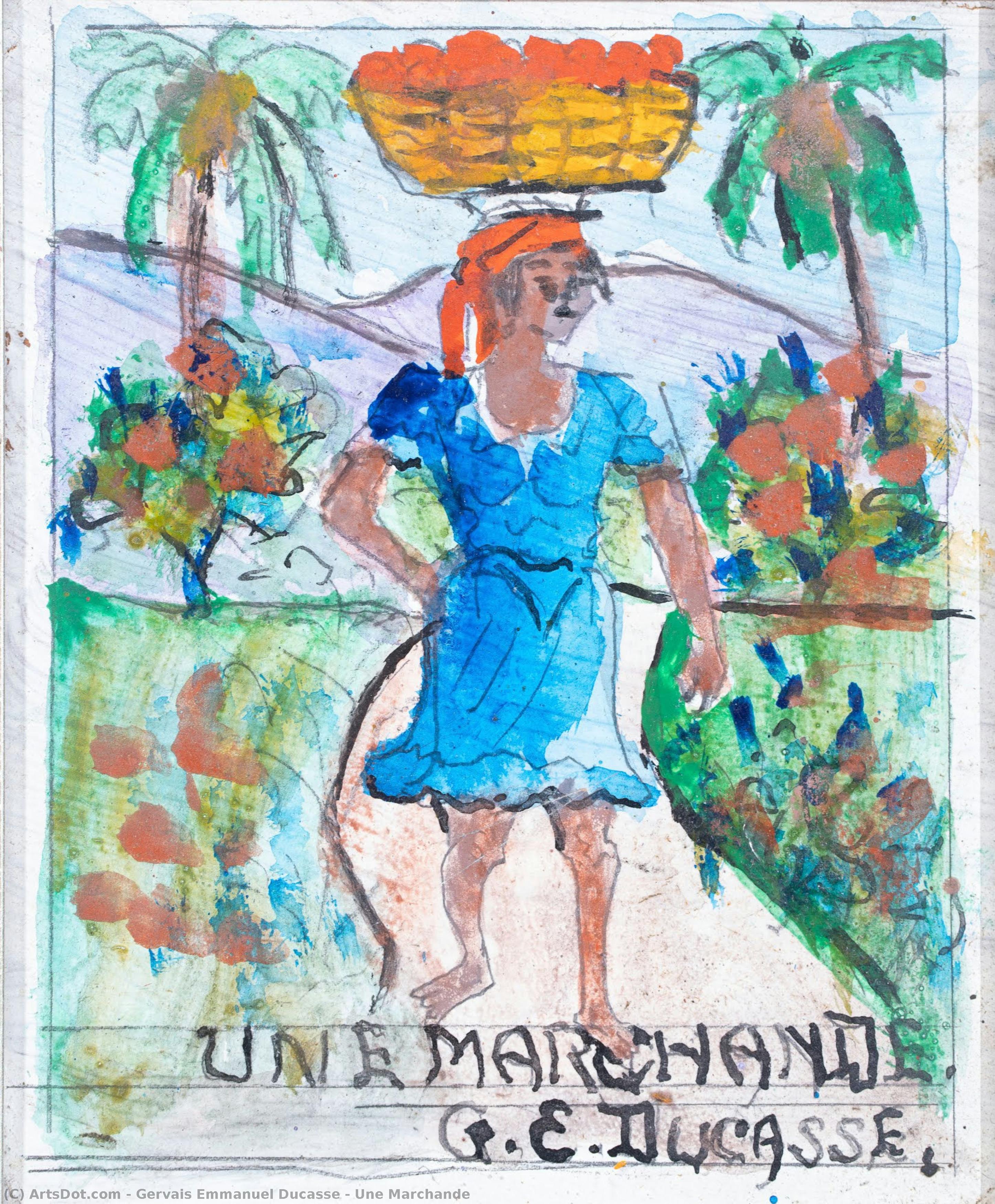
Une Marchande

 Zobrazit více
Ručně malovaná olejová reprodukce
Ručně malovaná olejná barva na plátně ve vašem zvoleném rozměru i s rámem, vyrobená našimi umělci na zakázku. ( Koupit tisk Koupit obrázek)




































Vyberte si z našich přednastavených velikostí, které odpovídají původním proporcím díla.

Můžete zadat vlastní rozměry pro konkrétní rám nebo prostor. Pokud se vámi vybraná velikost neshoduje s proporcemi původního obrazu, dílo buď ořízneme, nebo jej doplníme ručně malovanými prvky. Před zahájením výroby vám bude zaslán digitální náhled ke schválení.
Upozorňujeme, že náhled na obrazovce neodpovídá skutečnému ořezu ani rozšíření. Pouze digitální náhled přesně zobrazí finální kompozici.
Ačkoliv je možné zvolit vlastní velikost, pro zachování původních proporcí doporučujeme vybrat rozměr z předdefinovaného seznamu.
Po přijetí objednávky vám tým OriginalUniqueArt.com zašle e-mail s pokyny a poskytne náhledovou verzi.
Celosvětová doprava () za 3–4 týdny namísto standardních 5 týdnů. (20 srpen). Bez kompromisů v kvalitě.

Zdarma celosvětová expresní doprava

Vysoce kvalitní lněné plátno

Kompletní přepravní pojištění

Záruka vrácení celního poplatku

Záruka přesného barevného shodu

60denní lhůta pro vrácení zboží (pouze při vadách výroby)

100% garance vrácení peněz

Sleva při hromadné objednávce
 Skleněná varianta je dostupná pouze u rozměrů menších než 110 cm

Une Marchande
Technika reprodukce
Rozměry reprodukce
-


Celková cena za výběr
$ 300
Biografie umělce
Gervais Emmanuel Ducasse: A Haitian Visionary
Gervais Emmanuel Ducasse (1903-1988) stands as a pivotal figure in Haitian art history, recognized for his distinctive approach to depicting historical narratives and capturing the essence of Haitian culture through vibrant color palettes and bold stylistic choices. Born in Port-au-Prince, Haiti, Ducasse’s artistic journey unfolded against the backdrop of a nation grappling with colonial legacies and striving for cultural identity—a context that profoundly shaped his creative vision. While biographical details remain somewhat sparse, his dedication to painting solidified him as one of Haiti's most respected artists, leaving an indelible mark on Haitian art and inspiring subsequent generations.
Information regarding Ducasse’s formative years is limited; however, it’s understood that he possessed a natural inclination towards artistic expression from a young age within the bustling environment of Port-au-Prince. Exposure to Haitian traditions and folklore undoubtedly fueled his imagination and nurtured his burgeoning talent. His initial training likely involved absorbing techniques prevalent in Haitian folk art—characterized by simplified forms, bold colors, and expressive brushstrokes—which would later become hallmarks of his mature style. The influence of European Impressionism is also speculated as a formative element, introducing Ducasse to innovative approaches to color and light that he skillfully integrated into his own artistic vocabulary.
The Language of Color and Composition
Ducasse’s artistic signature lies in his masterful manipulation of color—a technique that distinguishes him from many contemporaries. He employed palettes brimming with hues drawn directly from the Haitian landscape, translating tropical flora and fauna onto canvas with remarkable accuracy. More importantly, Ducasting eschewed conventional compositional conventions, favoring dynamic arrangements that breathed life into his subjects. His work often features a rich impasto texture, where the physical application of paint adds a tactile dimension to the scenes he portrays.
His subject matter frequently celebrated the rhythms of daily Haitian life and the dignity of labor. In masterpieces such as Facon de Planter Le Riz, he captures the essence of rural toil with a vibrant folk-art sensibility, turning a scene of agricultural necessity into a poetic tribute to the land. Similarly, his ability to infuse movement into static scenes is evident in works like The Bridge, where the lively spirit of two women crossing a bridge on donkeys invites the viewer into a colorful moment of Haitian history. Through these compositions, Ducasse did more than just paint; he documented the soul of a people.
Legacy and Cultural Significance
Beyond the mere depiction of scenery, Ducasse’s work serves as a vital repository of Haitian cultural heritage. He possessed a unique ability to blend the mundane with the monumental, using bold lines and expressive colors to elevate folk traditions into the realm of fine art. His depictions of local customs, such as the energetic and spirited Gargeur Coqs, showcase his talent for capturing the raw energy of communal life through a lens of profound respect and artistic innovation.
The historical significance of Gervais Emmanuel Ducasse lies in his role as a bridge between traditional Haitian folk aesthetics and a more formalized artistic expression. His legacy is characterized by several key contributions:
- Cultural Preservation: Through his paintings, he immortalized scenes of rural labor, local traditions, and the vibrant landscapes of Haiti that might otherwise have faded from collective memory.
- Stylistic Innovation: By integrating elements of Impressionism with indigenous folk techniques, he helped expand the visual vocabulary of Caribbean art.
- National Identity: His work provided a visual language for a nation seeking to define itself through its own colors, textures, and historical narratives.
Today, the works of Ducasse continue to resonate in museums and private collections worldwide, serving as a testament to his enduring vision and his profound connection to the heart of Haiti.

gervais emmanuel ducasse
1903 - 1988 , Haiti
Rychlé fakta
- Artistic Movement Or Style: Colorful Haitian Primitive Art
- Date Of Birth: 1903
- Date Of Death: 1988
- Full Name: Gervais Emmanuel Ducasse
- Nationality: Haitian
- Notable Artworks:
- Cottages and Trees
- Vegetable Cart
- The Bridge
- Place Of Birth: Port-au-Prince, Haiti

