

 Zobrazit v interiéru
 Odeslat
 Sdílet
 Podrobnosti
 Průvodce

 Stáhnout obrázek
 Podobné kousky
 Rentgenové snímky
 Slideshow
 Statistiky
The Young Mother
 Acrylic On Canvas
- WallArt
- Dutch Golden Age
 1655
1655 49.0 x 37.0 cm
 Staatliche Museen zu Berlin
 Přečíst si více
Giclée / Umělecký tisk
Giclée nebo plátěný tisk muzeální kvality s rychlou výrobou a širokou nabídkou povrchových úprav. ( Objednat ručně malovanou reprodukci Přepnout na digitální verzi obrazu)




P118B Kč10

P118H Kč10

P118W Kč10

P438Z Kč10

P508JH Kč12

P508YH Kč12

P805H Kč10

P805Z Kč10

P919BZ Kč10

P919G Kč10

P919XJ Kč10

P959ZH Kč10

P968JZ Kč12

W106C Kč8

W218G Kč10

W218JH Kč8

W218Y Kč10

W307PJ Kč10

W316G Kč10

W316PJ Kč8

W316Y Kč10

W398PJ Kč8

W4111J Kč10

W500HY Kč15

W500JH Kč15

W692G Kč12

W849H Kč8

W940BG Kč15

W953PJ Kč8




Vyberte si z našich přednastavených velikostí, které odpovídají původním proporcím díla.

Zadejte šířku a výšku, které potřebujete pro váš rám nebo stěnu. Tisk lze pouze oříznout, nikdy však nelze zvětšit obraz nad jeho původní rozměr, proto při výběru jiného formátu dochází ke ztrátě části obrazu. Před samotným tiskem vám zašleme digitální náhled k schválení. Obraz zobrazený na této stránce nenabízí skutečný výřez — ten uvidíte pouze v náhledu.
Celosvětové doručení () do 2 týdnů namísto standardních 4/5 týdnů. (21 říjen)

Zdarma celosvětová expresní doprava

Vysoce kvalitní lněné plátno

Úplné pojištění přepravy

Záruka vrácení celního poplatku

Záruka věrného barevného shodu

100dení lhůta pro vrácení zboží (pouze při vadách výroby)

100% garance vrácení peněz

Sleva při více objednávkách
 Skleněná varianta je dostupná pouze u rozměrů menších než 110 cm

The Young Mother
Giclée / Umělecký tisk
Velikost reprodukce
-


Celková cena
Kč 1700
A Moment of Quiet Devotion: Gerrit Dou’s “The Young Mother”
Gerrit Dou's "The Young Mother," painted in 1655, is more than just a portrait; it’s a carefully constructed tableau of domesticity and maternal tenderness, rendered with the exquisite precision that defined his unique ‘fijnschilder’ style. This intimate scene, measuring a modest 49 x 37 cm, offers a glimpse into the heart of 17th-century Dutch life – a world where piety, family values, and an appreciation for subtle detail were paramount. The painting depicts a young woman seated in a chair, gently feeding her infant child nestled within a woven basket. Around her, hints of a larger room unfold: a dining table laden with simple tableware, a couch suggesting a comfortable domestic space, and a clock on the wall subtly anchoring the scene to time’s relentless flow.
Dou's mastery lies in his ability to capture fleeting moments of everyday life with remarkable realism and psychological depth. He was a student of Rembrandt, inheriting from him an understanding of light and shadow, but he developed a distinctly more polished and controlled technique. Unlike Rembrandt’s dramatic contrasts, Dou favored a ‘subtle chiaroscuro,’ meticulously layering thin glazes of paint to create a luminous quality, particularly evident in the soft glow illuminating the mother's face and the baby’s features. This delicate manipulation of light not only enhances the realism but also imbues the scene with an almost ethereal serenity.
The Leiden Fijnschilder and the Art of Nuance
Dou was a key figure in the Leiden ‘fijnschilders’ group – a collective of Dutch painters renowned for their painstaking attention to detail, refined brushwork, and mastery of illusionistic techniques. They specialized in genre scenes, often depicting domestic interiors and everyday activities with an unparalleled level of realism. Dou's work frequently incorporated 'niche' paintings—small, self-contained scenes designed to resemble miniature rooms or architectural details, creating a sense of depth and intrigue. This technique is subtly present here, drawing the viewer into the intimate space and encouraging careful observation.
The painting’s composition is deliberately restrained, focusing on the immediate interaction between mother and child. The presence of the other two figures – one standing near the left side and another to the right – adds a layer of narrative complexity without disrupting the central focus. They are not overtly engaged; rather, they seem to be part of the domestic setting, contributing to the overall sense of quiet normalcy. The bowl on the table further reinforces this impression of everyday life, suggesting a simple meal or preparation for the child.
Symbolism and Emotional Resonance
“The Young Mother” is rich in symbolic meaning, reflecting the prevailing values of 17th-century Dutch society. Motherhood was highly esteemed, representing piety, domestic virtue, and the continuation of the family line. The act of feeding the child symbolizes nurturing, protection, and the transmission of faith. The carefully arranged interior – the table, the couch, the clock – speaks to a desire for order, stability, and a connection to both earthly and spiritual realms.
Beyond its historical context, the painting possesses a profound emotional resonance. The mother’s gentle gaze, the baby's trusting expression, and the overall atmosphere of quiet intimacy evoke feelings of warmth, tenderness, and a deep appreciation for the simple joys of family life. Gerrit Dou masterfully captures a fleeting moment of grace—a testament to the enduring power of maternal love and the beauty of everyday domesticity. A reproduction of this work offers a captivating window into a bygone era, inviting viewers to contemplate the timeless values it represents.
Collecting a Masterpiece: A Reproduction for Your Home
OriginalUniqueArt is proud to offer meticulously crafted hand-painted reproductions of Gerrit Dou’s “The Young Mother.” Our artists replicate Dou's signature style with exceptional accuracy, capturing the subtle nuances of light, color, and brushwork. Whether you are a seasoned art collector or simply seeking to add a touch of Dutch Golden Age elegance to your home, our reproduction provides an authentic representation of this iconic masterpiece. Each reproduction is created on high-quality canvas using archival pigments, ensuring its longevity and beauty for generations to come. Explore the available sizes and options today – bringing a piece of Dutch art history into your personal space.
Otázky a odpovědi
Existuje průvodce k dílu „The Young Mother“ od Gerrit Dou?
Pro dílo „The Young Mother“ od Gerrit Dou je k dispozici stránka Průvodce: tiskem připravený informační list o uměleckém díle, navržený pro studenty a použití ve výuce.
Jak se v díle "The Young Mother" propojují kontrast a harmonie?
V díle "The Young Mother" je Gentle kontrast spojen s Strong Color Unity harmonií.
Hangi tónem se "The Young Mother" sklání?
Dílo „The Young Mother“ od Gerrit Dou je protknuto Amber to Saffron odstínem.
Biografie umělce
Gerrit Dou (1613 - 1675)
Gerrit Dou, uváděn též jako Gerrard, Gerard, Dow nebo Doww (7. duben 1613, Leiden – 9. únor 1675, Leiden) byl nizozemský malíř, jehož drobné, vysoce lesklé obrazy jsou typické pro nizozemskou zlatou dobu a školu leidenfijnschilderij. Jeho mistrovství chiaroscuro je zvláště výrazné – vidět ho lze zejména v obrazových scénách osvětlených svíčkami. Tento unikátní kombinace schopností vedla k jeho asociaci s leidenfijnschilderskou školou.Život a působení
Gerrit Dou se narodil v Leidenu, kde jeho otec byl výrobce vitráží Douwe Jansz de Vries van Arentsvelt z Harlingenu (cca 1570–cca 1626). Jeho vzdělání začalo u rytce Bartholomea Dolenda (cca 1570–1629), později však pokračovalo ve výcviku v vitrážnické dílně Pieta Kouwenhorna (cca 1599–1654). V roce 1628 získal povolení studovat malování u Rembrandt van Rijna (1606–69), který žil poblíž. Z Rembrandtova atelieru získal své znalosti barvení a subtilní efekty osvětlení – což Rembrandtovi velmi připomíná jeho rané dílo. Gerrit Dou byl studentem Rembrandta, jehož vliv lze pozorovat ve svých počátcích. Jeho život byl poznamenán několika významnými událostmi, které ovlivnily jeho tvorbu a osobní život.Výtvarný styl a specializace
Gerrit Douův výtvarný styl je charakteristický svou minutou a rozsáhlou úpravou – často zahrnuje žánrové scény a trompe l'œil „niche“ obrazy. Jeho mistrovství chiaroscuro je zvláště výrazné, což lze pozorovat zejména v obrazových scénách osvětlených svíčkami. Tento unikátní kombinace schopností vedla k jeho asociaci s leidenfijnschilderskou školou. Gerrit Dou byl známý především svou technikou vytváření pocitu hloubky a třetího rozměru ve svých dílech – zvláště v obrazových scénách osvětlených svíčkami. Jeho práce byly často doplněny konkávním čočkovým systémem kombinovaným konvexním zrcadlem, což umožňovalo přesné kreslení pozorovacího objektu pomocí rámu přeříznutého textilními vlákny. Tento přístup byl důsledkem jeho pozorování světa prostřednictvím rámu s textilními vláknami. Jeho práce byly vždy malé velikosti. Více než 200 obrazů připisuje se mu, a příklady lze nalést ve většině významných veřejných muzeí Evropy.Významné díla
* Astronomer by Candlelight – obraz, který dokazuje Gerrit Douovu odbornost při zachycování jemností osvětlení, lze nalést na OriginalUniqueArt.com. * Kolekce Leidenská – renomované muzeum umění v Německu obsahuje díla Gerrit Douva mezi dalšími významnými umělci. Informace o kolekcích najdete zde: Kolekce Leidenská na OriginalUniqueArt.com.Vliv a následovníci
Gerrit Dou měl značný vliv na své žáky, včetně Fransa van Mierise mladšího a Gabriela Metsu. Jeho dílo bylo také prezentováno ve veřejných muzeích, jako je Muzeum Haus ten Bosch v Haagu, Nizozemsko, které vystavuje rozsáhlou sbírku evropského umění ze století šestnáctého až osmnáctého. Gerrit Dou byl průkopníkem nizozemské zlaté doby a jeho díla inspirují umělce i milovníky umění dodnes. Jeho obrazový styl se projevil v jeho pozdějších tvorbách, zejména v obrazových scénách osvětlených svíčkami. Jeho práce byly vždy malé velikosti. Více než 200 obrazů připisuje se mu, a příklady lze nalést ve většině významných veřejných muzeí Evropy.
Gerrit Dou
1613 - 1675 , Nizozemsko
Rychlé informace
- Artistic Movement Or Style: Fijnschilderij
- Artists Or Movements Influenced By This Artist: ['Frans van Mieris']
- Artists Who Influenced This Artist: ['Rembrandt van Rijn']
- Date Of Birth: 7 aprile 1613
- Date Of Death: 9 febbraio 1675
- Full Name: Gerrit Dou
- Nationality: Nederlands
- Notable Artworks:
- Astronomer door kaarslicht
- Het Leidencollectie
- Genre scènes
- Place Of Birth: Leiden, Niederlande
Související články

Golden Age Reflections: Dutch Baroque Painting & Cultural Innovation
Explore the Dutch Golden Age of painting! Discover key artists like Vermeer & ter Borch, their innovative techniques, and the rich cultural context behind these Baroque masterpieces. Learn about collecting & appreciating this iconic art period.

Zlatý věk nizozemského malířství: 10 mistrovských děl pro váš domov | OriginalUniqueArt.com
Prozkoumejte 10 ikonických děl nizozemského zlatého věku – Rembrandt, Vermeer a další mistři. Objevte příběhy za obrazy, techniky a inspiraci pro váš interiér s reprodukcemi nejvyšší kvality na OriginalUniqueArt.com.

Golden Light & Dutch Skies: The Timeless Magic of Dutch Golden Age Landscapes
Discover the breathtaking beauty of Dutch Golden Age landscapes. Explore the mastery of light, chiaroscuro, and 17th-century realism through an expert art history lens, celebrating the enduring legacy of the Dutch Masters for discerning collectors and art lovers.
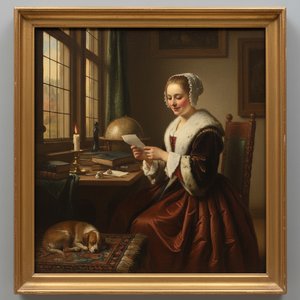
Gerrit Dou: Intimacy & Light in the Dutch Golden Age
Explore the exquisite world of Gerrit Dou, a master of Dutch Golden Age painting. Discover his intimate genre scenes, signature use of light, and lasting legacy. Learn about collecting Dou's works & their value.
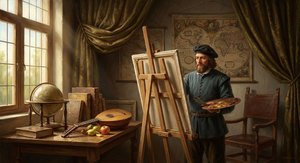
Illuminating Realism: Exploring the Dutch Golden Age of Painting (1600-1700)
Explore the Dutch Golden Age of painting (1600-1700) with OriginalUniqueArt. Discover Rembrandt, Vermeer & other masters. Learn about techniques, history & find museum-quality reproductions.


