

 Náhled v interiéru
 Sdílet
 Sdílet
 Podrobnosti o díle
 Průvodce

 Stáhnout
 Podobné položky
 Rentgenové snímky
 Slideshow
 Statistiky
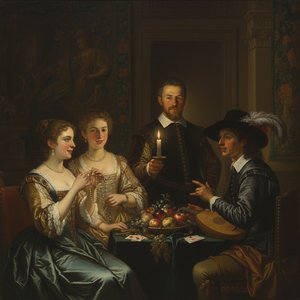
The Concert (detail)


 Zobrazit více
Giclée / Umělecký tisk
Giclée nebo plátěný tisk muzeální kvality s rychlou výrobou a širokou nabídkou povrchových úprav. ( Koupit ručně malovaný obraz Přepnout na digitální obraz)




P118B Kč10

P118H Kč10

P118W Kč10

P438Z Kč10

P508JH Kč12

P508YH Kč12

P805H Kč10

P805Z Kč10

P919BZ Kč10

P919G Kč10

P919XJ Kč10

P959ZH Kč10

P968JZ Kč12

W106C Kč8

W218G Kč10

W218JH Kč8

W218Y Kč10

W307PJ Kč10

W316G Kč10

W316PJ Kč8

W316Y Kč10

W398PJ Kč8

W4111J Kč10

W500HY Kč15

W500JH Kč15

W692G Kč12

W849H Kč8

W940BG Kč15

W953PJ Kč8




Vyberte si z našich přednastavených velikostí, které odpovídají původním proporcím díla.

Zadejte šířku a výšku, které potřebujete pro váš rám nebo stěnu. Tisk lze pouze oříznout, nikdy však nelze zvětšit obraz nad jeho původní rozměr, proto při výběru jiného formátu dochází ke ztrátě části obrazu. Před samotným tiskem vám zašleme digitální náhled k schválení. Obraz zobrazený na této stránce nenabízí skutečný výřez — ten uvidíte pouze v náhledu.
Celosvětové doručení () do 2 týdnů namísto standardních 4/5 týdnů. (27 říjen)

Zdarma celosvětová expresní doprava

Vysoce kvalitní lněné plátno

Kompletní pojištění přepravy

Záruka vrácení celního poplatku

Záruka věrného barevného souladu

100dení lhůta pro vrácení zboží (pouze při vadách výroby)

100% záruka vrácení peněz

Sleva při více objednávkách
 Skleněná varianta je dostupná pouze u rozměrů menších než 110 cm

The Concert (detail)
Giclée / Umělecký tisk
Rozměry reprodukce
-


Celková cena za vybrané možnosti reprodukcí
Kč 1716
The Concert (detail): A Masterpiece of Light and Shadow
Gerrit van Honthorst’s “The Concert,” completed in 1626, stands as a cornerstone of Dutch Baroque art—a testament to the artist's unparalleled command of chiaroscuro and his ability to capture fleeting moments of human interaction with breathtaking realism. More than just a depiction of musicians performing, it embodies the intellectual fervor and artistic innovation that characterized the Golden Age of Holland.
- Subject Matter: The painting portrays three figures—a woman singing into the ear of another woman—accompanied by a man observing their performance. Two bowls strategically placed on surfaces contribute to the composition’s visual balance, while a book hints at the setting as a rehearsal space for vocalists.
- Style & Technique: Honthorst's signature style is unmistakably Caravaggist; he employs tenebrism—a dramatic technique utilizing stark contrasts between light and dark—to sculpt form and heighten emotional intensity. The meticulous rendering of textures, particularly the fabrics worn by the figures, demonstrates exceptional draughtsmanship.
- Historical Context: Created during a period of artistic experimentation in Rome, “The Concert” reflects the influence of Caravaggio’s revolutionary approach to painting. Honthorst's embrace of this style solidified his reputation as one of the foremost artists of his time and cemented his place within the Utrecht Caravaggisti School.
- Symbolism: The musical scene itself carries symbolic weight, representing harmony, contemplation, and artistic expression. The bowls could symbolize nourishment or reflection—ideas central to Baroque thought.
Provenance & Artistic Legacy
The painting’s history traces back to Prince Frederick Hendrick of Orange, suggesting its importance within the royal court. Its subsequent descent through generations underscores its enduring value and artistic significance. Honthorst's influence extended beyond his own lifetime; his brother Willem van Honthorst continued his artistic endeavors, establishing a lineage of skilled painters dedicated to capturing the beauty and drama of human experience.
Further Exploration: Caravaggio’s Influence
Gerrit van Honthorst’s artistic journey was profoundly shaped by his encounter with Caravaggio—a pivotal moment that propelled him toward the groundbreaking tenebrism technique. Like Caravaggio, Honthorst sought to convey emotion through dramatic lighting and shadow, prioritizing psychological realism over idealized beauty. Studying Caravaggio's work instilled in Honthorst a conviction that art should illuminate the human condition.
Collecting & Interior Design Considerations
"The Concert" exemplifies the grandeur and sophistication of Baroque aesthetics—a style celebrated for its opulent ornamentation and emotive power. Reproductions crafted with meticulous attention to detail can transform any interior space, bringing forth a sense of drama and artistic contemplation. Consider framing it in a dark wood frame to accentuate the painting’s chiaroscuro effect and enhance its visual impact.
Otázky a odpovědi
Je pro dílo „The Concert (detail)“ k dispozici stažení?
Digitální verzi díla „The Concert (detail)“ od Gerard van Honthorst si můžete stáhnout na stránce Stažení digitální verze jako stažení digitálního obrazu ve vysokém rozlišení.
Je „The Concert (detail)“ od Gerard van Honthorst známým uměleckým dílem?
Úroveň popularity zaznamenaná pro „The Concert (detail)“ od Gerard van Honthorst je Iconic.
Do které místnosti by se vzhledem k barevné skladbě doporučovalo umělecké dílo „The Concert (detail)“ od Gerard van Honthorst?
Vzhledem k jeho Earthy barevnosti je dílo „The Concert (detail)“ doporučeno do místnosti Living Room.
Biografie umělce
A Master of Light and Shadow: The Life and Art of Gerard van Honthorst
Gerard van Honthorst emerged from Utrecht in 1592, a pivotal figure poised to illuminate the Dutch Golden Age with his dramatic artistry. Initially guided by his father, a decorative painter, young Gerard’s talent blossomed under the tutelage of Abraham Bloemaert, establishing a solid foundation in draftsmanship and composition. However, it was a transformative journey to Rome that irrevocably altered the course of his artistic development. There, amidst the fervent energy of the Italian Baroque, he encountered the groundbreaking work of Caravaggio – an encounter that would define his signature style and earn him the evocative nickname “Gherardo delle Notti,” or Gerard of the Nights. The dramatic use of *tenebrism*, a technique employing stark contrasts between light and dark, became Honthorst’s hallmark, imbuing his canvases with a palpable sense of drama and emotional intensity. He wasn't merely imitating Caravaggio; he was translating the Italian master’s innovations into a distinctly Dutch sensibility, focusing on intimate scenes illuminated by artificial light sources – candles, lamps, and fires – creating an atmosphere both realistic and deeply theatrical. This mastery over light wasn’t simply technical skill; it was a means of revealing character, of drawing the viewer into the emotional core of each scene.Early Life and Artistic Training in Utrecht
Gerard van Honthorst was born in Utrecht, the son of Herman van Honthorst, a tapestry designer and a founding member of the Utrecht Guild of St. Luke. His father’s profession instilled in him an appreciation for detail and craftsmanship, while his early training under Abraham Bloemaert provided him with the fundamental skills of draftsmanship and composition. Bloemaert, a respected painter in Utrecht, recognized Gerard's considerable talent and nurtured it diligently. This foundation proved crucial as Honthorst embarked on his artistic journey, initially exploring traditional Dutch styles before venturing into the more dramatic world of Italian Baroque painting. The vibrant art scene of Utrecht during this period fostered experimentation and encouraged artists to push boundaries, contributing to the development of a unique regional style that would later be known as *Utrecht Caravaggism*.Rome: Encountering Caravaggio and Developing His Style
Around 1610, Honthorst made the momentous decision to travel to Rome. This journey marked a turning point in his artistic career, exposing him to the revolutionary techniques of Caravaggio and other leading Italian artists. The impact was immediate and profound. He was captivated by Caravaggio’s masterful use of *tenebrism*, the dramatic interplay of light and shadow that created an intense emotional atmosphere. Honthorst didn't simply copy Caravaggio; he adapted these innovations to his own artistic sensibilities, incorporating them into a distinctly Dutch style. His Roman period saw him working for prominent patrons, including Vincenzo Giustiniani, and producing works such as “Christ Before the High Priest,” now residing in London’s National Gallery – a painting that exemplifies his technical skill and psychological depth. The nickname "Gherardo delle Notti" (Gerard of the Nights) became associated with him due to his ability to evoke a sense of mystery and drama through the skillful manipulation of light.Return to Utrecht and the Rise of a Court Painter
Upon returning to Utrecht around 1620, Honthorst quickly established himself as a leading portrait painter in the Dutch Republic. His talent for capturing not just physical likeness but also the character and social standing of his sitters made him highly sought after by wealthy merchants, nobles, and even royalty. He became president of the Guild of St. Luke in Utrecht in 1623, a testament to his growing influence within the artistic community. This period saw a flourishing of commissions, allowing Honthorst to refine his style and establish a distinctive voice within Dutch painting. His work during this time often featured genre scenes – depictions of everyday life – illuminated by candlelight or other artificial light sources, reflecting his signature mastery of *tenebrism*.Collaborations and Royal Patronage
Honthorst’s artistic network extended beyond Utrecht, attracting the attention of influential figures in England. He was recommended to Sir Dudley Carleton, who enthusiastically introduced him to prominent English aristocrats like the Earl of Arundel and Lord Dorchester. This led to commissions from Queen Elizabeth of Bohemia, sister of Charles I, who employed him as both a painter and drawing master for her children. These royal connections culminated in significant works such as the allegorical depiction of Charles and Henrietta Maria as Diana and Apollo, now housed at Hampton Court Palace. Honthorst’s willingness to collaborate with other artists also speaks to his open-mindedness and artistic generosity. He famously hosted Peter Paul Rubens during a visit to Utrecht, even painting him in a playful scene depicting Diogenes searching for an honest man – a testament to the mutual respect between these two Baroque giants. While some collaborative works, like “The Taking of Christ,” were initially attributed solely to Honthorst, modern scholarship has revealed the contributions of other artists, highlighting the complex dynamics of artistic production during this period. These collaborations weren’t simply about sharing workload; they were intellectual exchanges that enriched the artistic landscape.Legacy and Influence
Gerard van Honthorst's influence resonated far beyond his lifetime. He was a key figure in the *Utrecht Caravaggisti* movement – a group of Dutch painters who embraced Caravaggio’s dramatic realism and *tenebrism*. Alongside artists like Hendrick ter Brugghen and Dirck van Baburen, he helped to establish a distinctly Dutch interpretation of Italian Baroque style. His emphasis on genre scenes illuminated by artificial light sources, his masterful portraits, and his ability to convey emotional depth through skillful use of chiaroscuro left an indelible mark on the development of Dutch Golden Age painting. Even his brother, Willem van Honthorst, followed in his footsteps, though often with works initially misattributed to Gerard due to stylistic similarities.- Honthorst’s paintings continue to captivate audiences today.
- His dramatic beauty and psychological insight are enduring qualities.
- He cemented his place as a pivotal figure in art history.

Gerard van Honthorst
1590 - 1656 , Nizozemsko
Rychlé informace o umělci
- Artistic Movement Or Style: Baroko, Caravaggisti
- Artists Or Movements Influenced By This Artist: ['Utrecht Caravaggisti']
- Artists Who Influenced This Artist: ['Caravaggio']
- Date Of Birth: 1592 Utrecht
- Date Of Death: 1656 Utrecht
- Full Name: Gerard van Honthorst
- Nationality: Nizozemec
- Notable Artworks:
- Christ před vysokou přísahou
- Supta hostina
- Diana a Apollo
- Place Of Birth: Utrecht, Nizozemsko
Související články

Golden Age Reflections: Dutch Baroque Painting & Cultural Innovation
Explore the Dutch Golden Age of painting! Discover key artists like Vermeer & ter Borch, their innovative techniques, and the rich cultural context behind these Baroque masterpieces. Learn about collecting & appreciating this iconic art period.

Golden Light & Dutch Skies: The Timeless Magic of Dutch Golden Age Landscapes
Discover the breathtaking beauty of Dutch Golden Age landscapes. Explore the mastery of light, chiaroscuro, and 17th-century realism through an expert art history lens, celebrating the enduring legacy of the Dutch Masters for discerning collectors and art lovers.

Rembrandt van Rijn: Top 25 mistrovských děl pro váš interiér | OriginalUniqueArt.cz
Prozkoumejte 25 nejlepších děl Rembrandta van Rijna – od portrétů po biblické scény. Objevte příběhy, techniky a inspiraci nizozemského baroka. Reprodukce obrazů pro váš interiér na OriginalUniqueArt.cz.
Gerard van Honthorst: Illuminating the Dutch Golden Age with Caravaggism & Courtly Grace
Explore the captivating world of Gerard van Honthorst, a Dutch Golden Age master renowned for his dramatic chiaroscuro & courtly portraits. Discover his life, art, and lasting influence on Baroque painting.

Top 10 mistrovských děl holandského baroka – obrazy a umělci | OriginalUniqueArt.cz
Objevte 10 ikonických děl holandského baroka! Prozkoumejte příběhy Rembrandta, Vermeera a dalších mistrů. Repliky obrazů nejvyšší kvality pro váš interiér na OriginalUniqueArt.cz – inspirace a umělecké reprodukce online.
