Velikost textu

() ·

Obraz vytvořený ručně přímo pro vás

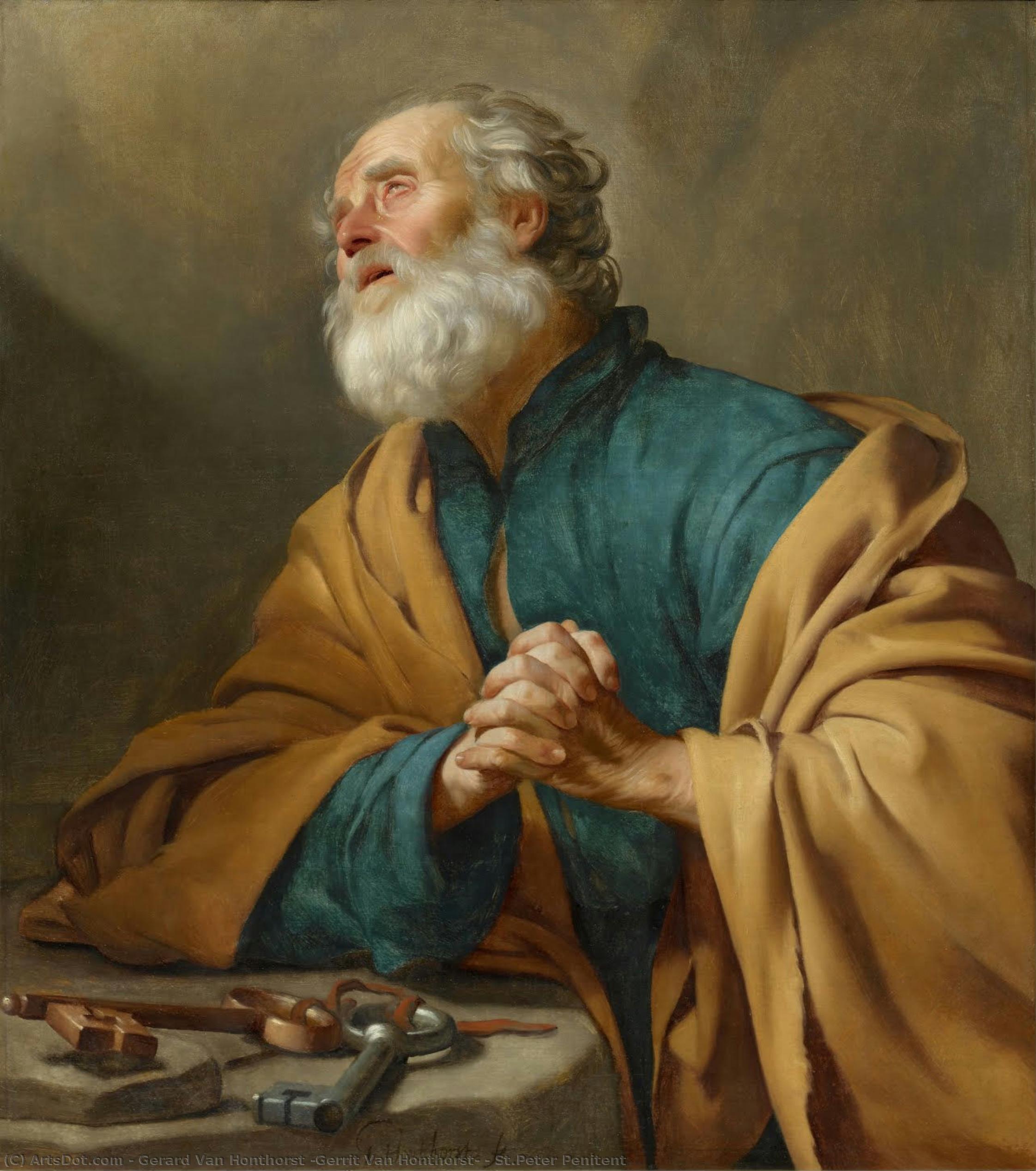
St.Peter Penitent

Ručně malovaná olejová reprodukce

Rukou malované olejné plátno v libovolném rozměru i s rámem, vyrobené našimi umělci na zakázku. ( Přepnout na tisk Přepnout na digitální obraz)

Popis sbírného předmětu

Experience Gerard van Honthorst's 'St. Peter Penitent,' a dramatic portrait of the remorseful saint, masterfully rendered with tenebrism and featuring intriguing tools. High-quality hand-painted reproduction available.

Biografie umělce

Gerard van Honthorst byl nizozemský malíř známý pro dramatické barokní obrazy s výrazným světlem a stínem (tenebrism). Jeho díla zobrazují biblické scény i portréty a jsou klíčovou součástí Utrechtské školy Caravaggistů.

od ·

Kapitola 1

Jak velká by měla být?

Posunout pro změnu velikosti; obrázek vlevo zobrazuje rám v jeho skutečné šířce. Zachovávají se původní proporce.

Standardní velikost
na zakázku
CM
INCH

Vyberte si z našich přednastavených velikostí, které odpovídají původním proporcím díla.

šířka
výška

Zadejte šířku a výšku, které potřebujete pro váš rám nebo stěnu. Protože se jedná o ruční malbu, při výběru jiného formátu může umělec kolem obrazu domalovat o něco více, nebo jej mírně oříznout — rozhodnete si vy. Před zahájením malby vám zašleme digitální náhled ke schválení. Obraz zobrazený na této stránce neodpovídá skutečnému výsledku — pouze digitální náhled jej zobrazuje.

Kapitola 2

Jak má být doručeno?

Vyberte si okraje plátna

Vyberte si rámeček

Corner sample of the WhiteWrap canvas edge finish, stretched on masivní dřevo bars
Bílé okraje Kč1
Corner sample of the BlurSideWrap canvas edge finish, stretched on masivní dřevo bars
Rozostřené okraje Kč1
Corner sample of the ExtendedWrap canvas edge finish, stretched on masivní dřevo bars
Prodloužené okraje Kč1
Corner sample of the P118B picture frame: tvarovaný polystyren, 5 cm wide and 3 cm thick
P118B Kč10
Corner sample of the P118H picture frame: tvarovaný polystyren, 5 cm wide and 3 cm thick
P118H Kč10
Corner sample of the P118W picture frame: tvarovaný polystyren, 5 cm wide and 3 cm thick
P118W Kč10
Corner sample of the P438Z picture frame: tvarovaný polystyren, 5.5 cm wide and 3.5 cm thick
P438Z Kč10
Corner sample of the P508JH picture frame: tvarovaný polystyren, 7 cm wide and 3.5 cm thick
P508JH Kč12
Corner sample of the P508YH picture frame: tvarovaný polystyren, 7 cm wide and 3.5 cm thick
P508YH Kč12
Corner sample of the P805H picture frame: tvarovaný polystyren, 5 cm wide and 3.5 cm thick
P805H Kč10
Corner sample of the P805Z picture frame: tvarovaný polystyren, 5 cm wide and 3.5 cm thick
P805Z Kč10
Corner sample of the P919BZ picture frame: tvarovaný polystyren, 7 cm wide and 3.5 cm thick
P919BZ Kč10
Corner sample of the P919G picture frame: tvarovaný polystyren, 7 cm wide and 3.5 cm thick
P919G Kč10
Corner sample of the P919XJ picture frame: tvarovaný polystyren, 7 cm wide and 3.5 cm thick
P919XJ Kč10
Corner sample of the P959ZH picture frame: tvarovaný polystyren, 5 cm wide and 3 cm thick
P959ZH Kč10
Corner sample of the P968JZ picture frame: tvarovaný polystyren, 6 cm wide and 4 cm thick
P968JZ Kč12
Corner sample of the W106C picture frame: masivní dřevo, 5 cm wide and 3 cm thick
W106C Kč8
Corner sample of the W218G picture frame: masivní dřevo, 5 cm wide and 3 cm thick
W218G Kč10
Corner sample of the W218JH picture frame: masivní dřevo, 5 cm wide and 3 cm thick
W218JH Kč8
Corner sample of the W218Y picture frame: masivní dřevo, 5 cm wide and 3 cm thick
W218Y Kč10
Corner sample of the W307PJ picture frame: masivní dřevo, 6 cm wide and 3 cm thick
W307PJ Kč10
Corner sample of the W316G picture frame: masivní dřevo, 6 cm wide and 3 cm thick
W316G Kč10
Corner sample of the W316PJ picture frame: masivní dřevo, 6 cm wide and 3 cm thick
W316PJ Kč8
Corner sample of the W316Y picture frame: masivní dřevo, 6 cm wide and 3 cm thick
W316Y Kč10
Corner sample of the W398PJ picture frame: masivní dřevo, 5 cm wide and 3 cm thick
W398PJ Kč8
Corner sample of the W4111J picture frame: masivní dřevo, 6.5 cm wide and 3.5 cm thick
W4111J Kč10
Corner sample of the W500HY picture frame: masivní dřevo, 7 cm wide and 5 cm thick
W500HY Kč15
Corner sample of the W500JH picture frame: masivní dřevo, 7 cm wide and 5 cm thick
W500JH Kč15
Corner sample of the W692G picture frame: masivní dřevo, 8 cm wide and 4 cm thick
W692G Kč12
Corner sample of the W849H picture frame: masivní dřevo, 5 cm wide and 3 cm thick
W849H Kč8
Corner sample of the W940BG picture frame: masivní dřevo, 7.5 cm wide and 4.5 cm thick
W940BG Kč15
Corner sample of the W953PJ picture frame: masivní dřevo, 6 cm wide and 3.5 cm thick
W953PJ Kč8
Corner sample of the H24-GOLD picture frame: řezané dřevo s gessu, 10 cm wide and 6 cm thick
H24-GOLD Kč30
Corner sample of the H24-SILVER picture frame: řezané dřevo s gessu, 10 cm wide and 6 cm thick
H24-SILVER Kč30
Corner sample of the H36-GOLD picture frame: řezané dřevo s gessu, 15 cm wide and 6.5 cm thick
H36-GOLD Kč45
Corner sample of the H36-SILVER picture frame: řezané dřevo s gessu, 15 cm wide and 6.5 cm thick
H36-SILVER Kč45

Profil: . Celkové rozměry včetně rámu: .

Kapitola 3

Kdo jej maluje a mělo by se něco změnit?

Příklady možných změn: Nahrazení obličeje fotografií zákazníka; Přidání mazlíčka (např. výměna kočky za psa); Skrytá zpráva v pozadí; Změna krajiny nebo prvků v pozadí.
Po přijetí objednávky vám tým OriginalUniqueArt.com pošle e-mail s instrukcemi a poskytne náhled návrhu

Celosvětová doprava () za 3–4 týdny namísto standardních 5 týdnů. (4 listopad). Bez kompromisů v kvalitě.

Kapitola 4

Poslední úpravy

Štítek jako v muzeu?

Detaily ryté bronzové plakety

This elegant plaque features the artist's name and the title of the artwork, finely engraved for a timeless presentation.

It is made from bronze with a refined, elegant finish. The text is precisely laser-engraved for a sharp and permanent result. Measuring 9x2 cm, the plaque is compact yet easy to read. It's built to be durable and scratch-resistant, offering a professional, museum-quality look. Mounting is simple thanks to the included adhesive backing.

Detaily průhledné akrylové desky

The plaque includes essential engraved details such as the artist's name, the title of the artwork, the date it was created, the type of media used-like oil on canvas or watercolor-a brief description of the piece, and a QR code that links to the complete artwork information.

It is crafted from clear acrylic, offering a sleek, modern appearance. The text is UV-engraved in black to ensure strong visual contrast. With a size of 10x15 cm, it ensures optimal readability. It comes equipped with two metal hooks for secure wall mounting. The plaque is designed to be weather-resistant, making it suitable for various environments, and it includes interactive features that work seamlessly with smartphone scanning.

Detaily černé akrylové destičky

This elegant plaque includes engraved information such as the artist's name, the title of the artwork, the date it was created, the type of media used (like oil on canvas or watercolor), a short description of the artwork, and a QR code for quick access to more information.

The plaque itself is made from refined black acrylic with a premium finish. The text is laser-engraved in white for high contrast and readability. Its size is 10x15 cm, designed to be easy to read. It comes with two metal hooks for professional mounting. The design is sleek and fits any interior style. It is also weather-resistant and durable, with built-in digital integration for mobile compatibility.

Ochranný lak?

Kdy jej potřebujete?

Kapitola 5

Váš obraz přesně podle objednávky

St.Peter Penitent

Technika reprodukce

Rozměry reprodukce

-

Vybraní mistři umění

Vyšší míra detailu, jemnosti a delší doba výroby

-

Možnosti rámování reprodukcí

-

-

U děl nebo reprodukcí, u nichž je jakákoliv strana větší než 105 cm (přibližně 41 palců), bude rám dodán jako sestava v rozloženém stavu. Tato metoda zajišťuje bezpečné doručení a chrání dílo před poškozením během přepravy.

Vyžaduje se odborná montáž – nejedná se o produkt pro svépomocnou realizaci (DIY).
Sestava musí být složena a plátno napnuto zkušeným profesionálním rámovačem s použitím dřevěného lepidla (není součástí balení), kleští na napínání plátna a svorek pro udržení pravých úhlů křížů během schnutí lepidla. Nesprávná montáž nebo nerovnoměrné napnutí plátna může způsobit trvalé poškození uměleckého díla, které není kryto naší zárukou.

  • Jsou zahrnuty všechny lišty z masivního dřeva, přesně na míru nařezané.

  • Sestavuje se pomocí součástí balení (šroubů), plus dřevěného lepidla na rohové spoje, které není součástí balení a musí jej zajistit váš rámovač.

  • Vyžaduje se profesionální nářadí, které není součástí sady: kleště na napínání plátna a svorky pro udržení kolmosti příček během schnutí lepidla.

Důležité:
Spoje v rozích vyžadují lepidlo na dřevo, tyčinky musí být přichyceny pomocí svorek, dokud lepidlo zcela neuschne, a pro napnutí plátna na sestavený rám je zapotřebí kleští na natahování plátna. Žádný z těchto náčiní není součástí sady. Před objednáním této velikosti prosím zajistěte zkušeného profesionálního rámovače.

Popisek díla

-

-

Ochranný lak

Lesklý lak (zvýrazňuje barvy, chrání před světlem a vlhkostí)

-

Přizpůsobit své umělecké dílo

Příklady možných úprav: nahrazení obličeje fotografií zákazníka; přidání domácího mazlíčka (např. výměna kočky za psa); vložení skrytého vzkazu do pozadí; změna krajiny nebo prvků v pozadí.

-

Prioritní doručení

Celosvětové doručení () za 3–4 týdny namísto standardních 5 týdnů. (4 listopad). Bez kompromisů v kvalitě.

-

Expresní doručení

Celosvětová doprava () do 5 týdnů. (11 listopad).

V ceně

Celková cena za vybrané možnosti reprodukcí

Kč 6504

Celková cena Kč 6504

Skleněná varianta je dostupná pouze u rozměrů menších než 110 cm

Součást každé objednávky

  • Zdarma celosvětová expresní doprava
  • Vysoce kvalitní lněné plátno
  • Kompletní pojištění přepravy
  • Záruka vrácení celního poplatku
  • Záruka věrného barevného souladu
  • 100dení lhůta pro vrácení zboží (pouze při vadách výroby)
  • 100% záruka vrácení peněz
  • Sleva při více objednávkách

A Study in Shadow and Faith: Gerard van Honthorst’s ‘St. Peter Penitent’

Gerard van Honthorst's “St. Peter Penitent” is more than just a portrait; it’s a profound meditation on faith, repentance, and the dramatic interplay of light and darkness – hallmarks of the artist’s distinctive style forged in the crucible of the Roman Baroque. Painted circa 1618-20, this work offers a rare glimpse into the artistic sensibilities of a master who skillfully blended Caravaggio's revolutionary tenebrism with his own nuanced approach to human emotion.

  • The Figure: The central subject is an elderly man, rendered with remarkable realism and sensitivity. His posture – head bowed, hands clasped in prayer – immediately conveys a sense of deep introspection and sorrow. The details of his weathered face, the furrowed brow, and the carefully observed folds of his blue robe speak to a life lived, perhaps one marked by both virtue and regret.
  • Caravaggio’s Legacy: Honthorst's debt to Caravaggio is undeniable. Just as Caravaggio used stark contrasts to heighten emotional impact, Honthorst employs dramatic lighting to isolate Peter within a sphere of illumination, drawing the viewer’s eye directly to his face and intensifying the sense of his inner turmoil.
  • Technical Mastery: The painting demonstrates a sophisticated understanding of oil paint techniques. Notice the subtle gradations in tone, achieved through meticulous layering and blending, creating a rich texture that adds depth and realism to the figure. The use of impasto – thick application of paint – particularly around the folds of the robe, further enhances the three-dimensional effect.

The Language of Light: Tenebrism and its Impact

Honthorst’s masterful manipulation of light is central to the painting's power. The tenebrist technique, popularized by Caravaggio, isn’t merely a stylistic choice; it’s a deliberate strategy for conveying psychological states. The deep shadows enveloping Peter suggest a hidden world of doubt and remorse, while the single source of illumination – likely from an unseen window – symbolizes divine grace or perhaps the flickering hope of redemption. This contrast creates a palpable tension within the composition, forcing the viewer to confront the complexities of faith and human fallibility.

“The darkness is not merely the absence of light,” Honthorst seems to suggest, “but an active element in the drama of the soul.”

Symbolism and Context

Beyond its immediate devotional subject matter, "St. Peter Penitent" resonates with broader symbolic meanings. The tools scattered around the figure – wrenches and screwdrivers – are a striking anomaly, introducing an element of earthly labor and repair into a scene traditionally associated with spiritual contemplation. This juxtaposition could represent the ongoing struggle between faith and worldly concerns, or perhaps the need for constant vigilance against temptation. Painted during a period of intense religious fervor and artistic innovation, the work reflects the broader cultural anxieties and aspirations of its time.

  • Historical Context: Honthorst was working in Utrecht during a period of significant artistic change, influenced by the influx of Italian artists and ideas.
  • Royal Patronage: The painting’s creation coincided with Honthorst's increasing prominence within European royal circles, including Queen Elizabeth of Bohemia, who commissioned numerous works from him.

A Timeless Masterpiece

"St. Peter Penitent" remains a compelling and emotionally resonant work of art. Its dramatic lighting, meticulous detail, and profound subject matter continue to captivate viewers centuries after its creation. It’s a testament to Gerard van Honthorst's artistic genius – a master of light, shadow, and the human condition.

Otázky a odpovědi

Je dílo „St.Peter Penitent“ od Gerard van Honthorst spíše světlé, nebo tmavé?

„St.Peter Penitent“ má celkovou jasnost shadow a jeho luminanci je Dark.

Existuje k dílu „St.Peter Penitent“ od Gerard van Honthorst informační list pro studenty?

Pro dílo „St.Peter Penitent“ od Gerard van Honthorst je k dispozici stránka Průvodce pro studenty: tiskem připravený informační list o uměleckém díle, navržený pro studenty a použití ve výuce.

Kdo je autorem díla "St.Peter Penitent"?

Dílo "St.Peter Penitent" vytvořil/a Gerard van Honthorst. Informace na této stránce popisují originální dílo umělce Gerard van Honthorst.

Více informací o tomto obrazu

Náhled v interiéru Náhled v AR Přepnout na tisk Přepnout na digitální obraz Sdílet
Podrobnosti o díle Průvodce Přidat do oblíbených Stáhnout Podobné položky Rentgenové snímky Slideshow Otázky a odpovědi Statistiky

V číslech

  • 29k výběru rámečků
  • standardní velikosti, v jejich vlastních proportioních
  • 5týdnů na namalování a doručení
Gerard van Honthorst

Gerard van Honthorst

1590 - 1656, Nizozemsko

Rychlé informace o umělci Gerard van Honthorst

  • Artistic Movement Or Style: Baroko, Caravaggisti
  • Artists Or Movements Influenced By This Artist: ['Utrecht Caravaggisti']
  • Artists Who Influenced This Artist: ['Caravaggio']
  • Date Of Birth: 1592 Utrecht
  • Date Of Death: 1656 Utrecht
  • Full Name: Gerard van Honthorst
  • Nationality: Nizozemec
  • Notable Artworks:
    • Christ před vysokou přísahou
    • Supta hostina
    • Diana a Apollo
  • Place Of Birth: Utrecht, Nizozemsko

Biografie umělce

A Master of Light and Shadow: The Life and Art of Gerard van Honthorst

Gerard van Honthorst emerged from Utrecht in 1592, a pivotal figure poised to illuminate the Dutch Golden Age with his dramatic artistry. Initially guided by his father, a decorative painter, young Gerard’s talent blossomed under the tutelage of Abraham Bloemaert, establishing a solid foundation in draftsmanship and composition. However, it was a transformative journey to Rome that irrevocably altered the course of his artistic development. There, amidst the fervent energy of the Italian Baroque, he encountered the groundbreaking work of Caravaggio – an encounter that would define his signature style and earn him the evocative nickname “Gherardo delle Notti,” or Gerard of the Nights. The dramatic use of *tenebrism*, a technique employing stark contrasts between light and dark, became Honthorst’s hallmark, imbuing his canvases with a palpable sense of drama and emotional intensity. He wasn't merely imitating Caravaggio; he was translating the Italian master’s innovations into a distinctly Dutch sensibility, focusing on intimate scenes illuminated by artificial light sources – candles, lamps, and fires – creating an atmosphere both realistic and deeply theatrical. This mastery over light wasn’t simply technical skill; it was a means of revealing character, of drawing the viewer into the emotional core of each scene.

Early Life and Artistic Training in Utrecht

Gerard van Honthorst was born in Utrecht, the son of Herman van Honthorst, a tapestry designer and a founding member of the Utrecht Guild of St. Luke. His father’s profession instilled in him an appreciation for detail and craftsmanship, while his early training under Abraham Bloemaert provided him with the fundamental skills of draftsmanship and composition. Bloemaert, a respected painter in Utrecht, recognized Gerard's considerable talent and nurtured it diligently. This foundation proved crucial as Honthorst embarked on his artistic journey, initially exploring traditional Dutch styles before venturing into the more dramatic world of Italian Baroque painting. The vibrant art scene of Utrecht during this period fostered experimentation and encouraged artists to push boundaries, contributing to the development of a unique regional style that would later be known as *Utrecht Caravaggism*.

Rome: Encountering Caravaggio and Developing His Style

Around 1610, Honthorst made the momentous decision to travel to Rome. This journey marked a turning point in his artistic career, exposing him to the revolutionary techniques of Caravaggio and other leading Italian artists. The impact was immediate and profound. He was captivated by Caravaggio’s masterful use of *tenebrism*, the dramatic interplay of light and shadow that created an intense emotional atmosphere. Honthorst didn't simply copy Caravaggio; he adapted these innovations to his own artistic sensibilities, incorporating them into a distinctly Dutch style. His Roman period saw him working for prominent patrons, including Vincenzo Giustiniani, and producing works such as “Christ Before the High Priest,” now residing in London’s National Gallery – a painting that exemplifies his technical skill and psychological depth. The nickname "Gherardo delle Notti" (Gerard of the Nights) became associated with him due to his ability to evoke a sense of mystery and drama through the skillful manipulation of light.

Return to Utrecht and the Rise of a Court Painter

Upon returning to Utrecht around 1620, Honthorst quickly established himself as a leading portrait painter in the Dutch Republic. His talent for capturing not just physical likeness but also the character and social standing of his sitters made him highly sought after by wealthy merchants, nobles, and even royalty. He became president of the Guild of St. Luke in Utrecht in 1623, a testament to his growing influence within the artistic community. This period saw a flourishing of commissions, allowing Honthorst to refine his style and establish a distinctive voice within Dutch painting. His work during this time often featured genre scenes – depictions of everyday life – illuminated by candlelight or other artificial light sources, reflecting his signature mastery of *tenebrism*.

Collaborations and Royal Patronage

Honthorst’s artistic network extended beyond Utrecht, attracting the attention of influential figures in England. He was recommended to Sir Dudley Carleton, who enthusiastically introduced him to prominent English aristocrats like the Earl of Arundel and Lord Dorchester. This led to commissions from Queen Elizabeth of Bohemia, sister of Charles I, who employed him as both a painter and drawing master for her children. These royal connections culminated in significant works such as the allegorical depiction of Charles and Henrietta Maria as Diana and Apollo, now housed at Hampton Court Palace. Honthorst’s willingness to collaborate with other artists also speaks to his open-mindedness and artistic generosity. He famously hosted Peter Paul Rubens during a visit to Utrecht, even painting him in a playful scene depicting Diogenes searching for an honest man – a testament to the mutual respect between these two Baroque giants. While some collaborative works, like “The Taking of Christ,” were initially attributed solely to Honthorst, modern scholarship has revealed the contributions of other artists, highlighting the complex dynamics of artistic production during this period. These collaborations weren’t simply about sharing workload; they were intellectual exchanges that enriched the artistic landscape.

Legacy and Influence

Gerard van Honthorst's influence resonated far beyond his lifetime. He was a key figure in the *Utrecht Caravaggisti* movement – a group of Dutch painters who embraced Caravaggio’s dramatic realism and *tenebrism*. Alongside artists like Hendrick ter Brugghen and Dirck van Baburen, he helped to establish a distinctly Dutch interpretation of Italian Baroque style. His emphasis on genre scenes illuminated by artificial light sources, his masterful portraits, and his ability to convey emotional depth through skillful use of chiaroscuro left an indelible mark on the development of Dutch Golden Age painting. Even his brother, Willem van Honthorst, followed in his footsteps, though often with works initially misattributed to Gerard due to stylistic similarities.
  • Honthorst’s paintings continue to captivate audiences today.
  • His dramatic beauty and psychological insight are enduring qualities.
  • He cemented his place as a pivotal figure in art history.
Van Honthorst died in Utrecht in 1656, leaving behind a body of work that continues to illuminate the artistic landscape and remind us of the power of light and shadow to reveal the human condition.

Rychlé informace

  • Title: St.Peter Penitent
  • Artist: Gerard van Honthorst
  • Subject or theme: Religious Portrait
  • Medium: Oil on canvas
  • Location: Unknown Collection
  • Year: 1618-20 (approx.)

Artový kvíz

U každé otázky je pouze jedna správná odpověď.

Otázka 1:
What artistic movement is most strongly associated with Gerard van Honthorst’s style, as evidenced by the dramatic use of light and shadow in ‘St. Peter Penitent’?
Otázka 2:
The presence of wrenches and screwdrivers in the painting ‘St. Peter Penitent’ most likely represents:
Otázka 3:
Gerard van Honthorst is known for his depictions of artificially lit scenes. What technique did he employ to achieve this effect?
Otázka 4:
In what city was Gerard van Honthorst born?
Otázka 5:
The nickname ‘Gherardo delle Notti’ given to Gerard van Honthorst reflects his mastery of which artistic element?
Prozkoumejte umělecká díla uspořádaná podle témat, stylů a charakteristik.