

 Zobrazit v interiéru
 Odeslat
 Sdílet
 Podrobnosti
 Průvodce

 Stáhnout obrázek
 Podobné kousky
 Rentgenové snímky
 Slideshow
 Statistiky
Solon and Croesus
 Oil On Canvas
- WallArt
- Baroque
 1624
1624 169.0 x 210.0 cm
 Hamburger Kunsthalle
 Přečíst si více
Ručně malovaná olejová reprodukce
Ručně malované olejné plátno v libovolném rozměru i s rámem, vyrobené našimi umělci na zakázku. ( Přepnout na tiskové verze Přepnout na digitální verzi obrazu)




P118B Kč10

P118H Kč10

P118W Kč10

P438Z Kč10

P508JH Kč12

P508YH Kč12

P805H Kč10

P805Z Kč10

P919BZ Kč10

P919G Kč10

P919XJ Kč10

P959ZH Kč10

P968JZ Kč12

W106C Kč8

W218G Kč10

W218JH Kč8

W218Y Kč10

W307PJ Kč10

W316G Kč10

W316PJ Kč8

W316Y Kč10

W398PJ Kč8

W4111J Kč10

W500HY Kč15

W500JH Kč15

W692G Kč12

W849H Kč8

W940BG Kč15

W953PJ Kč8




Vyberte si z našich přednastavených velikostí, které odpovídají původním proporcím díla.

Zadejte šířku a výšku, které potřebujete pro váš rám nebo stěnu. Protože se jedná o ruční malbu, při výběru jiného formátu může umělec kolem obrazu domalovat o něco více, nebo jej mírně oříznout — rozhodnete si vy. Před zahájením malby vám zašleme digitální náhled ke schválení. Obraz zobrazený na této stránce neodpovídá skutečnému výsledku — pouze digitální náhled jej zobrazuje.
Po přijetí objednávky vám tým OriginalUniqueArt.com zašle e-mail s pokyny a poskytne náhledovou verzi.
Celosvětová doprava () za 3–4 týdny namísto standardních 5 týdnů. (21 říjen). Bez kompromisů v kvalitě.

Zdarma celosvětová expresní doprava

Vysoce kvalitní lněné plátno

Úplné pojištění přepravy

Záruka vrácení celního poplatku

Záruka věrného barevného shodu

100dení lhůta pro vrácení zboží (pouze při vadách výroby)

100% garance vrácení peněz

Sleva při více objednávkách
 Skleněná varianta je dostupná pouze u rozměrů menších než 110 cm

Solon and Croesus
Technika provedení
Velikost reprodukce
-


Celková cena
Kč 9563
Solon and Croesus: A Baroque Drama of Wisdom and Wealth
Gerard van Honthorst’s “Solon and Croesus,” painted in 1624, isn't merely a historical depiction; it’s a meticulously crafted tableau brimming with dramatic tension and profound philosophical weight. Emerging from the Utrecht Caravaggisti School, Honthorst, nicknamed "Gherardo delle Notti" for his mastery of evocative light and shadow, transports us to a pivotal moment in Greek legend – the encounter between the sage Solon and the fabulously wealthy King Croesus. The painting captures not just an event, but the very essence of wisdom versus material prosperity, rendered with the intensity characteristic of the Baroque period.
The scene unfolds within a shallow space, creating a sense of immediacy and drawing the viewer directly into the conversation between these two iconic figures. Croesus, resplendent in crimson robes and adorned with a golden crown, sits upon his throne – a symbol of absolute power and earthly dominion. His posture exudes confidence, yet beneath the surface lies an unsettling vulnerability. Opposite him stands Solon, depicted in stark contrast: clad in simpler attire, he gestures emphatically towards the viewer, as if imparting a crucial lesson. The composition is dominated by strong diagonals, guiding our eye across the scene and amplifying the sense of movement and urgency. Honthorst’s masterful use of *tenebrism*, a technique borrowed from Caravaggio, plunges much of the canvas into deep shadow, highlighting key elements – Croesus's face, his crown, and Solon’s outstretched hand – while leaving other areas shrouded in darkness. This dramatic lighting not only creates visual interest but also underscores the central theme: the contrast between light and knowledge versus the obscurity of wealth.
A Masterclass in Baroque Technique
Honthorst's skill as a painter is immediately apparent in the meticulous detail with which he renders textures and fabrics. The richness of Croesus’s robes, the smoothness of his crown, and the intricate folds of Solon’s garment are all rendered with remarkable precision. Notice the subtle variations in color – the deep reds and golds contrasted against the muted browns and grays – creating a sense of depth and realism. The artist's brushwork is visible, adding to the painting’s tactile quality. The rough texture of the stone walls behind the figures, the delicate details of the lute held by the old matchmaker, all contribute to a heightened sense of presence. Honthorst doesn’t shy away from depicting imperfections; these deliberate choices enhance the overall realism and imbue the scene with an authentic feel.
Furthermore, the painting's color palette is carefully considered. The dominant hues—rich reds, golds, and browns—evoke a sense of opulence and grandeur, reflecting Croesus’s immense wealth. However, these vibrant colors are tempered by darker tones, creating a dynamic interplay between light and shadow that mirrors the philosophical tension at the heart of the scene. The use of *chiaroscuro*, or strong contrasts between light and dark, is particularly effective in drawing attention to key elements and intensifying the emotional impact of the narrative.
Symbolism and its Enduring Relevance
“Solon and Croesus” is replete with symbolic meaning. Croesus’s wealth, represented by the overflowing vessels filled with gold and silver, becomes a symbol of earthly possessions – ultimately fleeting and insufficient to guarantee happiness or wisdom. Solon's gesture, pointing towards the viewer, suggests that true understanding lies beyond material gain. The old matchmaker, a figure of experience and perhaps even cynicism, represents the practical realities of life, highlighting the potential pitfalls of unchecked ambition. The story itself—a cautionary tale about the dangers of pride and the value of humility—resonates powerfully across centuries. It speaks to our own anxieties about wealth, power, and the pursuit of happiness.
A Timeless Masterpiece for Collectors and Designers
Reproductions of “Solon and Croesus” offer a captivating glimpse into the dramatic world of Baroque art. Its powerful composition, masterful technique, and profound symbolism make it an ideal addition to any collection or interior space. The painting’s rich colors and dynamic lighting will add depth and visual interest to any room, while its timeless message continues to resonate with viewers today. Consider a high-quality print for a study, a grand salon, or even a sophisticated entryway – this iconic artwork is sure to spark conversation and inspire contemplation.
Otázky a odpovědi
Jak se v díle „Solon and Croesus“ od Gerard van Honthorst setkávají umělecký směr a doba?
V díle „Solon and Croesus“ od Gerard van Honthorst se setkává směr Baroque s érou – Raná modernita.
Mohu využít rozšířenou realitu k tomu, abych si prohlédl(a) „Solon and Croesus“ od Gerard van Honthorst ve své místnosti?
Dílo „Solon and Croesus“ od Gerard van Honthorst si můžete prohlédnout přímo na své vlastní stěně díky stránce Náhled v AR s využitím rozšířené reality na kompatibilním zařízení.
Jakou celkovou náladu vyzařuje dílo „Solon and Croesus“ od Gerard van Honthorst?
Dílo „Solon and Croesus“ od Gerard van Honthorst je v náladě popsáno jako Dramatic. Tato klasifikace může pomoci při zařazení díla do konkrétního prostředí.
Biografie umělce
A Master of Light and Shadow: The Life and Art of Gerard van Honthorst
Gerard van Honthorst emerged from Utrecht in 1592, a pivotal figure poised to illuminate the Dutch Golden Age with his dramatic artistry. Initially guided by his father, a decorative painter, young Gerard’s talent blossomed under the tutelage of Abraham Bloemaert, establishing a solid foundation in draftsmanship and composition. However, it was a transformative journey to Rome that irrevocably altered the course of his artistic development. There, amidst the fervent energy of the Italian Baroque, he encountered the groundbreaking work of Caravaggio – an encounter that would define his signature style and earn him the evocative nickname “Gherardo delle Notti,” or Gerard of the Nights. The dramatic use of *tenebrism*, a technique employing stark contrasts between light and dark, became Honthorst’s hallmark, imbuing his canvases with a palpable sense of drama and emotional intensity. He wasn't merely imitating Caravaggio; he was translating the Italian master’s innovations into a distinctly Dutch sensibility, focusing on intimate scenes illuminated by artificial light sources – candles, lamps, and fires – creating an atmosphere both realistic and deeply theatrical. This mastery over light wasn’t simply technical skill; it was a means of revealing character, of drawing the viewer into the emotional core of each scene.Early Life and Artistic Training in Utrecht
Gerard van Honthorst was born in Utrecht, the son of Herman van Honthorst, a tapestry designer and a founding member of the Utrecht Guild of St. Luke. His father’s profession instilled in him an appreciation for detail and craftsmanship, while his early training under Abraham Bloemaert provided him with the fundamental skills of draftsmanship and composition. Bloemaert, a respected painter in Utrecht, recognized Gerard's considerable talent and nurtured it diligently. This foundation proved crucial as Honthorst embarked on his artistic journey, initially exploring traditional Dutch styles before venturing into the more dramatic world of Italian Baroque painting. The vibrant art scene of Utrecht during this period fostered experimentation and encouraged artists to push boundaries, contributing to the development of a unique regional style that would later be known as *Utrecht Caravaggism*.Rome: Encountering Caravaggio and Developing His Style
Around 1610, Honthorst made the momentous decision to travel to Rome. This journey marked a turning point in his artistic career, exposing him to the revolutionary techniques of Caravaggio and other leading Italian artists. The impact was immediate and profound. He was captivated by Caravaggio’s masterful use of *tenebrism*, the dramatic interplay of light and shadow that created an intense emotional atmosphere. Honthorst didn't simply copy Caravaggio; he adapted these innovations to his own artistic sensibilities, incorporating them into a distinctly Dutch style. His Roman period saw him working for prominent patrons, including Vincenzo Giustiniani, and producing works such as “Christ Before the High Priest,” now residing in London’s National Gallery – a painting that exemplifies his technical skill and psychological depth. The nickname "Gherardo delle Notti" (Gerard of the Nights) became associated with him due to his ability to evoke a sense of mystery and drama through the skillful manipulation of light.Return to Utrecht and the Rise of a Court Painter
Upon returning to Utrecht around 1620, Honthorst quickly established himself as a leading portrait painter in the Dutch Republic. His talent for capturing not just physical likeness but also the character and social standing of his sitters made him highly sought after by wealthy merchants, nobles, and even royalty. He became president of the Guild of St. Luke in Utrecht in 1623, a testament to his growing influence within the artistic community. This period saw a flourishing of commissions, allowing Honthorst to refine his style and establish a distinctive voice within Dutch painting. His work during this time often featured genre scenes – depictions of everyday life – illuminated by candlelight or other artificial light sources, reflecting his signature mastery of *tenebrism*.Collaborations and Royal Patronage
Honthorst’s artistic network extended beyond Utrecht, attracting the attention of influential figures in England. He was recommended to Sir Dudley Carleton, who enthusiastically introduced him to prominent English aristocrats like the Earl of Arundel and Lord Dorchester. This led to commissions from Queen Elizabeth of Bohemia, sister of Charles I, who employed him as both a painter and drawing master for her children. These royal connections culminated in significant works such as the allegorical depiction of Charles and Henrietta Maria as Diana and Apollo, now housed at Hampton Court Palace. Honthorst’s willingness to collaborate with other artists also speaks to his open-mindedness and artistic generosity. He famously hosted Peter Paul Rubens during a visit to Utrecht, even painting him in a playful scene depicting Diogenes searching for an honest man – a testament to the mutual respect between these two Baroque giants. While some collaborative works, like “The Taking of Christ,” were initially attributed solely to Honthorst, modern scholarship has revealed the contributions of other artists, highlighting the complex dynamics of artistic production during this period. These collaborations weren’t simply about sharing workload; they were intellectual exchanges that enriched the artistic landscape.Legacy and Influence
Gerard van Honthorst's influence resonated far beyond his lifetime. He was a key figure in the *Utrecht Caravaggisti* movement – a group of Dutch painters who embraced Caravaggio’s dramatic realism and *tenebrism*. Alongside artists like Hendrick ter Brugghen and Dirck van Baburen, he helped to establish a distinctly Dutch interpretation of Italian Baroque style. His emphasis on genre scenes illuminated by artificial light sources, his masterful portraits, and his ability to convey emotional depth through skillful use of chiaroscuro left an indelible mark on the development of Dutch Golden Age painting. Even his brother, Willem van Honthorst, followed in his footsteps, though often with works initially misattributed to Gerard due to stylistic similarities.- Honthorst’s paintings continue to captivate audiences today.
- His dramatic beauty and psychological insight are enduring qualities.
- He cemented his place as a pivotal figure in art history.

Gerard van Honthorst
1590 - 1656 , Nizozemsko
Rychlé informace
- Artistic Movement Or Style: Baroko, Caravaggisti
- Artists Or Movements Influenced By This Artist: ['Utrecht Caravaggisti']
- Artists Who Influenced This Artist: ['Caravaggio']
- Date Of Birth: 1592 Utrecht
- Date Of Death: 1656 Utrecht
- Full Name: Gerard van Honthorst
- Nationality: Nizozemec
- Notable Artworks:
- Christ před vysokou přísahou
- Supta hostina
- Diana a Apollo
- Place Of Birth: Utrecht, Nizozemsko
Související články

Golden Light & Dutch Skies: The Timeless Magic of Dutch Golden Age Landscapes
Discover the breathtaking beauty of Dutch Golden Age landscapes. Explore the mastery of light, chiaroscuro, and 17th-century realism through an expert art history lens, celebrating the enduring legacy of the Dutch Masters for discerning collectors and art lovers.

Top 10 mistrovských děl holandského baroka – obrazy a umělci | OriginalUniqueArt.cz
Objevte 10 ikonických děl holandského baroka! Prozkoumejte příběhy Rembrandta, Vermeera a dalších mistrů. Repliky obrazů nejvyšší kvality pro váš interiér na OriginalUniqueArt.cz – inspirace a umělecké reprodukce online.
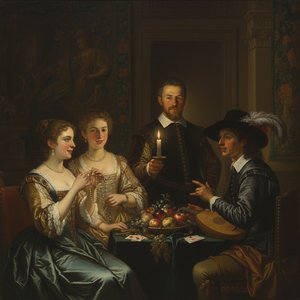
Gerard van Honthorst: Illuminating the Dutch Golden Age with Caravaggism & Courtly Grace
Explore the captivating world of Gerard van Honthorst, a Dutch Golden Age master renowned for his dramatic chiaroscuro & courtly portraits. Discover his life, art, and lasting influence on Baroque painting.

Zlatý věk nizozemského malířství: 10 mistrovských děl pro váš domov | OriginalUniqueArt.com
Prozkoumejte 10 ikonických děl nizozemského zlatého věku – Rembrandt, Vermeer a další mistři. Objevte příběhy za obrazy, techniky a inspiraci pro váš interiér s reprodukcemi nejvyšší kvality na OriginalUniqueArt.com.

Golden Age Reflections: Dutch Baroque Painting & Cultural Innovation
Explore the Dutch Golden Age of painting! Discover key artists like Vermeer & ter Borch, their innovative techniques, and the rich cultural context behind these Baroque masterpieces. Learn about collecting & appreciating this iconic art period.
