
 Náhled
 Sdílet
 Sdílet
 Podrobnosti o díle

 Stáhnout
 Podobné položky
 Rentgenové snímky
 Slideshow
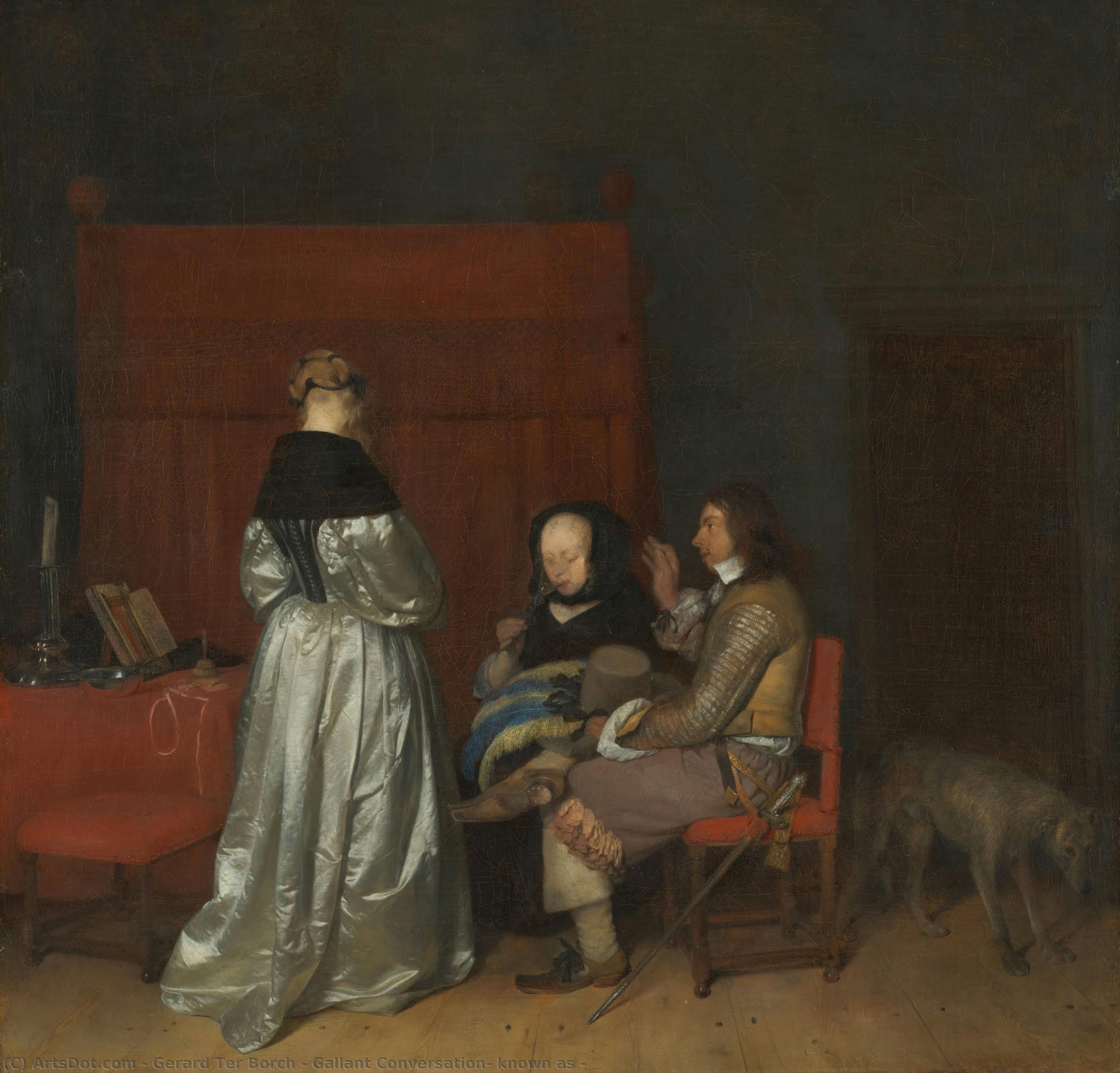
Gallant Conversation, known as
 Acrylic On Canvas
- WallArt
- Dutch Golden Age
 1655
1655 73.0 x 71.0 cm
 Rijksmuseum
 Zobrazit více
Koupě vysoce rozlišeného, vylepšeného digitálního obrazu, který je mnohem kvalitnější než online náhled.
Každý soubor je pečlivě připraven našimi odborníky pomocí pokročilých nástrojů a expertní manuální retuše. Zajišťujeme, aby každý obraz disponoval výjimečnou ostrostí, přesnou barevnou věrností a jemnými detaily.
Finální soubor vám bude do 72 hodin zaslán e-mailem, optimalizovaný pro okamžité použití v profesionálním, redakčním i tiskovém prostředí. Nabízíme stejnou kvalitu, které důvěřují špičková designová studia, nakladatelství i galerie.
Digitální obrazy
Stáhněte si soubor ve vysokém rozlišení pro osobní prohlížení, tisk a kreativní projekty. ( Koupit tisk Koupit ručně malovaný obraz)
Součást každé objednávky digitálního obrazu
Profesionální digitální doručení, zaručeno.
Když si vyberete OriginalUniqueArt.com, nezískáváte pouze obrázek – získáváte digitální umělecké dílo s profesionálně vylepšenými detaily, zpracované s precizností a podpořené zárukou za spokojenost. Zde je vše, co vaše objednávka automaticky obsahuje:

Rychlé doručení e-mailem
Váš digitální obraz ve vysokém rozlišení vám bude zaslán e-mailem do 72 hodin od objednávky – připraven k okamžitému použití.

Digitální soubor s využitím AI
Vaše umělecké dílo je profesionálně optimalizováno pomocí pokročilých nástrojů umělé inteligence a manuální úpravy, což zajišťuje maximální úroveň detailu, ostrosti a přesnosti barev.

Bezplatné doživotní znovuodeslání
Soubor jste omylem smazali nebo ztratili? Žádný problém – kdykoliv vám ho znovu zašleme zcela zdarma.

Bez poplatků za dovoz – navždy
Užijte si své umělecké dílo okamžitě bez celních poplatků, daní nebo nákladů na dopravu – digitální stažení je vždy bez daňových povinností.

Záruka přesnosti barev
Pomocí profesionálních nástrojů a správy barev zajišťujeme, aby váš digitální obraz odrážel původní barvy co nejvěrněji.

60denní záruka spokojenosti
Pokud nebudete s digitální fotografií spokojeni, provedeme její revizi nebo vám vrátíme 100% během 60 dnů – bez jakýchkoliv dotazů.

100% záruka vrácení peněz
Nespokojeni? Získejte plnou částku zpět do 60 dní od přijetí vašeho digitálního souboru – bez jakýchkoliv dotazů.

Slevy při hromadných objednávkách
Koupěte si 3 obrazy, ušetřete 10% - Koupěte si 5, ušetřete 15% - Koupěte si 10+, ušetřete 20%. Ideální pro kreativní projekty, galerie a agentury.
Popis sběratelského kusu
A Shadowed Intimacy: Unraveling Gerard ter Borch’s *Gallant Conversation*
Gerard ter Borch's *Gallant Conversation*, painted in 1655, is not merely a portrait; it’s an exquisitely rendered tableau of veiled secrets and subtle anxieties. Initially known as “The paternal admonition,” the painting quickly revealed a far more complex narrative – one that challenged viewers at the time and continues to intrigue today. It's a masterful example of Dutch Golden Age genre painting, showcasing ter Borch’s unparalleled ability to capture not just appearances but the very essence of human interaction, particularly within the confines of a private, almost clandestine setting.
The scene unfolds within a modestly furnished room, bathed in a muted red light that casts long shadows and adds an air of mystery. A young soldier, strikingly handsome yet undeniably youthful, occupies a central position, engaged in conversation with a woman of considerable elegance – likely a courtesan or prostitute. A third figure, a woman holding a glass, observes the interaction from a distance, her expression hinting at both amusement and perhaps a degree of control. The inclusion of a dog, casually observing the scene, further contributes to the feeling that this is a carefully constructed tableau, a staged moment rather than an impromptu gathering. The deliberate ambiguity surrounding the relationships – who is admonishing whom? – is precisely what makes this painting so compelling.
The Delicate Dance of Light and Shadow: Ter Borch’s Technique
Ter Borch's genius lies in his painstaking attention to detail and his revolutionary approach to light. Unlike many of his contemporaries, he eschewed the dramatic chiaroscuro favored by Rembrandt, opting instead for a subtle, almost photographic realism. He meticulously built up layers of translucent glazes, creating an astonishingly delicate surface texture that captures the sheen of silk, the gleam of metal, and the softness of skin with remarkable precision. Notice how the light catches the folds of the woman’s dress, revealing the intricate weave, or how it subtly illuminates the soldier's face, highlighting his youthful features and a hint of vulnerability. This technique wasn’t simply about realism; it was about capturing the *atmosphere* of the scene – a sense of quiet contemplation punctuated by unspoken tensions.
- Glazing Technique: Ter Borch employed countless thin layers of translucent paint, building up color and depth gradually.
- Subtle Modeling: He masterfully used light and shadow to sculpt the figures, creating a sense of volume and form without resorting to harsh contrasts.
- Attention to Texture: The meticulous rendering of fabrics, metal, and skin demonstrates his dedication to capturing the tactile qualities of the scene.
A Brothel in Disguise: Historical Context and Symbolism
The painting’s true subject matter – a clandestine meeting within a brothel – was initially met with considerable debate. The original title, “The paternal admonition,” suggested a familial setting, leading to confusion about the nature of the scene. However, clues abound that point towards a more illicit reality: the bed in the background, the table with a mirror (a common feature in such establishments), and the overall atmosphere of intimacy and veiled intent. This ambiguity reflects the social realities of 17th-century Amsterdam – a city rife with wealth, commerce, and a thriving underworld. Ter Borch’s willingness to depict this darker side of society was remarkably bold for his time.
The soldier's youth is particularly significant. He isn’t a father dispensing wisdom; he’s a young man indulging in the pleasures of the flesh, suggesting themes of youthful folly and the corrupting influence of wealth. The woman observing from afar embodies a certain power – perhaps ownership or control – while the courtesan herself represents allure and danger.
Capturing Emotion: A Portrait of Quiet Tension
*Gallant Conversation* is not a painting that shouts; it whispers. It’s a study in restraint, conveying a complex web of emotions through subtle gestures and averted glances. The figures are caught in a moment of quiet contemplation, their faces betraying a mixture of curiosity, amusement, and perhaps even apprehension. The overall effect is profoundly unsettling – a reminder that appearances can be deceiving and that beneath the surface of polite conversation often lie hidden desires and unspoken truths. This painting’s enduring power lies in its ability to evoke a sense of unease and intrigue, prompting viewers to question what they are seeing and, more importantly, what they *aren't* being told.
Biografie umělce
pionýr nizozemské žánrové malby
Gerard ter Borch, významná postava nizozemského zlatého věku, zanechal v uměleckém světě nezmazatelnou stopu svými žánrovými malbami. Narodil se v prosinci 1617 a zemřel 8. prosince 1681; Ter Borchův život byl skutečným svědectvím o jeho umělecké genialitě.mladost a vlivy
Ter Borchovy rané roky nejsou velmi dobře zdokumentovány, ale víme, že cestoval po celé Evropě, včetně Londýna, Německa, Francie, Španělska a Itálie. Tato zkušenost rozšířila jeho umělecké obzory a zásadně ovlivnila jeho jedinečný styl. Jeho sestra, Gesina ter Borch, se rovněž věnovala malířství, což dále upevnilo umělecké sklony celé rodiny.významná díla a úspěchy
- List: mistrovské dílo prokazující Ter Borchův neuvěřitelný talent zachytit texturu a hru světla.
- Galantní rozhovor: tento kus, který vyrysoval Johann Georg Wille, je dokonalým příkladem umělcovy schopnosti vyjádřit jemné a nuance emoce.
- Muž na koni (1634): rané dílo demonstrující rodící se talent Ter Borcha.
- Příchod Adriana Pauwa do Münsteru (1646): významné dílo, které zdůrazňuje vyprávěcí schopnosti umělce.
muzea a sbírky obsahující díla Ter Borcha
- Ermitáž: s šesti jeho díly se může pyšnit jednou z největších sbírek.
- Berlínské muzeum: obsahuje šest děl, která demonstrují Ter Borchův mezinárodní význam.
- Getty Center: tři jeho obrazy jsou součástí této vážené sbírky.
odkaz a dopad
Ter Borchův vliv na nizozemské malíře, jako jsou Gabriel Metsu, Gerrit Dou, Eglon van der Neer a Johannes Vermeer, je velmi dobře zdokumentován. Jeho inovativní přístup k žánrovému malířství z něj učinil klíčovou postavu v dějinách umění.- pro více informací o Ter Borchově životě a díle navštivte https://OriginalUniqueArt.com/@/gerard-ter-borch
- prozkoumejte Muzeum Boijmans van Beuningen v Rotterdamu, Nizozemsko, které obsahuje díla některých Ter Borchových současníků na https://OriginalUniqueArt.com/@@/a@d3arrk-museum-boijmans-van-beuningen-rotterdam-netherlands
- dozvěděte se více o nizozemském zlatém věku a jeho významných umělcích na https://en.wikipedia.org/wiki/dutch_golden_age

Gerard ter Borch
1617 - 1681 , Nizozemsko
Stručné informace
- Artistic Movement Or Style: Žánrová malba
- Artists Or Movements Influenced By This Artist: ['Johannes Vermeer']
- Artists Who Influenced This Artist:
- Willem Cornelisz Duyster
- Pieter Codde
- Date Of Birth: 1617
- Full Name: Gerard ter Borch
- Nationality: Nizozemský
- Notable Artworks:
- The Letter
- The Gallant Conversation
- Place Of Birth: Zwolle, Nizozemsko

