Zobrazit v interiéru
 Odeslat
 Sdílet
 Podrobnosti
 Průvodce

 Stáhnout obrázek
 Podobné kousky
 Rentgenové snímky
 Slideshow
 Statistiky
The Beggars' Brawl
 Oil On Canvas
- WallArt
- Tenebrism
 1620
1620 33.0 x 55.0 cm
 Přečíst si více
Ručně malovaná olejová reprodukce
Ručně malované olejné plátno v libovolném rozměru i s rámem, vyrobené našimi umělci na zakázku. ( Přepnout na tiskové verze Přepnout na digitální verzi obrazu)




P118B Kč10

P118H Kč10

P118W Kč10

P438Z Kč10

P508JH Kč12

P508YH Kč12

P805H Kč10

P805Z Kč10

P919BZ Kč10

P919G Kč10

P919XJ Kč10

P959ZH Kč10

P968JZ Kč12

W106C Kč8

W218G Kč10

W218JH Kč8

W218Y Kč10

W307PJ Kč10

W316G Kč10

W316PJ Kč8

W316Y Kč10

W398PJ Kč8

W4111J Kč10

W500HY Kč15

W500JH Kč15

W692G Kč12

W849H Kč8

W940BG Kč15

W953PJ Kč8




Vyberte si z našich přednastavených velikostí, které odpovídají původním proporcím díla.

Zadejte šířku a výšku, které potřebujete pro váš rám nebo stěnu. Protože se jedná o ruční malbu, při výběru jiného formátu může umělec kolem obrazu domalovat o něco více, nebo jej mírně oříznout — rozhodnete si vy. Před zahájením malby vám zašleme digitální náhled ke schválení. Obraz zobrazený na této stránce neodpovídá skutečnému výsledku — pouze digitální náhled jej zobrazuje.
Po přijetí objednávky vám tým OriginalUniqueArt.com zašle e-mail s pokyny a poskytne náhledovou verzi.
Celosvětová doprava () za 3–4 týdny namísto standardních 5 týdnů. (23 říjen). Bez kompromisů v kvalitě.

Zdarma celosvětová expresní doprava

Vysoce kvalitní lněné plátno

Úplné pojištění přepravy

Záruka vrácení celního poplatku

Záruka věrného barevného shodu

100dení lhůta pro vrácení zboží (pouze při vadách výroby)

100% garance vrácení peněz

Sleva při více objednávkách
 Skleněná varianta je dostupná pouze u rozměrů menších než 110 cm

The Beggars' Brawl
Technika provedení
Velikost reprodukce
-


Celková cena
Kč 6434
A Shadowed Tableau: Unveiling Georges de la Tour’s ‘The Beggars’ Brawl’
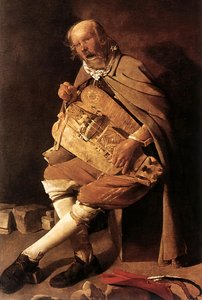
Georges de la Tour’s “The Beggars’ Brawl,” painted in 1620, isn't merely a depiction of a street scene; it’s a meticulously crafted exploration of human nature bathed in the dramatic chiaroscuro that defined his signature style. This intimate canvas, measuring just 33 x 55 cm, transports us to a dimly lit corner of 17th-century Lorraine, a world where poverty and desperation simmer beneath a veneer of uneasy truce. The painting immediately arrests the eye with its masterful use of light – a single, almost theatrical lantern illuminating the central figures while plunging the surrounding space into deep shadow. This technique, characteristic of Tenebrism, isn’t simply an aesthetic choice; it serves to heighten the drama and focus our attention on the intense interaction unfolding before us.

A Study in Human Condition: Symbolism and Narrative
At the heart of the scene stands a man, identifiable by his prominent beard and animated gestures, holding what appears to be an object – perhaps a coin or a piece of food – that fuels the dispute. His face is etched with a mixture of anger and desperation, mirroring the expressions of those around him. The other figures—a collection of beggars, their clothing ragged and worn—are caught in a moment of intense confrontation. The bowl on the right side of the painting isn’t just a prop; it suggests a shared hardship, a communal reliance on meager resources. It speaks to a society where survival was often precarious, and even the simplest interactions could escalate into conflict. The inclusion of a drum-beater further emphasizes the chaotic nature of the gathering – a signal for attention, perhaps a call to action or simply a desperate attempt to draw sympathy.
The Master’s Technique: Chiaroscuro and Baroque Realism
Georges de la Tour was a master of light and shadow, meticulously rendering textures and forms with an almost photographic realism. He achieved this through painstaking layering of thin glazes of oil paint, building up the image gradually to create a sense of depth and volume. Notice how he captures the sheen of wet clothing, the roughness of weathered skin, and the subtle folds in the fabric. His use of color is restrained – predominantly browns, ochres, and blacks—further enhancing the dramatic effect. De la Tour’s work represents a departure from the idealized representations common in earlier Renaissance art; instead, he presents a raw and unflinching portrayal of everyday life, capturing not just appearances but also the underlying emotions and tensions of his subjects.
Historical Context: Lorraine in Transition
“The Beggars’ Brawl” was painted during a period of significant social and political upheaval in France. The Duchy of Lorraine, then under French control, experienced a complex interplay of religious fervor, economic hardship, and political instability. De la Tour's work reflects this atmosphere, offering a glimpse into the lives of those marginalized by society – the poor, the dispossessed, and the forgotten. The painting’s setting in Lunévi, a small town within Lorraine, adds to its authenticity, grounding the scene in a specific time and place. It’s important to note that de la Tour's artistic career unfolded largely outside of Paris, allowing him to develop a distinct style influenced by both Northern European traditions (particularly the Dutch Caravaggisti) and the spiritual intensity of his own region.
Bringing ‘The Beggars’ Brawl’ Home: A Reproduction for Your Space
OriginalUniqueArt offers meticulously crafted hand-painted reproductions of “The Beggars’ Brawl,” allowing you to experience the power and beauty of de la Tour's masterpiece in your own home. Our skilled artists replicate every detail, from the subtle nuances of light and shadow to the expressive faces of the figures, ensuring an authentic representation of this iconic work. Available in a range of sizes and mediums – including fine art prints on premium canvas or archival paper – our reproductions provide a stunning addition to any collection. Explore our selection today and bring the drama and emotional depth of “The Beggars’ Brawl” into your space.
Otázky a odpovědi
Jakou saturaci a intenzitu vykazuje „The Beggars' Brawl“ od Georges de La Tour?
Barvy díla „The Beggars' Brawl“ od Georges de La Tour vykazují Balanced Soft saturaci s Balanced intenzitou.
Mohu využít rozšířenou realitu k tomu, abych si prohlédl(a) „The Beggars' Brawl“ od Georges de La Tour ve své místnosti?
Dílo „The Beggars' Brawl“ nabízí náhled v rozšířené realitě: na stránce Náhled v AR si jej můžete prohlédnout ve vlastním prostoru pomocí kompatibilního zařízení.
Z čeho je dílo "The Beggars' Brawl" vyrobeno a v jakém je stylu?
„The Beggars' Brawl“ je vytvořeno v technice Oil On Canvas v rámci směru Tenebrism.
Biografie umělce
A Life Bathed in Shadow: The Enigmatic World of Georges de La Tour
Georges de La Tour, jméno, které rezonuje s tišejším úctou, kterou si zaslouží mistři světla a stínu, zůstává jedním z nejzajímavějších postav francouzského baroka. Narodil se v roce 1593 ve Vic-sur-Seille, malé vesnici ukryté v Lotrinsku, jeho život se rozvíjel proti pozadí náboženské vášně a politických nepokojů. I když detaily o jeho raném vzdělávání zůstávají částečně záhadné – odborníci spekulují o možných cestách do Itálie nebo učebních dobách u místních umělců, jako byl Jacques Bellange – semínka jeho umělecké vize byly jistě zasety v tomto prostředí. Nebyl narozen z rodiny umělců; jeho otec byl pekař, ale okolnosti jeho matčiny linie naznačují možnou spojenost s šlechtou, jemný vliv, který se může odrážet v úctě a klidné graci, které pronikají jeho dílem. V roce 1617 se oženil s Dianou Le Nerf, čímž založil stabilní život v Lunéville, kde strávil většinu své kariéry sloužíc francouzskému dvoru i lotrinským vévodům. Tento dvojí mecenášství mu umožnilo rozkvétat, přestože se jeho pravá genialita projevila v intimitě domácích scén a náboženské kontemplace.The Dance of Light and Shadow: Artistic Influences and Development
De La Tourův umělecký putování nebylo radikální inovací, ale spíše mistrovskou syntézou existujících vlivů, transformovanou skrze lupu svého jedinečného citu. Dramatický chiaroscuro – ostrý kontrast mezi světlem a tmou – který definuje jeho obrazy, je bezesporu dlužen Caravaggiovi, italskému mistru, který revoluci v malířství způsobil intenzívním realistickým a emocionálně nabitým vyobrazením. Nicméně De La Tour nevymodeloval jen kopie; filtroval karavaggiovský styl skrze brýle Utrechtské školy, zejména těch z Nizozemska, jako Hendrick Terbrugghen. Tato fúze vedla k stylu, který byl jak mocný, tak restriktivní, charakterizovaný tlumenou paletou dominující zemním tónům a jemnými gradacemi světla. Jeho raná díla, před rokem 1630, vykazují větší vitalitu a dynamiku, odrážející vliv Utrechtské školy. Ale jak jeho kariéra postupovala, začal se přibližovat stále více introspektivnímu a minimalistickému estetice. Začal zjednodušovat kompozice, soustředil se na esenciální tvary a redukoval vedlejší detaily, vytvářel scény, které působily jak časově neutrálně, tak hluboce osobní. Tato evoluce nebyla jen technická; byla to odraz jeho rostoucí duchovní hloubky a touhy vyjádřit hluboké emocionální pravdy nejjednoduššími prostředky.Candlelight and Contemplation: Major Works and Recurring Themes
Klíčem k De La Tourově dílu je bezpochyby jeho mistrovské používání svíček, které použil nejen jako zdroj osvětlení, ale také jako metaforu božského laskavosti a duchovní probuzení. Jeho obrazy jsou často zaseté v noci, s postavami osvětlenými teplým, mihotajícím světlem jedné svíce nebo lampy. To vytváří atmosféru intimity a klidné kontemplace, vtahuje diváka do scény a vybízí ho k sdílení emocionálního zážitku subjektů. Fortune-Teller, namalovaný kolem roku 1630, je tento raný styl – živá žánrová scéna vykreslená ostrým pozorováním a dramatickým osvětlením. Ale i jeho pozdější náboženská díla ukazuje jeho schopnost obdařit tradiční téma hlubokým emocionálním vyjádřením. Adoration of the Shepherds, vytvořený kolem roku 1640, demonstruje jeho schopnost vnést do běžných lidí hluboké duchovní poselství. Postavy nejsou idealizované ani hrdinské; jsou to obyčejní lidé, pokorní přítomnosti božské. Tears of Saint Peter, namalovaný v 60. letech, je zvláště patetickým příkladem jeho psychologického porozumění – apoštolův smutek je vykreslen s hlubokou subtilitou a realitou. Saint Joseph the Carpenter, další ikonický obraz, zobrazuje klidnou domácí scénu, zdůrazňuje De La Tourovu mistrovskou práci při zachycení klidné důstojnosti každodenního života. Tato díla nejsou jen vyobrazení náboženských událostí; jsou to meditace o víře, pochybách a lidské podstatě.Historical Significance and Enduring Appeal
Přestože dosáhl uznání během svého života – byl jmenován „Malířem krále“ Ludvíkem XIII. v roce 1638 – bylo jeho dílo po smrti v roce 1652 relativně zapomenuto. Po staletí byly mnohé z jeho obrazů přisuzovány jiným umělcům a jeho jméno zmizelo z historických záznamů o umění, dokud se na počátku 20. století neuskutečnila souborná snaha znovuobjevit a znovu vyhodnotit jeho dílo, kterou vedli odborníci jako Hermann Voss. Tento objev odhalil umělce s mimořádnou originalitou a hloubkou, jehož dílo propojovalo karavaggiovský styl s francouzským klasicismem. De La Tourův inovativní přístup k světlu a stínu, v kombinaci s jeho psychologickým porozuměním subjektům, stále fascinuje publikum dnes. Jeho obrazy nabízejí pohled do života a spirituality 17. století, odrážejí jak náboženskou vášni, tak sociální realitu doby. *Jeho vliv lze sledovat v pozdějších umělcích, kteří prozkoumalí podobné témata introspekce a duchovní touhy*, čímž si zajistil své místo v historii evropského umění.
Georges de La Tour
1593 - 1652 , Francie
Rychlé informace
- Artistic Movement Or Style: Baroko, Tenebrismus
- Artists Or Movements Influenced By This Artist:
- Francouzská klas.
- Caravaggism
- Artists Who Influenced This Artist:
- Caravaggio
- Terbrugghen
- Date Of Birth: 13. března 1593
- Date Of Death: 30. ledna 1652
- Full Name: Georges de La Tour
- Nationality: Francouzský
- Notable Artworks:
- Fortune Teller
- Ador.
- Svat. Petr
- Place Of Birth: Vic-le-Comte, Francie
Související články

Francisco Goya: 25 mistrovských děl španělského génia | OriginalUniqueArt.cz
Prozkoumejte 25 ikonických děl Francisca Goyi – od romantických portrétů po temné tiskoviny. Objevte příběhy, techniky a umělecký význam španělského mistra na OriginalUniqueArt.cz. Reprodukce obrazů pro váš interiér.
Georges de La Tour: Luminosity, Spirituality & Realism in Baroque Painting
Discover the captivating world of Georges de La Tour, a Baroque master renowned for his dramatic chiaroscuro & spiritual realism. Explore key works, influences, and his remarkable rediscovery. Learn more at OriginalUniqueArt.

Georges Braque: 25 mistrovských děl kubismu a revoluce v umění | OriginalUniqueArt.cz
Prozkoumejte 25 ikonických děl Georges Braque, průkopníka kubismu. Objevte příběhy za obrazy, techniky a inspiraci tohoto francouzského mistra. Reprodukce obrazů v nejvyšší kvalitě na OriginalUniqueArt.com.

Maurice Quentin de La Tour: Light, Shadow & the Rococo Portrait
Explore the captivating world of Maurice Quentin de La Tour, a master of Rococo portraiture. Discover his innovative pastel techniques, intimate depictions of French aristocracy, and lasting artistic legacy. Learn more at OriginalUniqueArt.

Georges Seurat: 25 mistrovských děl a revoluce bodové techniky | OriginalUniqueArt
Prozkoumejte 25 ikonických děl Georges Seurata – průkopníka impresionismu a bodové techniky. Objevte příběhy za slavnými obrazy, barevnou teorii a inspirujte se pro váš interiér s reprodukcemi nejvyšší kvality na OriginalUniqueArt.com.