Analytical Cubism · 1929
The Round Table (Georges Braque, 1929)
Georges Braque (1882–1963) vytvořil dílo The Round Table. Pochází z roku 1929. Patří k hnutí Analytical Cubism. Je vyrobeno z Acrylic. Rozměry jsou 144 × 114 cm.
- 1929
- Acrylic
- 144 × 114 cm

 Náhled v interiéru

 Ručně malovaná olejná reprodukce
 Sdílet
 Sdílet
 Informační list


 Stáhnout
 Podobné položky
 Rentgenové snímky
 Slideshow
 Otázky a odpovědi

 Statistiky
The Round Table v kostce
- Název díla
- The Round Table
- Autor
- Georges Braque (1882–1963)
- Rok narození umělce
- Argenteuil, Francie
- Datum vytvoření
- 1929
- Technika
- Acrylic
- Rozměry
- 144 × 114 cm
- Pohyb
- Analytical Cubism
- Motiv
- bookshelf composition, table setting, fruit symbolism, geometric forms, artist's gesture, spatial illusion
Co przedstawuje dílo The Round Table?
Georges Braque’s “The Round Table”: A Dialogue Between Tradition and Innovation
- Subject Matter and Composition:
- Cubist Style and Technique:
- Historical Context – The Birth of Cubism:
- Symbolic Resonance – Apples, Books, and Spatial Illusion:
- Emotional Impact – Quiet Contemplation and Artistic Exploration
Cubist Style and Technique
Braque, alongside Pablo Picasso, spearheaded the development of Analytical Cubism, characterized by its radical fragmentation of form and simultaneous depiction of multiple viewpoints. Unlike Impressionists who sought to capture fleeting moments of light and color, Cubists aimed to represent objects as they appear to the eye when viewed from various angles simultaneously. In “The Round Table,” this is achieved through meticulous geometric reduction—the table surface and books are broken down into interlocking planes that overlap and intersect, creating a disconcerting yet captivating illusion of depth. The artist’s use of muted earthy tones – browns, ochres, and creams – reinforces the sense of stillness and contemplation inherent in the scene. Careful layering of paint contributes to textural richness without resorting to overtly expressive brushstrokes; Braque prioritizes precision and intellectual rigor over emotive gesture.Historical Context – The Birth of Cubism
The genesis of Cubism can be traced back to Picasso’s groundbreaking “Les Demoiselles d'Avignon” (1907), which shattered established artistic norms by depicting figures rendered in fractured planes and incorporating influences from African sculpture. Braque responded swiftly, furthering the exploration of spatial ambiguity and geometric abstraction. The painting emerged during a period of intense intellectual ferment—the burgeoning influence of Einstein’s theory of relativity challenged Newtonian conceptions of space and time, mirroring the Cubists' desire to dismantle traditional perspectival representations. This artistic rebellion was fueled by a broader cultural shift toward questioning accepted truths and embracing new modes of perception.Symbolic Resonance – Apples, Books, and Spatial Illusion
The inclusion of an apple—a motif frequently revisited in Surrealist art—introduces a subtle element of visual paradox. Traditionally associated with knowledge, temptation, and immortality, the apple’s placement on the table subtly disrupts the geometric order established by Braque's technique. Simultaneously, the books symbolize intellectual pursuit and contemplation – mirroring the figure’s posture and gaze. More importantly, the overall spatial arrangement contributes to a feeling of disorientation—the viewer is invited to consider multiple perspectives simultaneously, reflecting the Cubist preoccupation with challenging conventional visual experience. The careful positioning of objects reinforces the idea that reality itself is multifaceted and elusive.Emotional Impact – Quiet Contemplation and Artistic Exploration
Ultimately, “The Round Table” transcends mere formal innovation; it communicates a profound sense of quiet contemplation. Despite its complex geometric structure, the painting exudes an atmosphere of stillness—suggesting a moment of introspection rather than dramatic action. Braque’s masterful control over color and texture invites viewers to engage in a dialogue with the artwork itself, prompting reflection on themes of knowledge, perception, and artistic endeavor. It stands as a testament to Braque's ability to distill complex ideas into a deceptively simple visual form—a lasting legacy of Cubist artistry that continues to inspire admiration and contemplation today.Vysokorozlišené fotografie díla The Round Table
Protected by copyright: these files are for personal reference, not a licence to republish.
Georges Braque, The Round Table (1929).
Odpovědi na otázky k dílu The Round Table
V jakém roce bylo vytvořeno dílo „The Round Table“ od Georges Braque?
Dílo "The Round Table" pochází z roku 1929. Toto datum situuje dílo do období tvůrčí činnosti Georges Braque i do jeho dobové kontextu.
V jaké technice je vytvořeno dílo „The Round Table“ od Georges Braque?
„The Round Table“ je dílo vytvořené v technice Acrylic.
Jaké jsou rozměry originálu díla „The Round Table“ od Georges Braque?
Zaznamenané rozměry díla „The Round Table“ od Georges Braque jsou 144 x 114 cm. Reprodukce lze objednat v jiných velikostech při zachování stejných proporcí.
Co zachycuje dílo "The Round Table"?
Témata obsažená v díle „The Round Table“ od Georges Braque zahrnují bookshelf composition, table setting, fruit symbolism, geometric forms, artist's gesture, spatial illusion, color palette. Tato témata společně shrnují obsah celého uměleckého díla.
Patří „The Round Table“ od Georges Braque do volného tisku?
Dílo „The Round Table“ od Georges Braque spadá do stále chráněno autorským právem. Tento stav určuje pravidla pro reprodukci obrazu tohoto díla.
K kterému umělci je dílo "The Round Table" připisováno?
Dílo "The Round Table" vytvořil/a Georges Braque. Informace na této stránce popisují originální dílo umělce Georges Braque.
K jakému stylu patří „The Round Table“?
Umělecký směr, ke kterému patří dílo „The Round Table“ od Georges Braque, je Analytical Cubism. Tato klasifikace toto dílo umísťuje mezi související umělce a další umělecká díla.
Do které období tvorby Georges Braque patří dílo „The Round Table“?
V rámci kariéry umělce Georges Braque spadá dílo „The Round Table“ do období Analytical Cubism. Tato fáze umožňuje jeho srovnání s dalšími díly tohoto umělce.
V jakém věku vytvořil/a Georges Braque dílo „The Round Table"?
Georges Braque vytvořil/a dílo „The Round Table“ v возрасте 47 let. Umělec se narodil/a v 1882 a dílo je datováno na 1929.
O umělci, Georges Braque
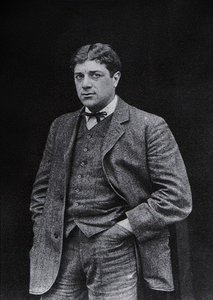
1882–1963, Francie
Georges Braque
Raný život, rodina a vzdělání Georges Braque se narodil v roce 1882 ve francouzském Argenteuili. Jeho první roky života uplynuly ve Le Havru, v domácnosti, kterou definovaly praktické aspekty dekorace a práce s barvami. Vyrostl v rodině malířů a dekoračních řemeslníků, což ho již od útlulí ponořilo do hmatatelné reality jeho řemesla. Toto výchovné prostředí mu poskytlo pevný základ technické zručnosti a řemeslné preciznosti, které později zásadně ovlivnily jeho přístup k plátnu.
Také od autora Georges Braque
 Mandolina1910
 Muž s kytarou1914
 Domy v L’estaquu
 Harbor v Normansku1909
Eseje k tématu The Round Table
 Mastering Cubism: The Top 25 Georges Braque ArtworksJourney through the revolutionary world of Georges Braque. Explore 25 iconic Cubist masterpieces, from geometric abstractions to timeless s…
 Deconstructing Reality: Cubism's Revolutionary Impact on 20th-Century ArtExplore the revolutionary world of Cubism with OriginalUniqueArt. Discover Picasso & Braque's groundbreaking techniques, its philosophical …
 Understanding the Difference Between Analytical and Synthetic CubismMaster the differences between Analytical and Synthetic Cubism with our expert guide. Learn to identify these iconic art movements now.