Cubist Fauvism
tenora (Georges Braque)
Georges Braque (1882–1963) vytvořil dílo tenora. Patří k hnutí Cubist Fauvism. Je vyrobeno z Mixed Media.
- Mixed Media

 Náhled v interiéru

 Ručně malovaná olejná reprodukce
 Sdílet
 Sdílet
 Informační list


 Stáhnout
 Podobné položky
 Rentgenové snímky
 Slideshow
 Otázky a odpovědi

 Statistiky
tenora v kostce
- Název díla
- tenora
- Autor
- Georges Braque (1882–1963)
- Rok narození umělce
- Argenteuil, Francie
- Technika
- Mixed Media
- Pohyb
- Cubist Fauvism
- Období
- Modern
- Motiv
- painting, paper, frame, texture, composition, abstraction
Co przedstawuje dílo tenora?
A Symphony of Texture and Silence
In the quiet realm of Georges Braque’s "Tenora," we encounter a masterpiece that defies the immediate expectations of the eye. At first glance, the composition presents a deceptive simplicity, a monochrome meditation that seems to strip away the distractions of the physical world. Yet, beneath this austere surface lies a profound exploration of texture and presence. The work functions as a tactile landscape, where the absence of vibrant color allows the viewer to focus entirely on the rhythmic dance of light across heavy, sculptural brushstrokes. It is an invitation to slow down, to move past the superficial, and to engage with the very materiality of paint itself. For the discerning collector or interior designer, this piece offers a sophisticated anchor—a work of quiet intensity that commands attention through its subtle complexity rather than through loud, competing hues.
The technique employed in "Tenora" is nothing short of visceral. Braque utilizes a thick impasto, applying layers of pigment so substantial that they create palpable ridges and valleys upon the canvas. This method transforms the painting from a mere two-dimensional image into a three-dimensional object, where shadows are cast by the paint itself. This interplay of light and shadow is further heightened by the artist's mastery of grayscale, creating a range of tones that feel both weighty and ethereal. The surface becomes a topographical map of the artist's creative struggle, capturing the energy of every stroke and the deliberate placement of every layer. Such textural depth makes a high-quality reproduction particularly rewarding, as it allows the play of ambient light in a room to interact with the simulated relief of the brushwork.
The Echoes of Fauvism and the Birth of Modernity
To understand "Tenora," one must look back to the radical shifts occurring in the French avant-garde at the turn of the 20th century. While Braque would later become a titan of Cubism, this work resonates with the lingering spirit of Fauvism. During this era, artists sought to liberate color from its descriptive duties, using it instead as a direct conduit for emotion. In "Tenora," even within a restricted palette, we feel that same expressive rebellion. The painting does not seek to mirror a recognizable object with photographic accuracy; rather, it seeks to capture the essence of a moment. There is a historical weight to this piece, as it sits at the crossroads of tradition and revolution, embodying the transition from the atmospheric preoccupations of Impressionism to the structural, intellectual rigor of the modern age.
The title itself, referencing the tenora—a traditional Catalan woodwind instrument—adds a layer of haunting symbolism. Though the instrument may not be explicitly rendered in a naturalistic fashion, its presence is felt through the rhythmic, melodic quality of the composition. The painting becomes a visual music, where the thick strokes act as notes and the tonal shifts serve as crescendos and decrescendos. This connection to folk tradition and auditory sensation imbues the work with a soulful, human element that balances its intellectual complexity. For those looking to infuse a space with culture and depth, "Tenora" provides more than just decoration; it offers a window into a pivotal moment of human expression, making it an enduring choice for any curated collection.
Vysokorozlišené fotografie díla tenora

Chráněno autorským právem: obrázek je uveden pouze pro ilustrační účely.
Další velikosti, výřezy a citace →Georges Braque, tenora.
Odpovědi na otázky k dílu tenora
V jaké technice je vytvořeno dílo „tenora“ od Georges Braque?
Technikou díla „tenora“ od Georges Braque je Mixed Media. Reprodukce mají za cíl věrně zachytit vzhled této techniky.
Jaká témata se objevují v díle „tenora“ od Georges Braque?
Témata obsažená v díle „tenora“ od Georges Braque zahrnují painting, paper, frame, texture, composition, abstraction, geometric. Tato témata společně shrnují obsah celého uměleckého díla.
Patří „tenora“ od Georges Braque do volného tisku?
Dílo „tenora“ od Georges Braque spadá do stále chráněno autorským právem. Tento stav určuje pravidla pro reprodukci obrazu tohoto díla.
K kterému umělci je dílo "tenora" připisováno?
Autorem díla „tenora“ je Georges Braque. Práce je v katalogu uvedena pod jménem Georges Braque.
K kterému uměleckému směru patří „tenora“ od Georges Braque?
Dílo „tenora“ od Georges Braque patří k období směru Cubist Fauvism, který dílu dodává jeho stylistický kontext.
Do jaké fáze tvůrčího rozvoje Georges Braque patří dílo „tenora“?
„tenora“ představuje období Mature Period umělce Georges Braque.
Proč má dílo „tenora“ právě takový autorský status?
Autorskoprávní status díla „tenora“ – stále chráněno autorským právem – vyplývá ze smrti umělce v roce 1963.
Jakým způsobem se dílo „tenora“ zapojuje do témat a stylu umělce Georges Braque?
„tenora“ patří k dílu Georges Braque v rámci směru Cubist Fauvism, jehož typická témata zahrnují fauvist expressionism, formal experimentation, analytical cubism, avant-garde tradition, iconic representation.
Jakým způsobem se motiv díla „tenora“ vztahuje k obvyklým tématům umělce Georges Braque?
Mezi opakující se témata umělce Georges Braque patří fauvist expressionism, formal experimentation, analytical cubism, avant-garde tradition, iconic representation; dílo „tenora“ se zaměřuje na painting, paper, frame, texture, composition, abstraction, geometric.
O umělci, Georges Braque
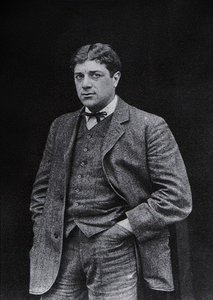
1882–1963, Francie
Georges Braque
Raný život, rodina a vzdělání Georges Braque se narodil v roce 1882 ve francouzském Argenteuili. Jeho první roky života uplynuly ve Le Havru, v domácnosti, kterou definovaly praktické aspekty dekorace a práce s barvami. Vyrostl v rodině malířů a dekoračních řemeslníků, což ho již od útlulí ponořilo do hmatatelné reality jeho řemesla. Toto výchovné prostředí mu poskytlo pevný základ technické zručnosti a řemeslné preciznosti, které později zásadně ovlivnily jeho přístup k plátnu.
Také od autora Georges Braque
 Mandolina1910
 Muž s kytarou1914
 Domy v L’estaquu
 Harbor v Normansku1909
Eseje k tématu tenora
 Quietude on Canvas: Examining Serenity in Classical LandscapesExplore how masters like Dürer and Corot capture profound stillness through landscape. Discover the art of visual tranquility today.
 Georges Braque: 25 mistrovských děl kubismu a revoluce v umění | OriginalUniqueArt.czProzkoumejte 25 ikonických děl Georges Braque, průkopníka kubismu. Objevte příběhy za obrazy, techniky a inspiraci tohoto francouzského mis…
 Georges Braque: The Architect of Form and the Soul of Cubist RevolutionExplore the profound legacy of Georges Braque, a master of Cubism. Discover how his technical craftsmanship and collaboration with Picasso …