

 Zobrazit v interiéru
 Odeslat
 Sdílet
 Podrobnosti
 Průvodce

 Stáhnout obrázek
 Podobné kousky
 Rentgenové snímky
 Slideshow
 Statistiky
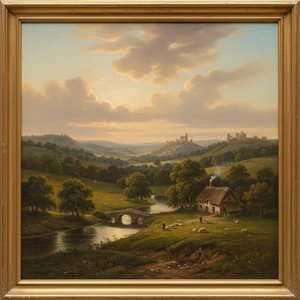
Broughton Castle, Lancashire
 Romanticism
 1815
1815 28.0 x 44.0 cm
 New Walk Museum - Art Gallery
 Přečíst si více
Giclée / Umělecký tisk
Giclée nebo plátěný tisk muzeální kvality s rychlou výrobou a širokou nabídkou povrchových úprav. ( Objednat ručně malovanou reprodukci Přepnout na digitální verzi obrazu)




































Vyberte si z našich přednastavených velikostí, které odpovídají původním proporcím díla.

Můžete zadat vlastní rozměry tak, aby výtvor odpovídal konkrétnímu rámu nebo prostoru. Pokud zvolená velikost nebude odpovídat poměru stran původního obrazu, dílo buď ořížeme, nebo obraz rozšíříme pomocí zrcadlového efektu či jednobarevného okraje. Před zahájením výroby vám bude zaslán digitální náhled k schválení.
Mějte prosím na paměti, že náhled na obrazovce neodráží skutečné oříznutí nebo rozšíření. Pouze digitální náhled přesně zobrazí finální kompozici.
Ačkoliv jsou k dispozici i vlastní rozměry, pro zachování původních proporcí doporučujeme vybrat si rozměr z předdefinovaného seznamu.
Celosvětové doručení () do 2 týdnů namísto standardních 4/5 týdnů. (25 září)

Zdarma celosvětová expresní doprava

Vysoce kvalitní lněné plátno

Úplné pojištění přepravy

Záruka vrácení celního poplatku

Záruka věrného barevného shodu

100dení lhůta pro vrácení zboží (pouze při vadách výroby)

100% garance vrácení peněz

Sleva při více objednávkách
 Skleněná varianta je dostupná pouze u rozměrů menších než 110 cm

Broughton Castle, Lancashire
Giclée / Umělecký tisk
Velikost reprodukce
-


Celková cena
$ 80
The Artist and His Style
George Howland Beaumont was a British art patron and amateur painter, known for his beautiful landscapes. His style is characterized by attention to detail and a deep understanding of light and color. As an artist, he was influenced by the Old Masters, and his collection included works by Claude Lorrain, among others.The Painting
Broughton Castle, Lancashire is a serene and peaceful depiction of the castle and its surroundings. The painting features the castle situated on top of a hill, surrounded by trees and with several people scattered throughout the scene. Two horses are also visible, adding to the sense of tranquility. The overall atmosphere of the painting suggests a beautiful day at Broughton Castle, with people enjoying the outdoors.Reproductions and Collections
For art lovers who want to own a piece of history, OriginalUniqueArt.com offers handmade oil painting reproductions of Broughton Castle, Lancashire. These reproductions are created using high-quality materials and techniques, ensuring that they are both beautiful and durable. You can also explore other works by George Howland Beaumont on OriginalUniqueArt.com.- Discover more about George Howland Beaumont and his art on Wikipedia.
- Explore the collection of the New Walk Museum - Art Gallery and other museums on OriginalUniqueArt.com.
The painting Broughton Castle, Lancashire by George Howland Beaumont is a must-see for anyone who loves English landscape art. With its beautiful depiction of the castle and its surroundings, it is a true masterpiece that continues to inspire art lovers today.
Biografie umělce
A Life Dedicated to Art: The Svět George Howlanda Beaumonta
Sir George Howland Beaumont, born in 1753 amidst the tranquil Essex countryside of Great Dunmow, was a figure whose life embodied the evolving tastes and passions of late 18th and early 19th-century Britain. Inheriting both a baronetcy and an estate at a young age, Beaumont’s path wasn't immediately destined for artistic pursuits. However, his education at Eton College included initial training in landscape painting under Alexander Cozens, sparking a lifelong fascination with the visual arts—a fascination that would define his entire existence. This early exposure served as merely a prelude to the transformative experience of the Grand Tour undertaken in 1782 alongside his wife, Margaret. Italy and its rich artistic heritage proved pivotal; Beaumont’s eyes were opened to the masterpieces of the Old Masters, igniting within him not only an appreciation but also a fervent desire to collect and understand these works—a passion that would fuel his lifelong endeavors. This journey laid the foundation for a life dedicated to art—both as a discerning collector and a committed, though often self-critical, painter.Cultivating Taste: Collection, Patronage, and Artistic Development
Upon his return to England, Beaumont embarked on building an impressive collection of Old Master paintings, driven by genuine emotion despite limited financial resources. Central to this collection was Claude Lorrain’s *A Landscape with Hagar and the Angel*, a painting that became deeply cherished and representative of Beaumont's aesthetic ideals—a piece he would frequently take with him during his travels and which profoundly influenced his friend John Constable. He wasn’t merely acquiring objects; he was assembling a visual library, a testament to his evolving understanding of artistic excellence. Simultaneously, Beaumont began exhibiting his own work at the Royal Academy from 1794 to 1825, establishing himself as a respected amateur within London’s art circles—a recognition that underscored his dedication to furthering artistic discourse and promoting British talent. His social life flourished alongside his artistic endeavors, centered around his residence at 34 Grosvenor Square and a period serving as Tory MP for Beer Alston (1790-1796)—positions that allowed him to engage actively in shaping national policy while nurturing his passion for the visual arts. Beaumont’s artistic style was heavily influenced by Alexander Cozens, Richard Wilson, and Thomas Hearne—artists who championed Romanticism and whose techniques he diligently studied throughout his life. Notable examples of his own paintings include *View near Keswick* (1779), a landscape that captures the sublime beauty of the Lake District—a scene Constable would later revisit and immortalize in his celebrated painting, *The Haystacks*.A Patron of Genius: Supporting John Constable
Beaumont’s generosity extended beyond his own artistic pursuits; he actively fostered the careers of younger artists by welcoming them to study his collection and commissioning works from them. Perhaps most notably, he befriended John Constable—a fellow landscape painter who shared Beaumont's admiration for Cozens and Wilson—and encouraged him to explore the expressive potential of color and texture. One particular visit resulted in Constable’s lyrical depiction of *The Cenotaph to Memory of Sir Joshua Reynolds*, erected in the grounds at Coleorton Hall—Beaumont’s estate—a poignant tribute to Reynolds and a testament to Beaumont's discerning eye for artistic merit. This relationship exemplifies Beaumont’s belief in nurturing talent and promoting innovation within the British art world—a conviction that resonated throughout his lifetime.The Founding of Britain’s National Gallery
Beaumont’s contribution to British cultural heritage reached its zenith with his instrumental role in establishing the National Gallery—a landmark achievement that cemented his legacy as a visionary benefactor and champion of artistic excellence. Recognizing the urgent need for a public institution dedicated to showcasing Old Master paintings, he spearheaded an ambitious fundraising campaign in 1823—a bold initiative driven by his conviction that art should be accessible to all citizens. Beaumont pledged his personal collection of sixteen paintings on condition that the government acquire John Julius Angerstein’s holdings and secure suitable premises—a stipulation that proved decisive in securing governmental support for the gallery’s creation. This act wasn't merely philanthropy; it was an embodiment of Beaumont’s profound belief in art’s transformative power and its importance to fostering national identity—a conviction that continues to inspire admiration and scholarly inquiry today.Beaumont’s Legacy: An Enduring Influence
Sir George Howland Beaumont passed away in 1827, leaving behind a legacy that extends far beyond his own artistic creations—though he himself produced only a handful of paintings. Nevertheless, his unwavering dedication to collecting Old Masters profoundly enriched the British art landscape and established him as one of the foremost connoisseurs of his time. Furthermore, his patronage of artists like Constable ensured the continuation of Romantic ideals and fostered a new generation of talent—a testament to Beaumont’s enduring influence on British artistic culture. His name remains synonymous with generosity, discernment, and an unwavering commitment to preserving our shared artistic heritage—a figure whose life exemplifies the transformative power of passion and purpose in shaping history.
George Howland Beaumont
1753 - 1827 , Spojené království
Rychlé informace
- Artistic Movement Or Style: Romanticism
- Artists Or Movements Influenced By This Artist: ['John Constable']
- Artists Who Influenced This Artist:
- Richard Wilson
- Thomas Hearne
- Date Of Birth: 1753
- Date Of Death: 1827
- Full Name: George Howland Beaumont
- Nationality: British
- Notable Artworks:
- A Landscape with Hagar and the Angel
- Coleorton Hall
- Place Of Birth: Dunmow, United Kingdom
Související články

Georges Braque: 25 mistrovských děl kubismu a revoluce v umění | OriginalUniqueArt.cz
Prozkoumejte 25 ikonických děl Georges Braque, průkopníka kubismu. Objevte příběhy za obrazy, techniky a inspiraci tohoto francouzského mistra. Reprodukce obrazů v nejvyšší kvalitě na OriginalUniqueArt.com.

Sir George Clausen: Capturing Edwardian Life & British Impressionism's Nuances
Explore the luminous world of Sir George Clausen, a leading British Impressionist painter. Discover his captivating scenes of Edwardian life, rural England & poignant war art. Learn about his legacy and find high-quality reproductions at OriginalUniqueArt.

Georges Seurat: 25 mistrovských děl a revoluce bodové techniky | OriginalUniqueArt
Prozkoumejte 25 ikonických děl Georges Seurata – průkopníka impresionismu a bodové techniky. Objevte příběhy za slavnými obrazy, barevnou teorii a inspirujte se pro váš interiér s reprodukcemi nejvyšší kvality na OriginalUniqueArt.com.
George Barret the Elder: Pioneering British Pastoral Painting & Landscape's Rise
Explore the life & art of George Barret Sr., a pioneer of British pastoral painting. Discover his influence on Romantic landscape art, patronage, and collecting tips from OriginalUniqueArt.

John Constable: 25 mistrovských děl krajinářské poezie | OriginalUniqueArt.com
Prozkoumejte 25 ikonických děl Johna Constabla, mistra anglického krajinářství a romantismu. Obdivujte jeho olejomalby, plátna s venkovskou atmosférou a inspirujte se pro dekoraci interiéru. Reprodukce obrazů nejvyšší kvality na OriginalUniqueArt.com