 Náhled v interiéru
 Sdílet
 Sdílet
 Podrobnosti o díle
 Průvodce

 Stáhnout
 Podobné položky
 Rentgenové snímky
 Slideshow
 Otázky a odpovědi
 Statistiky
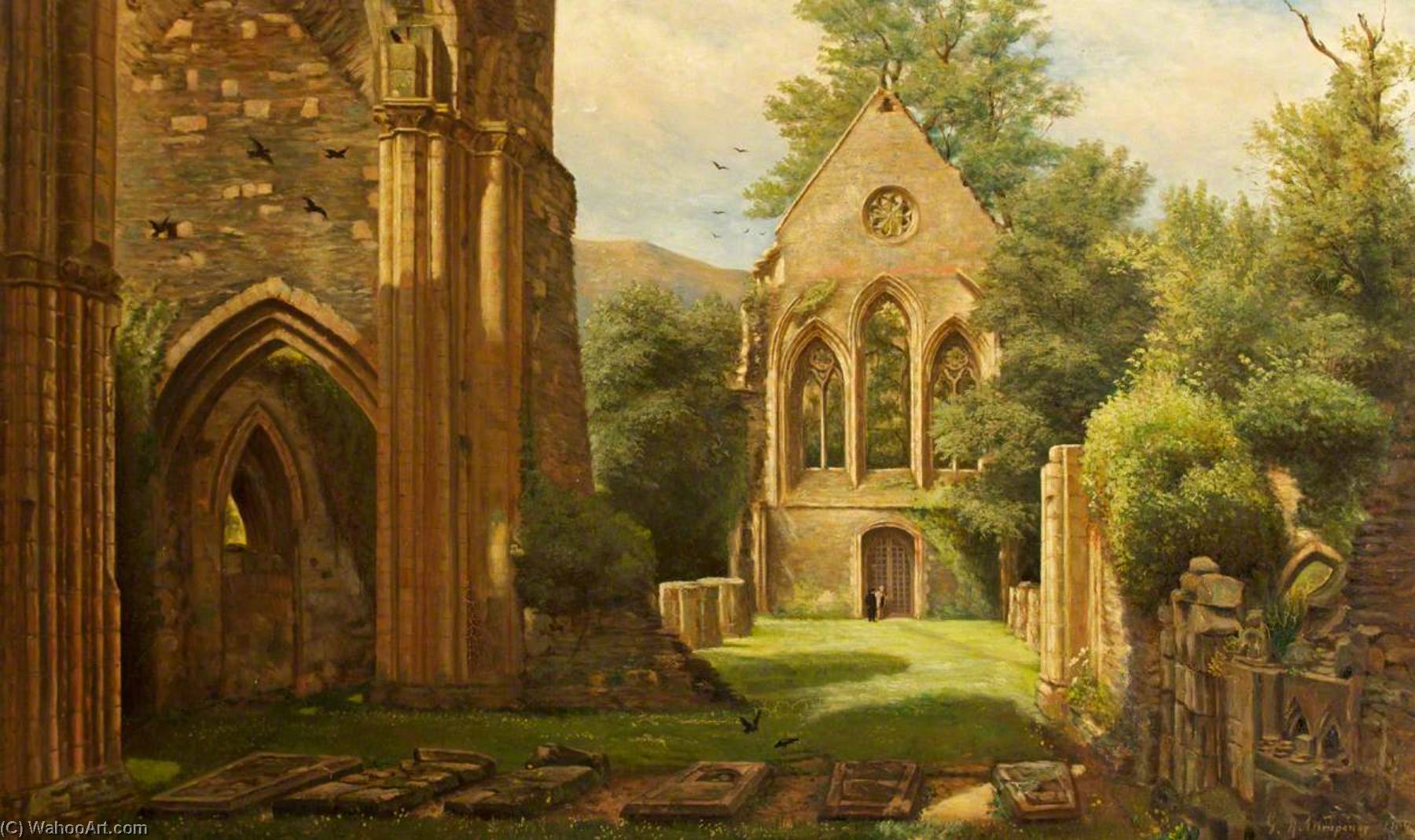
Llanthony Abbey

- 75.0 x 126.0 cm

 Zobrazit více
Giclée / Umělecký tisk
Giclée nebo plátěný tisk muzeální kvality s rychlou výrobou a širokou nabídkou povrchových úprav. ( Koupit ručně malovaný obraz Přepnout na digitální obraz)




































Vyberte si z našich přednastavených velikostí, které odpovídají původním proporcím díla.

Zadejte šířku a výšku, které potřebujete pro váš rám nebo stěnu. Tisk lze pouze oříznout, nikdy však nelze zvětšit obraz nad jeho původní rozměr, proto při výběru jiného formátu dochází ke ztrátě části obrazu. Před samotným tiskem vám zašleme digitální náhled k schválení. Obraz zobrazený na této stránce nenabízí skutečný výřez — ten uvidíte pouze v náhledu.
Celosvětové doručení () do 2 týdnů namísto standardních 4/5 týdnů. (3 listopad)

Zdarma celosvětová expresní doprava

Vysoce kvalitní lněné plátno

Kompletní pojištění přepravy

Záruka vrácení celního poplatku

Záruka věrného barevného souladu

100dení lhůta pro vrácení zboží (pouze při vadách výroby)

100% záruka vrácení peněz

Sleva při více objednávkách
 Skleněná varianta je dostupná pouze u rozměrů menších než 110 cm

Llanthony Abbey
Giclée / Umělecký tisk
Rozměry reprodukce
-


Celková cena za vybrané možnosti reprodukcí
Kč 1766
The painting depicts a large stone building with a clock tower in the middle, surrounded by trees and smaller buildings nearby. The scene is picturesque and inviting, with several birds flying around the area, adding to the natural ambiance. A bench can be seen in front of the main building, providing a place for people to sit and enjoy the view.
Artistic Style and Influences
George Henry Wimpenny's style is reminiscent of the Impressionist movement, which emphasized capturing the fleeting effects of light and color. Similar to artists like Pierre-Auguste Renoir, who created beautiful pieces like Yvonne and Christine Lerolle Playing the Piano, Wimpenny's work is characterized by its attention to detail and ability to evoke a sense of serenity.Comparison with Other Artists
Other artists, such as Wassily Kandinsky and Claude Monet, also explored the relationship between nature and architecture in their work. For example, Kandinsky's Mountain Landscape with Church and Monet's Arm of the Seine at Giverny showcase the beauty of natural landscapes and the importance of light and color.Conclusion
The Llanthony Abbey painting by George Henry Wimpenny is a beautiful example of late 19th-century art. Its stunning depiction of architectural landscapes and natural scenery makes it a must-see for art lovers. For more information on this painting and other works by Wimpenny, visit https://OriginalUniqueArt.com. You can also explore other artists and their works, such as Sandro Botticelli's Scenes from the Life of Moses, on the same website.- View more paintings by George Henry Wimpenny at https://OriginalUniqueArt.com
- Learn about other artists, such as Ivan Kuzmich Makarov, on https://OriginalUniqueArt.com
- Discover the beauty of hand-made oil painting reproductions at https://OriginalUniqueArt.com
Otázky a odpovědi
V jakém roce vzniklo dílo "Llanthony Abbey"?
Dílo "Llanthony Abbey" pochází z roku 1897. Toto datum situuje dílo do období tvůrčí činnosti George Henry Wimpenny i do jeho dobové kontextu.
V jaké orientaci je dílo „Llanthony Abbey“ od George Henry Wimpenny?
Formát díla „Llanthony Abbey“ je Panoramic. Tato informace vám pomůže při plánování umístění reprodukce.
Jaká barevná paleta je použita v díle „Llanthony Abbey“ od George Henry Wimpenny?
Paleta díla „Llanthony Abbey“ od George Henry Wimpenny je popsána jako Dark. Jde o stručný popis barevného zpracování tohoto díla.
Biografie umělce
George Henry Wimpenny: A Victorian Portraitist Capturing Domestic Life and American Identity
George Henry Wimpenny (1857-1939) stands as a significant figure in late Victorian British art, particularly renowned for his meticulous depictions of domestic interiors and portraits reflecting the evolving social landscape of America. Born in London, Wimpenny’s artistic journey began with formal training at the Slade School of Fine Art, where he honed his skills under influential instructors like Frederic Leighton, establishing him firmly within the Beaux Arts tradition prevalent during his era. This grounding provided a foundation for his distinctive style—characterized by precise observation and an unwavering commitment to realism—a hallmark that would define his prolific output throughout his career.- Early Influences: Wimpenny’s artistic sensibilities were profoundly shaped by the Romantic movement, specifically artists like John Everett Millais and Frederic Leighton, whose emphasis on idealized beauty and narrative storytelling resonated deeply with him. These influences instilled a desire to portray subjects with dignity and grace, capturing not merely physical likeness but also psychological nuance.
- Notable Works: Wimpenny’s oeuvre comprises over 300 paintings, predominantly portraits commissioned by prominent families across Britain and America. Among his most celebrated pieces are “Italian Grandmother,” executed in 1897, a masterful study of familial affection rendered with remarkable detail—a testament to his technical prowess and artistic vision. Similarly, "St George's Chapel," completed in 1896, showcases Wimpenny’s ability to convey atmosphere and emotion through subtle tonal variations and compositional arrangements.
- Technique & Style: Wimpenny’s technique involved painstaking layering of thin glazes—a hallmark of the Impressionist movement—to achieve luminous effects and capture the subtleties of light and shadow. He meticulously studied anatomy and drapery, striving for accuracy in his representations of human form and fabric texture. His canvases often depict scenes from everyday life—domestic interiors populated by families—offering glimpses into Victorian social customs and values.
Exploring American Connections: Wimpenny's Patronage and Artistic Engagement Wimpenny’s artistic success extended beyond Britain, attracting commissions from wealthy American families eager to commemorate their heritage. His portraits of figures like Henry William Pickersgill—a celebrated barrister and philanthropist—demonstrate his adaptability to diverse cultural contexts while upholding the highest standards of artistic excellence. Wimpenny's engagement with American art history is evident in his admiration for Impressionist painters such as Monet and Renoir, whose explorations of light and color influenced his own stylistic choices. He actively sought inspiration from these masters, furthering the dialogue between European and American artistic traditions.
The Musée Thomas-Henry Legacy: Wimpenny's Contribution to French Art Beyond Britain, Wimpenny’s influence extended into France where he was honored as a guest artist at the Musée Thomas-Henry in Évreux. This recognition underscored his reputation for meticulous observation and skillful execution—qualities that aligned perfectly with the museum’s collection of 15th-19th century artworks. Wimpenny's dedication to capturing authentic emotion and portraying subjects with dignity cemented his place as a respected artist within the broader European artistic landscape. His work continues to inspire admiration for its technical precision and evocative portrayal of human experience.
A Lasting Impression: Wimpenny’s Enduring Relevance George Henry Wimpenny passed away in 1939, leaving behind an impressive legacy of paintings that endure as embodiments of Victorian artistic ideals. His meticulous attention to detail—particularly his masterful depictions of domestic interiors and portraits—offer invaluable insights into the social customs and values of his time. Wimpenny’s enduring relevance lies not only in his technical skill but also in his ability to convey profound human emotion, ensuring that his artwork continues to captivate audiences today.

George Henry Wimpenny
1857 - 1939
Rychlé informace o umělci
- Artistic Movement Or Style: Victorian Portraiture
- Artists Or Movements Influenced By This Artist: ['Henri Matisse']
- Artists Who Influenced This Artist: ['James Dronsfield']
- Date Of Birth: 1857
- Date Of Death: 1939
- Full Name: George Henry Wimpenny
- Nationality: British
- Notable Artworks:
- Italian Grandmother
- Henry William Pickersgill
- Place Of Birth: London, England