

 Zobrazit v interiéru
 Odeslat
 Sdílet
 Podrobnosti
 Průvodce

 Stáhnout obrázek
 Podobné kousky
 Rentgenové snímky
 Slideshow
 Statistiky
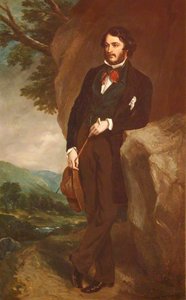
Admiral Sir Edward Codrington (1770–1851)
 127.0 x 102.0 cm
 Přečíst si více
Giclée / Umělecký tisk
Giclée nebo plátěný tisk muzeální kvality s rychlou výrobou a širokou nabídkou povrchových úprav. ( Objednat ručně malovanou reprodukci Přepnout na digitální verzi obrazu)




































Vyberte si z našich přednastavených velikostí, které odpovídají původním proporcím díla.

Můžete zadat vlastní rozměry tak, aby výtvor odpovídal konkrétnímu rámu nebo prostoru. Pokud zvolená velikost nebude odpovídat poměru stran původního obrazu, dílo buď ořížeme, nebo obraz rozšíříme pomocí zrcadlového efektu či jednobarevného okraje. Před zahájením výroby vám bude zaslán digitální náhled k schválení.
Mějte prosím na paměti, že náhled na obrazovce neodráží skutečné oříznutí nebo rozšíření. Pouze digitální náhled přesně zobrazí finální kompozici.
Ačkoliv jsou k dispozici i vlastní rozměry, pro zachování původních proporcí doporučujeme vybrat si rozměr z předdefinovaného seznamu.
Celosvětové doručení () do 2 týdnů namísto standardních 4/5 týdnů. (25 září)

Zdarma celosvětová expresní doprava

Vysoce kvalitní lněné plátno

Úplné pojištění přepravy

Záruka vrácení celního poplatku

Záruka věrného barevného shodu

100dení lhůta pro vrácení zboží (pouze při vadách výroby)

100% garance vrácení peněz

Sleva při více objednávkách
 Skleněná varianta je dostupná pouze u rozměrů menších než 110 cm

Admiral Sir Edward Codrington (1770–1851)
Giclée / Umělecký tisk
Velikost reprodukce
-


Celková cena
$ 80
Biografie umělce
The Soul Captured in Oil: The Life and Legacy of George Frederick Clarke
In the golden, flickering light of the Victorian era, few artists possessed the ability to bridge the gap between mere physical likeness and profound psychological depth as masterfully as George Frederick Clarke. Born in London in 1823, Clarke emerged from a world of growing industrial complexity into an artistic landscape defined by a reverence for tradition and a burgeoning fascination with Romanticism. His journey was not merely one of personal ambition but was deeply rooted in a lineage of patronage; the son of William Clarke, a man of significant legal standing and means, George was afforded the rare luxury of an education that prioritized the cultivation of the aesthetic spirit. This early immersion in the upper echelons of British society provided him with more than just financial stability—it granted him intimate access to the very subjects who would become his lifelong muses: the aristocracy, the intellectuals, and the historical titans of his age.
The trajectory of Clarke’s artistry was irrevocably altered by his formative years at Marlborough College, where he encountered the formidable influence of John Ruskin. To study under Ruskin was to be initiated into a philosophy that demanded both scientific precision and emotional resonance. From this mentorship, Clarke inherited a devotion to the "truth to nature" principle, a belief that would manifest in his meticulous attention to the textures of velvet, the subtle sheen of silk, and the weathered contours of a human face. This Ruskinian influence instilled in him a unique duality of technique; he became a rare virtuoso capable of navigating the delicate transparency of watercolor washes and the rich, commanding weight of oil glazes. His canvases often shimmered with an ethereal luminosity, achieved through a sophisticated layering process that allowed light to appear as if it were emanating from within the subject itself.
A Master of the Victorian Gaze
As his career matured, Clarke’s reputation solidified as a premier portraitist of the British elite. His work was characterized by an academic realism that never descended into the sterile or the mechanical. Instead, he sought to capture what contemporaries called the "essence" of the sitter. Whether rendering the dignified presence of Dr. William Harris Murch or the commanding stature of Lord John Manners, Clarke utilized a rich, tonal palette to evoke a sense of permanence and historical weight. His portraits were not merely records of appearance but were narrative windows into the character of the Victorian era, capturing the gravity, the duty, and the quiet introspection of a generation.
The technical brilliance of his oeuvre can be observed through several defining elements:
- Textural Complexity: His ability to blend thin oil glazes with watercolor-like washes created surfaces that possessed an almost tactile quality, inviting the viewer to feel the weight of a heavy cloak or the softness of skin.
- Atmospheric Depth: Drawing from Romantic ideals, Clarke often integrated subtle environmental elements—such as the distant, moody landscapes seen in his 1874 portrait of the 7th Duke of Rutland—to mirror the internal temperament of his subjects.
- Psychological Insight: Beyond the finery of aristocratic dress, Clarke’s true achievement lay in his use of light and shadow to suggest the hidden thoughts and complexities of the human psyche.
By the time of his passing in 1906, George Frederick Clarke had left an indelible mark on the history of British portraiture. He stood as a bridge between the rigid formal traditions of the early nineteenth century and the more emotive, atmospheric approaches that would follow. His legacy remains preserved in the halls of prestigious collections, serving as a testament to a period when art served as the ultimate mirror to the soul of a nation, capturing the fleeting dignity of an era through the enduring power of the brush.
george frederick clarke
1823 - 1906
Rychlé informace
- Artistic Movement Or Style: Romanticism
- Artists Or Movements Influenced By This Artist: ['British Portraiture']
- Artists Who Influenced This Artist: ['Sir Thomas Lawrence']
- Date Of Birth: 1823
- Date Of Death: 1906
- Full Name: George Frederick Clarke
- Nationality: British
- Notable Artworks:
- Lord John James Robert Manners (1818–1906)
- Portrait of Lady Harriet Manners
- Place Of Birth: London, England