

 Zobrazit v interiéru
 Odeslat
 Sdílet
 Podrobnosti
 Průvodce

 Stáhnout obrázek
 Podobné kousky
 Rentgenové snímky
 Slideshow
 Statistiky
Houqua
 Oil On Canvas
- WallArt
- British Romantic Painting
 1843
1843- 19th Century
 64.0 x 46.0 cm
 Metropolitní muzeum umění
 Přečíst si více
Giclée / Umělecký tisk
Giclée nebo plátěný tisk muzeální kvality s rychlou výrobou a širokou nabídkou povrchových úprav. ( Objednat ručně malovanou reprodukci Přepnout na digitální verzi obrazu)




P118B $10

P118H $10

P118W $10

P438Z $10

P508JH $12

P508YH $12

P805H $10

P805Z $10

P919BZ $10

P919G $10

P919XJ $10

P959ZH $10

P968JZ $12

W106C $8

W218G $10

W218JH $8

W218Y $10

W307PJ $10

W316G $10

W316PJ $8

W316Y $10

W398PJ $8

W4111J $10

W500HY $15

W500JH $15

W692G $12

W849H $8

W940BG $15

W953PJ $8




Vyberte si z našich přednastavených velikostí, které odpovídají původním proporcím díla.

Můžete zadat vlastní rozměry tak, aby výtvor odpovídal konkrétnímu rámu nebo prostoru. Pokud zvolená velikost nebude odpovídat poměru stran původního obrazu, dílo buď ořížeme, nebo obraz rozšíříme pomocí zrcadlového efektu či jednobarevného okraje. Před zahájením výroby vám bude zaslán digitální náhled k schválení.
Mějte prosím na paměti, že náhled na obrazovce neodráží skutečné oříznutí nebo rozšíření. Pouze digitální náhled přesně zobrazí finální kompozici.
Ačkoliv jsou k dispozici i vlastní rozměry, pro zachování původních proporcí doporučujeme vybrat si rozměr z předdefinovaného seznamu.
Celosvětové doručení () do 2 týdnů namísto standardních 4/5 týdnů. (26 září)

Zdarma celosvětová expresní doprava

Vysoce kvalitní lněné plátno

Úplné pojištění přepravy

Záruka vrácení celního poplatku

Záruka věrného barevného shodu

100dení lhůta pro vrácení zboží (pouze při vadách výroby)

100% garance vrácení peněz

Sleva při více objednávkách
 Skleněná varianta je dostupná pouze u rozměrů menších než 110 cm

Houqua
Giclée / Umělecký tisk
Velikost reprodukce
-


Celková cena
$ 80
A Glimpse into Mid-19th Century Opulence
In the quiet, dignified presence of George Chinnery’s “Houqua,” we are transported back to the year 1843, a pivotal era of cultural intersection in Southeast Asia. This masterful portrait is far more than a mere likeness of a prominent figure; it is a window into a world where British colonial influence and Chinese mercantile prestige met in a delicate dance of diplomacy and trade. The subject, Houqua, sits with an air of profound composure upon a vibrant crimson couch, his posture radiating the quiet confidence of a man accustomed to both respect and immense responsibility. As one gaz and observes the meticulously arranged interior, there is an immediate sense of being invited into a private moment of aristocratic repose, making this piece an extraordinary centerpiece for any collection that values historical depth and narrative richness.
The artistry of Chinnery shines through his sophisticated use of chiaroscuro, where the dramatic interplay of light and shadow breathes life into the textures of the scene. The artist’s training at the Royal Academy Schools in London is evident in the way he sculpts form through oil on canvas, capturing the heavy, luxurious folds of traditional Chinese attire with breathtaking precision. Every brushstroke serves to highlight the contrast between the soft glow illuminating the subject's face and the deep, velvety shadows that anchor him within his opulent surroundings. For the discerning collector or interior designer, this technique offers a visual depth that commands attention, providing a focal point that changes character depending on the lighting of the room.
Symbolism and the Art of Cultural Exchange
Beyond the technical brilliance, “Houqua” is steeped in symbolic meaning, acting as a visual record of the burgeoning British East India Company’s presence in Asia. The choice of a vibrant red couch is not merely aesthetic; it serves as a powerful anchor for the composition, symbolizing wealth, status, and the vitality of the era's trade routes. Scattered throughout the scene are subtle yet significant nods to Chinese artistic conventions—a vase brimming with delicate blossoms and strategically placed bowls that suggest a refined, cosmopolitan lifestyle. These elements weave a story of cultural exchange, where European oil painting techniques were used to document and romanticize the splendor of the Orient.
The emotional impact of the work lies in its ability to evoke a sense of nostalgia and reverence for a lost age of elegance. There is a palpable stillness in Houqua’s gaze, a meditative quality that invites the viewer to contemplate the complexities of history and the individual lives shaped by global shifts. Whether placed in a grand library, a sophisticated study, or a curated gallery space, a high-quality reproduction of this painting brings with it an atmosphere of intellectual curiosity and timeless grace. It is an investment not just in art, but in a piece of history that continues to resonate with the themes of identity, prestige, and the enduring beauty of human connection.
Biografie umělce
Early Life and Training (1774-1801)
George Chinnery, born in London on January 5, 1774, was a British artist whose life and career unfolded across the vibrant landscapes of India and China. His early years were steeped in a unique artistic lineage; his father, a skilled craftsman, introduced him to the intricacies of the Gurney system of shorthand – a revolutionary method for rapid note-taking that would profoundly influence Chinnery’s working methods throughout his prolific career. This foundational training, combined with formal studies at the Royal Academy Schools in London, provided him with a rigorous grounding in classical techniques and artistic principles, establishing a solid base upon which he would later build his distinctive style.
Before embarking on his Asian adventures, Chinnery gained some recognition as an artist in Ireland. This initial experience honed his observational skills and exposed him to the diverse cultural influences shaping that region at the time. It was this early exposure that ultimately led him to Madras (now Chennai), India, in 1802 – a pivotal moment that would define the trajectory of his artistic life.
Life in Asia: India and China (1802-1852)
Arriving in Madras in 1802, Chinnery quickly established himself as a prominent artist within the British community. He became the leading painter for the East India Company’s officials and settlers, capturing portraits of notable figures like Colonel James Achilles Kirkpatrick and his family – works that offer invaluable insights into the social dynamics and familial relationships prevalent during the colonial era. These portraits weren't merely likenesses; they were carefully constructed narratives reflecting the power structures and cultural nuances of the time.
However, Chinnery’s fortunes shifted in 1825 when, burdened by mounting debts, he relocated to Macau – a bustling trading port on the coast of China. This move marked a significant change in his artistic focus. In Macau, he continued to paint portraits, but his subjects expanded to include European merchants, Chinese residents, and sea captains, reflecting the diverse population of the region. Notably, his style was closely imitated by the Cantonese artist Lam Qua, demonstrating Chinnery’s considerable influence on the local art scene.
A brief but significant visit to Hong Kong in 1846 provided Chinnery with a unique opportunity to document the newly established colony. His detailed studies of the city's architecture, people, and burgeoning infrastructure offer a fascinating glimpse into its rapid development during this period. His time in Macau and Hong Kong was not just about painting; it was about observing, documenting, and absorbing the essence of these dynamic environments.
Artistic Style and Techniques
Chinnery is primarily remembered for his captivating portraits, distinguished by their remarkable ability to capture both likeness and personality. His work is deeply rooted in Orientalism – a style that sought to depict Asian subjects within a European artistic framework. However, unlike some of his contemporaries, Chinnery’s portrayals often transcend mere exoticization, revealing a genuine empathy and keen observational skill. He wasn't simply painting ‘the Orient’; he was engaging with its people and their world.
He primarily worked in oil paint and watercolor, employing these mediums to create both detailed portraits and evocative landscapes. Adding an intriguing layer to his artistic practice was the use of a modified version of the Gurney shorthand system – a method he employed to quickly jot down notes on his sketches, providing invaluable contextual information about his subjects and observations. This unique technique reveals a meticulous artist deeply invested in capturing every detail.
Furthermore, Chinnery’s artistic style was subtly influenced by local Chinese traditions, particularly in his depictions of landscapes and everyday life. He skillfully blended European techniques with the aesthetics and perspectives of Asian art, creating a distinctive visual language that reflected his extensive experiences in Asia.
Major Achievements and Historical Significance
George Chinnery’s most significant achievement lies in his role as one of the few Western artists to establish a sustained presence in southern China during the early to mid-19th century. He became a crucial chronicler of the region's people, landscapes, and cultural practices – a visual record of a rapidly changing world.
His paintings provide invaluable historical documentation of British colonial life in India and Macau, offering a rare and intimate perspective on the interactions between Europeans and Asians during this period. They are not just beautiful artworks; they are windows into a complex and often fraught history.
Chinnery’s influence extended beyond his own artistic output. His style was adopted by local artists like Lam Qua, demonstrating his impact on the development of Chinese art. Moreover, his depictions of ordinary people – merchants, laborers, farmers – offer a rare glimpse into the daily lives and experiences of those often overlooked in historical accounts.
Interestingly, Chinnery’s work has found its way into popular culture, notably through James Clavell's novel Tai-Pan, where his character Aristotle Quance serves as an inspiration. This literary connection further underscores the enduring legacy of this remarkable artist.
Death and Legacy (1852 - Present)
George Chinnery died in Macau on May 30, 1852, and is buried in the Old Protestant Cemetery. His artistic legacy continues to be celebrated through extensive collections of his drawings held at prestigious institutions such as the Victoria and Albert Museum, the British Museum, the Peabody Essex Museum, Birmingham Museum & Art Gallery, Hong Kong Museum of Art, Macau Museum, and Macau Museum of Art.
Exhibitions dedicated to his work are regularly organized worldwide, ensuring that Chinnery’s art remains accessible and appreciated by a broad audience. His life and work stand as a testament to the power of observation, cultural exchange, and artistic innovation – a legacy that continues to resonate today.
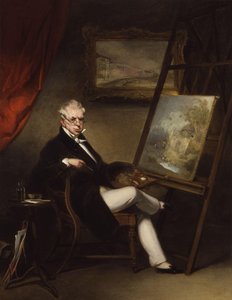
George Chinnery
1774 - 1852 , Spojené království
Rychlé informace
- Artistic Movement Or Style: Orientalismus, Portrét
- Artists Or Movements Influenced By This Artist: ['Lam Qua']
- Date Of Birth: 5. ledna 1774
- Date Of Death: 30. května 1852
- Full Name: George Chinnery
- Nationality: Anglický
- Notable Artworks:
- Portrét George Dyera
- Macao
- Studie portrétů
- Place Of Birth: Londýn, Velká Británie
Související články

Raja Ravi Varma: Bridging Tradition & Modernity in 19th-Century Indian Art
Explore the life & art of Raja Ravi Varma, a pioneer who fused European techniques with Indian iconography. Discover his iconic paintings, lasting legacy, and influence on modern Indian art at OriginalUniqueArt.

Sir George Clausen: Capturing Edwardian Life & British Impressionism's Nuances
Explore the luminous world of Sir George Clausen, a leading British Impressionist painter. Discover his captivating scenes of Edwardian life, rural England & poignant war art. Learn about his legacy and find high-quality reproductions at OriginalUniqueArt.
George Hayter: Portraiture, Power & Victorian Society's Canvas
Explore the life & work of George Hayter, Queen Victoria’s Principal Painter. Discover his iconic Victorian portraits, historical masterpieces, and lasting impact on British art history. Learn more at OriginalUniqueArt.

Georges Braque: 25 mistrovských děl kubismu a revoluce v umění | OriginalUniqueArt.cz
Prozkoumejte 25 ikonických děl Georges Braque, průkopníka kubismu. Objevte příběhy za obrazy, techniky a inspiraci tohoto francouzského mistra. Reprodukce obrazů v nejvyšší kvalitě na OriginalUniqueArt.com.

Georges Seurat: 25 mistrovských děl a revoluce bodové techniky | OriginalUniqueArt
Prozkoumejte 25 ikonických děl Georges Seurata – průkopníka impresionismu a bodové techniky. Objevte příběhy za slavnými obrazy, barevnou teorii a inspirujte se pro váš interiér s reprodukcemi nejvyšší kvality na OriginalUniqueArt.com.
