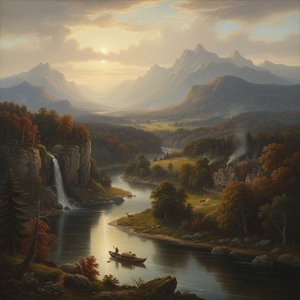
Washington Crossing the Delaware
Acrylic On Canvas
WallArt
American Realism
93.0 x 146.0 cm
Chrysler Museum of Art
Ručně malovaná olejová reprodukce
Ručně malovaná olejná barva na plátně ve vašem zvoleném rozměru i s rámem, vyrobená našimi umělci na zakázku. ( Koupit tisk
Koupit obrázek)
P118B $10
P118H $10
P118W $10
P438Z $10
P508JH $12
P508YH $12
P805H $10
P805Z $10
P919BZ $10
P919G $10
P919XJ $10
P959ZH $10
P968JZ $12
W106C $8
W218G $10
W218JH $8
W218Y $10
W307PJ $10
W316G $10
W316PJ $8
W316Y $10
W398PJ $8
W4111J $10
W500HY $15
W500JH $15
W692G $12
W849H $8
W940BG $15
W953PJ $8
Vyberte si z našich přednastavených velikostí, které odpovídají původním proporcím díla.
Můžete zadat vlastní rozměry pro konkrétní rám nebo prostor. Pokud se vámi vybraná velikost neshoduje s proporcemi původního obrazu, dílo buď ořízneme, nebo jej doplníme ručně malovanými prvky. Před zahájením výroby vám bude zaslán digitální náhled ke schválení.
Upozorňujeme, že náhled na obrazovce neodpovídá skutečnému ořezu ani rozšíření. Pouze digitální náhled přesně zobrazí finální kompozici.
Ačkoliv je možné zvolit vlastní velikost, pro zachování původních proporcí doporučujeme vybrat rozměr z předdefinovaného seznamu.
Po přijetí objednávky vám tým OriginalUniqueArt.com zašle e-mail s pokyny a poskytne náhledovou verzi.
Celosvětová doprava () za 3–4 týdny namísto standardních 5 týdnů. (16 srpen). Bez kompromisů v kvalitě.
Zdarma celosvětová expresní doprava
Vysoce kvalitní lněné plátno
Kompletní přepravní pojištění
Záruka vrácení celního poplatku
Záruka přesného barevného shodu
60denní lhůta pro vrácení zboží (pouze při vadách výroby)
100% garance vrácení peněz
Sleva při hromadné objednávce
Washington Crossing the Delaware
Technika reprodukce
Rozměry reprodukce
-
Celková cena za výběr
$ 300
Popis díla
Washington Crossing the Delaware – A Testament to American Heroism
- George Caleb Bingham’s “Washington Crossing the Delaware” isn't merely a depiction of a pivotal moment in American history; it’s an embodiment of the nation’s foundational ideals. Painted in 1851, this artwork captures the dramatic scene of General George Washington leading his troops across the icy Delaware River on Christmas night, 1776 – a daring surprise attack that shifted the momentum of the Revolutionary War. Bingham's interpretation, inspired by Emanuel Leutze’s iconic rendition, elevates the historical event into a timeless symbol of courage and leadership, resonating powerfully with viewers even today.
- The painting’s strength lies not just in its subject matter but also in Bingham’s masterful use of genre painting techniques. He eschews the grand, heroic scale often associated with historical paintings, opting instead for a more intimate and accessible portrayal. The figures are rendered with remarkable detail and realism, capturing the weariness of the soldiers and the stoicism of Washington himself. Bingham's brushwork is characterized by broad, confident strokes, creating a sense of movement and immediacy that draws the viewer into the heart of the action.
A Portrait of American Identity
Bingham’s background profoundly shaped his artistic vision. Born in Augusta County, Virginia, he witnessed firsthand the challenges and opportunities presented by westward expansion – a theme that permeates much of his work. This experience instilled within him an understanding of the American spirit: resilience, determination, and a belief in self-governance. Washington himself becomes more than just a military commander; he transforms into an archetype of American virtue, representing the values upon which the nation was founded.
The composition is deliberately powerful. Washington, positioned prominently at the center, exudes authority and resolve. His posture, his gaze, all contribute to an impression of unwavering leadership. The soldiers surrounding him are not presented as anonymous figures but as individuals – each contributing to the collective effort. This emphasis on the common man underscores the democratic ideals that fueled the American Revolution.
Symbolism and Technique
- The icy waters of the Delaware River symbolize the immense challenges faced by Washington’s troops. The cold, turbulent conditions mirror the precariousness of their situation – a desperate gamble against overwhelming odds. The mountains in the background serve as a dramatic backdrop, emphasizing the scale of the undertaking and reinforcing the sense of grandeur.
- Bingham's palette is dominated by cool blues and grays, reflecting the winter landscape and evoking a mood of solemnity and determination. The use of light and shadow adds to the painting’s dramatic effect, highlighting Washington’s figure and creating a sense of depth within the scene. The meticulous attention to detail in rendering clothing, weaponry, and facial expressions further enhances the realism of the composition.
Dimensions & Impact
This exceptional reproduction measures 93 x 146 cm (37 x 57.5 inches), making it a substantial piece suitable for both grand and more intimate spaces. “Washington Crossing the Delaware” transcends its historical context, continuing to inspire awe and admiration for the courage and sacrifice that shaped the United States. It’s an artwork that speaks to the enduring values of freedom, democracy, and leadership – qualities that remain central to the American identity.
Biografie umělce
A Life Painted on the American Frontier
George Caleb Bingham, born in 1811 amidst the rolling landscapes of Virginia, wasn’t destined for a life steeped in artistic convention. His early years were marked by movement and adaptation, a family relocation to the burgeoning Missouri frontier shaping his perspective in profound ways. This shift from the established East to the raw energy of the West became the very bedrock of his artistic vision. The hardships faced by his family instilled within him an acute awareness of the struggles and triumphs inherent in the American experience – themes that would dominate his canvases for decades to come. A pivotal encounter at age nine with Chester Harding, a traveling portraitist passing through Franklin, Missouri, ignited a spark. This brief exposure wasn’t merely an introduction to technique; it was a revelation of art's power to capture not just likeness but the very essence of human character. Though largely self-taught initially, Bingham honed his skills through apprenticeships with cabinet makers, learning meticulous draftsmanship and an eye for detail – qualities that would become hallmarks of his mature style. By nineteen, he was already earning a living as a portrait painter, demonstrating an innate talent that quickly established him within the local community. This early success propelled him towards St. Louis, a vibrant hub where he sought to refine his skills and immerse himself in a growing artistic milieu.The Luminist Touch and American Realism
Bingham’s artistic journey wasn't confined by formal training; it was deeply interwoven with the world around him – the majestic Mississippi and Missouri Rivers, the bustling river towns teeming with life, and the diverse individuals who navigated this dynamic landscape. He became a keen observer of American society, particularly along these vital waterways that served as arteries of commerce and migration. His style gradually evolved, embracing elements of Luminism, an artistic movement characterized by its emphasis on atmospheric effects and the subtle interplay of light. This is strikingly evident in works like Order at the Border (1850), where the golden hues of the setting sun illuminate a tense negotiation between settlers and Native Americans, imbuing the scene with both beauty and underlying tension. However, Bingham wasn’t simply a Luminist painter; he infused his work with a powerful dose of realism, striving to depict American life with unflinching honesty and authenticity. Family Life on the Frontier (1845) exemplifies this approach, offering a tender yet realistic portrayal of domesticity amidst the challenges of pioneer existence. He wasn’t interested in idealizing the frontier; he sought to portray it as it was – a place of opportunity, hardship, and constant change. His paintings offer a valuable historical record, providing insights into the social customs, political attitudes, and daily lives of Americans during a pivotal period in their history. The County Election (1844) stands as perhaps his most iconic representation of this approach – a vibrant tableau capturing the boisterous energy and democratic spirit of frontier politics. The painting isn’t merely a depiction of an event; it's a social commentary, offering insights into the values, anxieties, and aspirations of 19th-century Americans. His ability to capture the essence of American culture is also powerfully displayed in St. Louis Jockey, on the Battlefield (1862), a poignant reflection on the Civil War’s impact on everyday life, revealing the subtle scars left upon the nation's psyche.Themes of Frontier Life and Social Commentary
Throughout his career, Bingham consistently returned to themes central to the American experience: westward expansion, political participation, the rhythms of river life, and the complexities of human interaction. He wasn’t afraid to tackle difficult subjects, often embedding subtle social commentary within seemingly straightforward depictions of everyday scenes. His paintings weren't simply aesthetically pleasing; they were narratives, offering glimpses into the moral and ethical dilemmas facing a young nation grappling with its identity. Consider Raftsmen Playing Cards, or The Checker Players, both capturing moments of leisure but also hinting at the hardships and uncertainties faced by those who worked the rivers. These works demonstrate Bingham’s skill in imbuing seemingly mundane activities with a sense of depth and significance. His work often depicted scenes of political rallies, riverboat races, and frontier disputes, reflecting the turbulent social landscape of his time. He skillfully captured the personalities of the people he portrayed – from stern-faced politicians to playful children – revealing their hopes, fears, and ambitions. Order No. 11 (1853) is a particularly compelling example, illustrating the complex relationship between settlers and Native Americans in the face of westward expansion, prompting reflection on the consequences of territorial claims.Technique and Style
Bingham’s artistic style was characterized by its meticulous detail, vibrant color palette, and masterful use of light and shadow. He employed a technique that blended elements of Luminism with a distinctly American Realist approach, creating paintings that were both visually stunning and emotionally resonant. His compositions often featured dynamic arrangements of figures, capturing the energy and movement of everyday life. He was particularly adept at portraying landscapes, using atmospheric effects to create a sense of depth and realism. Bingham’s use of color was remarkably expressive, employing warm hues to evoke feelings of warmth and nostalgia, while cooler tones were used to convey a sense of melancholy or tension. His portraits were equally impressive, capturing not only the physical likeness of his subjects but also their personalities and emotions. He paid close attention to detail, meticulously rendering clothing, facial expressions, and accessories.Rediscovery and Lasting Legacy
Despite his prominence during his lifetime, Bingham’s work experienced a period of relative obscurity following his death in 1879. It wasn't until the 1930s that a renewed interest in his art emerged, fueled by a growing appreciation for American Regionalism and Realism. This rediscovery led to a reevaluation of his contributions to American art history, recognizing him as a master of both Luminist technique and social commentary. By the time of his bicentennial in 2011, George Caleb Bingham had firmly established himself as one of the greatest American painters of the 19th century. His influence continues to resonate today, inspiring artists who seek to capture the beauty and complexity of the American landscape and its people. His legacy extends beyond his individual paintings; he helped define a distinctly American artistic voice, one that celebrated the nation’s unique character and confronted its challenges with honesty and insight.- Canvassing for a Vote: A powerful depiction of political engagement on the frontier.
- Order No. 11: Illustrates the complexities of interactions between settlers and Native Americans.
- Lighter Relieving the Steamboat Aground: Captures a moment of rural American life with stunning detail.
George Caleb Bingham
1811 - 1879 , Spojené státy americké
Rychlé fakta
- Artistic Movement Or Style: Luminism, Realismus
- Artists Or Movements Influenced By This Artist: ['Düsseldorf škola']
- Artists Who Influenced This Artist: ['Chester Harding']
- Date Of Birth: 20. března 1811
- Date Of Death: 7. července 1879
- Full Name: George Caleb Bingham
- Nationality: Americký
- Notable Artworks:
- Order No. 11
- Family Life
- Checker Players
- Place Of Birth: Augusta County, USA

Skleněná varianta je dostupná pouze u rozměrů menších než 110 cm