Velikost textu

() ·

Obraz vytvořený ručně přímo pro vás

View of Pike

Ručně malovaná olejová reprodukce

Rukou malované olejné plátno v libovolném rozměru i s rámem, vyrobené našimi umělci na zakázku. ( Přepnout na tisk Přepnout na digitální obraz)

Popis sbírného předmětu

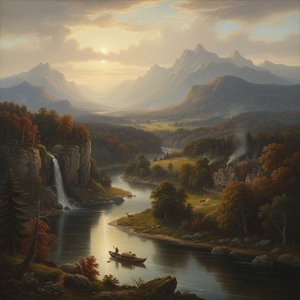
George Caleb Bingham’s "View of Pike" captures a tranquil American frontier scene in 1872, showcasing a picturesque landscape with figures and livestock – a beautiful depiction of rural life. Discover this stunning hand-painted reproduction and bring timeless artistry into your home.

Biografie umělce

George Caleb Bingham (1811-1879) byl americký malíř, mistr realismu & luminismu. Jeho díla zachycují život na západě, politiku a ducha 19. století.

od ·

Kapitola 1

Jak velká by měla být?

Posunout pro změnu velikosti; obrázek vlevo zobrazuje rám v jeho skutečné šířce. Zachovávají se původní proporce.

Standardní velikost
na zakázku
CM
INCH

Vyberte si z našich přednastavených velikostí, které odpovídají původním proporcím díla.

šířka
výška

Zadejte šířku a výšku, které potřebujete pro váš rám nebo stěnu. Protože se jedná o ruční malbu, při výběru jiného formátu může umělec kolem obrazu domalovat o něco více, nebo jej mírně oříznout — rozhodnete si vy. Před zahájením malby vám zašleme digitální náhled ke schválení. Obraz zobrazený na této stránce neodpovídá skutečnému výsledku — pouze digitální náhled jej zobrazuje.

Kapitola 2

Jak má být doručeno?

Vyberte si okraje plátna

Vyberte si rámeček

Corner sample of the WhiteWrap canvas edge finish, stretched on masivní dřevo bars
Bílé okraje Kč1
Corner sample of the BlurSideWrap canvas edge finish, stretched on masivní dřevo bars
Rozostřené okraje Kč1
Corner sample of the ExtendedWrap canvas edge finish, stretched on masivní dřevo bars
Prodloužené okraje Kč1
Corner sample of the P118B picture frame: tvarovaný polystyren, 5 cm wide and 3 cm thick
P118B Kč10
Corner sample of the P118H picture frame: tvarovaný polystyren, 5 cm wide and 3 cm thick
P118H Kč10
Corner sample of the P118W picture frame: tvarovaný polystyren, 5 cm wide and 3 cm thick
P118W Kč10
Corner sample of the P438Z picture frame: tvarovaný polystyren, 5.5 cm wide and 3.5 cm thick
P438Z Kč10
Corner sample of the P508JH picture frame: tvarovaný polystyren, 7 cm wide and 3.5 cm thick
P508JH Kč12
Corner sample of the P508YH picture frame: tvarovaný polystyren, 7 cm wide and 3.5 cm thick
P508YH Kč12
Corner sample of the P805H picture frame: tvarovaný polystyren, 5 cm wide and 3.5 cm thick
P805H Kč10
Corner sample of the P805Z picture frame: tvarovaný polystyren, 5 cm wide and 3.5 cm thick
P805Z Kč10
Corner sample of the P919BZ picture frame: tvarovaný polystyren, 7 cm wide and 3.5 cm thick
P919BZ Kč10
Corner sample of the P919G picture frame: tvarovaný polystyren, 7 cm wide and 3.5 cm thick
P919G Kč10
Corner sample of the P919XJ picture frame: tvarovaný polystyren, 7 cm wide and 3.5 cm thick
P919XJ Kč10
Corner sample of the P959ZH picture frame: tvarovaný polystyren, 5 cm wide and 3 cm thick
P959ZH Kč10
Corner sample of the P968JZ picture frame: tvarovaný polystyren, 6 cm wide and 4 cm thick
P968JZ Kč12
Corner sample of the W106C picture frame: masivní dřevo, 5 cm wide and 3 cm thick
W106C Kč8
Corner sample of the W218G picture frame: masivní dřevo, 5 cm wide and 3 cm thick
W218G Kč10
Corner sample of the W218JH picture frame: masivní dřevo, 5 cm wide and 3 cm thick
W218JH Kč8
Corner sample of the W218Y picture frame: masivní dřevo, 5 cm wide and 3 cm thick
W218Y Kč10
Corner sample of the W307PJ picture frame: masivní dřevo, 6 cm wide and 3 cm thick
W307PJ Kč10
Corner sample of the W316G picture frame: masivní dřevo, 6 cm wide and 3 cm thick
W316G Kč10
Corner sample of the W316PJ picture frame: masivní dřevo, 6 cm wide and 3 cm thick
W316PJ Kč8
Corner sample of the W316Y picture frame: masivní dřevo, 6 cm wide and 3 cm thick
W316Y Kč10
Corner sample of the W398PJ picture frame: masivní dřevo, 5 cm wide and 3 cm thick
W398PJ Kč8
Corner sample of the W4111J picture frame: masivní dřevo, 6.5 cm wide and 3.5 cm thick
W4111J Kč10
Corner sample of the W500HY picture frame: masivní dřevo, 7 cm wide and 5 cm thick
W500HY Kč15
Corner sample of the W500JH picture frame: masivní dřevo, 7 cm wide and 5 cm thick
W500JH Kč15
Corner sample of the W692G picture frame: masivní dřevo, 8 cm wide and 4 cm thick
W692G Kč12
Corner sample of the W849H picture frame: masivní dřevo, 5 cm wide and 3 cm thick
W849H Kč8
Corner sample of the W940BG picture frame: masivní dřevo, 7.5 cm wide and 4.5 cm thick
W940BG Kč15
Corner sample of the W953PJ picture frame: masivní dřevo, 6 cm wide and 3.5 cm thick
W953PJ Kč8
Corner sample of the H24-GOLD picture frame: řezané dřevo s gessu, 10 cm wide and 6 cm thick
H24-GOLD Kč30
Corner sample of the H24-SILVER picture frame: řezané dřevo s gessu, 10 cm wide and 6 cm thick
H24-SILVER Kč30
Corner sample of the H36-GOLD picture frame: řezané dřevo s gessu, 15 cm wide and 6.5 cm thick
H36-GOLD Kč45
Corner sample of the H36-SILVER picture frame: řezané dřevo s gessu, 15 cm wide and 6.5 cm thick
H36-SILVER Kč45

Profil: . Celkové rozměry včetně rámu: .

Kapitola 3

Kdo jej maluje a mělo by se něco změnit?

Příklady možných změn: Nahrazení obličeje fotografií zákazníka; Přidání mazlíčka (např. výměna kočky za psa); Skrytá zpráva v pozadí; Změna krajiny nebo prvků v pozadí.
Po přijetí objednávky vám tým OriginalUniqueArt.com pošle e-mail s instrukcemi a poskytne náhled návrhu

Celosvětová doprava () za 3–4 týdny namísto standardních 5 týdnů. (5 listopad). Bez kompromisů v kvalitě.

Kapitola 4

Poslední úpravy

Štítek jako v muzeu?

Detaily ryté bronzové plakety

This elegant plaque features the artist's name and the title of the artwork, finely engraved for a timeless presentation.

It is made from bronze with a refined, elegant finish. The text is precisely laser-engraved for a sharp and permanent result. Measuring 9x2 cm, the plaque is compact yet easy to read. It's built to be durable and scratch-resistant, offering a professional, museum-quality look. Mounting is simple thanks to the included adhesive backing.

Detaily průhledné akrylové desky

The plaque includes essential engraved details such as the artist's name, the title of the artwork, the date it was created, the type of media used-like oil on canvas or watercolor-a brief description of the piece, and a QR code that links to the complete artwork information.

It is crafted from clear acrylic, offering a sleek, modern appearance. The text is UV-engraved in black to ensure strong visual contrast. With a size of 10x15 cm, it ensures optimal readability. It comes equipped with two metal hooks for secure wall mounting. The plaque is designed to be weather-resistant, making it suitable for various environments, and it includes interactive features that work seamlessly with smartphone scanning.

Detaily černé akrylové destičky

This elegant plaque includes engraved information such as the artist's name, the title of the artwork, the date it was created, the type of media used (like oil on canvas or watercolor), a short description of the artwork, and a QR code for quick access to more information.

The plaque itself is made from refined black acrylic with a premium finish. The text is laser-engraved in white for high contrast and readability. Its size is 10x15 cm, designed to be easy to read. It comes with two metal hooks for professional mounting. The design is sleek and fits any interior style. It is also weather-resistant and durable, with built-in digital integration for mobile compatibility.

Ochranný lak?

Kdy jej potřebujete?

Kapitola 5

Váš obraz přesně podle objednávky

View of Pike

Technika reprodukce

Rozměry reprodukce

-

Vybraní mistři umění

Vyšší míra detailu, jemnosti a delší doba výroby

-

Možnosti rámování reprodukcí

-

-

U děl nebo reprodukcí, u nichž je jakákoliv strana větší než 105 cm (přibližně 41 palců), bude rám dodán jako sestava v rozloženém stavu. Tato metoda zajišťuje bezpečné doručení a chrání dílo před poškozením během přepravy.

Vyžaduje se odborná montáž – nejedná se o produkt pro svépomocnou realizaci (DIY).
Sestava musí být složena a plátno napnuto zkušeným profesionálním rámovačem s použitím dřevěného lepidla (není součástí balení), kleští na napínání plátna a svorek pro udržení pravých úhlů křížů během schnutí lepidla. Nesprávná montáž nebo nerovnoměrné napnutí plátna může způsobit trvalé poškození uměleckého díla, které není kryto naší zárukou.

  • Jsou zahrnuty všechny lišty z masivního dřeva, přesně na míru nařezané.

  • Sestavuje se pomocí součástí balení (šroubů), plus dřevěného lepidla na rohové spoje, které není součástí balení a musí jej zajistit váš rámovač.

  • Vyžaduje se profesionální nářadí, které není součástí sady: kleště na napínání plátna a svorky pro udržení kolmosti příček během schnutí lepidla.

Důležité:
Spoje v rozích vyžadují lepidlo na dřevo, tyčinky musí být přichyceny pomocí svorek, dokud lepidlo zcela neuschne, a pro napnutí plátna na sestavený rám je zapotřebí kleští na natahování plátna. Žádný z těchto náčiní není součástí sady. Před objednáním této velikosti prosím zajistěte zkušeného profesionálního rámovače.

Popisek díla

-

-

Ochranný lak

Lesklý lak (zvýrazňuje barvy, chrání před světlem a vlhkostí)

-

Přizpůsobit své umělecké dílo

Příklady možných úprav: nahrazení obličeje fotografií zákazníka; přidání domácího mazlíčka (např. výměna kočky za psa); vložení skrytého vzkazu do pozadí; změna krajiny nebo prvků v pozadí.

-

Prioritní doručení

Celosvětové doručení () za 3–4 týdny namísto standardních 5 týdnů. (5 listopad). Bez kompromisů v kvalitě.

-

Expresní doručení

Celosvětová doprava () do 5 týdnů. (12 listopad).

V ceně

Celková cena za vybrané možnosti reprodukcí

Kč 6544

Celková cena Kč 6544

Skleněná varianta je dostupná pouze u rozměrů menších než 110 cm

Součást každé objednávky

  • Zdarma celosvětová expresní doprava
  • Vysoce kvalitní lněné plátno
  • Kompletní pojištění přepravy
  • Záruka vrácení celního poplatku
  • Záruka věrného barevného souladu
  • 100dení lhůta pro vrácení zboží (pouze při vadách výroby)
  • 100% záruka vrácení peněz
  • Sleva při více objednávkách

A Window on the American Frontier: George Caleb Bingham’s “View of Pike”

George Caleb Bingham's "View of Pike," painted in 1872, is more than just a picturesque landscape; it’s a poignant snapshot of life along the Missouri River during a pivotal era in American history. Measuring 107 x 71 cm, this artwork transports us to a moment of quiet contemplation amidst the burgeoning frontier, offering a glimpse into the lives and aspirations of those who shaped the nation's westward expansion. The scene unfolds with remarkable detail – towering mountains draped in evocative clouds, a solitary figure contemplating the vista from a hillside, and a scattering of individuals engaged in various activities, all rendered with Bingham’s signature realism.

  • Subject Matter: The painting depicts a typical Missouri River landscape, focusing on the interaction between settlers and the natural world.
  • Composition: The carefully arranged figures and the expansive vista create a sense of depth and scale, inviting the viewer to become part of the scene.
  • Color Palette: Bingham’s use of muted earth tones – browns, greens, and blues – evokes the rugged beauty of the Missouri River region and contributes to the painting's overall atmosphere of tranquility.

The Artist’s Vision: Bingham and the American Frontier

Born in 1811 in Augusta County, Virginia, George Caleb Bingham’s artistic journey was profoundly influenced by his family’s relocation to the Missouri frontier. This experience shaped his perspective, leading him to capture the realities of life on the American frontier with unflinching honesty and empathy. His work isn't simply a representation of scenery; it’s a testament to the human spirit – resilience, community, and the enduring connection between people and their environment. Bingham’s artistic development was notably accelerated by a formative encounter at age nine with Chester Harding, a traveling portraitist, which ignited his passion for capturing not just physical likeness but also the essence of character.

Historical Context: “View of Pike” was created during a period of significant change in America. The westward expansion was well underway, driven by economic opportunity and fueled by the promise of land. Bingham’s work reflects this dynamic, portraying scenes of everyday life – fishing, farming, socializing – that were central to the frontier experience.

Technique and Style: Realism at its Finest

Bingham's artistic style is characterized by a meticulous attention to detail and a commitment to realism. He employed a technique known as "genre painting," which focused on depicting scenes of everyday life, often with social commentary. His brushwork is precise yet expressive, capturing the textures of clothing, the contours of faces, and the nuances of light and shadow. The figures are rendered with remarkable accuracy, reflecting Bingham’s keen observation skills and his ability to capture the personalities of his subjects. The horse included in the scene adds a layer of realism and highlights the importance of livestock for transportation and sustenance.

Symbolism and Emotional Impact

"View of Pike" transcends a simple landscape painting; it's imbued with symbolic meaning. The solitary figure on the hillside represents contemplation, perhaps a moment of reflection amidst the challenges of frontier life. The gathering of people suggests community and connection – essential elements in the isolated environment of the Missouri River region. The overall effect is one of quiet beauty and profound emotional resonance, inviting viewers to contemplate the themes of human resilience, the relationship between humanity and nature, and the enduring spirit of the American frontier. This artwork offers a powerful reminder of a bygone era and the individuals who shaped the nation’s identity.

Otázky a odpovědi

Jak lze využít dílo „View of Pike“ od George Caleb Bingham při dekorování interiéru?

Pro dílo „View of Pike“ od George Caleb Bingham jsou uvedena dvě doporučení pro použití (Accent) a prostor (Living Room).

Jak mohu objevit umělecká díla podobná dílu „View of Pike“ od George Caleb Bingham?

Stránka Podobná díla pro dílo „View of Pike“ od George Caleb Bingham obsahuje související umělecká díla.

Je „View of Pike“ od George Caleb Bingham známým uměleckým dílem?

„View of Pike“ je klasifikováno jako Recognized.

Více informací o tomto obrazu

Náhled v interiéru Náhled v AR Přepnout na tisk Přepnout na digitální obraz Sdílet
Podrobnosti o díle Průvodce Přidat do oblíbených Stáhnout Podobné položky Rentgenové snímky Slideshow Otázky a odpovědi Statistiky

V číslech

  • 1872rok vytvoření
  • 29k výběru rámečků
  • standardní velikosti, v jejich vlastních proportioních
  • 5týdnů na namalování a doručení
George Caleb Bingham

George Caleb Bingham

1811 - 1879, Spojené státy americké

Rychlé informace o umělci George Caleb Bingham

  • Artistic Movement Or Style: Luminism, Realismus
  • Artists Or Movements Influenced By This Artist: ['Düsseldorf škola']
  • Artists Who Influenced This Artist: ['Chester Harding']
  • Date Of Birth: 20. března 1811
  • Date Of Death: 7. července 1879
  • Full Name: George Caleb Bingham
  • Nationality: Americký
  • Notable Artworks:
    • Order No. 11
    • Family Life
    • Checker Players
  • Place Of Birth: Augusta County, USA

Biografie umělce

A Life Painted on the American Frontier

George Caleb Bingham, born in 1811 amidst the rolling landscapes of Virginia, wasn’t destined for a life steeped in artistic convention. His early years were marked by movement and adaptation, a family relocation to the burgeoning Missouri frontier shaping his perspective in profound ways. This shift from the established East to the raw energy of the West became the very bedrock of his artistic vision. The hardships faced by his family instilled within him an acute awareness of the struggles and triumphs inherent in the American experience – themes that would dominate his canvases for decades to come. A pivotal encounter at age nine with Chester Harding, a traveling portraitist passing through Franklin, Missouri, ignited a spark. This brief exposure wasn’t merely an introduction to technique; it was a revelation of art's power to capture not just likeness but the very essence of human character. Though largely self-taught initially, Bingham honed his skills through apprenticeships with cabinet makers, learning meticulous draftsmanship and an eye for detail – qualities that would become hallmarks of his mature style. By nineteen, he was already earning a living as a portrait painter, demonstrating an innate talent that quickly established him within the local community. This early success propelled him towards St. Louis, a vibrant hub where he sought to refine his skills and immerse himself in a growing artistic milieu.

The Luminist Touch and American Realism

Bingham’s artistic journey wasn't confined by formal training; it was deeply interwoven with the world around him – the majestic Mississippi and Missouri Rivers, the bustling river towns teeming with life, and the diverse individuals who navigated this dynamic landscape. He became a keen observer of American society, particularly along these vital waterways that served as arteries of commerce and migration. His style gradually evolved, embracing elements of Luminism, an artistic movement characterized by its emphasis on atmospheric effects and the subtle interplay of light. This is strikingly evident in works like Order at the Border (1850), where the golden hues of the setting sun illuminate a tense negotiation between settlers and Native Americans, imbuing the scene with both beauty and underlying tension. However, Bingham wasn’t simply a Luminist painter; he infused his work with a powerful dose of realism, striving to depict American life with unflinching honesty and authenticity. Family Life on the Frontier (1845) exemplifies this approach, offering a tender yet realistic portrayal of domesticity amidst the challenges of pioneer existence. He wasn’t interested in idealizing the frontier; he sought to portray it as it was – a place of opportunity, hardship, and constant change. His paintings offer a valuable historical record, providing insights into the social customs, political attitudes, and daily lives of Americans during a pivotal period in their history. The County Election (1844) stands as perhaps his most iconic representation of this approach – a vibrant tableau capturing the boisterous energy and democratic spirit of frontier politics. The painting isn’t merely a depiction of an event; it's a social commentary, offering insights into the values, anxieties, and aspirations of 19th-century Americans. His ability to capture the essence of American culture is also powerfully displayed in St. Louis Jockey, on the Battlefield (1862), a poignant reflection on the Civil War’s impact on everyday life, revealing the subtle scars left upon the nation's psyche.

Themes of Frontier Life and Social Commentary

Throughout his career, Bingham consistently returned to themes central to the American experience: westward expansion, political participation, the rhythms of river life, and the complexities of human interaction. He wasn’t afraid to tackle difficult subjects, often embedding subtle social commentary within seemingly straightforward depictions of everyday scenes. His paintings weren't simply aesthetically pleasing; they were narratives, offering glimpses into the moral and ethical dilemmas facing a young nation grappling with its identity. Consider Raftsmen Playing Cards, or The Checker Players, both capturing moments of leisure but also hinting at the hardships and uncertainties faced by those who worked the rivers. These works demonstrate Bingham’s skill in imbuing seemingly mundane activities with a sense of depth and significance. His work often depicted scenes of political rallies, riverboat races, and frontier disputes, reflecting the turbulent social landscape of his time. He skillfully captured the personalities of the people he portrayed – from stern-faced politicians to playful children – revealing their hopes, fears, and ambitions. Order No. 11 (1853) is a particularly compelling example, illustrating the complex relationship between settlers and Native Americans in the face of westward expansion, prompting reflection on the consequences of territorial claims.

Technique and Style

Bingham’s artistic style was characterized by its meticulous detail, vibrant color palette, and masterful use of light and shadow. He employed a technique that blended elements of Luminism with a distinctly American Realist approach, creating paintings that were both visually stunning and emotionally resonant. His compositions often featured dynamic arrangements of figures, capturing the energy and movement of everyday life. He was particularly adept at portraying landscapes, using atmospheric effects to create a sense of depth and realism. Bingham’s use of color was remarkably expressive, employing warm hues to evoke feelings of warmth and nostalgia, while cooler tones were used to convey a sense of melancholy or tension. His portraits were equally impressive, capturing not only the physical likeness of his subjects but also their personalities and emotions. He paid close attention to detail, meticulously rendering clothing, facial expressions, and accessories.

Rediscovery and Lasting Legacy

Despite his prominence during his lifetime, Bingham’s work experienced a period of relative obscurity following his death in 1879. It wasn't until the 1930s that a renewed interest in his art emerged, fueled by a growing appreciation for American Regionalism and Realism. This rediscovery led to a reevaluation of his contributions to American art history, recognizing him as a master of both Luminist technique and social commentary. By the time of his bicentennial in 2011, George Caleb Bingham had firmly established himself as one of the greatest American painters of the 19th century. His influence continues to resonate today, inspiring artists who seek to capture the beauty and complexity of the American landscape and its people. His legacy extends beyond his individual paintings; he helped define a distinctly American artistic voice, one that celebrated the nation’s unique character and confronted its challenges with honesty and insight.
  • Canvassing for a Vote: A powerful depiction of political engagement on the frontier.
  • Order No. 11: Illustrates the complexities of interactions between settlers and Native Americans.
  • Lighter Relieving the Steamboat Aground: Captures a moment of rural American life with stunning detail.
Exploring Bingham’s world through reproduction allows art enthusiasts to connect with his masterpieces in a tangible way, preserving his legacy for generations to come.

Rychlé informace

  • Notable elements: Landscape, horse
  • Movement: American Realism
  • Year: 1872
  • Dimensions: 107 x 71 cm
  • Subject or theme: Rural life, landscape
  • Title: View of Pike