
 Náhled v interiéru
 Sdílet
 Sdílet
 Podrobnosti o díle
 Průvodce

 Stáhnout
 Podobné položky
 Rentgenové snímky
 Slideshow
 Q&A
Q&A Statistiky
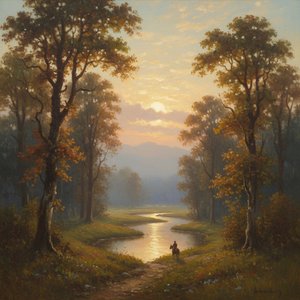
Cottage Scene


 Zobrazit více
Giclée / Umělecký tisk
Giclée nebo plátěný tisk muzeální kvality s rychlou výrobou a širokou nabídkou povrchových úprav. ( Koupit ručně malovaný obraz Přepnout na digitální obraz)




































Vyberte si z našich přednastavených velikostí, které odpovídají původním proporcím díla.

Zadejte šířku a výšku, které potřebujete pro váš rám nebo stěnu. Tisk lze pouze oříznout, nikdy však nelze zvětšit obraz nad jeho původní rozměr, proto při výběru jiného formátu dochází ke ztrátě části obrazu. Před samotným tiskem vám zašleme digitální náhled k schválení. Obraz zobrazený na této stránce nenabízí skutečný výřez — ten uvidíte pouze v náhledu.
Celosvětové doručení () do 2 týdnů namísto standardních 4/5 týdnů. (1 listopad)

Zdarma celosvětová expresní doprava

Vysoce kvalitní lněné plátno

Kompletní pojištění přepravy

Záruka vrácení celního poplatku

Záruka věrného barevného souladu

100dení lhůta pro vrácení zboží (pouze při vadách výroby)

100% záruka vrácení peněz

Sleva při více objednávkách
 Skleněná varianta je dostupná pouze u rozměrů menších než 110 cm

Cottage Scene
Giclée / Umělecký tisk
Rozměry reprodukce
-


Celková cena za vybrané možnosti reprodukcí
Kč 1738
A Window into Serenity: The Timeless Allure of Cottage Scene
In the vast tapestry of American genre painting, few works capture the quiet pulse of pastoral life as tenderly as George Caleb Bingham’s Cottage Scene. Painted in 1845, this exquisite oil on canvas serves as a profound meditation on the tranquility of the mid-nineteenth-century landscape. The viewer is immediately transported to an idyllic era, where the rhythm of life was dictated by the seasons and the gentle movement of nature. At the heart of the composition sits a charming thatched-roof cottage, its rustic texture rendered with such care that one can almost feel the organic warmth of the straw. Surrounded by a lush canopy of verdant trees, the dwelling feels like a sanctuary, nestled safely within the embrace of the earth.
Bingham, an artist whose life was deeply shaped by the rugged energy of the American frontier, demonstrates his mastery of light and atmosphere in this piece. The technique is characterized by soft, fluid brushstrokes and a palette of warm, inviting colors that bathe the scene in a golden, nostalgic glow. Beyond the cottage, the landscape unfolds into a picturesque vista of rolling fields and a shimmering body of water, creating a sense of depth that draws the eye toward the horizon. This careful arrangement of elements—the grounded stability of the home contrasted with the airy freedom of three birds gliding through the sky—creates a balanced composition that is both visually captivating and emotionally grounding.
The Human Element and Symbolic Harmony
While the landscape provides the stage, it is the subtle presence of human life that breathes soul into the work. Two figures stand near the doorway of the cottage, engaged in what appears to be a quiet, intimate conversation. Their placement within the frame does not disrupt the solitude of the scene; rather, they act as anchors of companionship, suggesting that even in the most secluded corners of the wilderness, human connection remains a fundamental pillar of existence. This interaction, paired with the effortless flight of the birds above, symbolizes a profound harmony between civilization and the natural world.
For the discerning collector or interior designer, Cottage Scene offers more than mere decoration; it offers an atmosphere. The painting possesses a unique ability to instill a sense of calm and permanence in any space it inhabits. Whether placed in a sun-drenched library or a sophisticated contemporary living room, a high-quality reproduction of this masterpiece brings with it the prestige of the Corcoran Gallery of Art and the enduring legacy of Bingham’s American Romanticism. It is an invitation to pause, to breathe, and to rediscover the quiet beauty that exists in the stillness of a summer afternoon.
Otázky a odpovědi
Odkud pocházejí návštěvníci díla „Cottage Scene“ od George Caleb Bingham?
Pro dílo „Cottage Scene“ je k dispozici stránka Statistiky. Zobrazuje měsíční počet návštěv tohoto díla i dalších děl daného umělce s rozpadem podle zemí a jazyků.
Jak si mohu stáhnout obrázek díla „Cottage Scene“ od George Caleb Bingham?
Digitální obraz díla „Cottage Scene“ od George Caleb Bingham si můžete stáhnout na stránce s k dispozici pro stažení Stažení digitální verze: stažení digitálního obrazu ve vysokém rozlišení.
Kde si mohu koupit digitální kopii díla „Cottage Scene“ od George Caleb Bingham?
„Cottage Scene“ je k dispozici jako stažení digitálního obrazu ve vysokém rozlišení, zakoupit jej můžete přímo na stránce Digitální snímek.
Biografie umělce
A Life Painted on the American Frontier
George Caleb Bingham, born in 1811 amidst the rolling landscapes of Virginia, wasn’t destined for a life steeped in artistic convention. His early years were marked by movement and adaptation, a family relocation to the burgeoning Missouri frontier shaping his perspective in profound ways. This shift from the established East to the raw energy of the West became the very bedrock of his artistic vision. The hardships faced by his family instilled within him an acute awareness of the struggles and triumphs inherent in the American experience – themes that would dominate his canvases for decades to come. A pivotal encounter at age nine with Chester Harding, a traveling portraitist passing through Franklin, Missouri, ignited a spark. This brief exposure wasn’t merely an introduction to technique; it was a revelation of art's power to capture not just likeness but the very essence of human character. Though largely self-taught initially, Bingham honed his skills through apprenticeships with cabinet makers, learning meticulous draftsmanship and an eye for detail – qualities that would become hallmarks of his mature style. By nineteen, he was already earning a living as a portrait painter, demonstrating an innate talent that quickly established him within the local community. This early success propelled him towards St. Louis, a vibrant hub where he sought to refine his skills and immerse himself in a growing artistic milieu.The Luminist Touch and American Realism
Bingham’s artistic journey wasn't confined by formal training; it was deeply interwoven with the world around him – the majestic Mississippi and Missouri Rivers, the bustling river towns teeming with life, and the diverse individuals who navigated this dynamic landscape. He became a keen observer of American society, particularly along these vital waterways that served as arteries of commerce and migration. His style gradually evolved, embracing elements of Luminism, an artistic movement characterized by its emphasis on atmospheric effects and the subtle interplay of light. This is strikingly evident in works like Order at the Border (1850), where the golden hues of the setting sun illuminate a tense negotiation between settlers and Native Americans, imbuing the scene with both beauty and underlying tension. However, Bingham wasn’t simply a Luminist painter; he infused his work with a powerful dose of realism, striving to depict American life with unflinching honesty and authenticity. Family Life on the Frontier (1845) exemplifies this approach, offering a tender yet realistic portrayal of domesticity amidst the challenges of pioneer existence. He wasn’t interested in idealizing the frontier; he sought to portray it as it was – a place of opportunity, hardship, and constant change. His paintings offer a valuable historical record, providing insights into the social customs, political attitudes, and daily lives of Americans during a pivotal period in their history. The County Election (1844) stands as perhaps his most iconic representation of this approach – a vibrant tableau capturing the boisterous energy and democratic spirit of frontier politics. The painting isn’t merely a depiction of an event; it's a social commentary, offering insights into the values, anxieties, and aspirations of 19th-century Americans. His ability to capture the essence of American culture is also powerfully displayed in St. Louis Jockey, on the Battlefield (1862), a poignant reflection on the Civil War’s impact on everyday life, revealing the subtle scars left upon the nation's psyche.Themes of Frontier Life and Social Commentary
Throughout his career, Bingham consistently returned to themes central to the American experience: westward expansion, political participation, the rhythms of river life, and the complexities of human interaction. He wasn’t afraid to tackle difficult subjects, often embedding subtle social commentary within seemingly straightforward depictions of everyday scenes. His paintings weren't simply aesthetically pleasing; they were narratives, offering glimpses into the moral and ethical dilemmas facing a young nation grappling with its identity. Consider Raftsmen Playing Cards, or The Checker Players, both capturing moments of leisure but also hinting at the hardships and uncertainties faced by those who worked the rivers. These works demonstrate Bingham’s skill in imbuing seemingly mundane activities with a sense of depth and significance. His work often depicted scenes of political rallies, riverboat races, and frontier disputes, reflecting the turbulent social landscape of his time. He skillfully captured the personalities of the people he portrayed – from stern-faced politicians to playful children – revealing their hopes, fears, and ambitions. Order No. 11 (1853) is a particularly compelling example, illustrating the complex relationship between settlers and Native Americans in the face of westward expansion, prompting reflection on the consequences of territorial claims.Technique and Style
Bingham’s artistic style was characterized by its meticulous detail, vibrant color palette, and masterful use of light and shadow. He employed a technique that blended elements of Luminism with a distinctly American Realist approach, creating paintings that were both visually stunning and emotionally resonant. His compositions often featured dynamic arrangements of figures, capturing the energy and movement of everyday life. He was particularly adept at portraying landscapes, using atmospheric effects to create a sense of depth and realism. Bingham’s use of color was remarkably expressive, employing warm hues to evoke feelings of warmth and nostalgia, while cooler tones were used to convey a sense of melancholy or tension. His portraits were equally impressive, capturing not only the physical likeness of his subjects but also their personalities and emotions. He paid close attention to detail, meticulously rendering clothing, facial expressions, and accessories.Rediscovery and Lasting Legacy
Despite his prominence during his lifetime, Bingham’s work experienced a period of relative obscurity following his death in 1879. It wasn't until the 1930s that a renewed interest in his art emerged, fueled by a growing appreciation for American Regionalism and Realism. This rediscovery led to a reevaluation of his contributions to American art history, recognizing him as a master of both Luminist technique and social commentary. By the time of his bicentennial in 2011, George Caleb Bingham had firmly established himself as one of the greatest American painters of the 19th century. His influence continues to resonate today, inspiring artists who seek to capture the beauty and complexity of the American landscape and its people. His legacy extends beyond his individual paintings; he helped define a distinctly American artistic voice, one that celebrated the nation’s unique character and confronted its challenges with honesty and insight.- Canvassing for a Vote: A powerful depiction of political engagement on the frontier.
- Order No. 11: Illustrates the complexities of interactions between settlers and Native Americans.
- Lighter Relieving the Steamboat Aground: Captures a moment of rural American life with stunning detail.

George Caleb Bingham
1811 - 1879 , Spojené státy americké
Rychlé informace o umělci
- Artistic Movement Or Style: Luminism, Realismus
- Artists Or Movements Influenced By This Artist: ['Düsseldorf škola']
- Artists Who Influenced This Artist: ['Chester Harding']
- Date Of Birth: 20. března 1811
- Date Of Death: 7. července 1879
- Full Name: George Caleb Bingham
- Nationality: Americký
- Notable Artworks:
- Order No. 11
- Family Life
- Checker Players
- Place Of Birth: Augusta County, USA
Související články
George Inness: Transcendental Landscapes & the American Search for Spiritual Harmony
Explore the profound landscapes of George Inness, a leading American artist-philosopher. Discover his spiritual approach to painting, influences, and lasting legacy with OriginalUniqueArt.

John Constable: 25 mistrovských děl krajinářské poezie | OriginalUniqueArt.com
Prozkoumejte 25 ikonických děl Johna Constabla, mistra anglického krajinářství a romantismu. Obdivujte jeho olejomalby, plátna s venkovskou atmosférou a inspirujte se pro dekoraci interiéru. Reprodukce obrazů nejvyšší kvality na OriginalUniqueArt.com

Serene Visions: Exploring Themes of Tranquility in Art History & Contemporary Practice
Explore the history of serene landscape art & discover artists who evoke tranquility. Find the perfect calming artwork for your home with expert guidance from OriginalUniqueArt.

Evocations of Place: A Historical Journey Through Landscape Art
Explore the rich history of landscape art with OriginalUniqueArt. Discover renowned artists, movements like Impressionism & Romanticism, and expert guidance for collecting timeless pieces. Find your perfect serene escape today!

Grant Wood & American Regionalism: Identity, Myth & the Rural Landscape
Explore the world of Grant Wood & American Regionalism with OriginalUniqueArt. Discover the symbolism behind 'American Gothic', recurring themes, and the movement's lasting impact on art history. High-quality reproductions available.