
 Zobrazit v interiéru
 Odeslat
 Sdílet
 Podrobnosti
 Průvodce

 Stáhnout obrázek
 Podobné kousky
 Rentgenové snímky
 Slideshow
 Statistiky
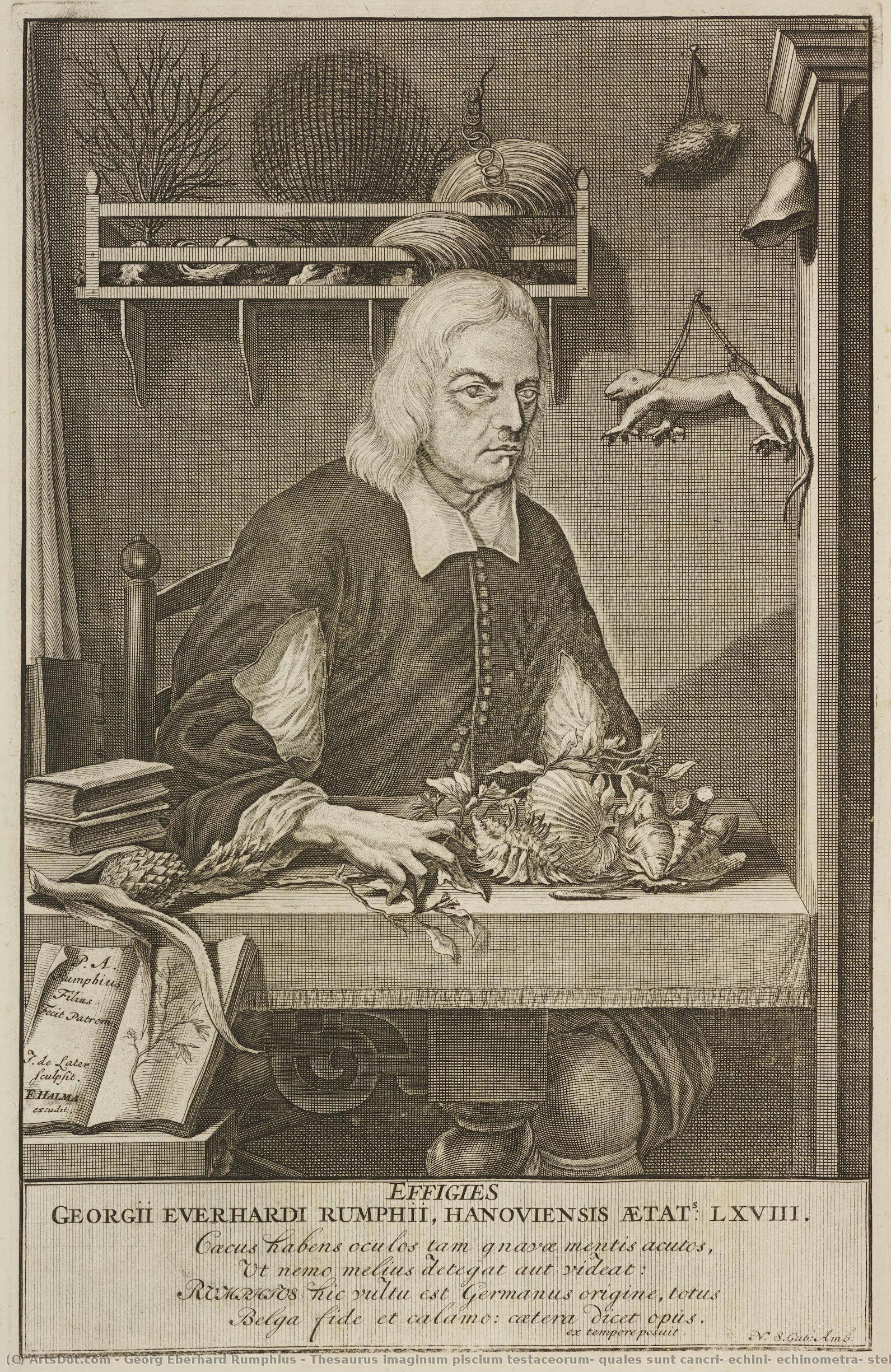
Thesaurus imaginum piscium testaceorum; quales sunt cancri, echini, echinometra, stellae marinae,


 Přečíst si více
Zakupte si digitální obraz ve vysokém rozlišení a vylepšeném provedení, který nabízí mnohem vyšší kvalitu než online náhled.
Každý soubor je pečlivě připraven našimi specialisty s využitím pokročilých nástrojů a odborné manuální retuše. Zajišťujeme, aby každý obraz disponoval výjimečnou ostrostí, přesnou barevnou věrností a jemnými detaily.
Finální soubor vám bude do 72 hodin zaslán e-mailem, optimalizovaný pro okamžité použití v profesionálním, redakčním i tiskovém prostředí. Nabízíme stejnou kvalitu, které důvěřují špičková designová studia, nakladatelství i galerie.
Digitální obrazy
Stáhněte si soubor ve vysokém rozlišení pro osobní prohlížení, tisk a kreativní projekty. ( Přepnout na tiskové verze Objednat ručně malovanou reprodukci)
Součást každé objednávky digitálního obrazu
Exponenciální digitální doručení, zaručené
Když si vyberete OriginalUniqueArt.com, nezískáváte pouze obrázek – získáváte digitální umělecké dílo s profesionálně vylepšenými detaily, zpracované s precizností a podpořené zárukou za spokojenost. Zde je vše, co vaše objednávka automaticky obsahuje:

Bleskové doručení e-mailem
Váš digitální obraz ve vysokém rozlišení vám bude zaslán e-mailem do 72 hodin od objednávky – připraven k okamžitému použití.

Digitální soubor s podporou AI
Vaše umělecké dílo je profesionálně optimalizováno pomocí pokročilých nástrojů umělé inteligence a manuální úpravy, což zajišťuje maximální úroveň detailu, ostrosti a přesnosti barev.

Doživotní bezplatné znovuodeslání
Soubor jste omylem smazali nebo ztratili? Žádný problém – kdykoliv vám ho znovu zašleme zcela zdarma.

Bez poplatků za dovoz – navždy
Užijte si své umělecké dílo okamžitě bez celních poplatků, daní nebo nákladů na dopravu – digitální stažení je vždy bez daňových povinností.

Záruka přesnosti barev
Díky profesionálním nástrojům a správě barev zajišťujeme, aby váš digitální obraz odrážel původní barvy co nejvěrněji.

100dená záruka spokojenosti
Pokud nebudete s digitálním obrázkem spokojeni, provedeme jeho revizi nebo vám vrátíme 100% platby do 100 dnů – bez jakýchkoliv dotazů.

100% záruka vrácení peněz
Nespokojeni? Získejte plnou náhradu peněz do 100 dnů od obdržení digitálního souboru – bez zbytečných dotazů.

Slevy při hromadných objednávkách
Při koupi 3 obrazů ušetříte 10% – Při koupi 5 obrazů ušetříte 15% – Při koupi 10+ obrazů ušetříte 20%. Ideální pro kreativní projekty, galerie a agentury.
Biografie umělce
Domenico Piola: The Architect of Genoese Ceilings
Domenico Piola, born in Genoa around 1627 and passing away in 1702, stands as a pivotal figure in the artistic landscape of his era – a true master of the Baroque period. More than simply a painter, he was the driving force behind the Piola family studio, a prolific workshop that dominated the decoration of ceilings throughout Genoa for nearly a century. His legacy isn’t defined by individual masterpieces hanging in grand museums, but rather by the sheer scale and enduring beauty of his contributions to countless churches and palaces across the city. Piola's influence extended beyond mere aesthetics; he was a meticulous planner, a skilled designer, and a shrewd manager, orchestrating a complex operation that produced an astonishing volume of decorative work.- Early Influences & Training: Piola’s artistic journey began under the tutelage of his older brother-in-law, Stefano Camogli, a respected Genoese painter. However, it was his connection to his even more accomplished brother, Pellegrino Piola, and the guidance of Pellegrino's teacher, Giovanni Domenico Cappellino – a prominent figure in the Roman Baroque – that truly shaped his style. Cappellino’s influence is particularly evident in Piola’s early works, characterized by a refined elegance and a masterful command of color and composition.
- The Rise of Casa Piola: Following Pellegrino's death, Domenico inherited the family studio, which quickly evolved into “Casa Piola.” This wasn’t merely a workshop; it was a fully integrated design and production center. The studio employed a team of skilled artisans – including Domenico’s brothers, Stefano Camogli, his sons, and even his sons-in-law – each contributing to the creation of elaborate ceiling decorations. This collaborative approach streamlined the process, allowing for the rapid execution of numerous commissions and establishing a distinctive style that became synonymous with the Piola name.
A Symphony of Color and Composition: The Style of Domenico Piola
Piola’s artistic signature is immediately recognizable – a vibrant, theatrical Baroque style infused with a distinctly Genoese sensibility. He wasn't interested in replicating existing styles; instead, he developed a unique approach that prioritized dynamism, illusionism, and an overwhelming sense of grandeur. His ceiling frescoes are not static images but rather immersive environments, designed to transport the viewer into a world of heightened emotion and spectacle.- Technique & Materials: Piola was renowned for his exceptional skill in *trompe-l'oeil* – creating the illusion of three-dimensional space on a flat surface. He employed a sophisticated understanding of perspective, light, and shadow to achieve this effect, often incorporating architectural elements, figures, and even landscapes that seemed to extend beyond the confines of the ceiling. His use of color was equally masterful, employing rich pigments and carefully calibrated harmonies to create dazzling visual effects.
- Thematic Elements: Piola’s decorations frequently featured allegorical scenes, religious narratives, and mythological subjects. He skillfully integrated these themes into the architectural context of each space, transforming churches and palaces into grand stages for divine stories and heroic tales. The *Palazzo Rosso* in Genoa is a prime example, where his depictions of the four seasons – Autumn, Winter, Spring, and Summer – are particularly celebrated for their dramatic intensity and meticulous detail.
Notable Works & Commissions
Piola’s prolific output resulted in an astonishing number of commissions throughout Genoa and beyond. While many of these works have been lost or damaged over the centuries, several remain as testaments to his skill and influence.- Palazzo Rosso (Genoa): His depictions of the four seasons within the Palazzo Rosso are arguably his most famous achievement. The dramatic intensity of Winter and Autumn, in particular, have been widely praised for their masterful use of color and composition.
- Churches throughout Genoa: Piola decorated numerous churches across the city, including the Duomo di San Lorenzo, the Chiesa di Santa Croce, and the Cappella di San Carlo Borromeo. His work in these spaces demonstrates his versatility and ability to adapt his style to different architectural contexts.
- Milan & Other Commissions: In 1684-85, Piola traveled to Milan, Piacenza, Bologna, and Asti, undertaking decorative projects for prominent patrons. These commissions further expanded his artistic repertoire and exposed him to new influences.
Legacy and Historical Significance
Domenico Piola’s impact on the art of Genoa is undeniable. He not only elevated the status of Genoese painting but also established a workshop that would shape the city's visual landscape for generations. His meticulous planning, innovative techniques, and collaborative approach revolutionized the process of ceiling decoration, transforming it from a craft-based activity into a sophisticated artistic endeavor. While his individual works may be less frequently exhibited than those of other Baroque masters, Piola’s legacy lives on in the countless ceilings that adorn the churches and palaces of Genoa – a vibrant testament to the genius of this remarkable artist. His work represents a crucial link between Italian Baroque painting and the development of decorative arts in Northern Europe, solidifying his place as a significant figure in European art history.
georg eberhard rumphius
1627 - 1702 , Germany
Rychlé informace
- Artistic Movement Or Style: Baroque
- Artists Or Movements Influenced By This Artist: ['Casa Piola Studio']
- Artists Who Influenced This Artist:
- Stefano Camogli
- Giovanni Domenico Cappellino
- Date Of Birth: 1627
- Date Of Death: 1702
- Full Name: Domenico Piola
- Nationality: Italian
- Notable Artworks:
- Communion of Clare of Montefalco
- Decoration Palazzo Rosso
- Place Of Birth: Genoa, Italy